
Dal met begroeide bergen — History & Facts
In the stillness of a moment captured, the ebb and flow of life rests within a frame, inviting contemplation of movement and the passage of time. Look to the center of the painting where waves of verdant hillside rise gently, rolling like whispers across the surface. The brushwork, a blend of soft greens and earthy browns, creates a sense of rhythm — each stroke dances with the light, guiding your gaze deeper into the landscape. Notice how the clouds, seemingly suspended in the sky, mirror the undulating forms below, creating a harmony that suggests both tranquility and the inevitable change of nature. As you delve further into the details, a duality unfolds: the serenity of the scene juxtaposes the latent vibrancy of life thrumming beneath the surface.
The rugged mountains stand tall, yet their lush coverings hint at growth and renewal, suggesting a narrative of resilience. This balance between stability and fluidity evokes a sense of anticipation, as if the landscape itself is poised for transformation. Jozef Israëls painted this work during a period of profound change in the art world, roughly between 1834 and 1911. Emerging from the Dutch Romantic movement, he sought to capture the beauty of the natural world while reflecting on human existence.
This was a time when artists were increasingly drawn to exploring the emotional depths of their surroundings, and Israëls was no exception, encapsulating the essence of movement in a portrait of the Dutch landscape that still resonates today.
More Artworks by Jozef Israëls
Browse all →
Children of the Sea
Jozef Israëls
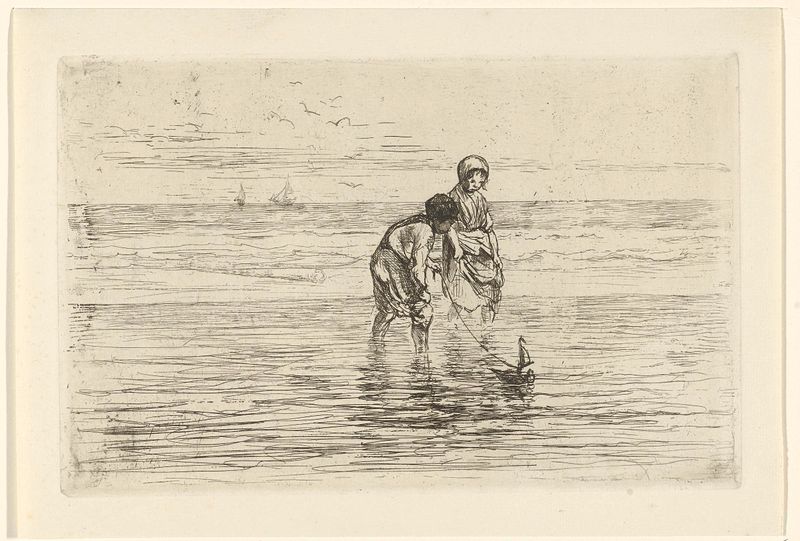
Kinderen spelend met een scheepje aan het strand
Jozef Israëls

Duinlandschap met moeder en kinderen
Jozef Israëls

Wachtende vrouw met kind
Jozef Israëls
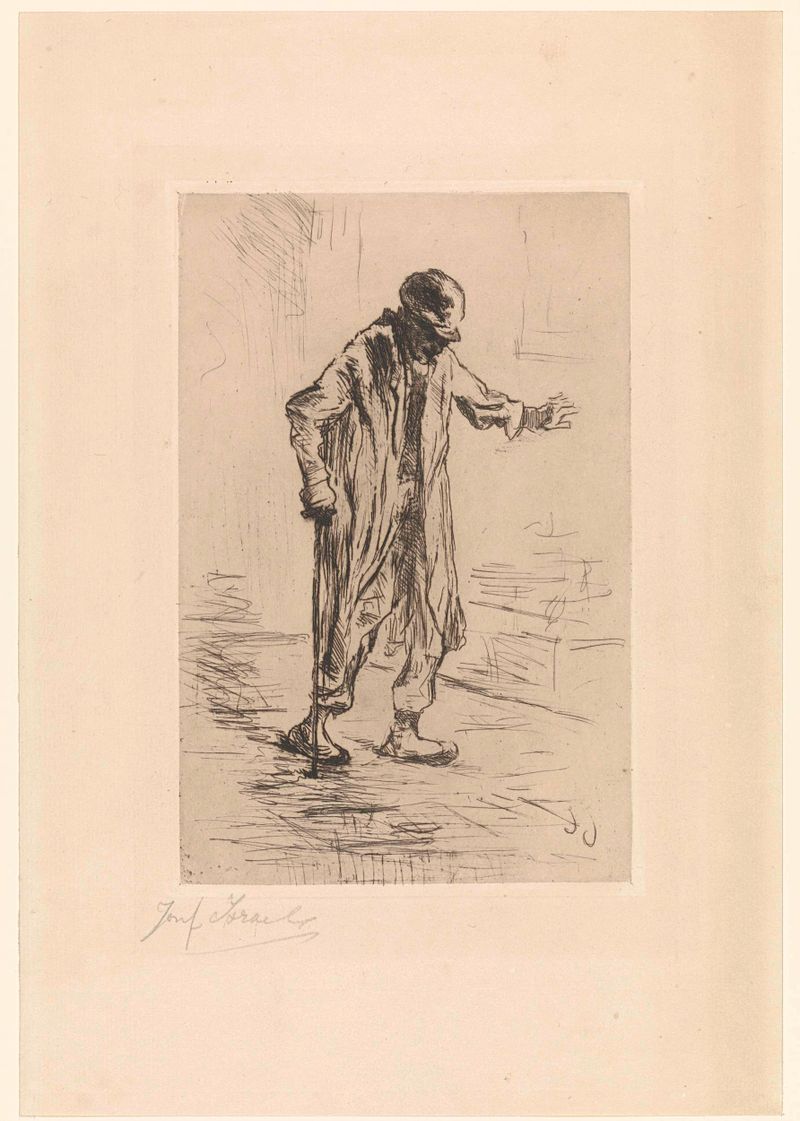
Oude man
Jozef Israëls

Mother and Child on a Seashore
Jozef Israëls

Children of the Sea
Jozef Israëls
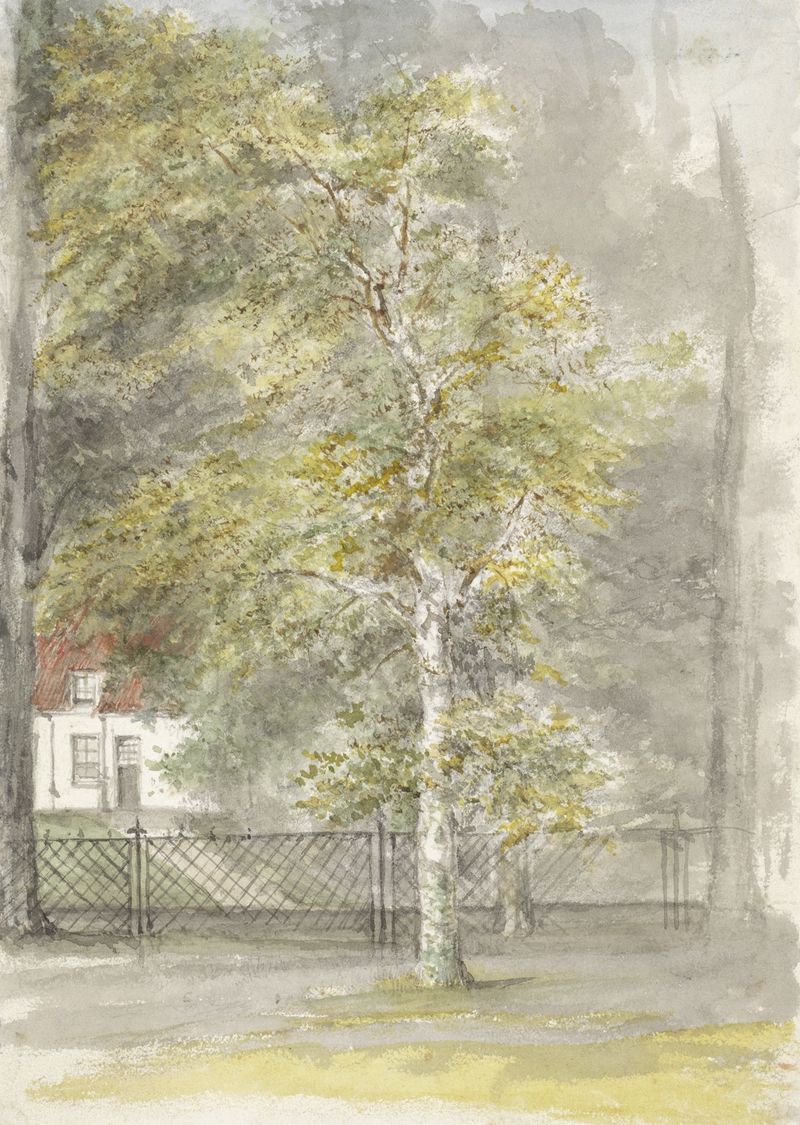
Boom voor het hek van een landhuis
Jozef Israëls

Portret van Jan
Jozef Israëls

Old Age
Jozef Israëls





