
Duinlandschap met moeder en kinderen — History & Facts
What if silence could speak through light? In Duinlandschap met moeder en kinderen, the interplay between shadows and sunlight evokes a poignant narrative, inviting viewers into a realm where tranquility reigns amid the gentle embrace of nature. Focus on the central figure, a mother and her children, softly illuminated against the backdrop of golden dunes. The muted palette of ochres and greens draws your eye to the warmth of their skin, contrasting with the cool, breezy atmosphere enveloping the scene. Notice how the brushstrokes convey a sense of movement — the wind ruffling the children’s hair, the mother's gentle stance — all harmonizing in an unspoken bond of love and safety. Hidden within the serene landscape, the painting explores themes of innocence and solitude.
The children’s carefree demeanor juxtaposes the weight of the mother’s protective gaze, evoking the tension between freedom and responsibility. The expansive sky looms overhead, a reminder of the vastness of the world beyond their small, intimate moment, suggesting both the beauty and fragility of familial connections. Jozef Israëls created this work during a transformative period for Dutch art, spanning from 1835 to 1910. Active amid the rise of realism, he sought to depict the everyday lives of ordinary people with emotional depth.
His commitment to portraying the bond between nature and humanity reflects not only his personal experiences but also the broader art movements of his time, emphasizing the importance of authenticity and connection in a rapidly changing world.
More Artworks by Jozef Israëls
Browse all →
Children of the Sea
Jozef Israëls
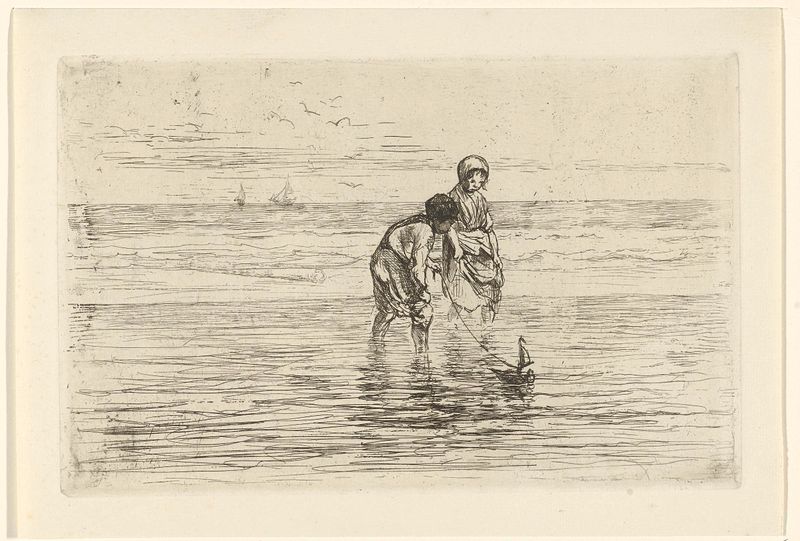
Kinderen spelend met een scheepje aan het strand
Jozef Israëls

Wachtende vrouw met kind
Jozef Israëls
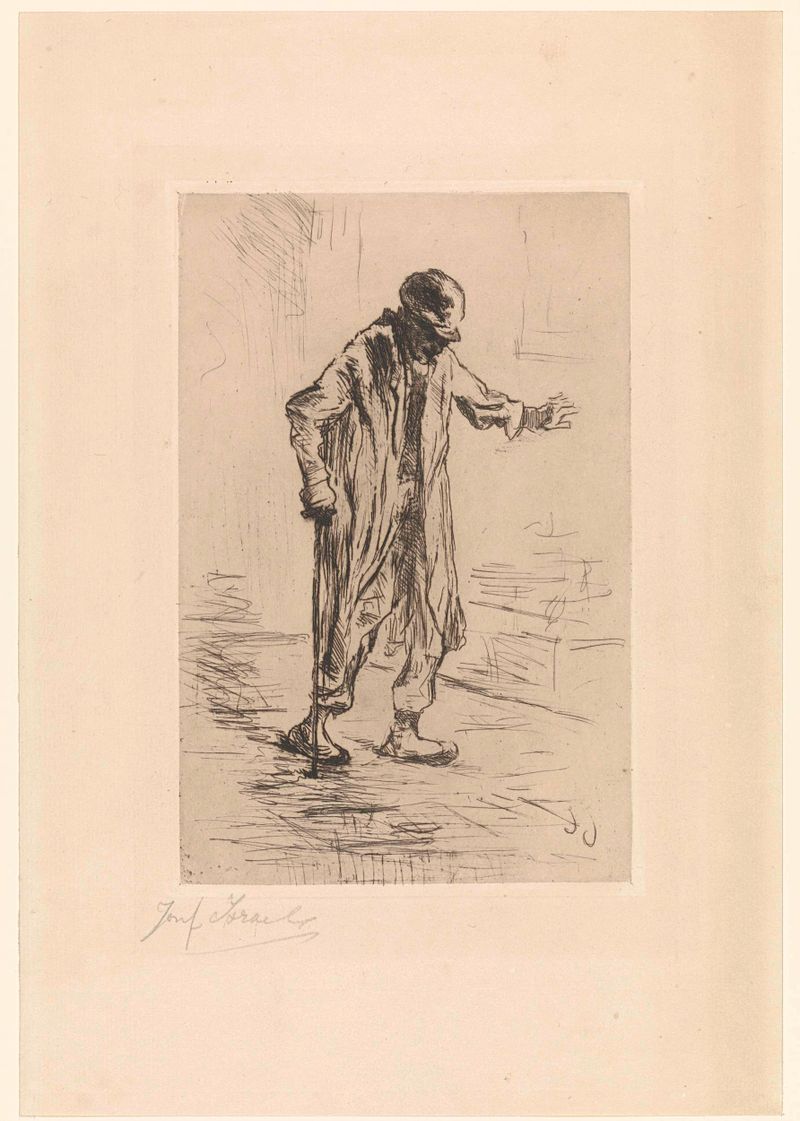
Oude man
Jozef Israëls

Mother and Child on a Seashore
Jozef Israëls

Children of the Sea
Jozef Israëls
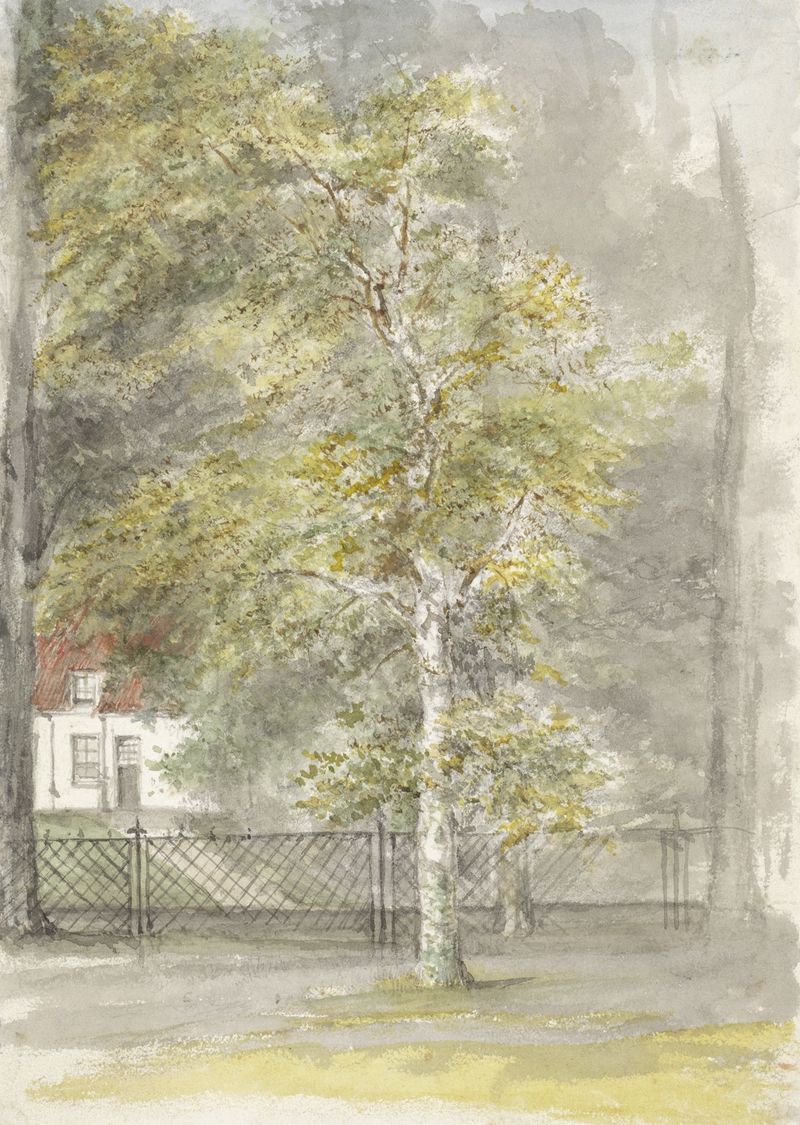
Boom voor het hek van een landhuis
Jozef Israëls

Portret van Jan
Jozef Israëls

Old Age
Jozef Israëls

Dal met begroeide bergen
Jozef Israëls





