
Mother and Child on a Seashore — History & Facts
In the gentle embrace of nature, what desires remain unspoken between a mother and her child? This intimate moment, captured in paint, invites us to explore emotions that transcend time and place. Look closely at the mother, her form gracefully wrapped in a flowing dress that dances with the breeze. The soft hues of sand and sea intertwine, creating a harmonious backdrop for their connection. Notice how the light shines from the left, casting delicate shadows that add depth to the figures, highlighting their tender bond.
The child, with wide eyes turned towards the horizon, symbolizes a world of possibilities, while the mother’s gaze reflects a blend of hope and protectiveness. The contrast between the vastness of the sea and the intimacy of their interaction speaks to the universal themes of longing and nurture. The mother’s posture, slightly bent, conveys both the weight of responsibility and the lightness of love—an intricate dance of duty and affection. Each wave in the distance echoes the cyclical nature of life, suggesting both the relentless passage of time and the infinite capacity for love, ever lingering like the tide. In the late 19th century, while creating this piece in the Netherlands, Jozef Israëls was influenced by the plein air movement, embracing the natural beauty around him.
During this period, he sought to capture the human experience in its rawest form, mirroring societal shifts towards modernity yet retaining a reverence for simpler, intimate moments. The world was changing, yet the bond between mother and child remained a timeless constant, resonating deeply within the artist’s heart.
More Artworks by Jozef Israëls
Browse all →
Children of the Sea
Jozef Israëls
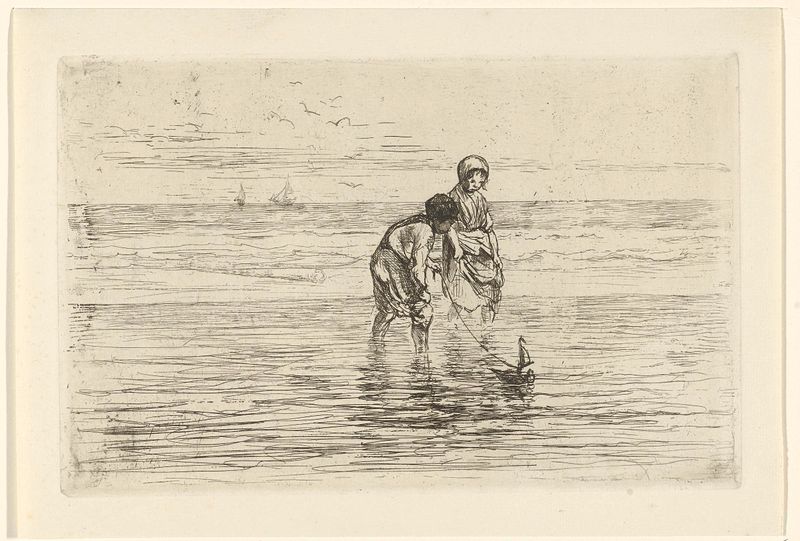
Kinderen spelend met een scheepje aan het strand
Jozef Israëls

Duinlandschap met moeder en kinderen
Jozef Israëls

Wachtende vrouw met kind
Jozef Israëls
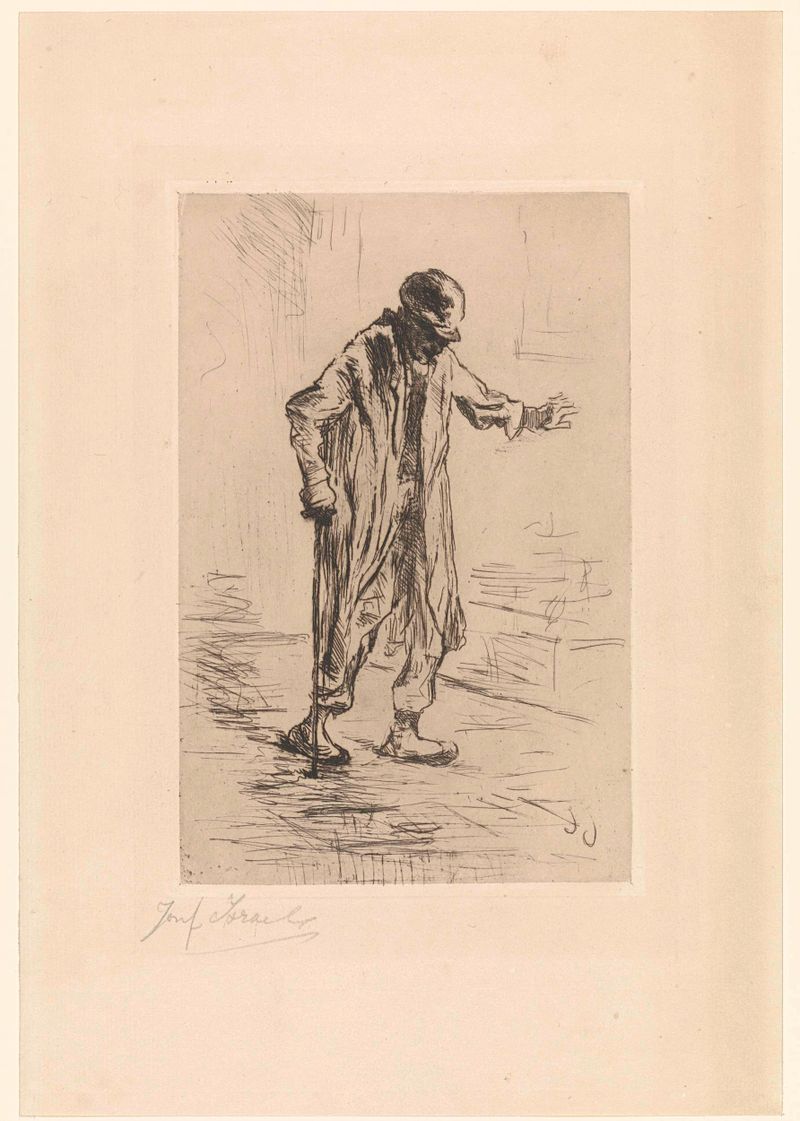
Oude man
Jozef Israëls

Children of the Sea
Jozef Israëls
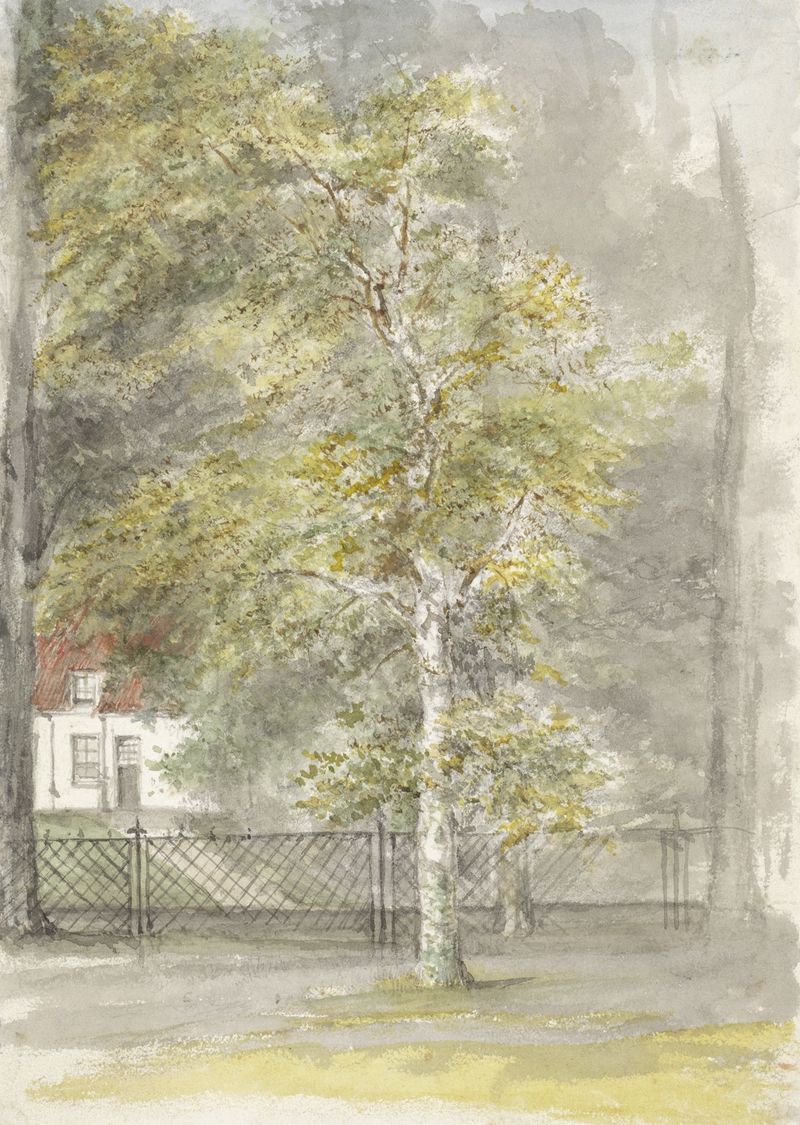
Boom voor het hek van een landhuis
Jozef Israëls

Portret van Jan
Jozef Israëls

Old Age
Jozef Israëls

Dal met begroeide bergen
Jozef Israëls





