
Children of the Sea — History & Facts
Did the painter know this moment would outlive them? The fleeting joy of childhood, captured in time, speaks volumes about the legacy we leave behind. Focus first on the lower right corner, where children wade into the gentle waves, their laughter almost audible. Notice the delicate brushwork that brings forth the textures of their damp hair and sun-kissed skin, each stroke revealing a moment of innocence and freedom. The color palette, dominated by warm yellows and deep blues, echoes the sunlight glistening upon the water, creating a harmonious dance between light and shadow, inviting viewers to step into their world. Within this enchanting scene lies a contrast between the carefree joy of youth and the vast, unyielding sea—a metaphor for life’s endless possibilities and the inevitable passage of time.
The children’s playful gestures convey a deep yearning for adventure, yet their proximity to the water hints at the unknown depths of experience awaiting them. This duality evokes a sense of nostalgia, reminding us of our own childhood dreams and the bittersweet nature of growing up. In 1872, during a period of artistic exploration in the Netherlands, Jozef Israëls painted Children of the Sea while grappling with themes of identity and heritage. At this time, he was establishing his reputation as a leading figure in the Hague School, focusing on contemporary life and the emotional depth of ordinary scenes.
Israëls sought to capture not just the beauty of the moment but the timeless essence of youth—an aspiration that resonates through generations.
More Artworks by Jozef Israëls
Browse all →
Children of the Sea
Jozef Israëls
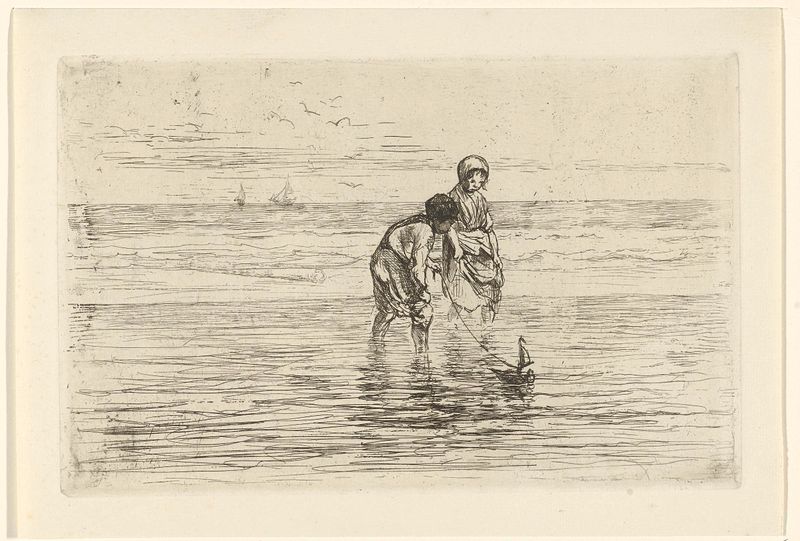
Kinderen spelend met een scheepje aan het strand
Jozef Israëls

Duinlandschap met moeder en kinderen
Jozef Israëls

Wachtende vrouw met kind
Jozef Israëls
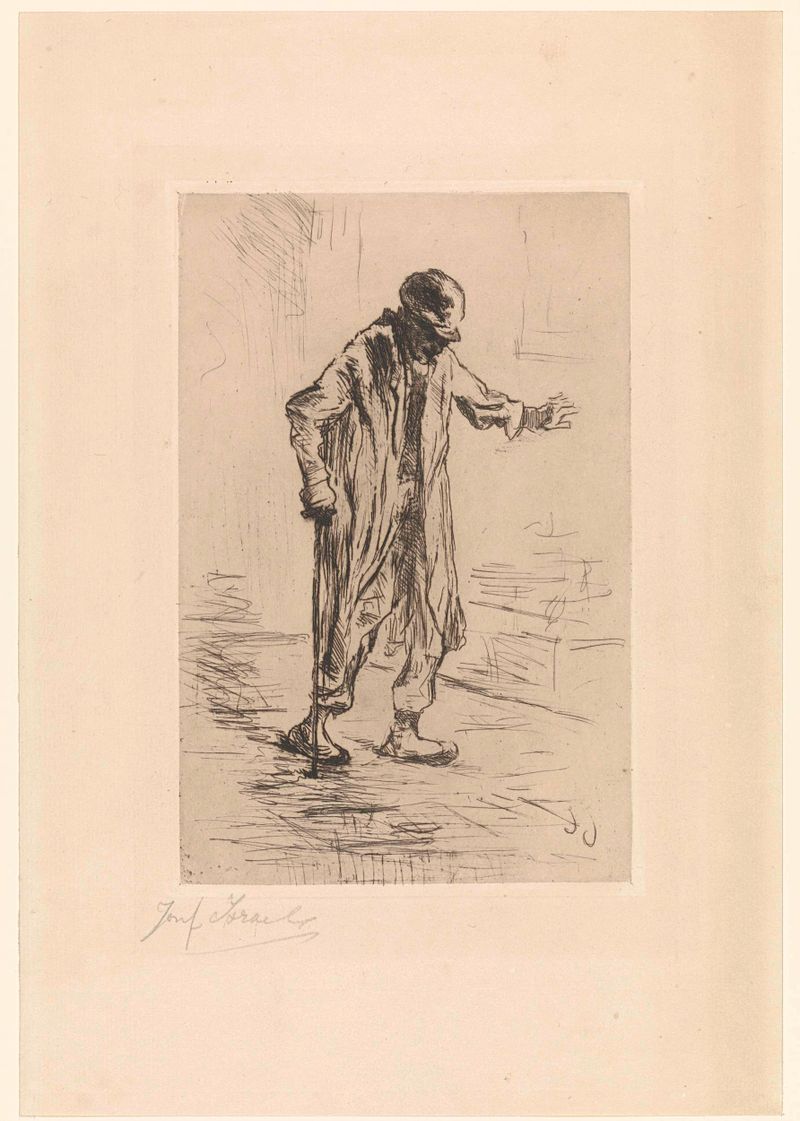
Oude man
Jozef Israëls

Mother and Child on a Seashore
Jozef Israëls
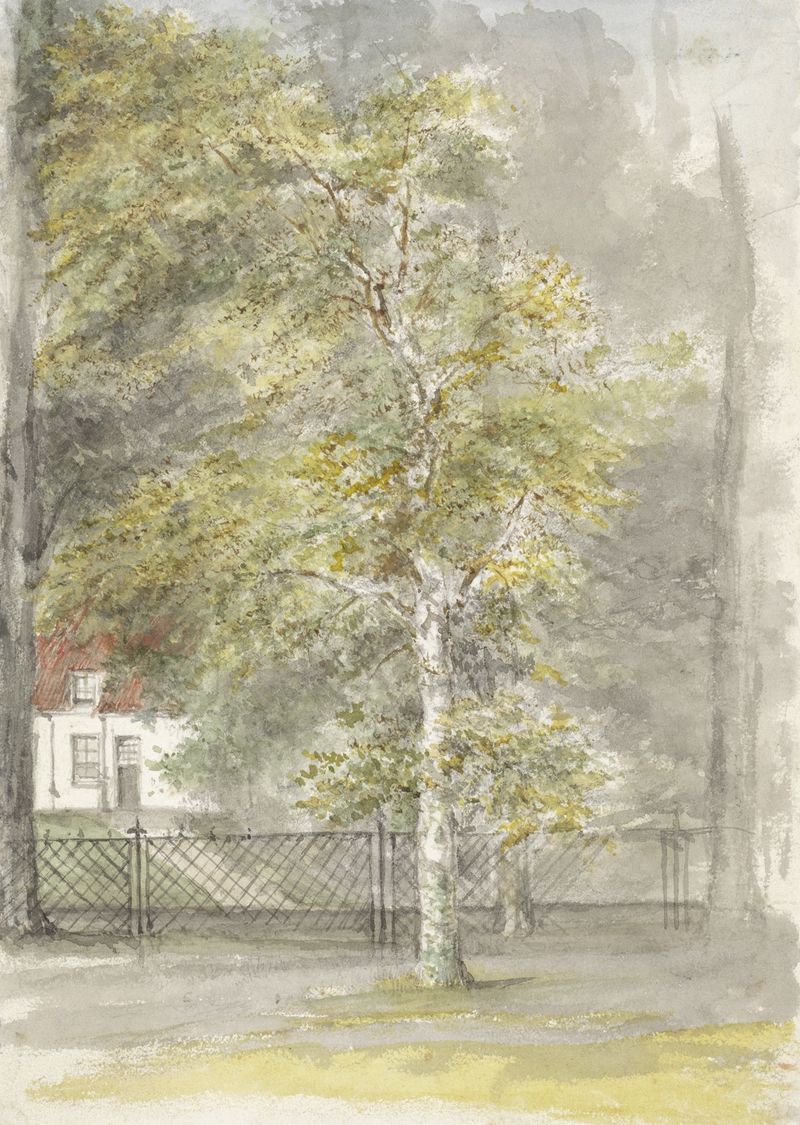
Boom voor het hek van een landhuis
Jozef Israëls

Portret van Jan
Jozef Israëls

Old Age
Jozef Israëls

Dal met begroeide bergen
Jozef Israëls





