
Damiette — History & Facts
Can paint confess what words never could? In a world often defined by its noise, the quiet weight of solitude is masterfully captured in this piece. Look to the left at the soft, muted palette composed of blues and grays that envelops the landscape, evoking a profound sense of isolation. The sweeping strokes outline a barren expanse, where the horizon stretches endlessly, seemingly indifferent to human presence. Notice how the trees stand in stark silhouette against the dimming light, their twisted forms conveying a poignant yearning.
The sparse composition encourages your gaze to wander through the emptiness, creating an atmosphere thick with introspection. A deeper exploration reveals the emotional tensions inherent in the work. The absence of human figures heightens the sense of loneliness, inviting viewers to project their own feelings onto the canvas. The contrast between the vibrant yet desolate landscape and the subtle, almost oppressive, sky suggests a struggle between hope and despair.
Each brushstroke whispers the stories of those who have traversed this land, their experiences now absorbed into the very fabric of the earth. During the years between 1915 and 1945, the artist painted Damiette from a place of personal reflection amidst a world engulfed in conflict and change. Having moved through various phases in his career, Guillaumin found solace in landscapes, focusing on capturing the essence of his surroundings. These tumultuous times forced many artists, including him, to grapple with themes of isolation and identity — a struggle that resonates powerfully in this poignant work.
More Artworks by Armand Guillaumin
Browse all →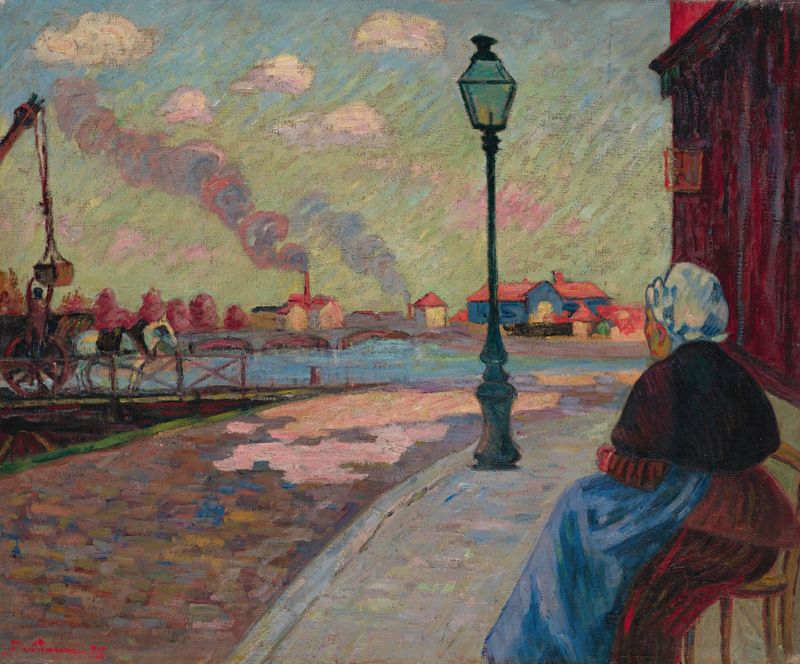
La Seine À Charenton
Armand Guillaumin
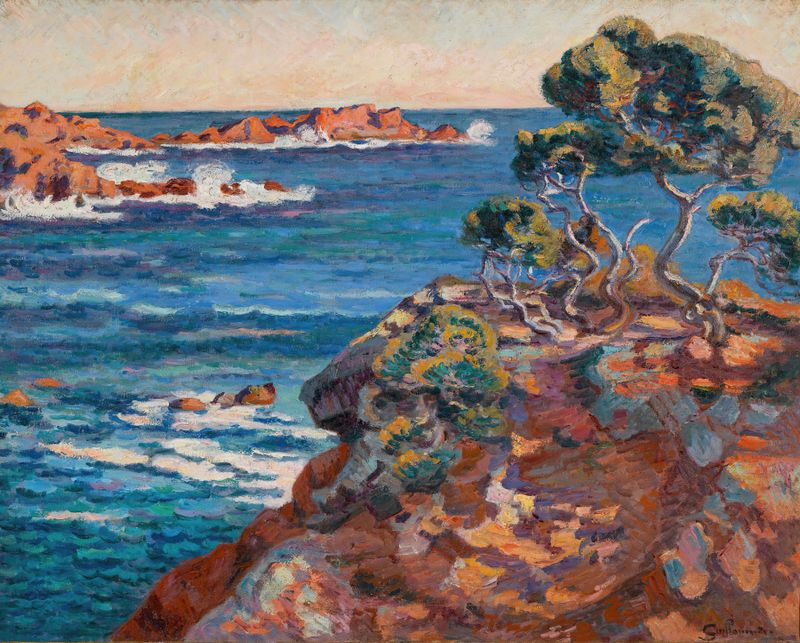
Bord De Mer À Agay
Armand Guillaumin
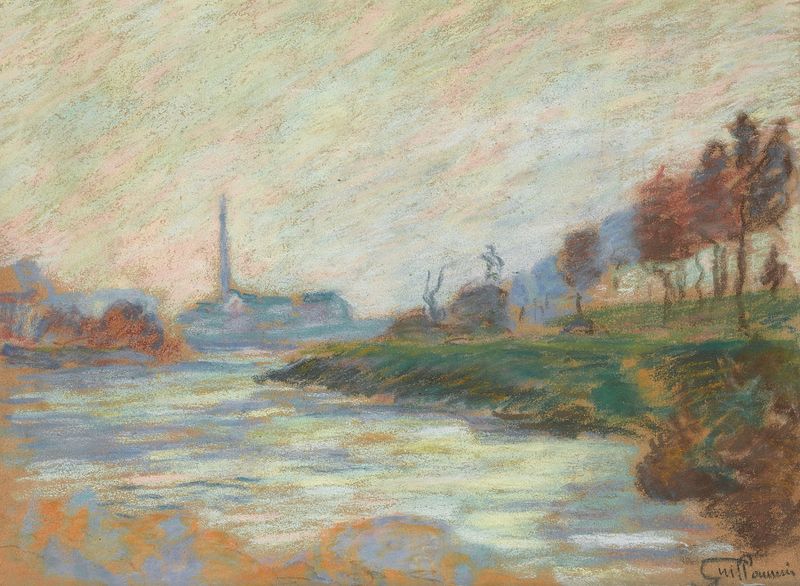
Confluent De La Marne Et De La Seine, Île De La France
Armand Guillaumin

Le Ravin de la folie, vue de Chateau Crozant
Armand Guillaumin
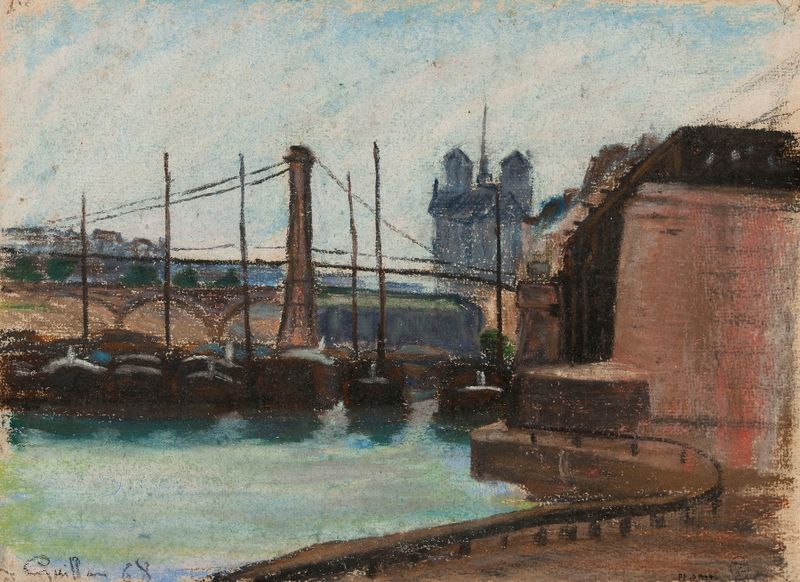
Le Pont d’Austerlitz
Armand Guillaumin

Paysage de Printemps
Armand Guillaumin
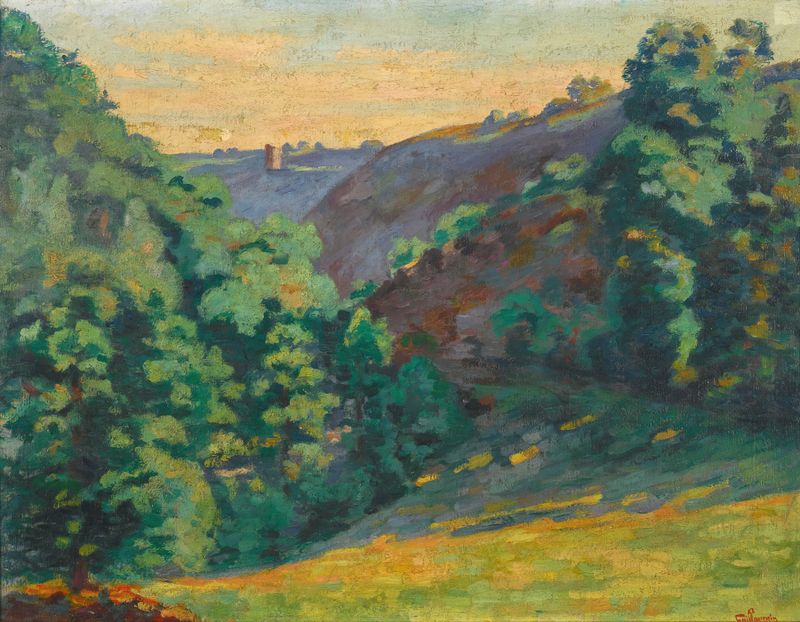
Crozant, Le Ravin De La Sedelle À La Folie
Armand Guillaumin
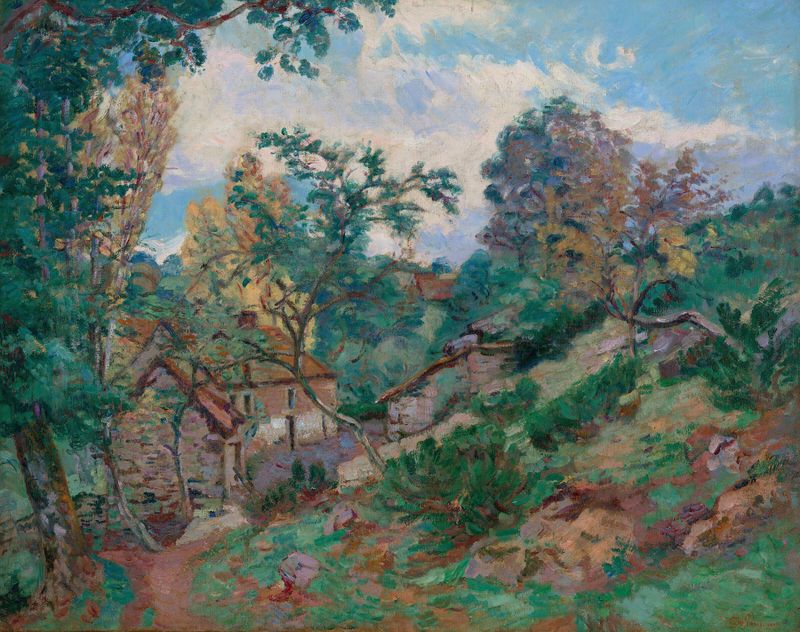
Paysage
Armand Guillaumin

La vallée de la creuse
Armand Guillaumin

L’Eglise Saint-Sulpice, Paris
Armand Guillaumin





