
Damiette, Eté de la St. Martin — History & Facts
In the stillness of a moment, as summer whispers its final secrets, one can feel the passage of time echoing through a landscape drenched in light. Look to the horizon, where the brilliant hues of orange and pink dance across the sky, melding with deep blues. Notice how the soft strokes of paint create a vibrant tapestry that captures the fleeting beauty of dusk. The shimmering water reflects the sky’s palette, while the silhouettes of trees frame the scene, grounding the ethereal in the tangible.
Each brushstroke feels deliberate, inviting the eye to wander before settling on the tranquil riverbank, where nature breathes and the world pauses. Beneath the surface, this artwork encapsulates the tension between time’s relentless march and the ephemeral joys of life. The vivid colors evoke warmth and nostalgia, suggesting that even as days turn to night, there is beauty in transience. The interplay of light and shadow reveals a duality; while day fades, a lingering promise of tomorrow remains.
Furthermore, the serene composition juxtaposes stillness with the vibrant chaos of life, reflecting both serenity and the inexorable flow of time. Armand Guillaumin painted Damiette, Été de la St. Martin in 1884, during a period when Impressionism was gaining traction. Living in France, he was part of an art movement that sought to capture the ephemeral qualities of light and color.
This painting, created amidst his exploration of landscape and light, reflects not only a personal journey but also the broader shifts in artistic expression occurring in the late 19th century.
More Artworks by Armand Guillaumin
Browse all →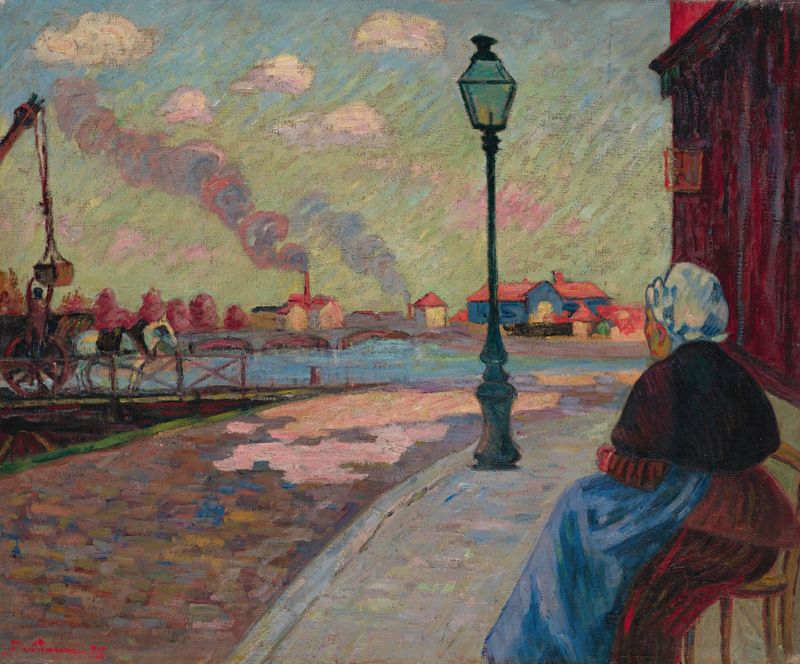
La Seine À Charenton
Armand Guillaumin
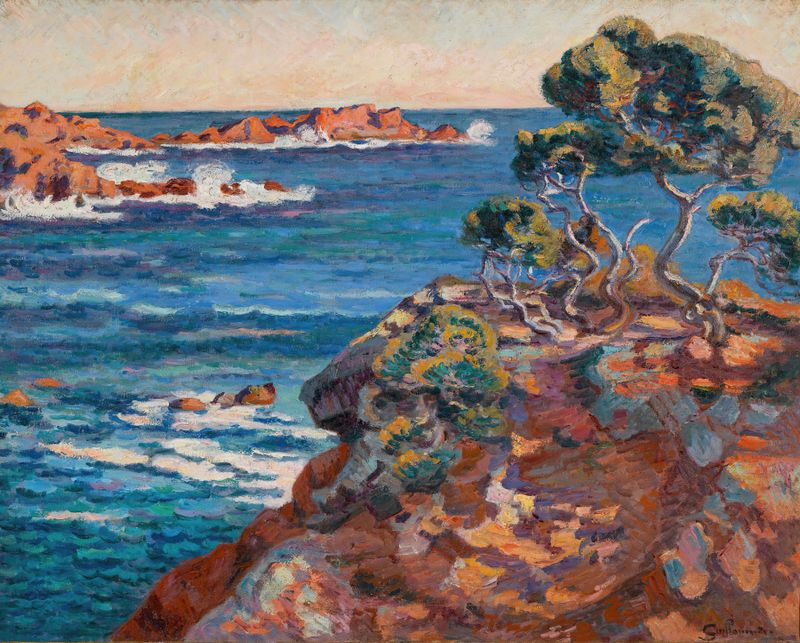
Bord De Mer À Agay
Armand Guillaumin
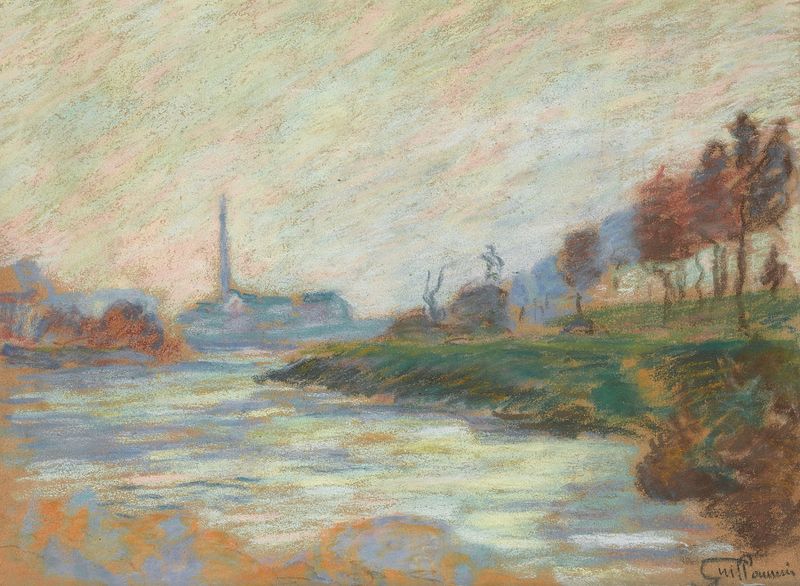
Confluent De La Marne Et De La Seine, Île De La France
Armand Guillaumin

Le Ravin de la folie, vue de Chateau Crozant
Armand Guillaumin
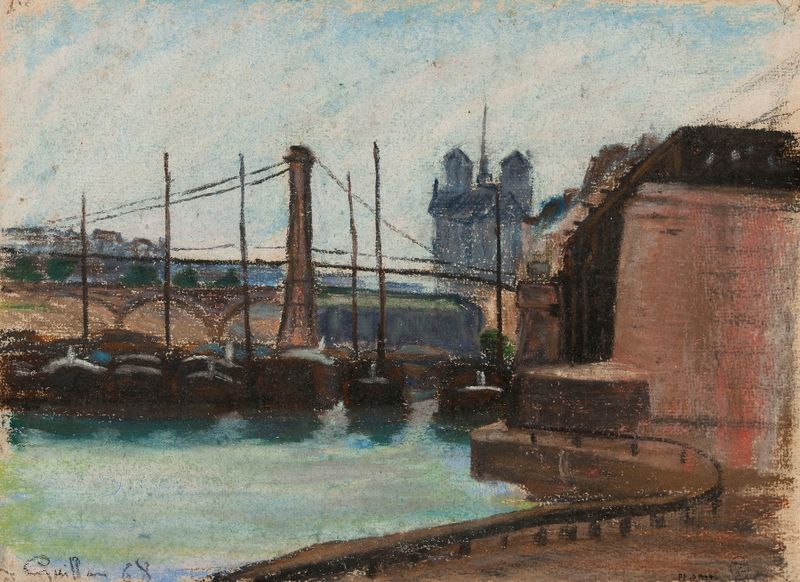
Le Pont d’Austerlitz
Armand Guillaumin

Paysage de Printemps
Armand Guillaumin
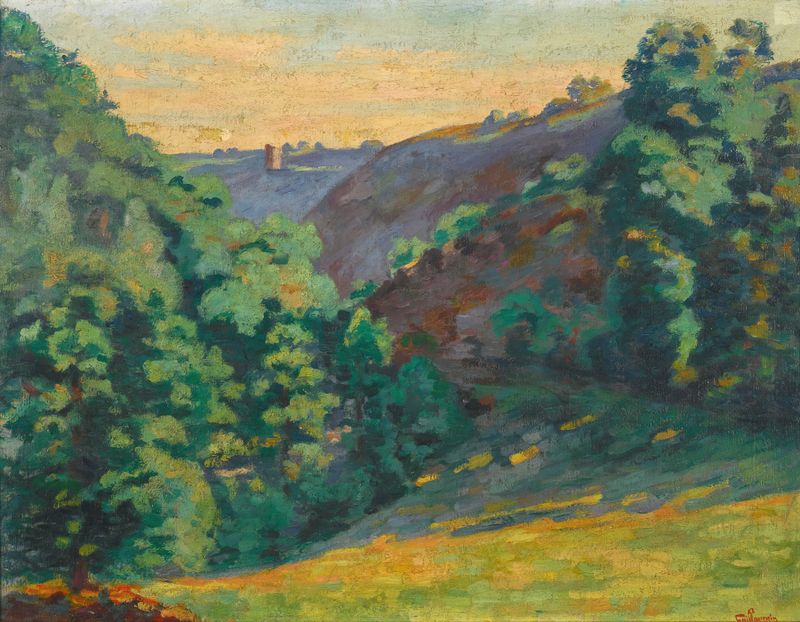
Crozant, Le Ravin De La Sedelle À La Folie
Armand Guillaumin
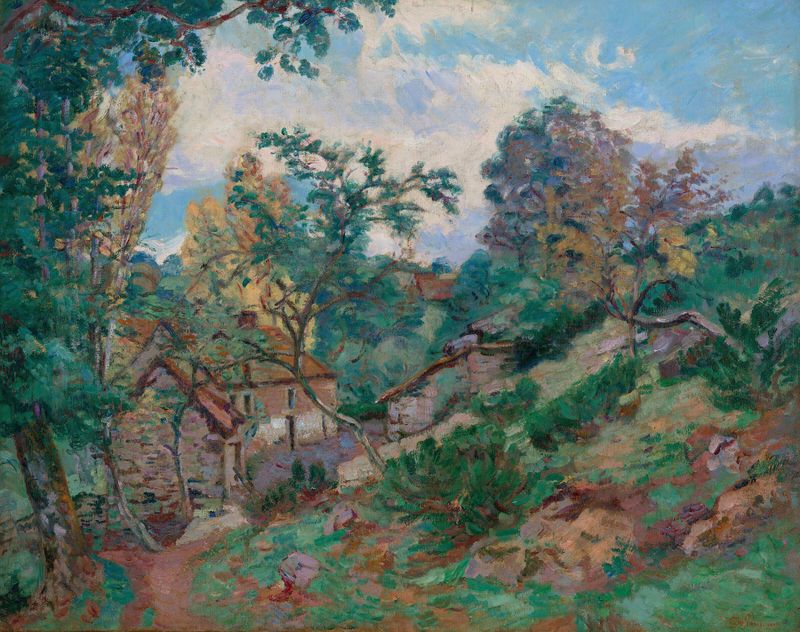
Paysage
Armand Guillaumin

La vallée de la creuse
Armand Guillaumin

L’Eglise Saint-Sulpice, Paris
Armand Guillaumin





