
Damme — History & Facts
This notion echoes through the textures and hues of a luminous landscape, where betrayal lies beneath the surface of serene beauty. Focus on the golden glow cradling the river's edge, with the light dancing upon the water's surface, inviting your gaze to follow its winding path. Notice how the soft, rich greens of the trees blend seamlessly into the sky, painted in delicate pastels. The brushwork exemplifies a masterful command of impressionism, each stroke capturing the fleeting essence of light while hinting at deeper emotions lurking in the shadows of this tranquil scene. As you delve deeper into the painting, the tranquil reflections betray an underlying tension.
The harmonious colors suggest a calm setting, yet the winding river symbolizes the unpredictable nature of life and the hidden currents of betrayal. The juxtaposition of vibrant beauty against the serene landscape speaks to the complexity of human relationships, where trust can be as fleeting as sunlight slipping away at dusk. In 1907, David Young Cameron painted Damme during a period marked by a growing interest in the fusion of impressionism and realism in Britain. Living and working in the lush surroundings of Scotland, he was part of a movement that sought to capture the nuances of light and atmosphere, which echoed the emotional landscapes of his time.
Amidst this artistic evolution, the work reflects both personal and cultural narratives of beauty, trust, and the often painful truths that lie beneath the surface.
More Artworks by David Young Cameron
Browse all →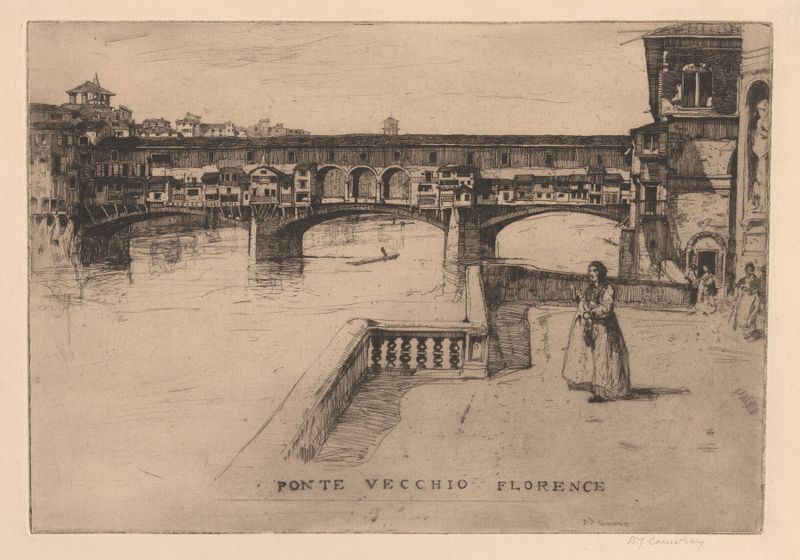
Ponte Vecchio
David Young Cameron

The Deanery, Winchester
David Young Cameron
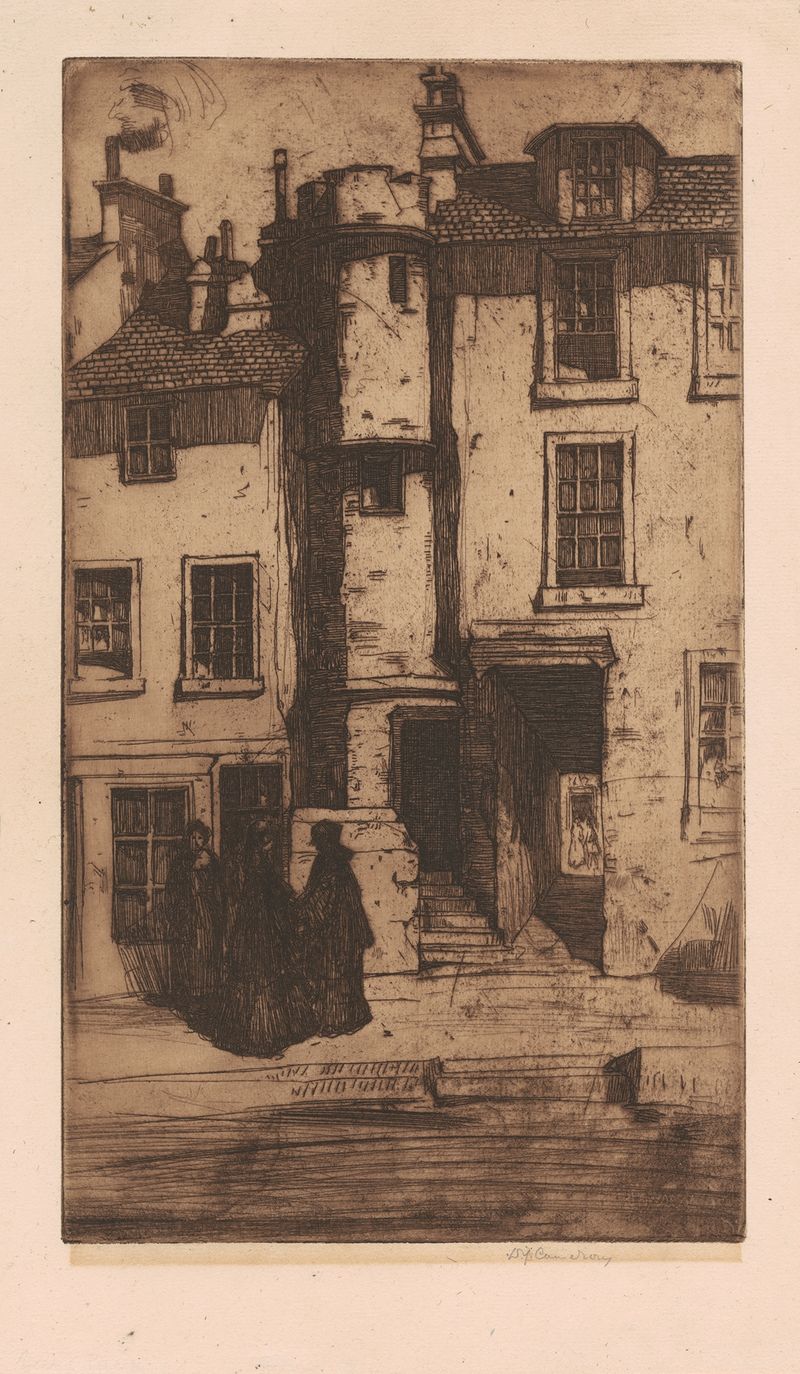
Old Houses, Stirling
David Young Cameron
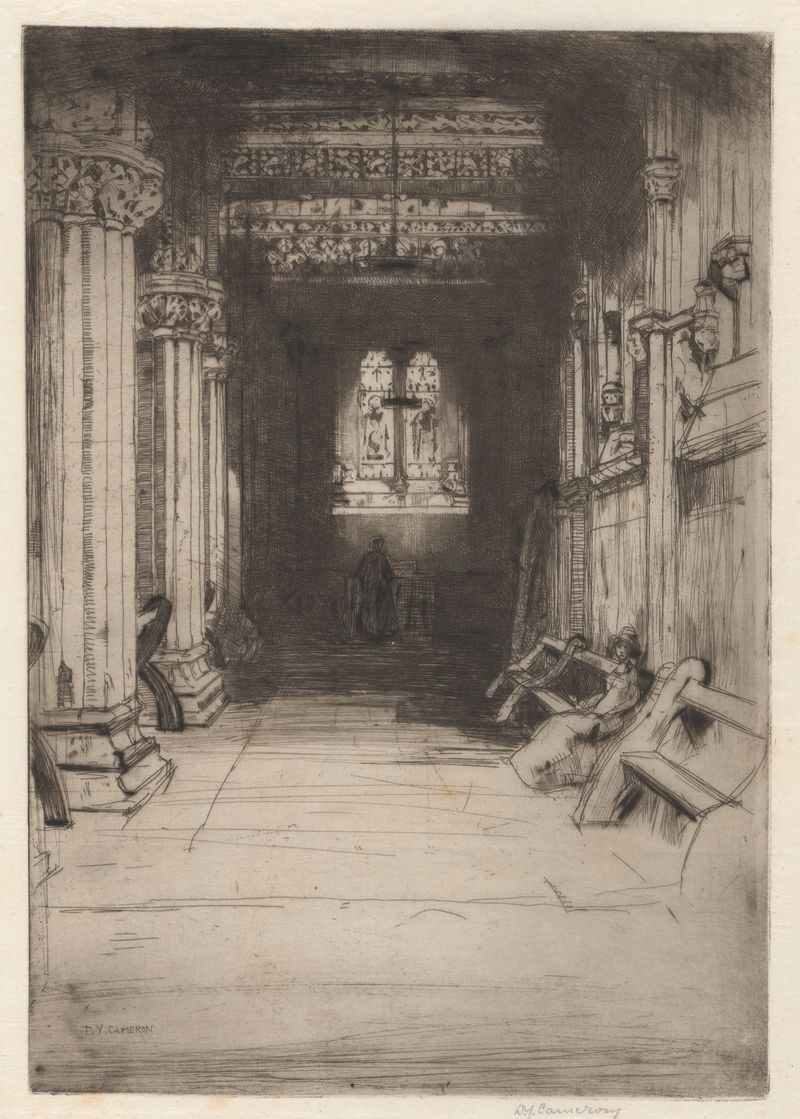
Rosslyn Chapel
David Young Cameron

The Old Museum, Beauvais
David Young Cameron
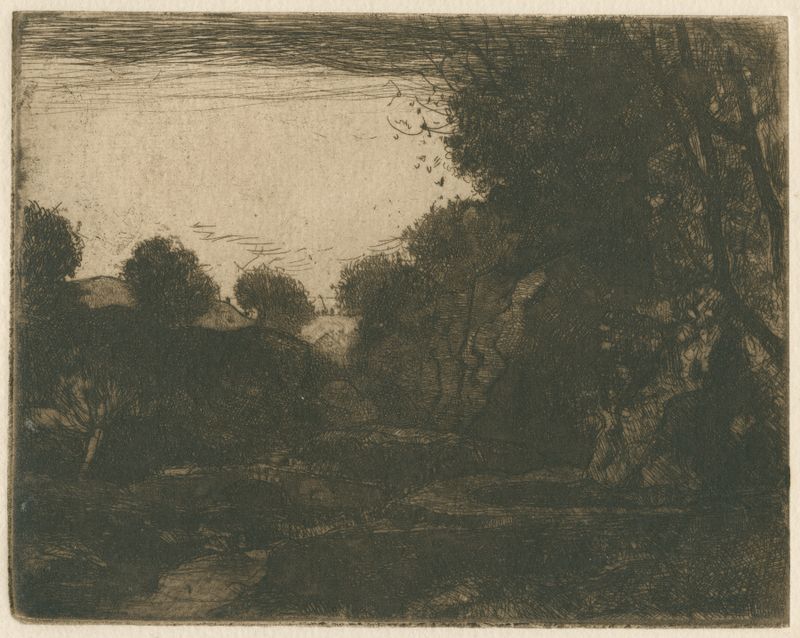
On the Bradford
David Young Cameron

The Smithy
David Young Cameron
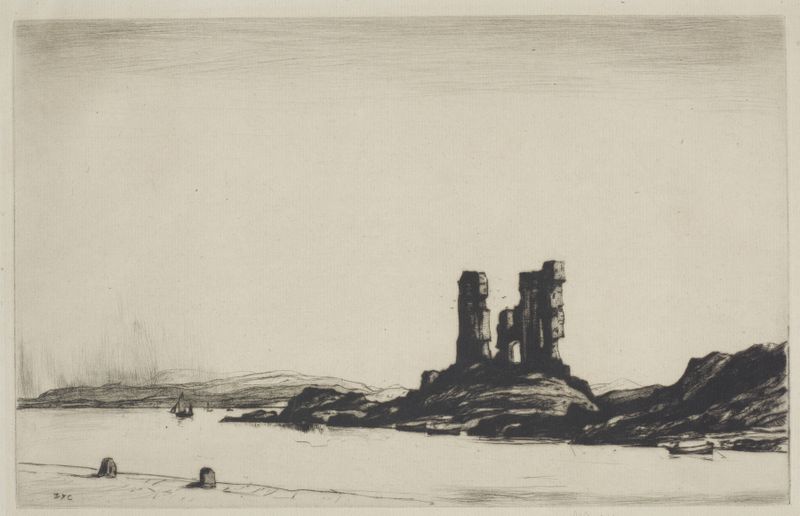
Castle Moyle
David Young Cameron
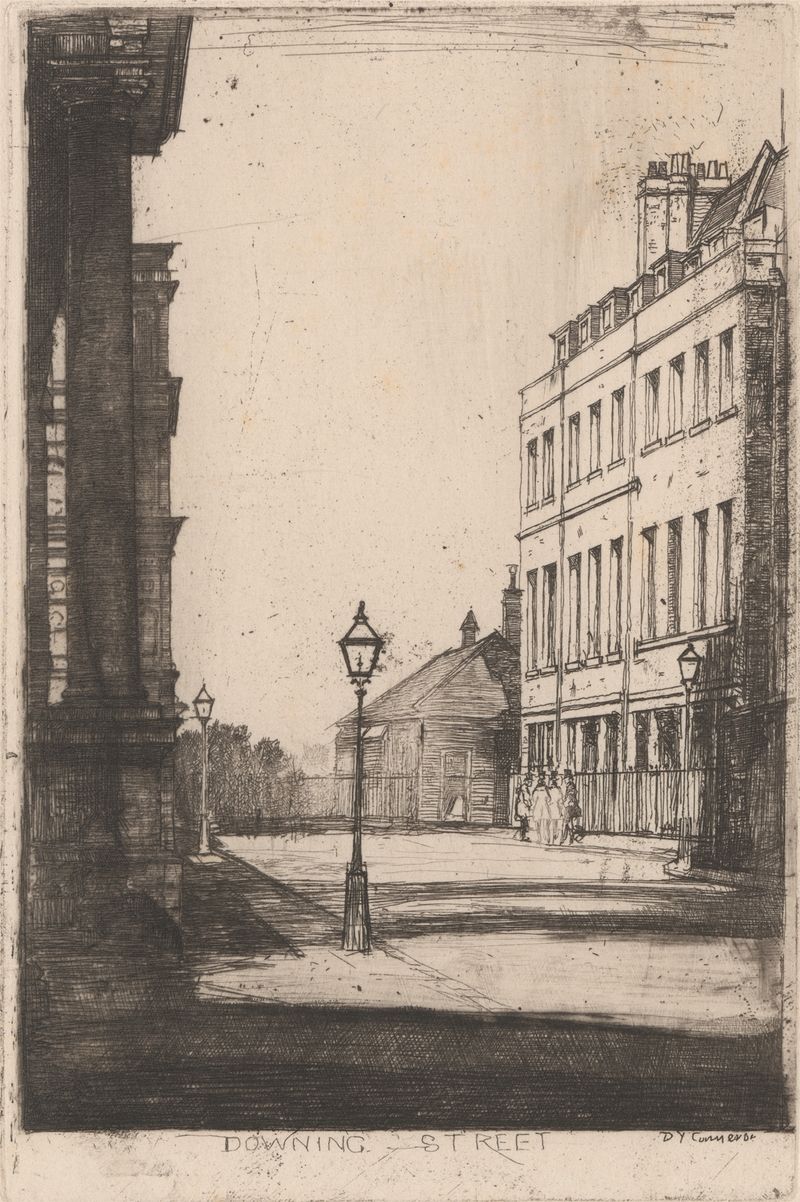
Downing Street
David Young Cameron

Glasgow Cathedral
David Young Cameron





