
Danger — History & Facts
What first catches the eye in Danger by Eugène Grasset is the tension between innocence and threat: a golden-haired woman in a flowing red dress bends delicately among blooming flowers, while the sharp-toothed snarl of a black wolf emerges from the shadows behind her. The woman’s gaze drifts away, lost in thought or perhaps unaware of the peril at her heels, her posture caught mid-step as if she might wander further into danger at any moment. Grasset’s lines are crisp and stylized, the palette boldly limited—coral, sage, and midnight blue—each color chosen to heighten the sense of both beauty and unease.
The swirling patterns on her dress echo the curves of her hair and the wind in the sky, drawing the viewer’s eye in looping paths that always circle back to the lurking beast. This is a picture that asks us to linger, to notice the way the flowers crowd around her feet, the way the wolf’s eyes glint with cunning, and to wonder what story is unfolding in this charged pause. Created in 1897, this work belongs to the moment when Art Nouveau was reshaping the visual world of Paris, and Eugène Grasset was one of its key figures. Decorative panels like this were not just art for art’s sake—they were made for publishers, for the walls of stylish homes, for the covers of books and magazines, and even as advertisements, blending beauty with everyday life.
The Bibliothèque nationale de France holds this particular piece, a testament to how such images were valued as both decoration and cultural artifact. The world that produced Danger was one of rapid change—urban growth, new technologies, and a hunger for visual pleasure that artists like Grasset satisfied with their sinuous lines and symbolic scenes. Look again at the woman’s dreamy face and the wolf’s bared teeth, and you’ll feel the pulse of that era’s fascination with both enchantment and peril.
More Artworks by Eugène Grasset

Samuel Eviradnus 237 Maison de Victor Hugo
Eugène Grasset
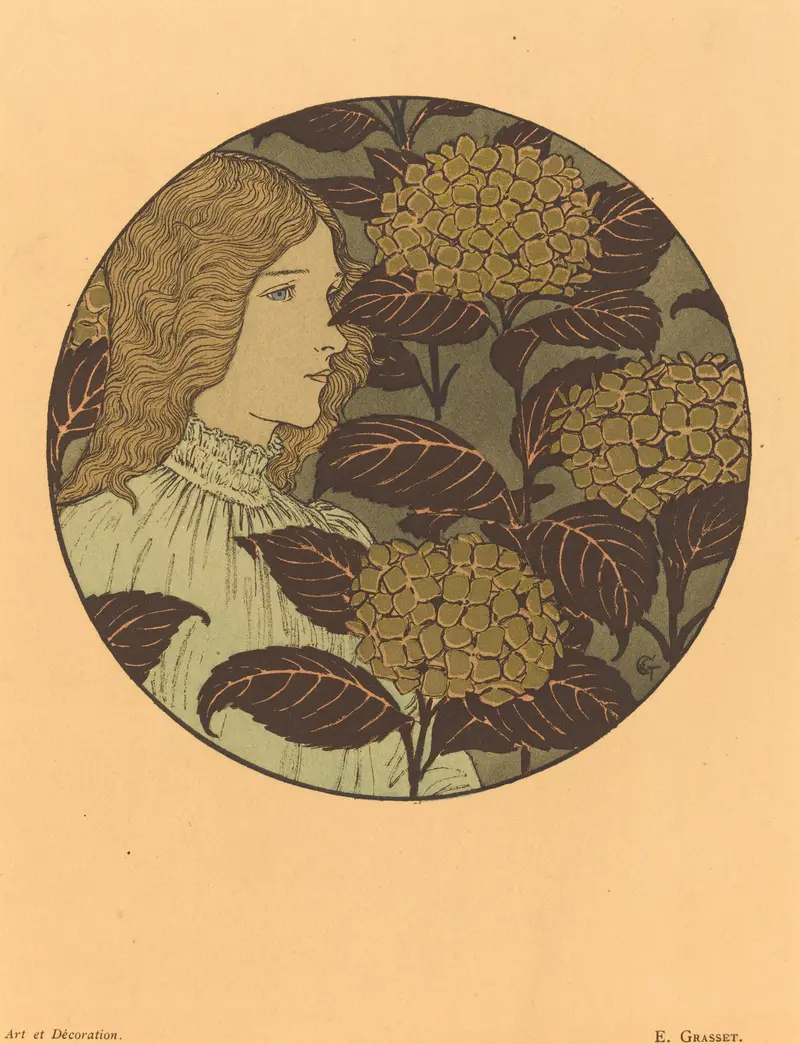
Portrait of a Girl (Roundel)
Eugène Grasset
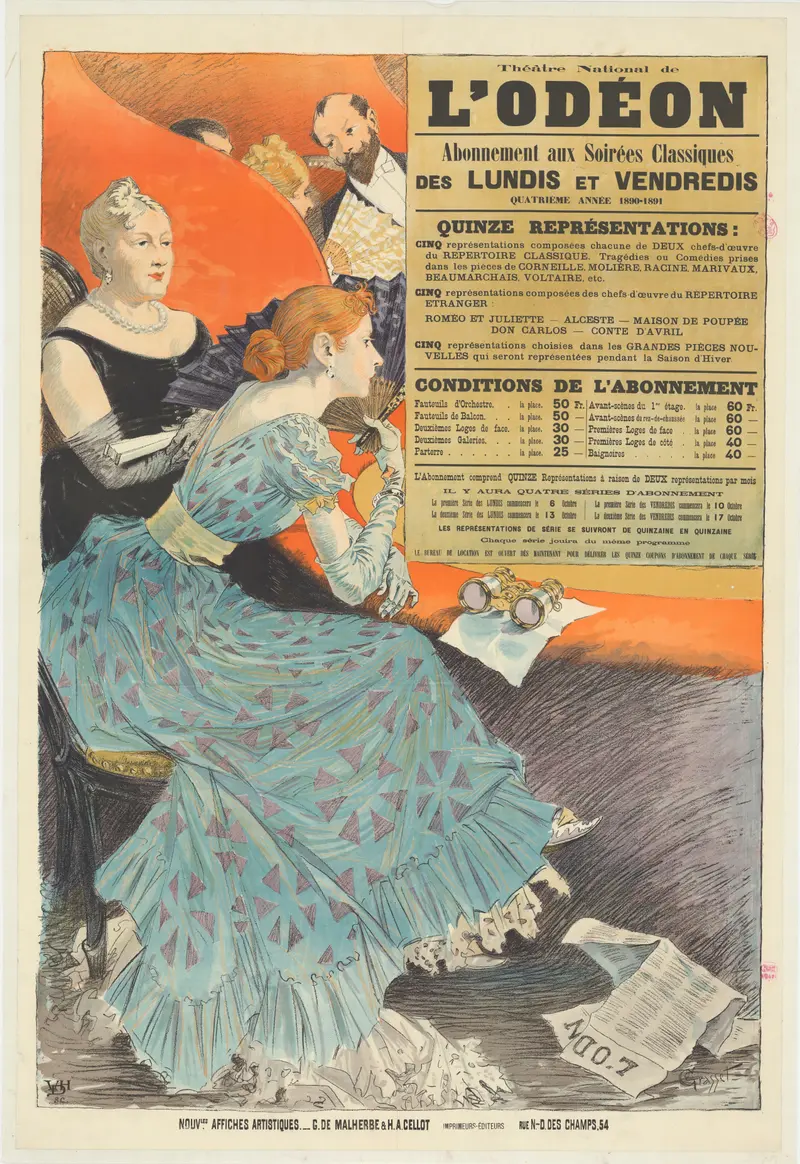
Théâtre National de l'Odéon
Eugène Grasset
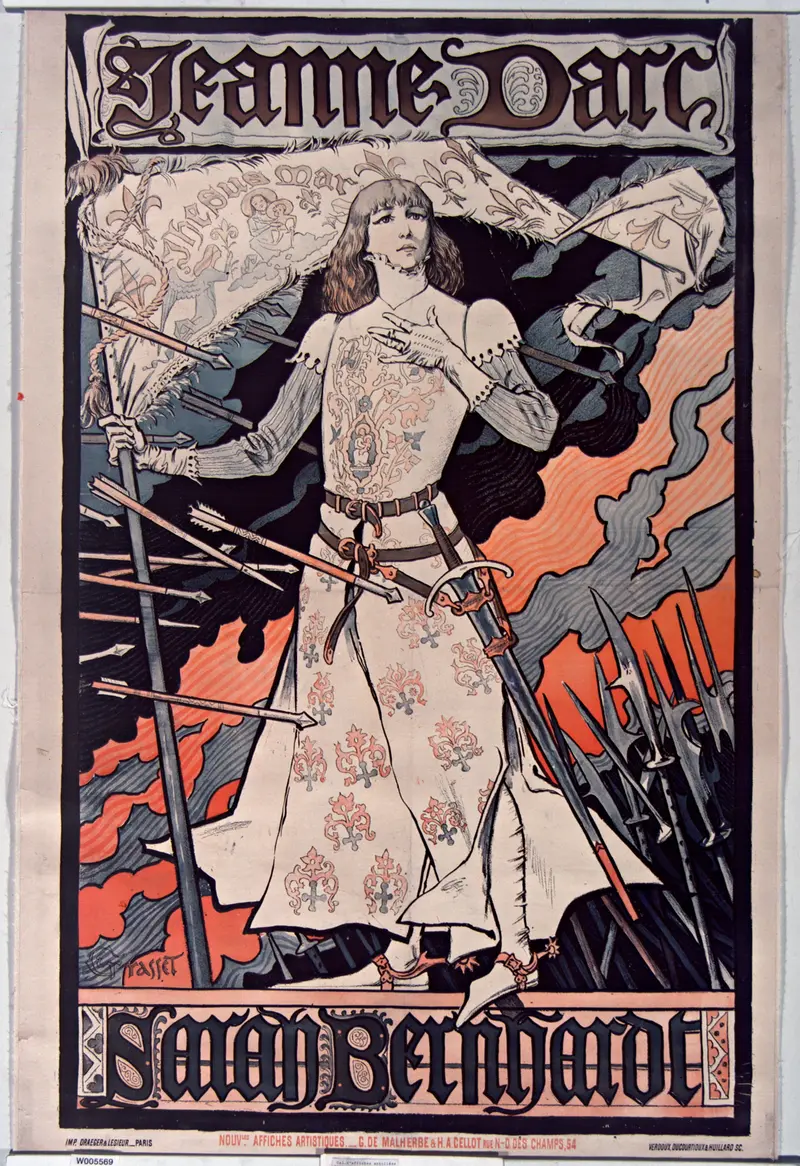
Jeanne d'Arc – Sarah Bernhardt
Eugène Grasset
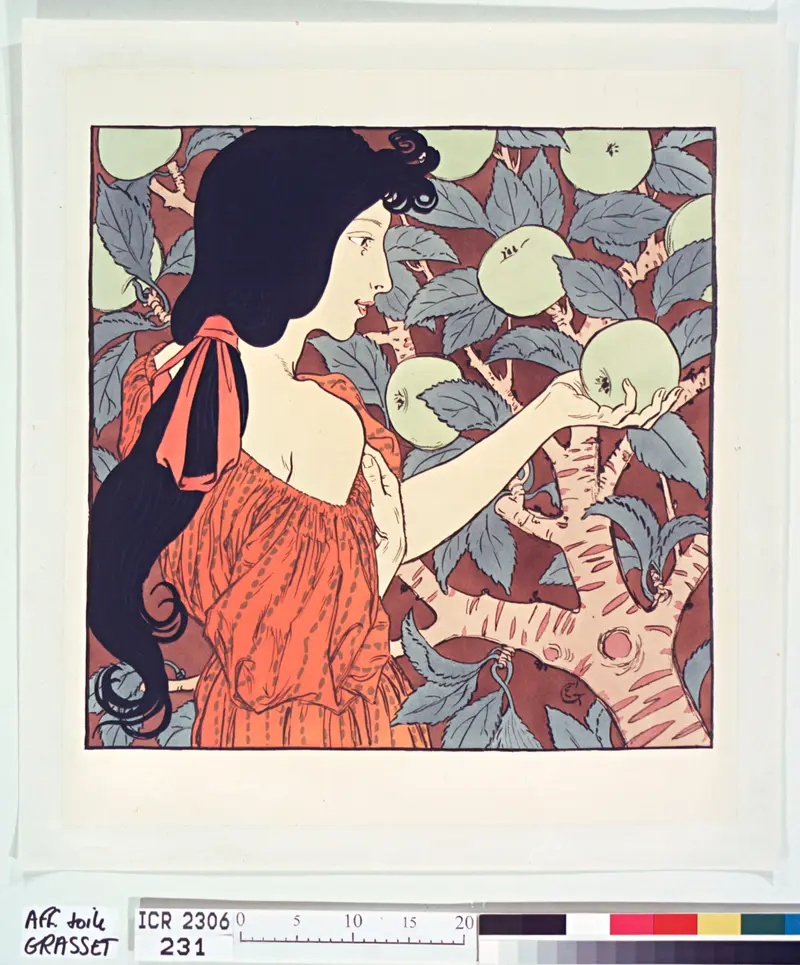
Tentation
Eugène Grasset
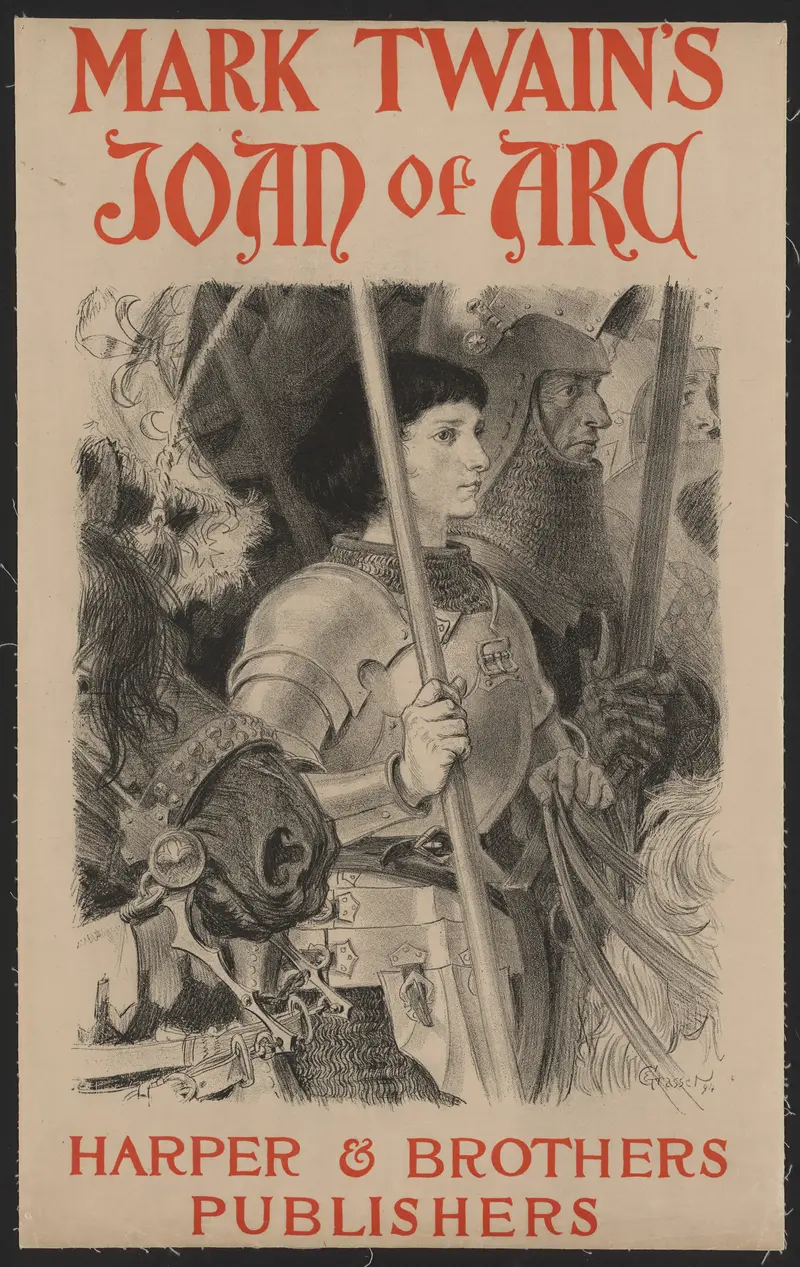
Mark Twain's Joan of Arc
Eugène Grasset
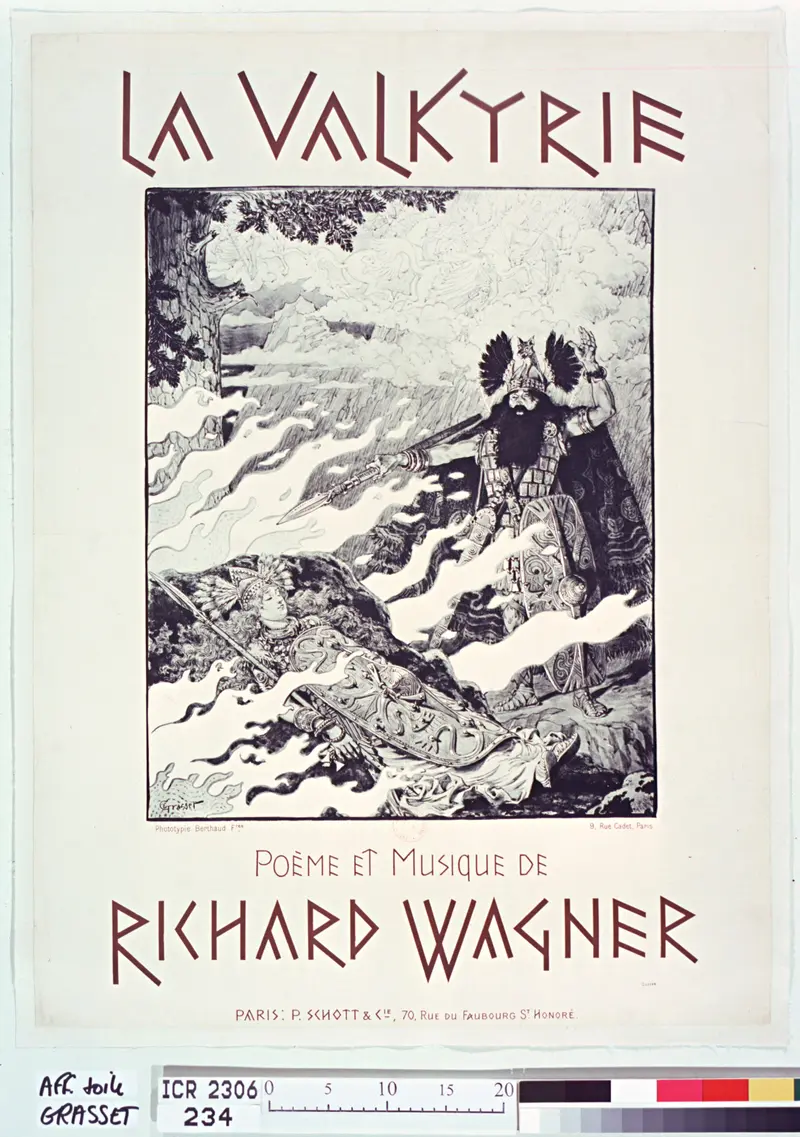
La Walkyrie
Eugène Grasset
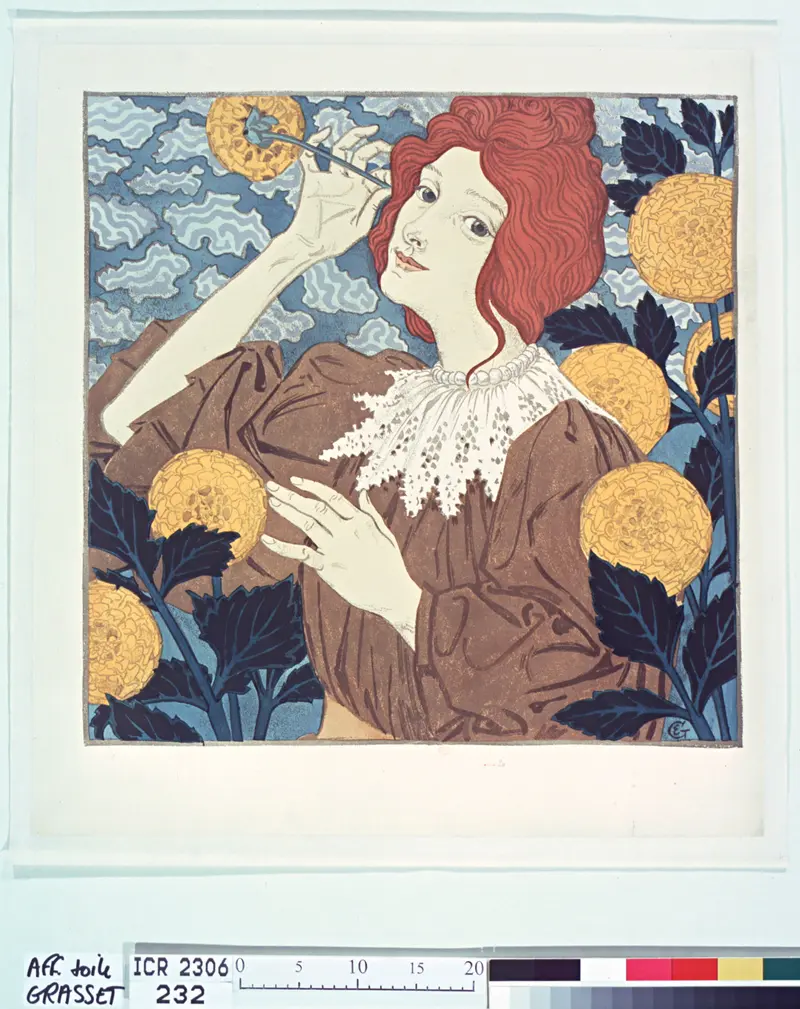
Coquetterie
Eugène Grasset
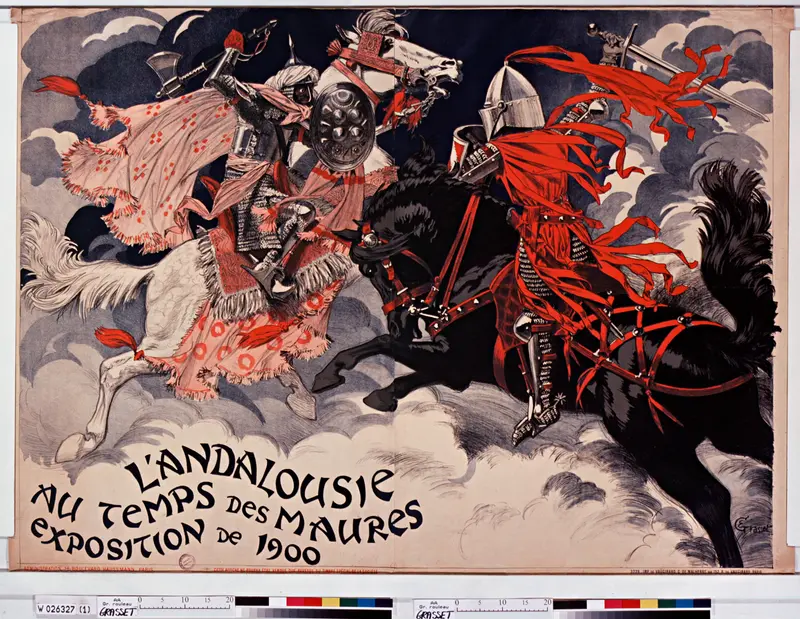
L'Andalousie au temps des Maures
Eugène Grasset
La Grande Dame
Eugène Grasset





