
Danube at Walhalla — History & Facts
What if silence could speak through light? In Danube at Walhalla, the soft hues of dawn whisper secrets of tranquility and balance, inviting viewers into a serene moment suspended in time. Look to the center of the canvas, where the tranquil waters mirror the gentle arc of the sky, painted in soft pastels. Notice how the light falls upon the surface, creating a shimmering interplay that dances between the ethereal and the tangible. The distant silhouette of Walhalla stands majestically on the horizon, framed by lush greenery, suggesting a connection between nature and human artistry.
The composition balances these elements—water, land, and architecture—each harmoniously intertwined, evoking a sense of peaceful coexistence. Beneath the surface tranquility lies a profound emotional tension; the calm waters symbolize stillness, while the monumental structure reminds us of human ambition. The interplay of light and shadow elevates the scene, hinting at the transitory nature of existence. Each brushstroke speaks to the delicate balance between man and nature, inviting contemplation on the impermanence of beauty and the enduring strength of heritage. In 1879, Otto Henry Bacher painted this work while residing in Europe, immersed in a world where Impressionism began to flourish.
It was a time of artistic exploration and innovation, as artists sought to capture light and atmosphere in new ways. Bacher's experiences and observations during his travels shaped this piece, reflecting both his admiration for classical forms and an appreciation for the ephemeral beauty of the natural landscape.
More Artworks by Otto Henry Bacher
Browse all →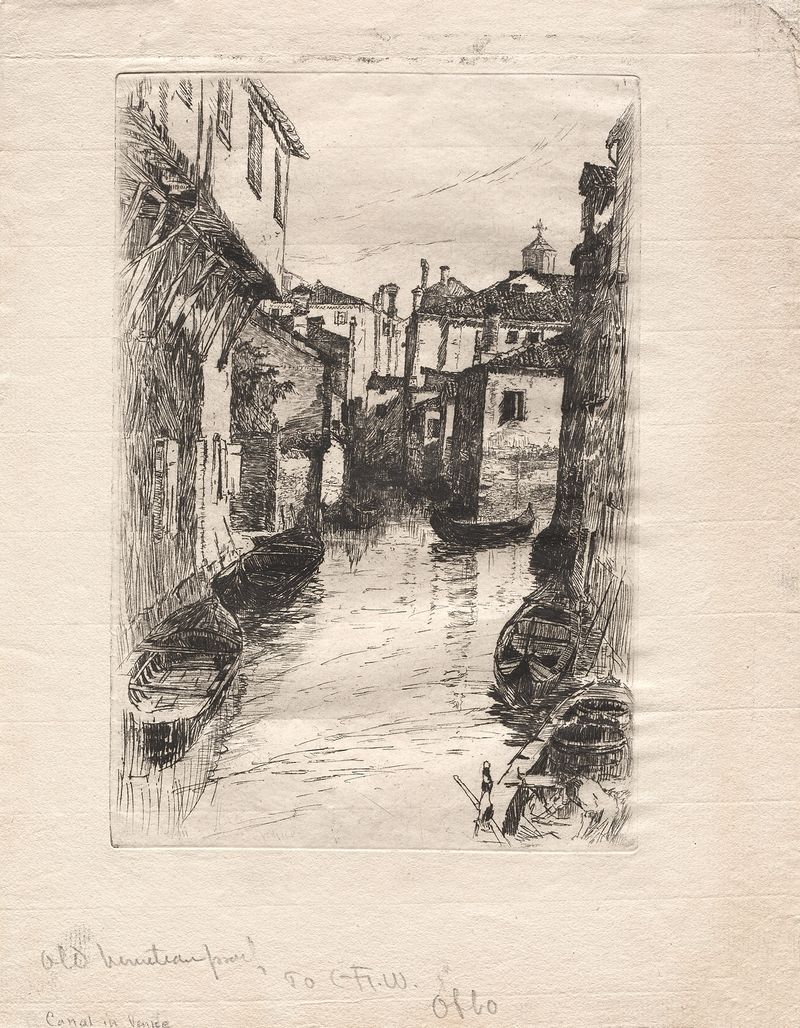
Canal in Venice
Otto Henry Bacher
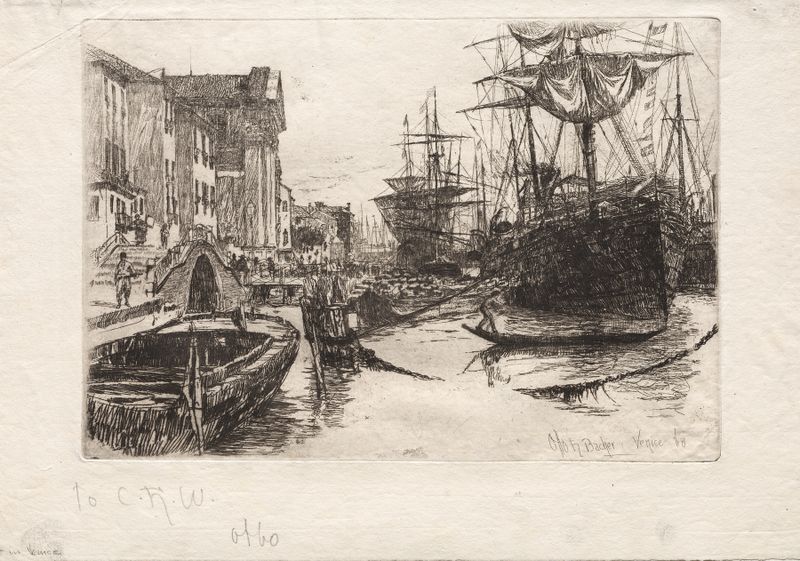
View in Venice
Otto Henry Bacher
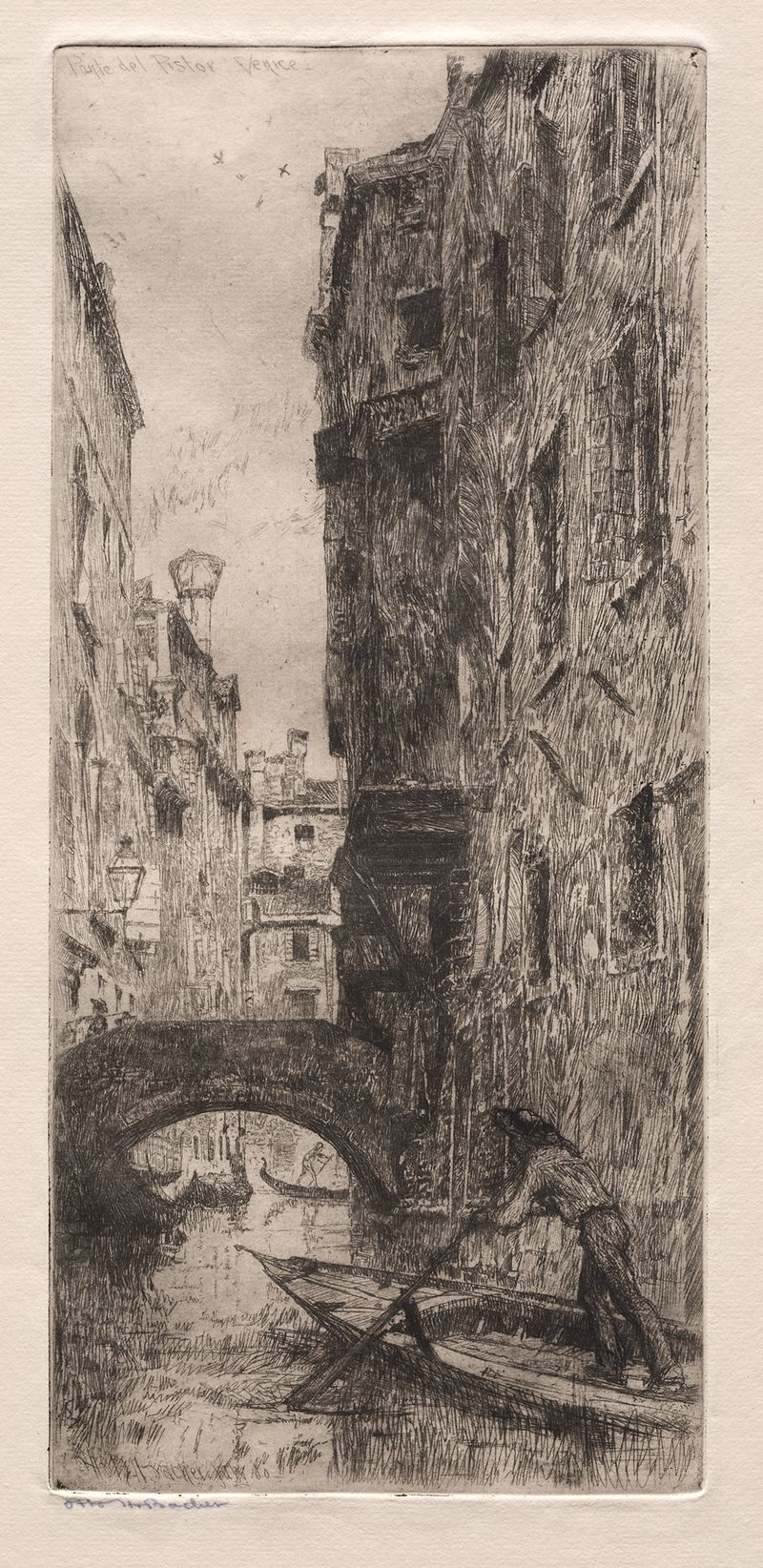
Ponte del Pistor, Venice
Otto Henry Bacher
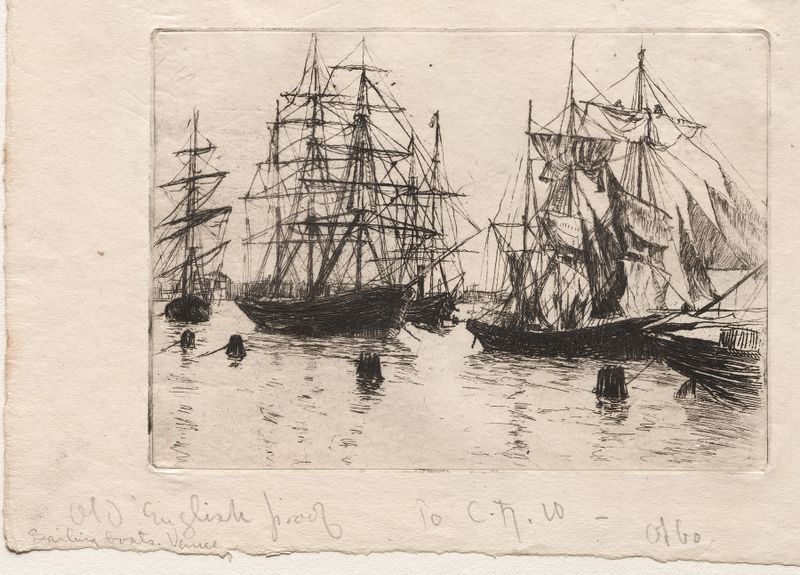
Sailing Boats, Venice
Otto Henry Bacher
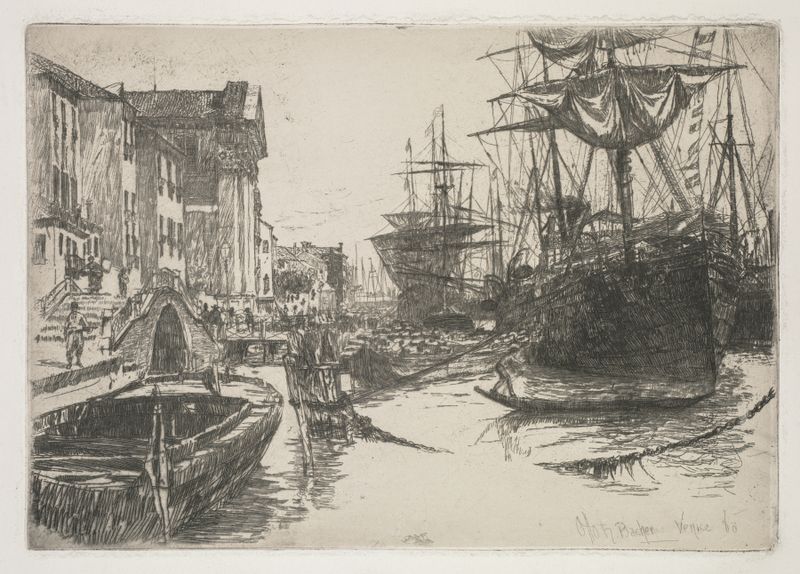
Fondamenta della Zattere
Otto Henry Bacher
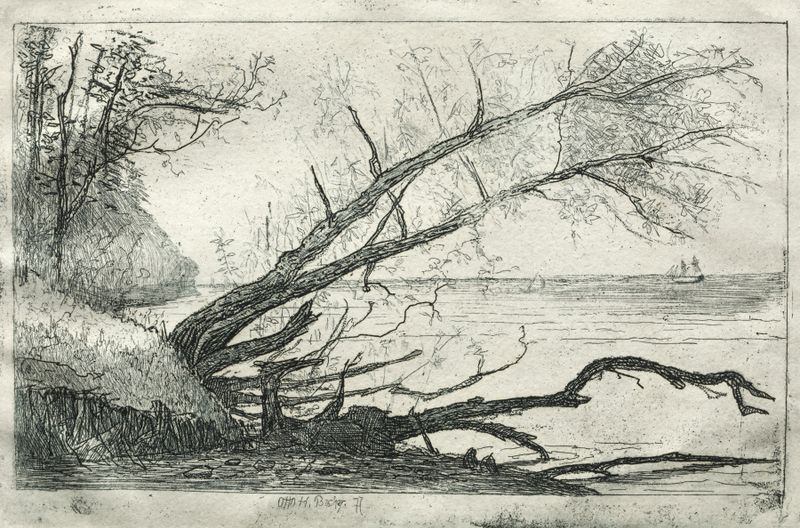
Old Sycamore
Otto Henry Bacher
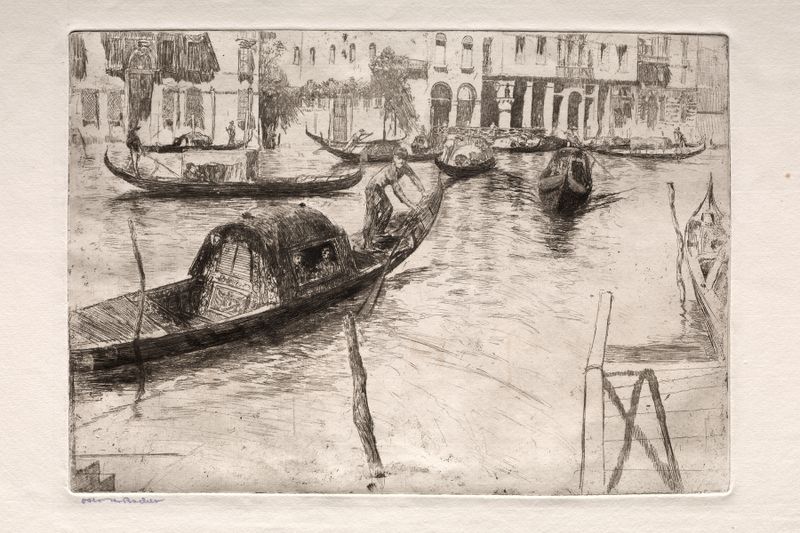
Traghetto San Felice
Otto Henry Bacher
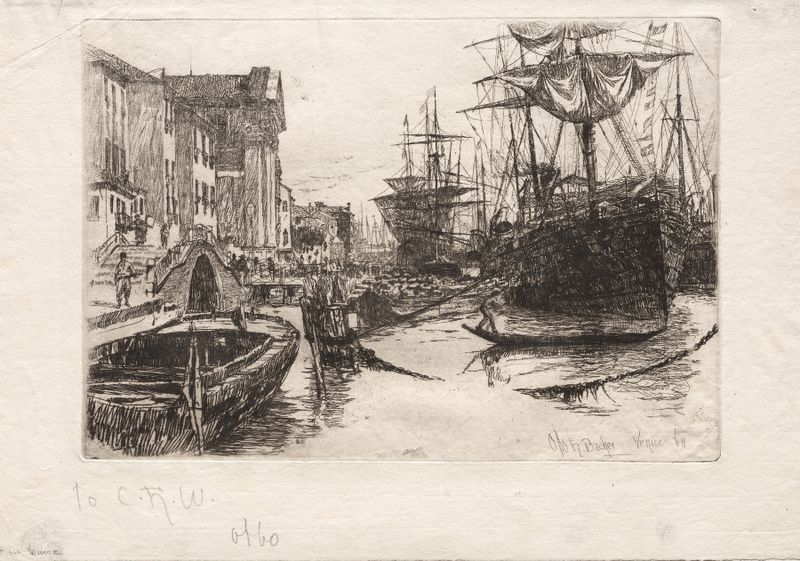
View in Venice
Otto Henry Bacher
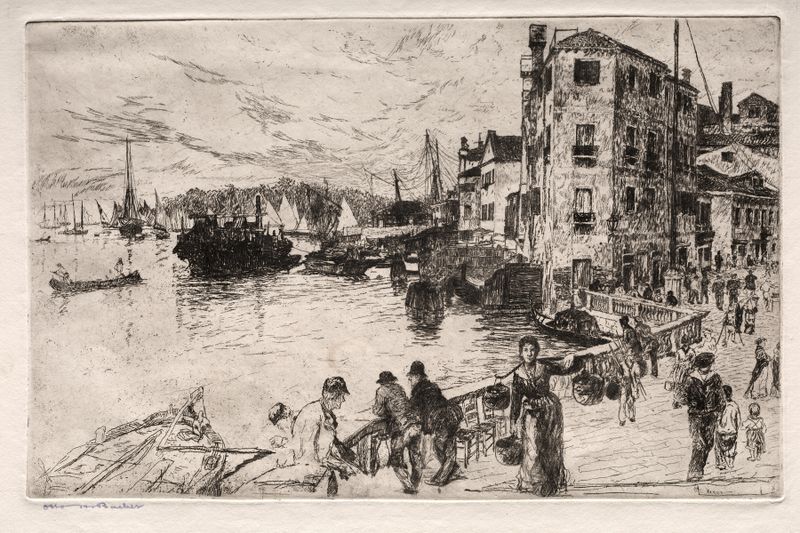
Castello Quarters, Riva
Otto Henry Bacher
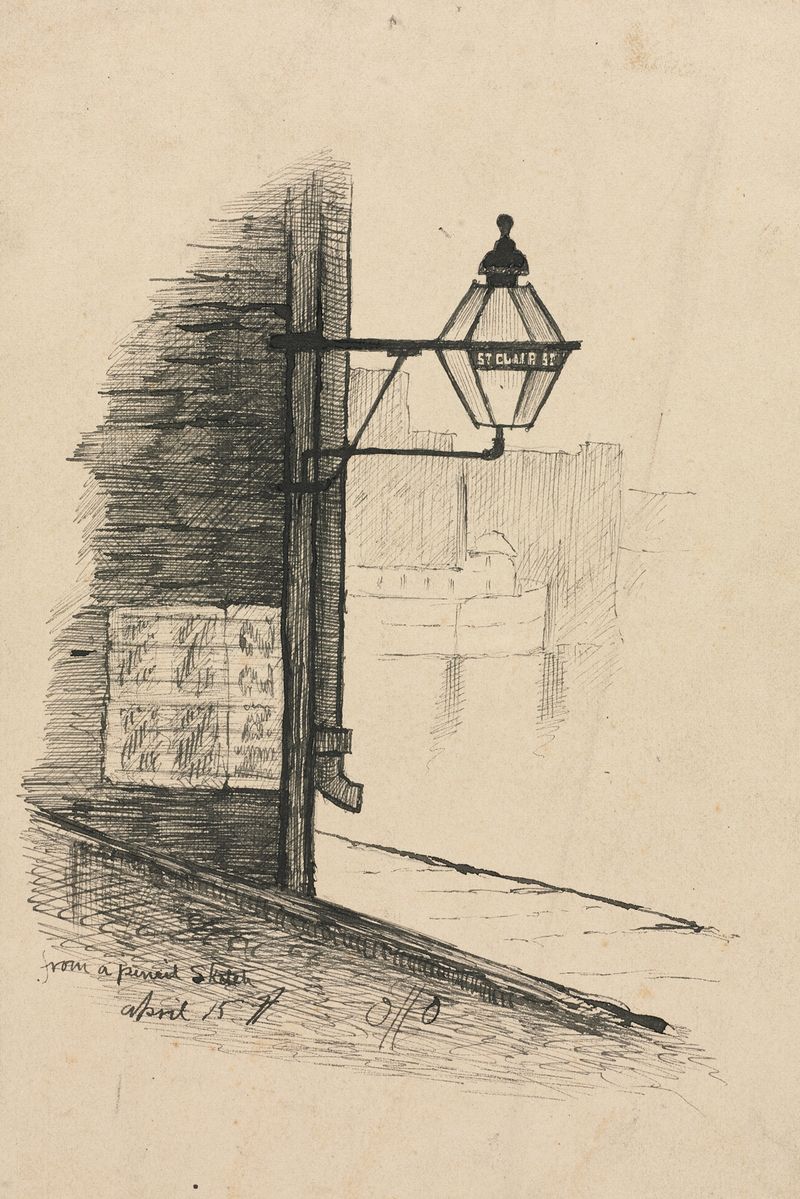
St. Clair Street, Cleveland
Otto Henry Bacher





