
Danube at Walhalla — History & Facts
In the stillness of Danube at Walhalla, the essence of silence unfolds—a moment captured, inviting introspection amidst nature's embrace. Look to the left, where the tranquil river meanders gently, reflecting the soft hues of dawn’s light. Notice the delicate interplay of blues and greens, where the water and foliage converge, creating a harmonious balance. The brushwork is both precise and fluid, lending a sense of movement to the landscape while anchoring the viewer to the serene stillness of the scene.
The distant silhouette of the Walhalla monument stands regal against the pale sky, a testament to human aspiration intertwined with the natural beauty surrounding it. As you explore further, subtle details emerge: the shimmer of the river contrasts with the dark shadows cast by the trees, evoking a sense of duality between serenity and the weight of history. The quietness is palpable, yet it holds a tension—the monument, a beacon of remembrance, reminds us of the lives and stories woven into the fabric of this landscape. Here, nature and humanity coexist in a fragile equilibrium, each whispering echoes of their separate yet intertwined narratives. Otto Henry Bacher painted this work in 1879 while living in Europe, a period marked by a blend of romanticism and burgeoning impressionism.
His travels and experiences during this time influenced his artistic perspective, as he sought to capture the essence of the landscapes he encountered. The world was shifting, with new artistic movements emerging, and Bacher found himself at a crossroads, striving to depict the beauty and transient nature of the scenes that captivated him.
More Artworks by Otto Henry Bacher
Browse all →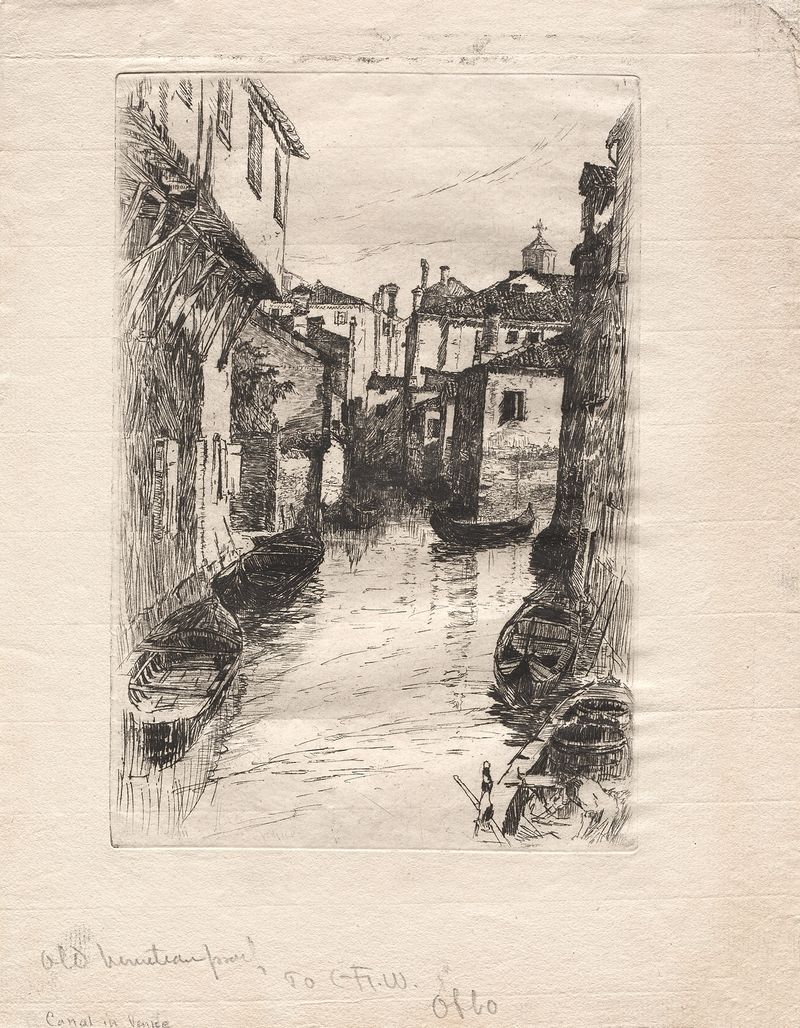
Canal in Venice
Otto Henry Bacher
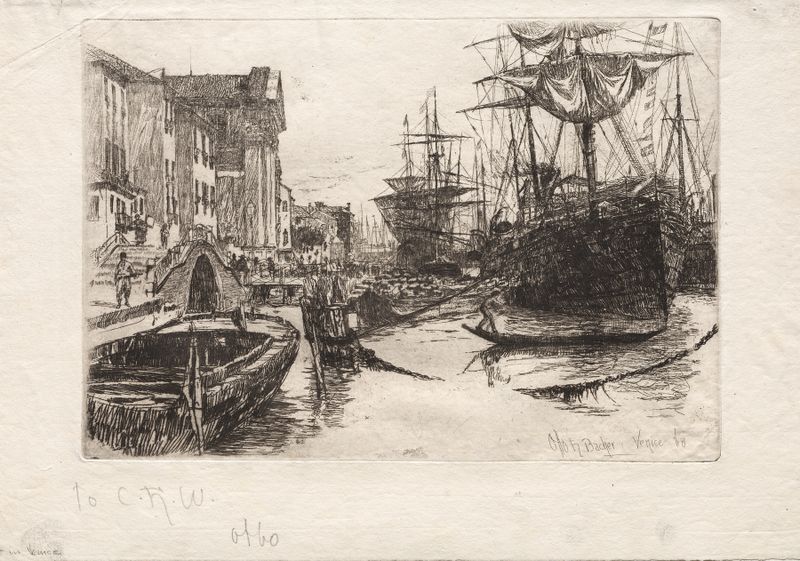
View in Venice
Otto Henry Bacher
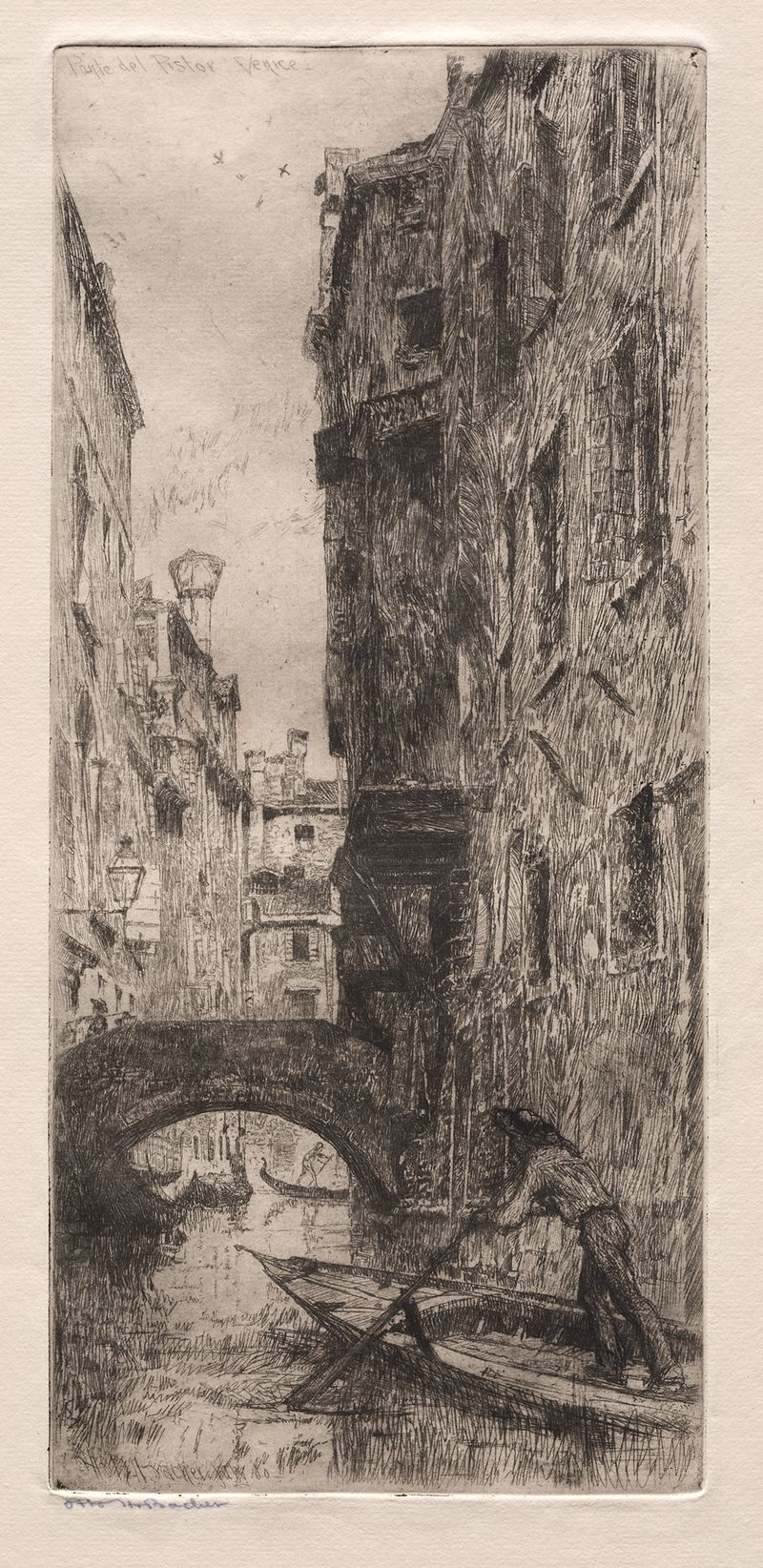
Ponte del Pistor, Venice
Otto Henry Bacher
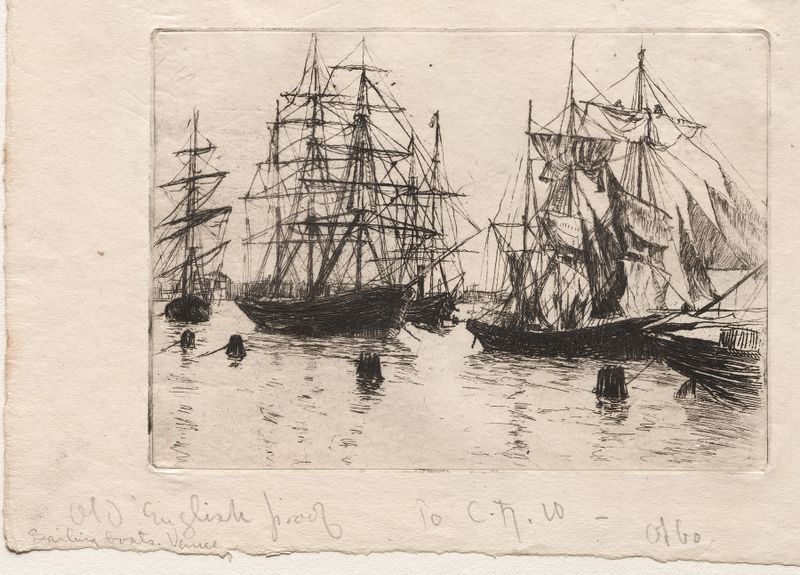
Sailing Boats, Venice
Otto Henry Bacher
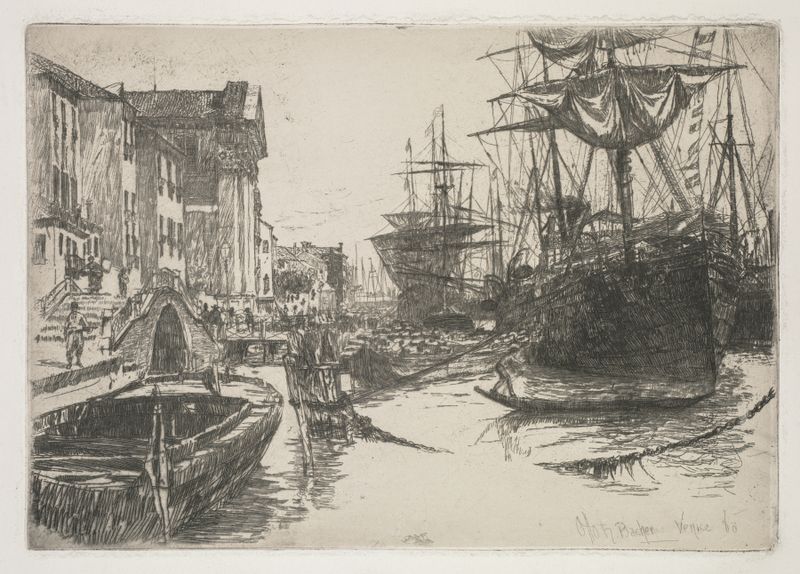
Fondamenta della Zattere
Otto Henry Bacher
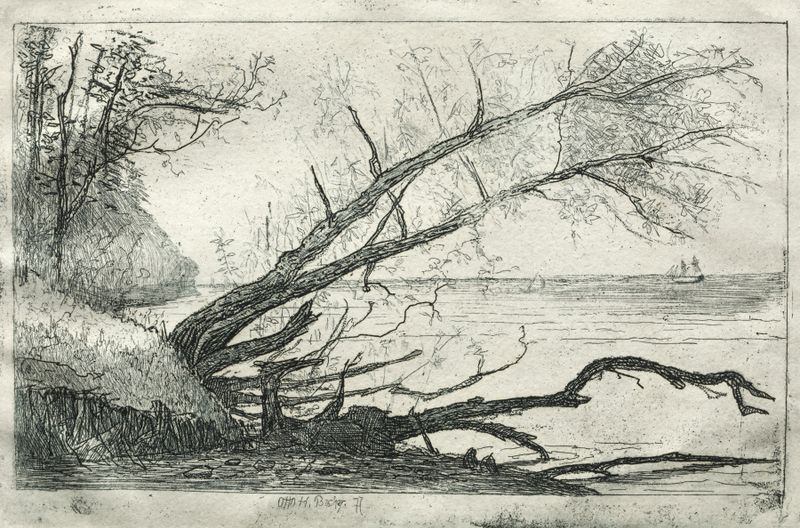
Old Sycamore
Otto Henry Bacher
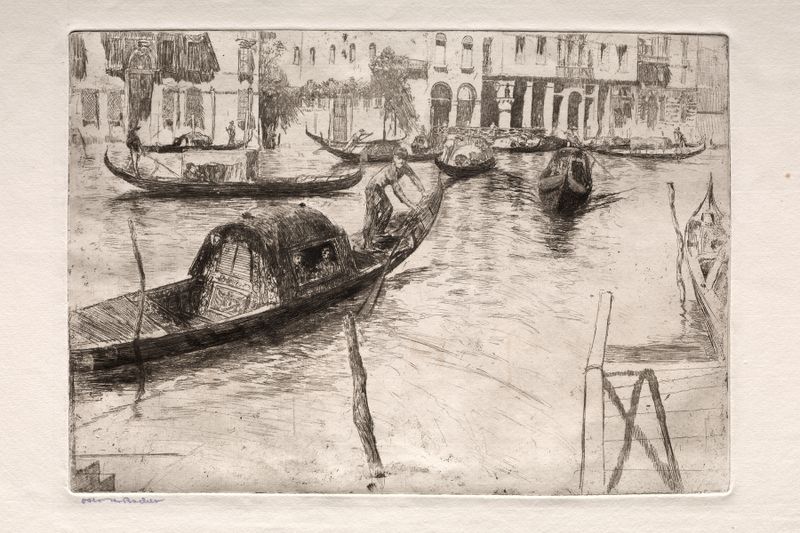
Traghetto San Felice
Otto Henry Bacher
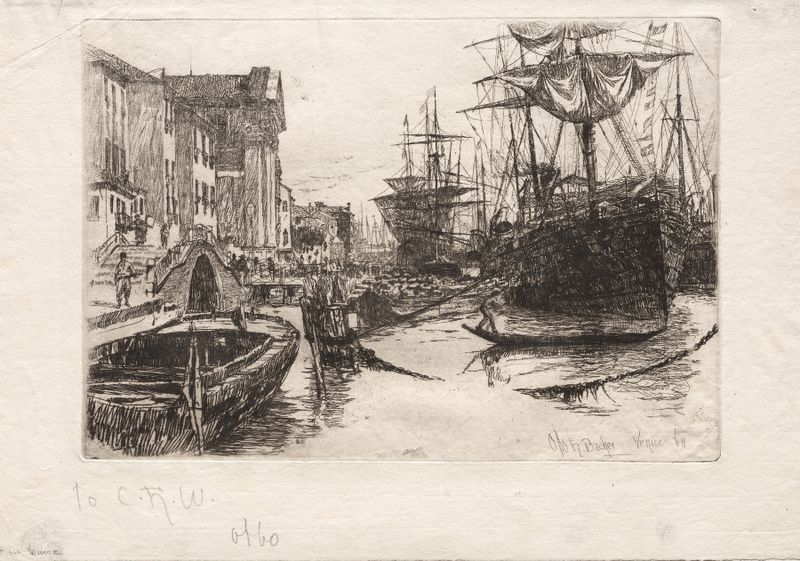
View in Venice
Otto Henry Bacher
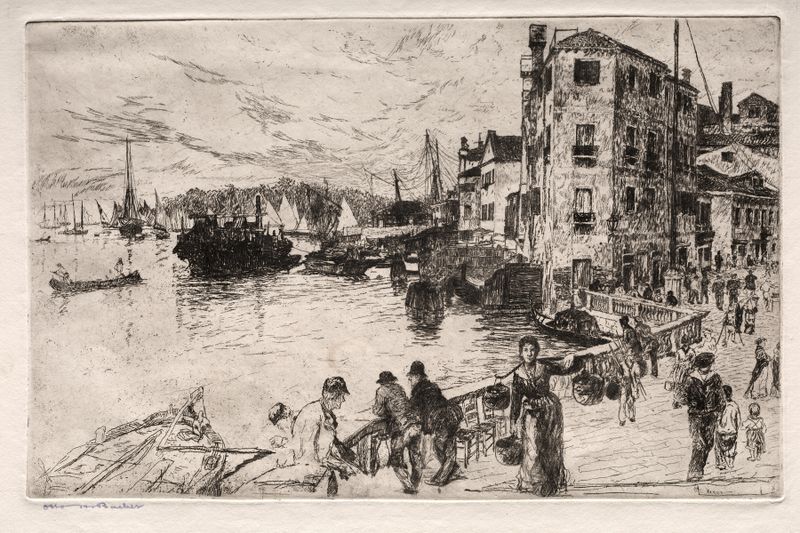
Castello Quarters, Riva
Otto Henry Bacher
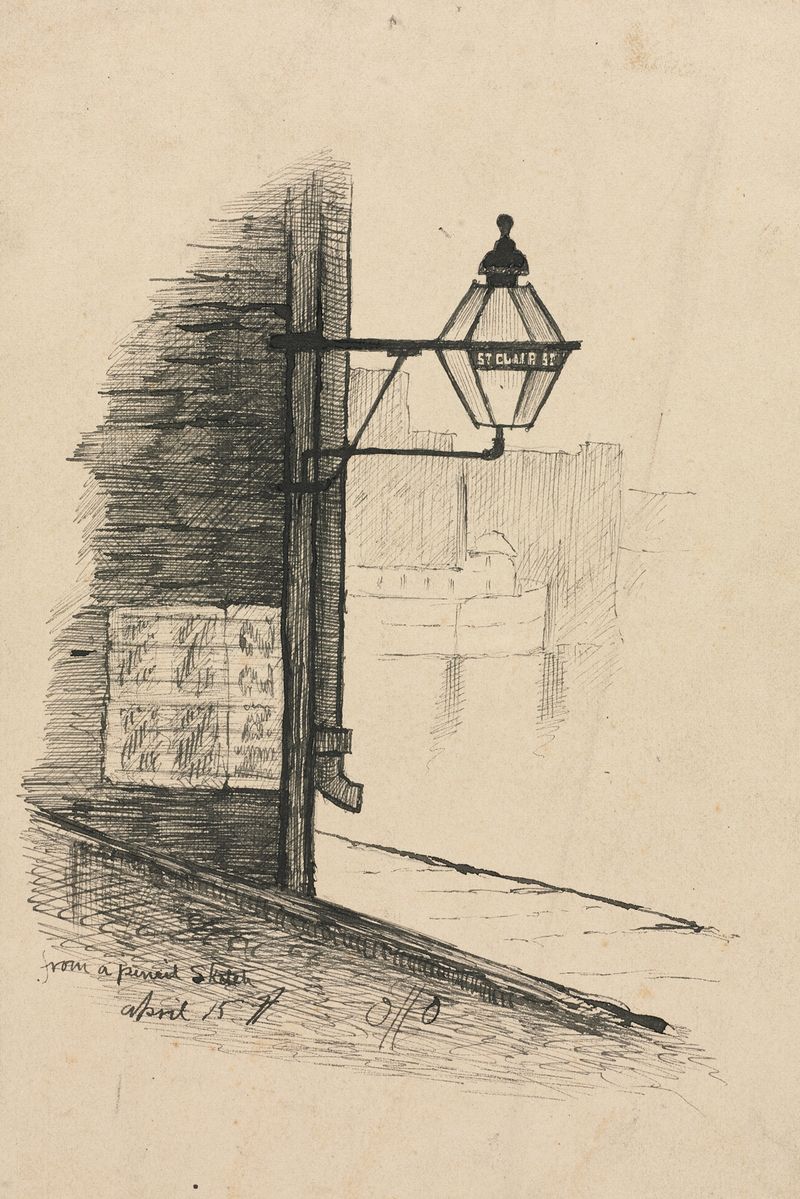
St. Clair Street, Cleveland
Otto Henry Bacher





