
Dartmouth — History & Facts
What if silence could speak through light? It whispers through the canvas, revealing a legacy that transcends time and space. Begin by directing your gaze to the subtle interplay of hues. Look closely at the soft blues and greens that envelop the landscape, where the horizon melts into an ethereal mist. Notice how the light dances gently on the water’s surface, creating a shimmering path, inviting the viewer to journey into its depths.
The serenity of the scene is punctuated by delicate brushstrokes, which define the trees and distant hills — each element imbued with a sense of quietude. As you delve deeper, consider the emotional tension embedded in the tranquil beauty. The stillness of the water contrasts with the hidden currents of human experience that lie beneath. This painting may evoke nostalgia, a longing for connection to nature, and reminders of fleeting moments.
The light does not merely illuminate; it carries whispers of stories untold, inviting contemplation on the impermanence of life and the legacies we leave behind. William Collins created this piece during the early to mid-19th century, a period marked by the rise of Romanticism in British art. Living in a time when industrialization rapidly changed the landscape, he sought refuge and inspiration in the beauty of nature. The harmonious balance of light and shadow in Dartmouth reflects his deep appreciation for the natural world, showcasing a moment of stillness against the backdrop of a society in constant flux.
More Artworks by William Collins
Browse all →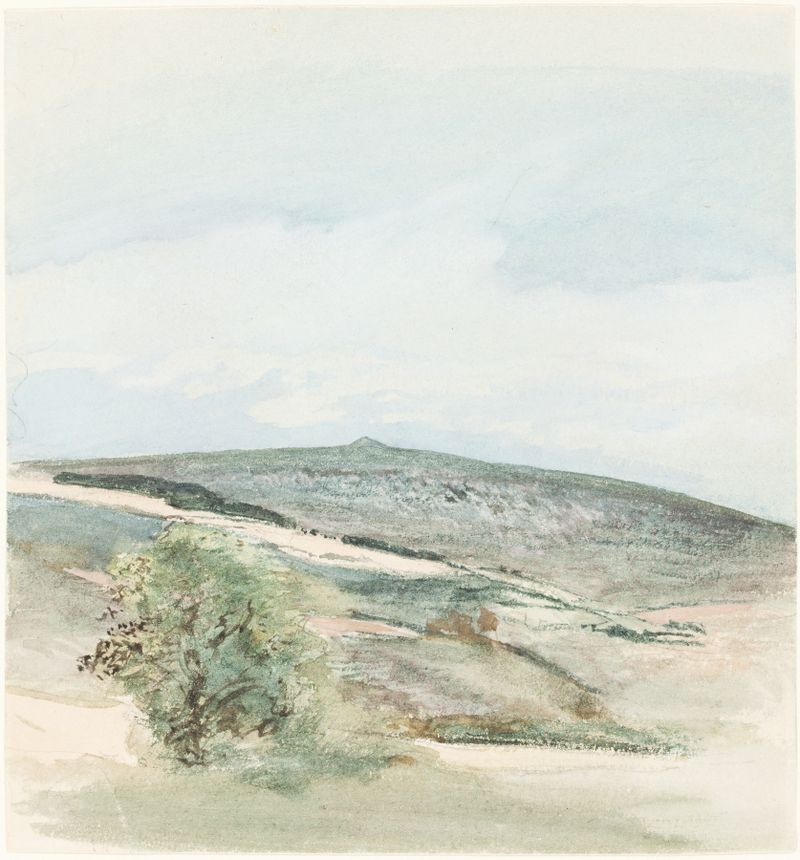
A Heath in Sussex
William Collins

Landscape with Fence
William Collins

Landscape: Valley with Mountain in Distance
William Collins
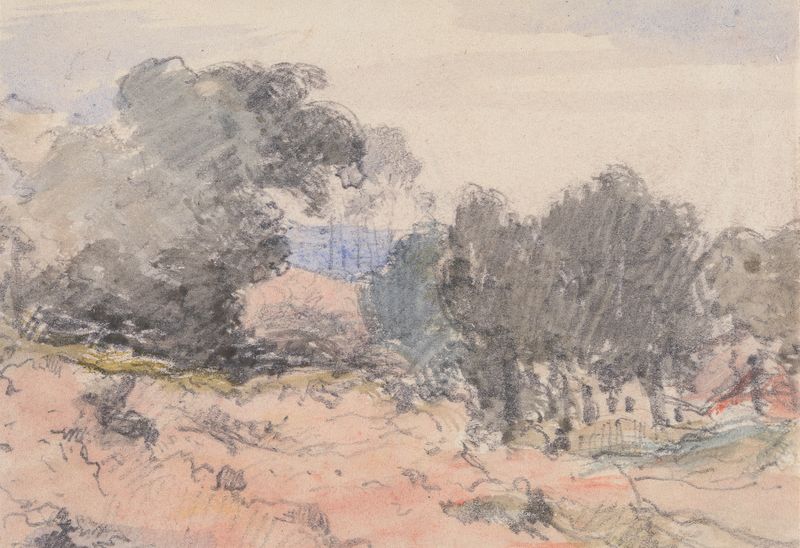
Landscape: House and Trees
William Collins
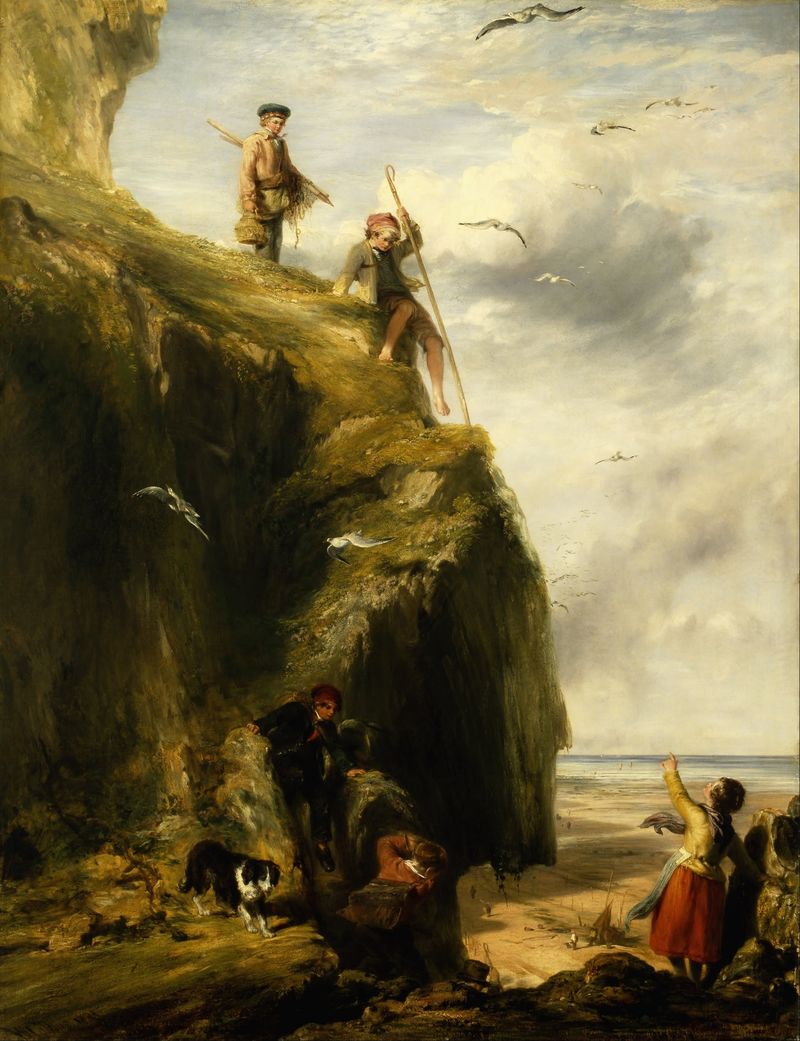
Returning from the Haunts of the Seafowl
William Collins

Landscape with Cart
William Collins

Landscape with Man on Beach
William Collins

Paddling
William Collins
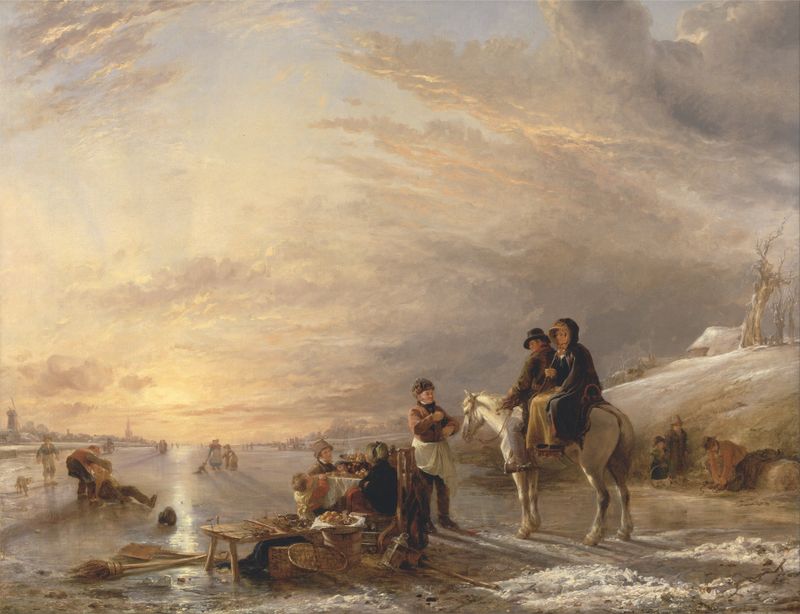
Frost Scene
William Collins





