
Returning from the Haunts of the Seafowl — History & Facts
Could beauty survive in a century of chaos? In a world often overshadowed by tumult, the quiet moments of life bear the weight of destiny, inviting reflection and deeper understanding. Look to the left at the soft hues of green and blue that cradle a serene landscape, where gentle waves lap at the shore. The horizon dances with the warm embrace of a setting sun, casting a golden glow that weaves through the fabrics of the figures depicted. Notice how the artist’s brushstrokes evoke a sense of longing and tranquility, effortlessly blending realism with an ethereal quality.
Each detail, from the delicate feathers of the seafowl to the soft ripples on the water's surface, draws the viewer into a moment suspended in time. Amidst the idyllic tableau lies an emotional tension—a contrast between the solace of nature and the inevitable passage of time. The returning figures, perhaps weary travelers, carry a sense of nostalgia, evoking both joy and melancholy. Their connection to the landscape amplifies the theme of destiny, as nature stands unchanged while lives are lived and memories formed within its embrace. Created during a period of transition, this work reflects the artist's exploration of the natural world in the face of industrialization.
Collins painted during the early 19th century, a time when Romanticism flourished, celebrating the beauty of unspoiled landscapes. His focus on the intimate relationship between humanity and nature was a response to the changing times, capturing a fleeting moment that resonates with the universal search for beauty amidst chaos.
More Artworks by William Collins
Browse all →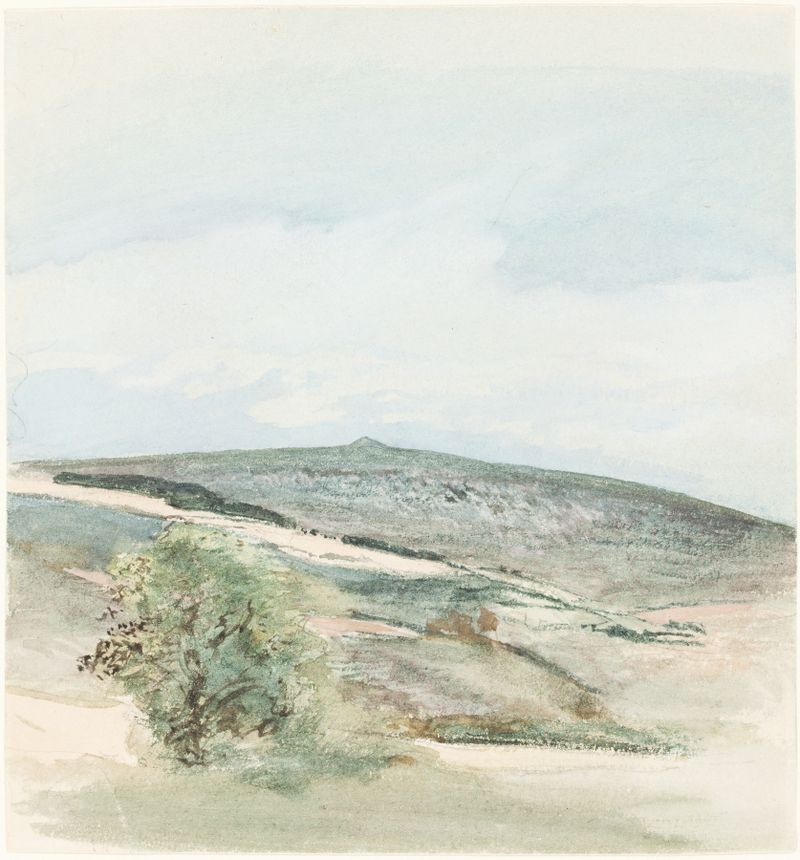
A Heath in Sussex
William Collins

Landscape with Fence
William Collins

Landscape: Valley with Mountain in Distance
William Collins
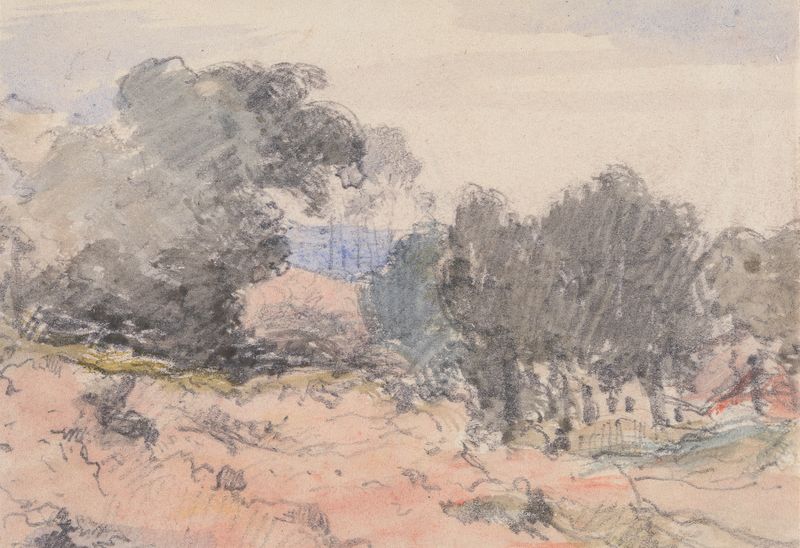
Landscape: House and Trees
William Collins

Landscape with Cart
William Collins

Landscape with Man on Beach
William Collins

Dartmouth
William Collins

Paddling
William Collins
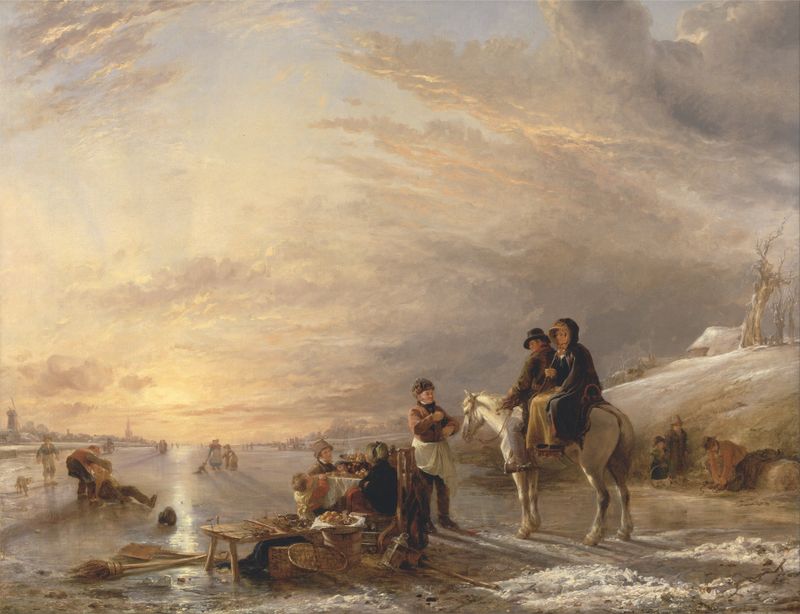
Frost Scene
William Collins





