
Landscape with Cart — History & Facts
Can beauty exist without sorrow? In Landscape with Cart, a serene pastoral scene invites viewers to contemplate the interplay of joy and desolation inherent in nature. Look to the left at the stately cart that stands quietly, its wooden frame catching the soft, golden light. The surrounding fields are a vivid tapestry of greens and browns, while the sky above is a delicate wash of blues and whites, creating a peaceful yet slightly melancholic atmosphere. The composition draws your eyes across the landscape, guiding you through the gentle rolling hills and the occasional hint of distant figures, lending a sense of life that is both inviting and ephemeral. Beneath the surface of this idyllic scene lies a poignant contrast.
The cart, with its robust form, suggests labor and toil, a reminder of the human struggle that accompanies rural life. Meanwhile, the lush greenery evokes a sense of abundance and growth, yet the stillness of the scene hints at a lingering void, as if time has paused, allowing reflection on the cycles of life and death. The delicate balance between prosperity and hardship is painted with a subtlety that prompts deeper introspection. William Collins created this work in an era when the Romantic movement was flourishing, around the mid-19th century, while he was based in England.
During this time, industrialization was transforming the landscape, leaving many artists, including Collins, to grapple with the shifting relationship between humanity and nature. Capturing the beauty of rural life, he sought to preserve the emotional resonance of a world on the brink of change.
More Artworks by William Collins
Browse all →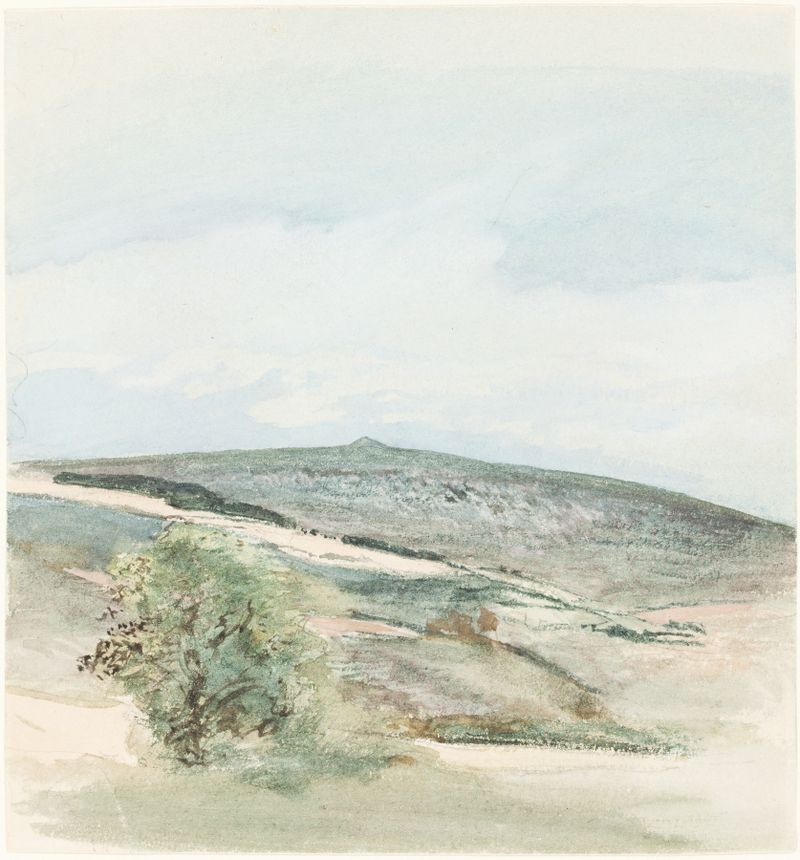
A Heath in Sussex
William Collins

Landscape with Fence
William Collins

Landscape: Valley with Mountain in Distance
William Collins
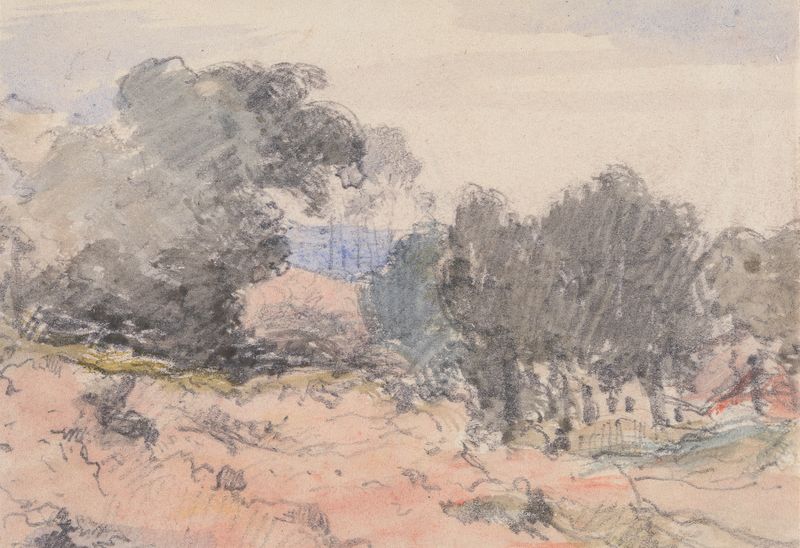
Landscape: House and Trees
William Collins
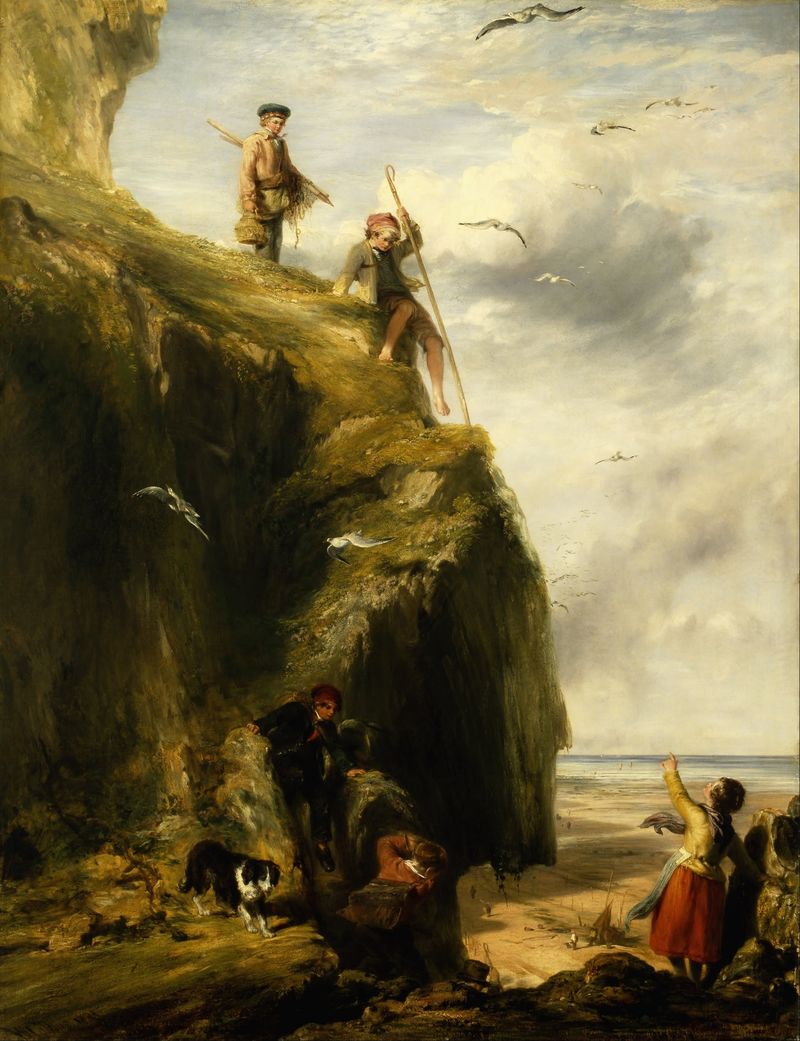
Returning from the Haunts of the Seafowl
William Collins

Landscape with Man on Beach
William Collins

Dartmouth
William Collins

Paddling
William Collins
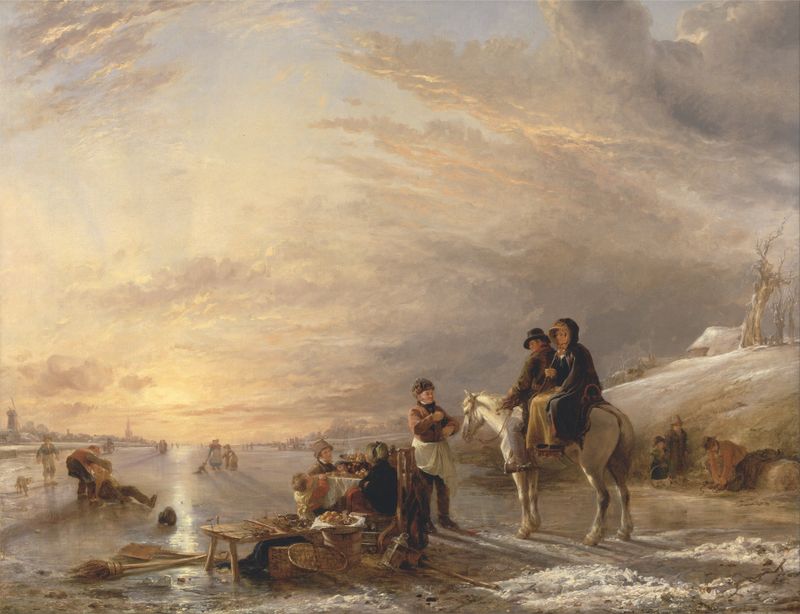
Frost Scene
William Collins





