
Das Gasteinertal im Nebel — History & Facts
In the stillness of a mist-laden valley, the world awaits its revelation, cloaked in the gentle embrace of fog. Nature's secrets murmur through the haze, inviting us to pause, observe, and reflect on the unseen wonders of existence. Look to the center of Das Gasteinertal im Nebel, where ethereal wisps of fog cascade down the mountains, blurring the boundaries between earth and sky. Notice how the muted greens and grays intertwine, creating a soothing rhythm that draws the eye deeper into the mist.
The play of light and shadow adds depth, revealing the rugged contours of the landscape while casting a veil of mystery. Each brushstroke conveys a sense of tranquility, as if time has slowed down to allow the viewer a moment of contemplation. Yet, beneath this tranquil exterior lies a profound tension. The fog symbolizes uncertainty and the unknown, evoking feelings of both comfort and unease.
As the viewer grapples with the obscured vistas, they may sense the struggle between clarity and ambiguity, a reflection of their own inner journeys. The valley, often a place of retreat, becomes a metaphor for the emotional landscapes we navigate—the moments of doubt interspersed with clarity, hidden beauty waiting to be revealed. In 1877, Anton Romako painted this masterpiece during a time when Romanticism still influenced the art world, yet a shift toward realism was emerging. Working in Vienna, he explored the interplay of light and atmosphere, methods that would eventually lead to the Impressionist movement.
His focus on the ephemeral aspects of nature, like the enveloping fog, illustrates both a personal quest for revelation and a broader artistic evolution in capturing the essence of experience.
More Artworks by Anton Romako
Browse all →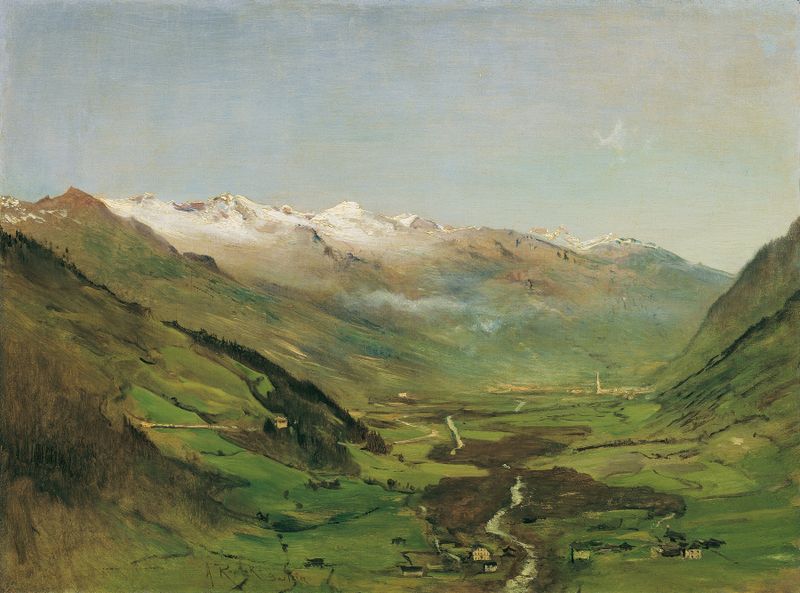
Das Gasteinertal I
Anton Romako
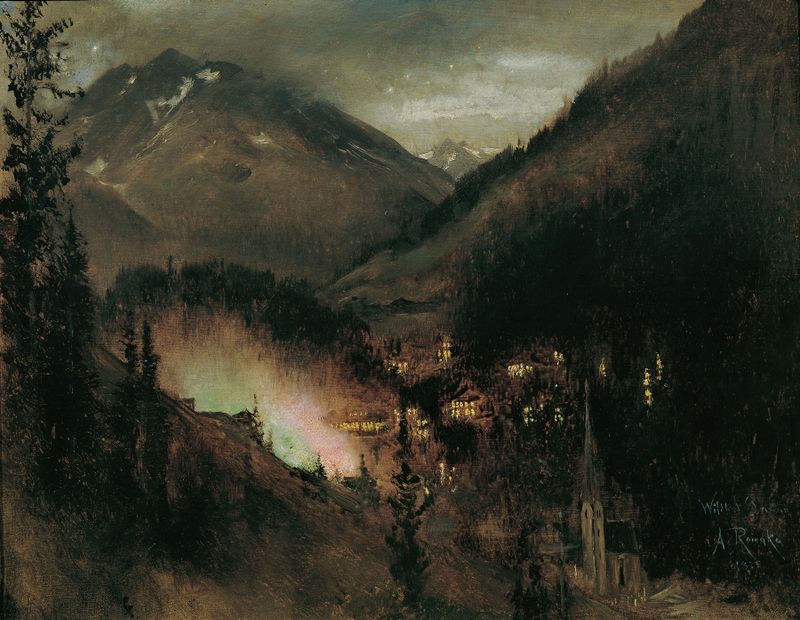
Wildbad Gastein am Abend (bei bengalischer Beleuchtung)
Anton Romako

Das Gasteinertal II
Anton Romako

Fischerknabe am Meeresstrand
Anton Romako

Waldlichtung mit Disteln
Anton Romako
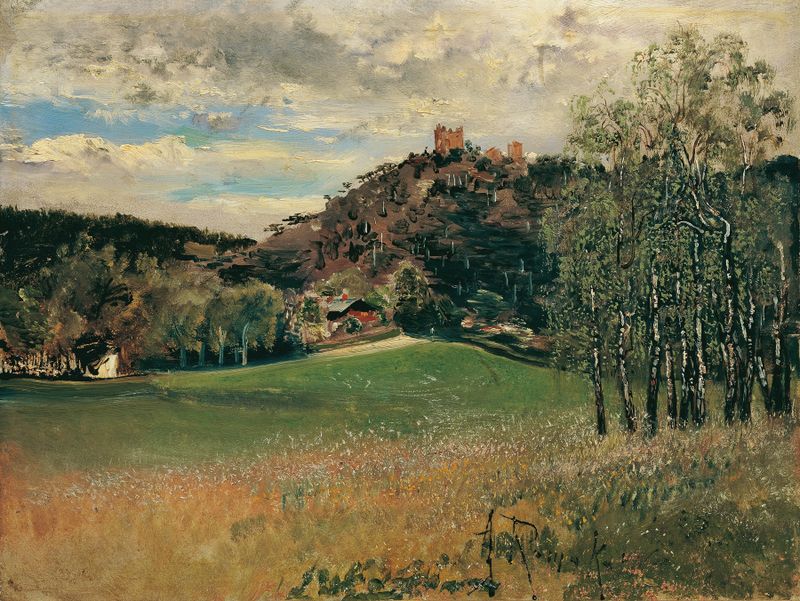
Die Meiereiwiese in der Vorderbrühl mit der Ruine Mödling
Anton Romako
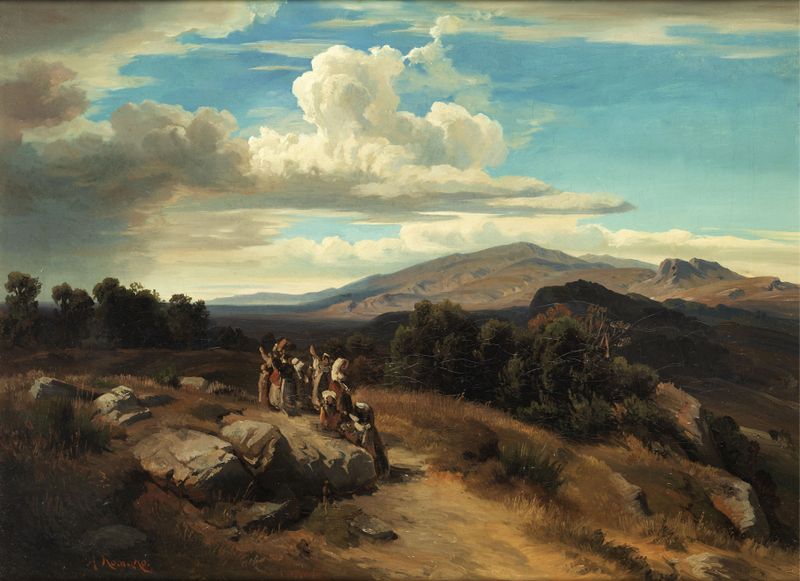
Spanische Landschaft
Anton Romako
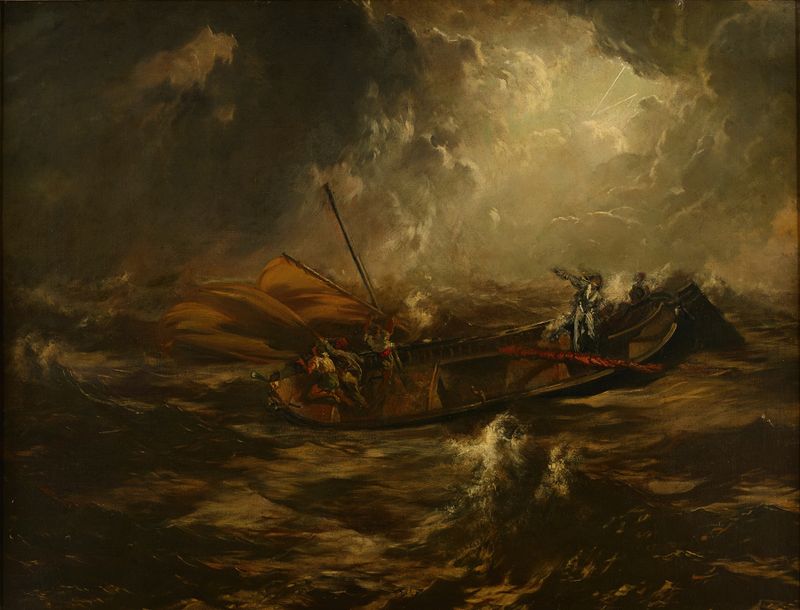
Seesturm
Anton Romako
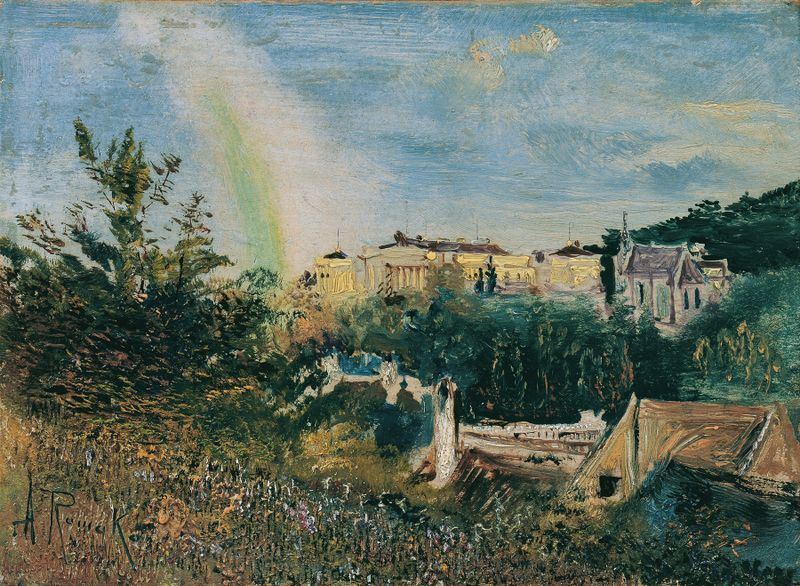
Die Weilburg bei Baden
Anton Romako
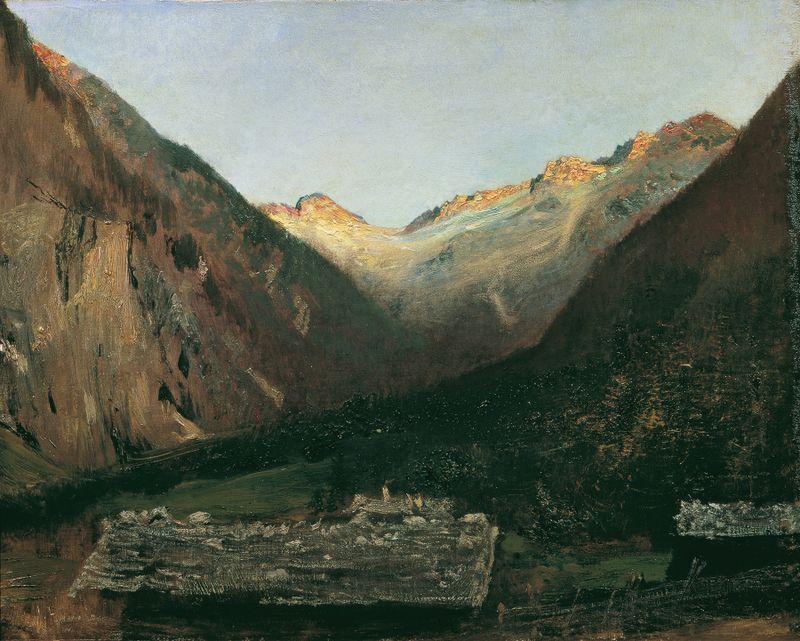
Abend in der Prossau bei Gastein
Anton Romako





