
Seesturm — History & Facts
In a world that rushes toward oblivion, art holds the power to immortalize fleeting moments, creating a legacy that defies the passage of time. Look closely at the turbulent waves in Seesturm, where deep greens and dark blues collide with frothy whitecaps. The tumultuous sky mirrors the chaos of the sea, alive with swirling clouds and sharp contrasts of light. Notice how the figures, dwarfed by the vastness of nature, are caught in the throes of an impending storm, their gestures conveying both desperation and resilience.
The careful brushwork invites your eye to dance along the surface, drawing you deeper into the raw emotion embedded in the scene. Beneath the surface, there exists an interplay between humanity and nature, a theme of vulnerability amidst the sublime. The figures, seemingly insignificant against the raging storm, reflect the fragility of life, encapsulating the struggle against forces beyond control. The use of dark tones envelops the scene in an ominous veil, yet flickers of light remind us of hope, suggesting that even in chaos, there is beauty and strength to be found. Painted between 1880 and 1882, this piece emerged during a period of personal and professional transformation for its creator.
Anton Romako worked in Vienna, where the art scene was marked by a clash between tradition and the burgeoning modernist movement. As he grappled with his own legacy and artistic identity, Seesturm crystallized his desire to confront the tempest of life through his brush, leaving behind a testament to human resilience.
More Artworks by Anton Romako
Browse all →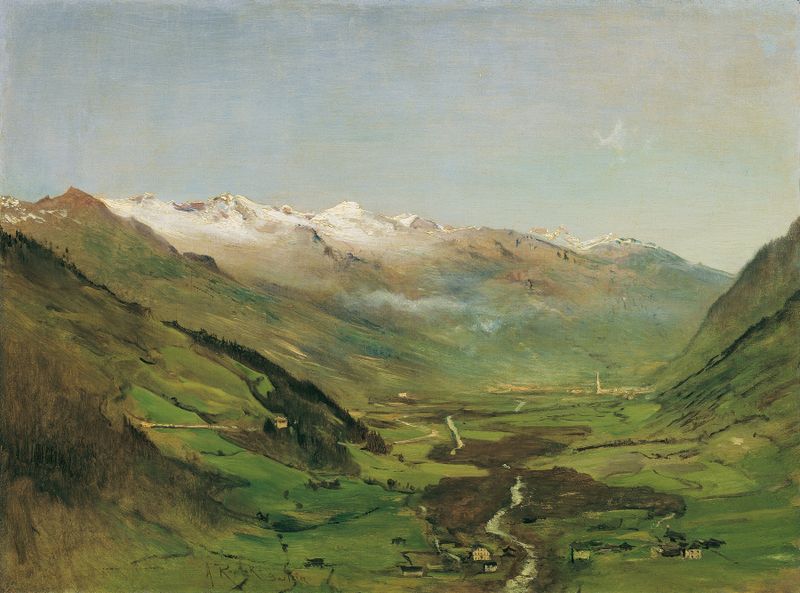
Das Gasteinertal I
Anton Romako
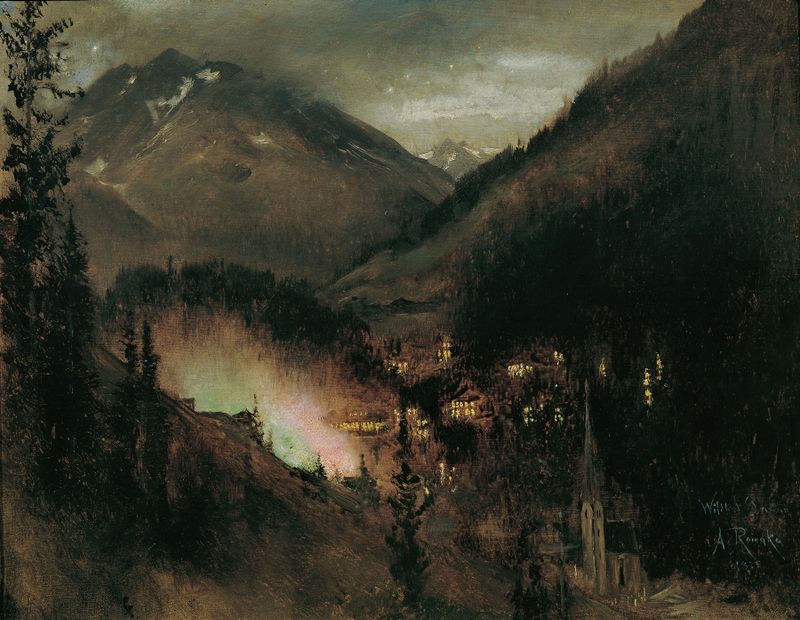
Wildbad Gastein am Abend (bei bengalischer Beleuchtung)
Anton Romako

Das Gasteinertal II
Anton Romako

Fischerknabe am Meeresstrand
Anton Romako

Waldlichtung mit Disteln
Anton Romako
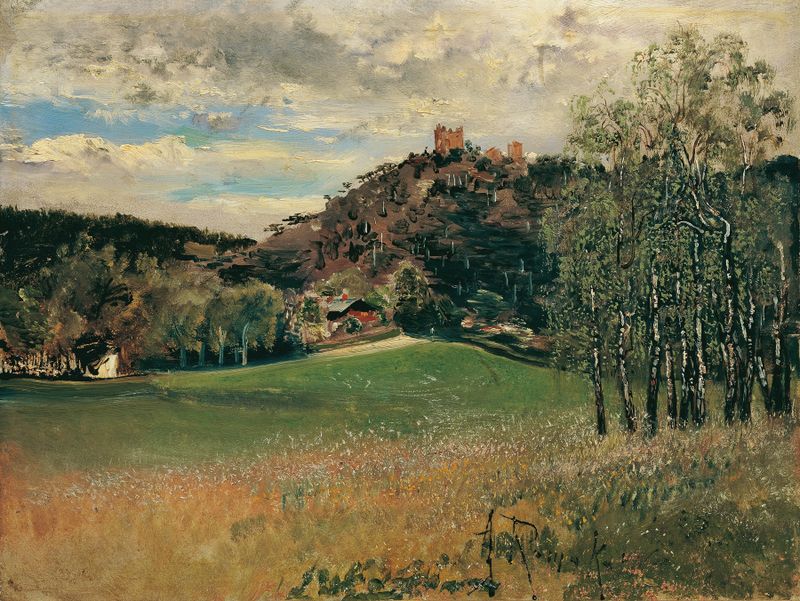
Die Meiereiwiese in der Vorderbrühl mit der Ruine Mödling
Anton Romako
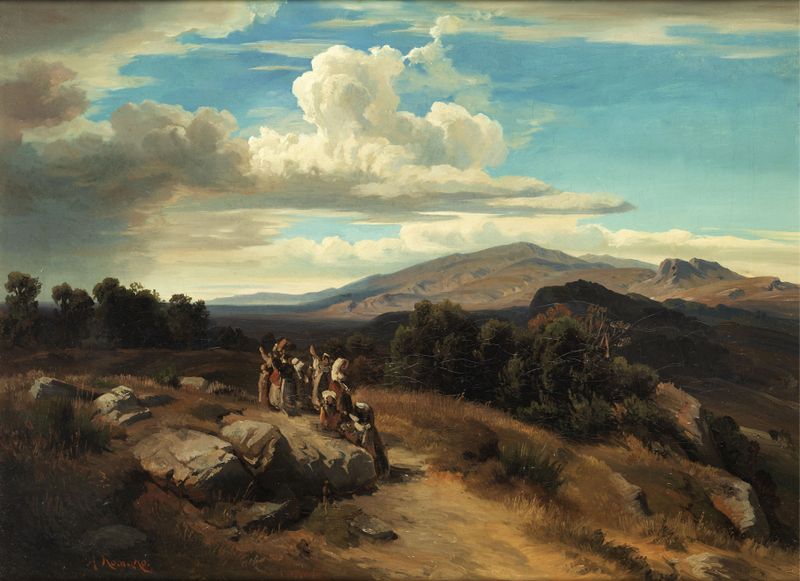
Spanische Landschaft
Anton Romako
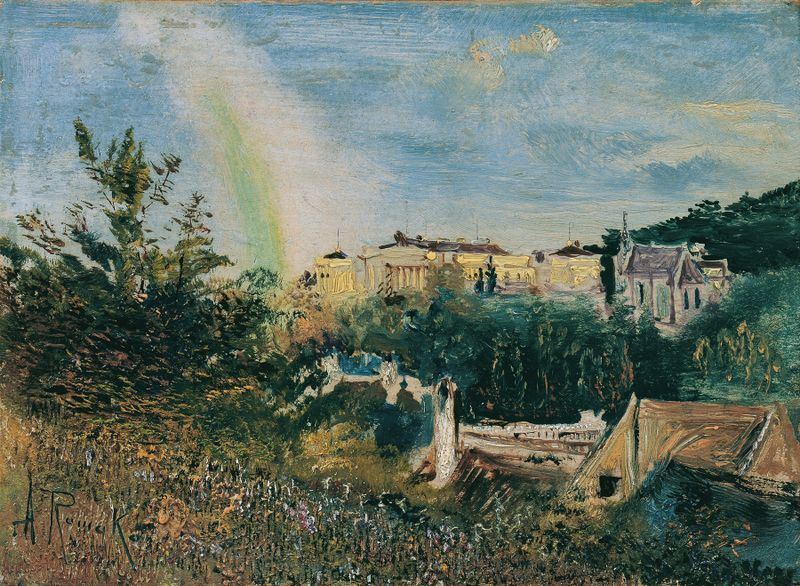
Die Weilburg bei Baden
Anton Romako
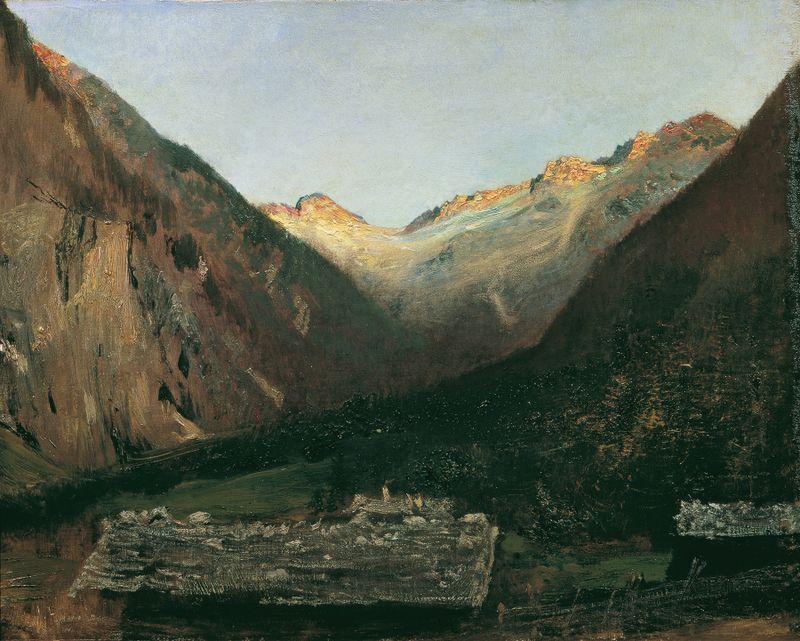
Abend in der Prossau bei Gastein
Anton Romako

Das Gasteinertal im Nebel
Anton Romako





