
Fischerknabe am Meeresstrand — History & Facts
Who listens when art speaks of silence? In a world often drowned in noise, innocence finds its voice through stillness and contemplation. Look to the center of the canvas, where a young boy reclines against the gentle undulations of the sea. His gaze, both thoughtful and serene, pulls you into the tranquil expanse around him. Notice how the soft, muted colors harmonize with the delicate brushwork, allowing the sunlight to dapple the scene, illuminating the boy’s tousled hair and the glistening grains of sand.
The interplay of light and shadow subtly emphasizes his youth, while the sweeping horizon evokes a sense of boundless possibility. Beneath the surface, the painting resonates with deeper themes of solitude and reflection. The boy’s solitary presence on the shore hints at the fleeting nature of childhood, while the expansive ocean serves as both a barrier and a gateway to the unknown. There’s a palpable tension between the innocence of his pose and the vastness of the world that surrounds him, suggesting the bittersweet transition from the purity of youth to the complexities of adulthood. Anton Romako created Fischerknabe am Meeresstrand in 1875, during a time when he was deeply engaged with capturing the essence of human experiences and emotions.
Living in Vienna, he was influenced by the emerging Realist movement, which sought to depict life with authenticity. This period marked a significant evolution in his style, as he moved towards a more intimate and expressive portrayal of subjects, seeking to evoke empathy through his brush.
More Artworks by Anton Romako
Browse all →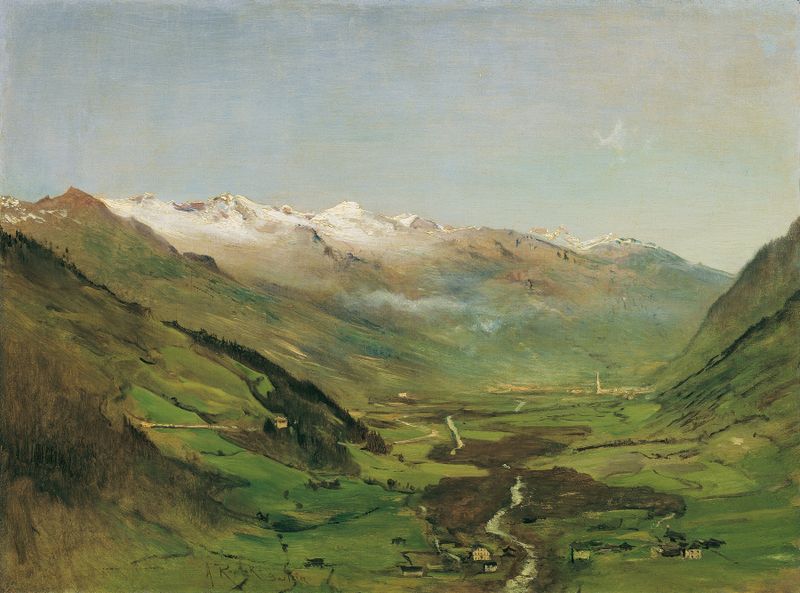
Das Gasteinertal I
Anton Romako
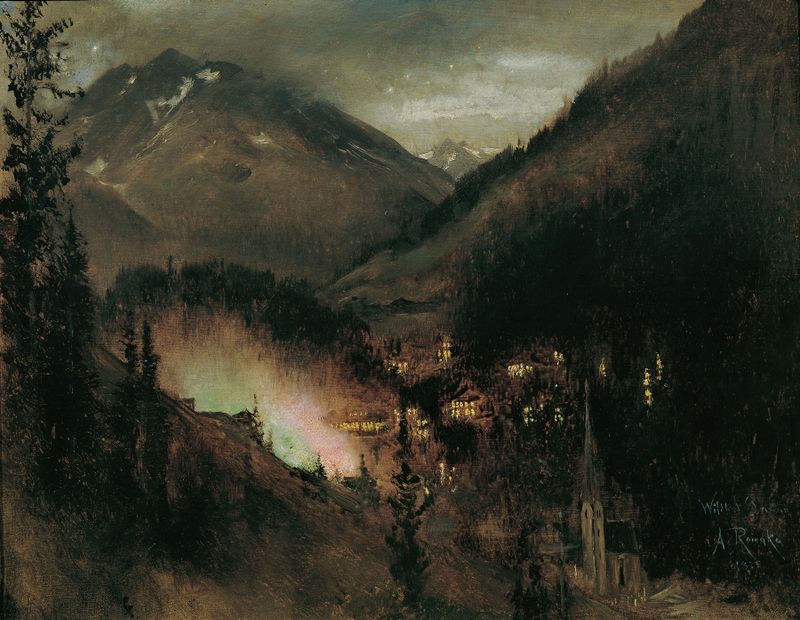
Wildbad Gastein am Abend (bei bengalischer Beleuchtung)
Anton Romako

Das Gasteinertal II
Anton Romako

Waldlichtung mit Disteln
Anton Romako
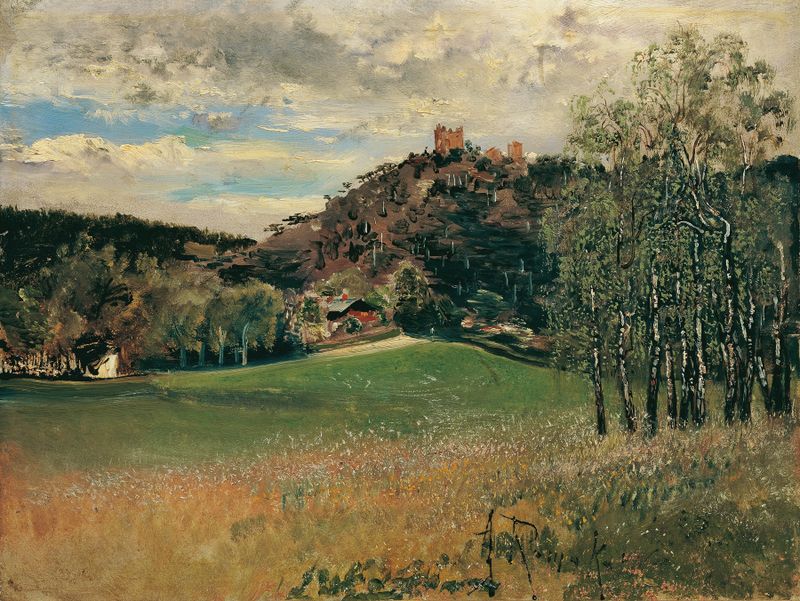
Die Meiereiwiese in der Vorderbrühl mit der Ruine Mödling
Anton Romako
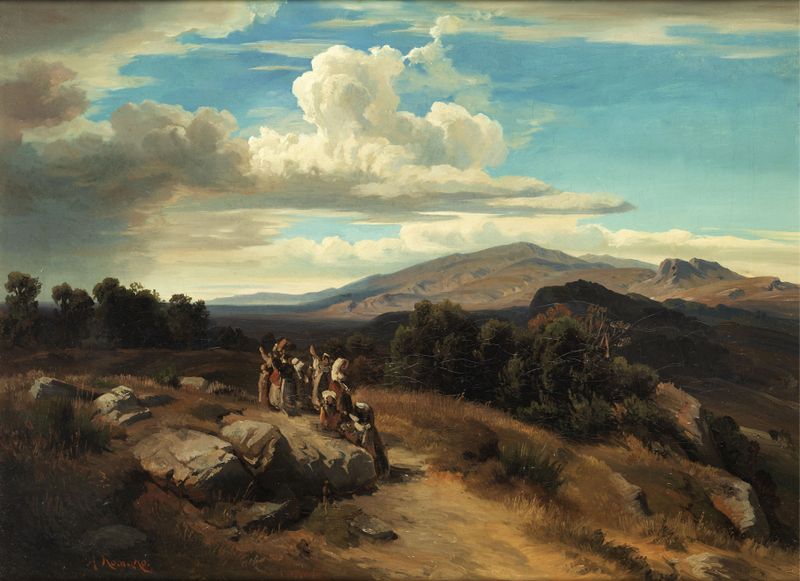
Spanische Landschaft
Anton Romako
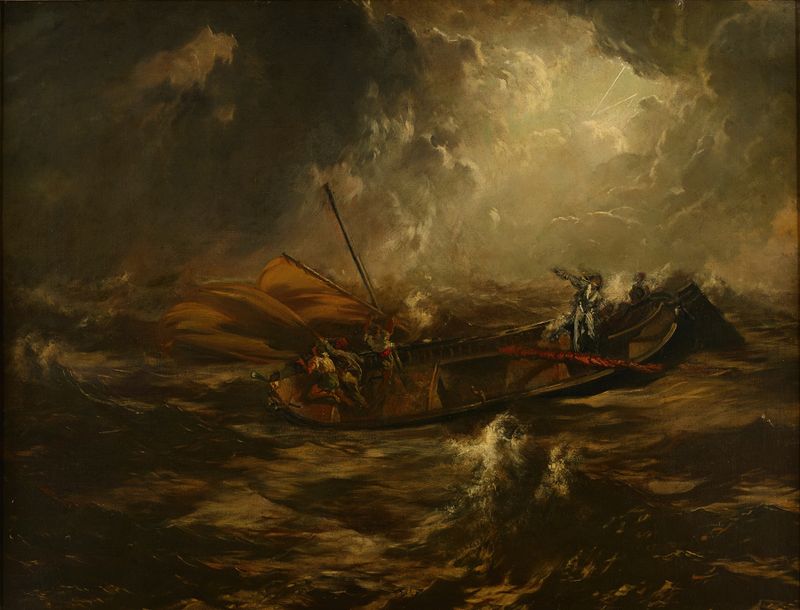
Seesturm
Anton Romako
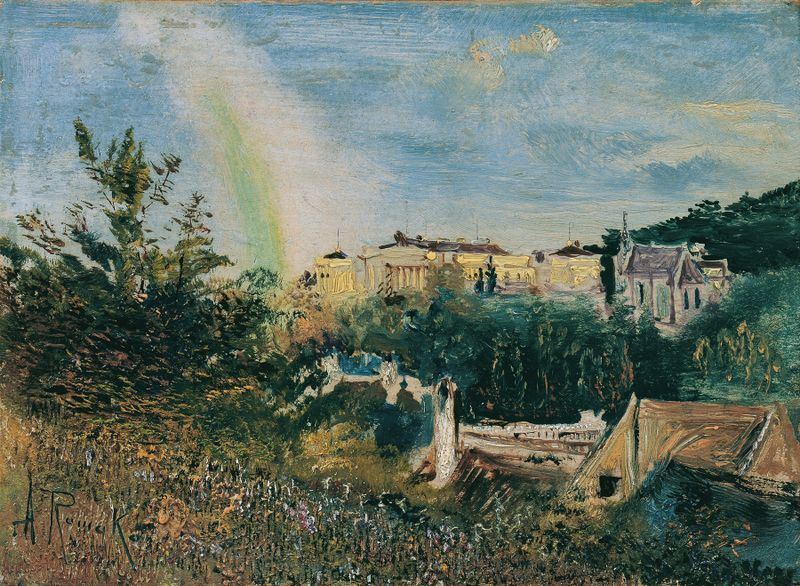
Die Weilburg bei Baden
Anton Romako
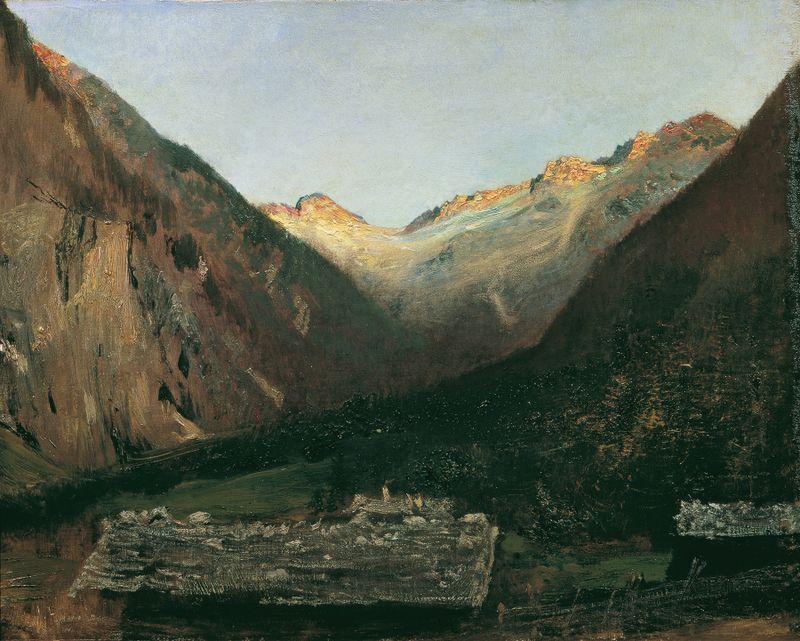
Abend in der Prossau bei Gastein
Anton Romako

Das Gasteinertal im Nebel
Anton Romako





