
Das Hospiz auf dem Grimselpass — History & Facts
In Das Hospiz auf dem Grimselpass, Joseph Anton Koch captures the quiet yet profound legacy of human resilience amid the raw splendor of nature. Here, the interplay between the stark landscape and the humble shelter stands as a testament to survival and hope. Look to the center, where the hospiz, a rustic mountain lodge, rises defiantly against the backdrop of towering peaks. The warm hues of the building contrast strikingly with the cool, silvery tones of the surrounding snow and rock.
Notice how light cascades down from the sky, illuminating the structure while casting deep shadows in the crevices of the mountains. This balance of light and shadow not only guides the viewer's gaze but also evokes a sense of warmth and refuge within an otherwise harsh environment. As you delve deeper, consider the juxtaposition of the natural and the manmade. The hospiz symbolizes safety amidst impending danger, an oasis of community against the vast, indifferent wilderness.
The mountains loom large, representing nature's raw power, while the tranquil scene invites reflection on humanity's fragility and tenacity. This quiet tension between isolation and survival enriches the painting's emotional depth, prompting viewers to contemplate their own legacies in the face of overwhelming odds. Koch created this work in 1813 while residing in Rome, drawing inspiration from his travels through the Swiss Alps. During this period, the Romantic movement in art was rising, emphasizing the beauty of nature and human emotion.
This painting reflects not only Koch’s personal experiences but also the broader artistic shift toward valuing landscapes as vehicles for deeper philosophical inquiry, melding together the elements of nature and the human spirit.
More Artworks by Joseph Anton Koch
Browse all →
Landscape near Olevano with a Parade of Dancing Peasants
Joseph Anton Koch
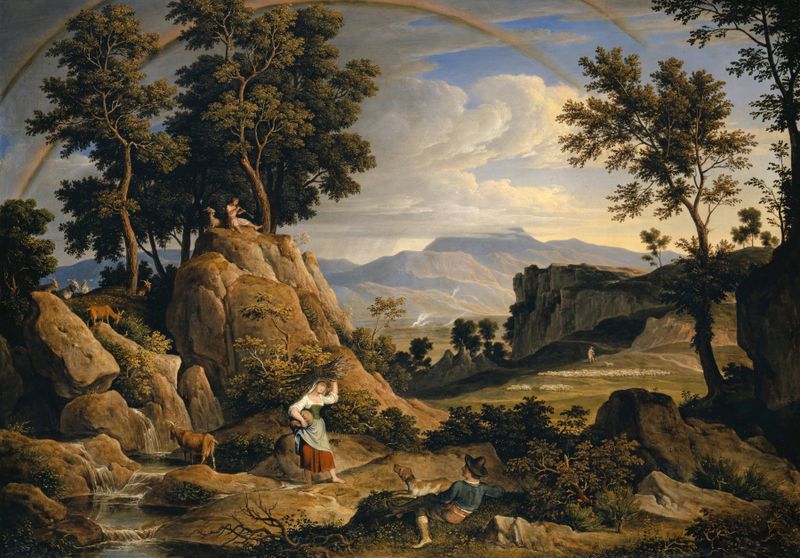
Landscape near Olevano with Rainbow
Joseph Anton Koch
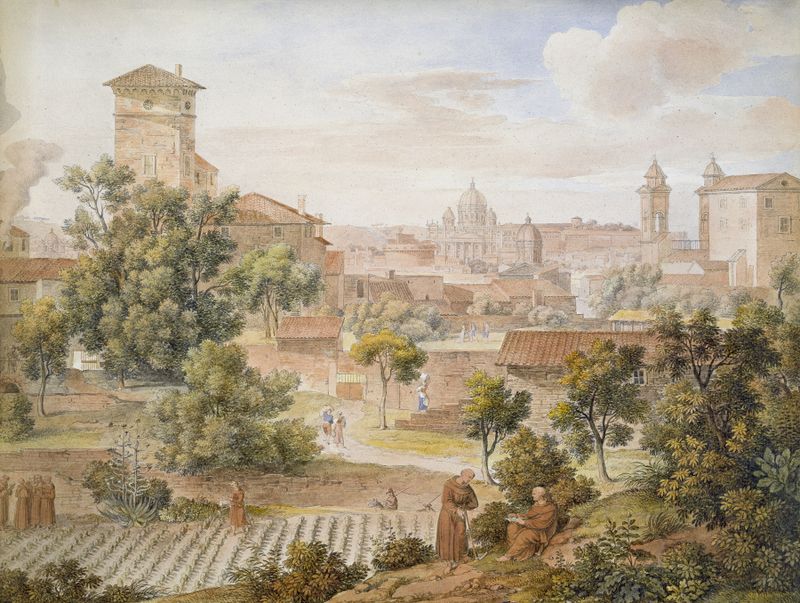
Blick vom Kloster S. Isidoro auf St. Peter in Rom
Joseph Anton Koch
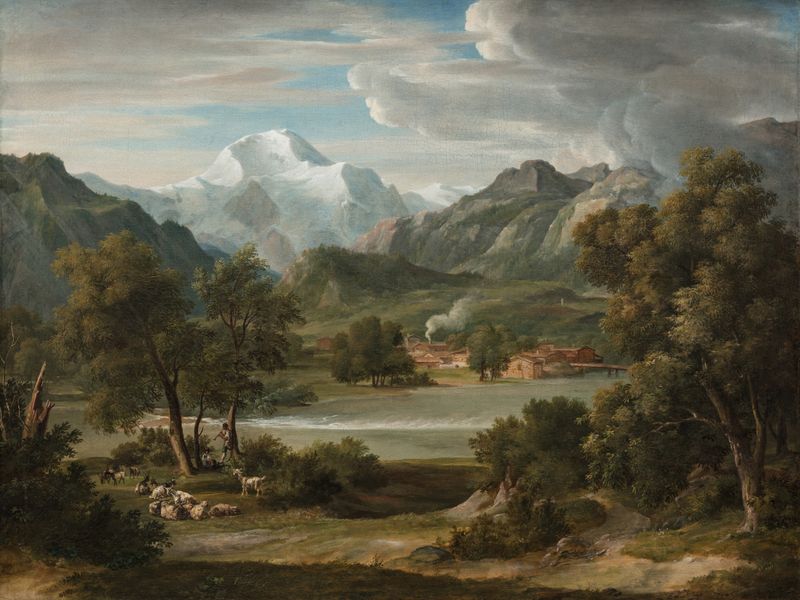
Lauterbrunnertal Near Unterseen With A View Of The Jungfrau
Joseph Anton Koch

Heroische Landschaft mit Regenbogen
Joseph Anton Koch

The Mönch And Jungfrau Seen From Unterseen
Joseph Anton Koch

Das Berner Oberland
Joseph Anton Koch

Das Wetterhorn mit dem Reichenbachtal
Joseph Anton Koch
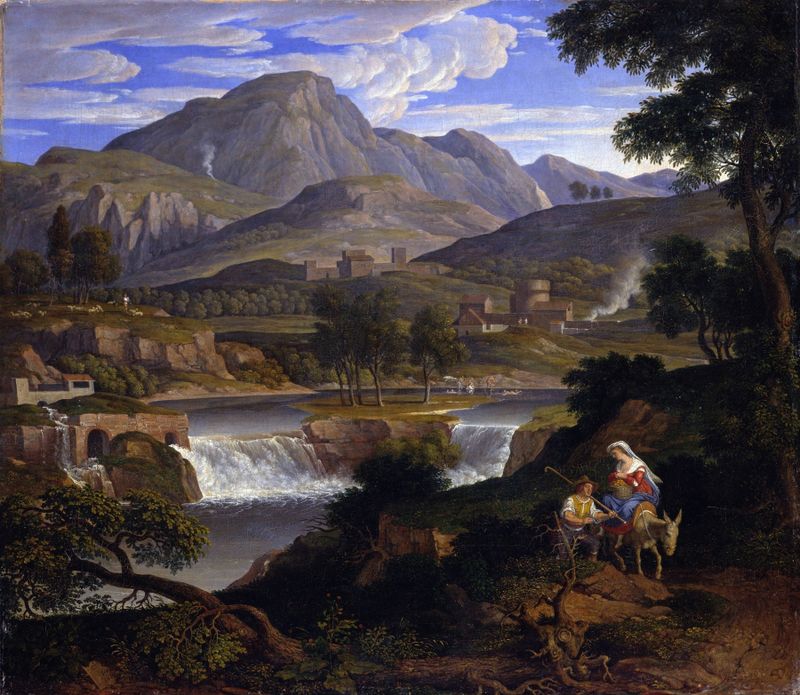
Waterfalls at Subiaco
Joseph Anton Koch
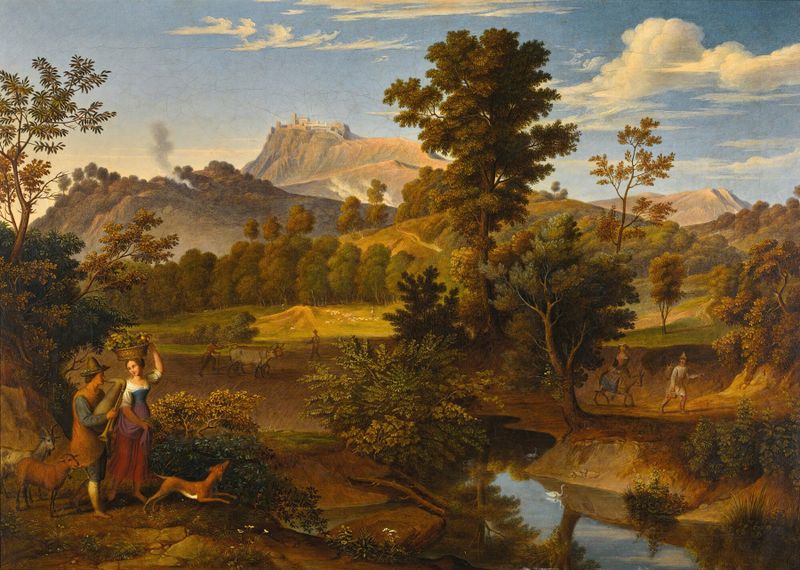
Landscape Near Paliano
Joseph Anton Koch





