
Landscape Near Paliano — History & Facts
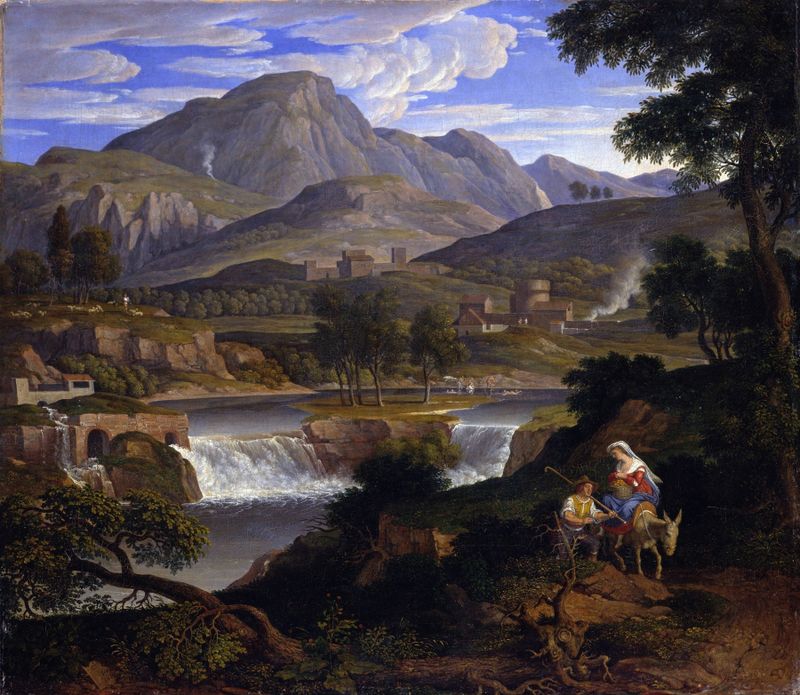
In the silence of decay, nature speaks its truths, unveiling the fragile beauty of existence. Look to the foreground where a gnarled tree stands resolutely, its twisted branches reaching towards a muted sky. The earthy palette of browns and soft greens invites you to explore the nuances of the landscape, while the delicate strokes evoke a sense of movement in the grass. Notice how the light plays upon the undulating hills in the background, casting shadows that create depth and suggest the passage of time.
Each element is crafted with precision, rendering a serene yet melancholic atmosphere that pervades the scene. The juxtaposition of vibrancy and decay resonates deeply. The stark tree, a symbol of resilience, contrasts beautifully with the lush yet fading flora that surrounds it. This interplay reflects the transitory nature of life—an invitation to ponder the inevitable decline that we all face.
The stillness captured in the painting invites reflection, urging viewers to confront their own relationship with change and mortality, while celebrating the quiet grace found within it. Created during a period marked by the rise of Romanticism, the artist painted this landscape in Europe, reflecting a growing fascination with the sublime and the natural world. The late 18th to early 19th centuries saw a shift in artistic focus, highlighting emotional depth and a return to nature amidst industrialization. This piece, emerging from that context, encapsulates both the beauty and the fragility of the world, emblematic of the artist's quest to capture the essence of humanity through nature’s decay.
More Artworks by Joseph Anton Koch
Browse all →
Landscape near Olevano with a Parade of Dancing Peasants
Joseph Anton Koch
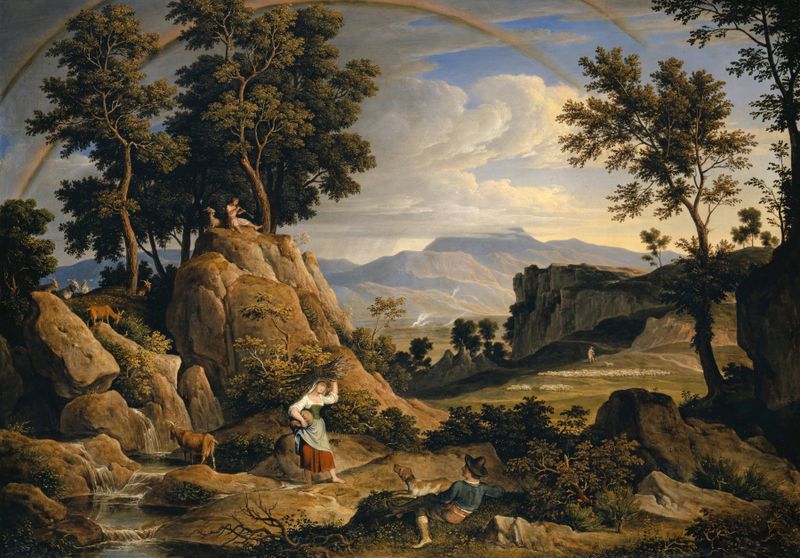
Landscape near Olevano with Rainbow
Joseph Anton Koch
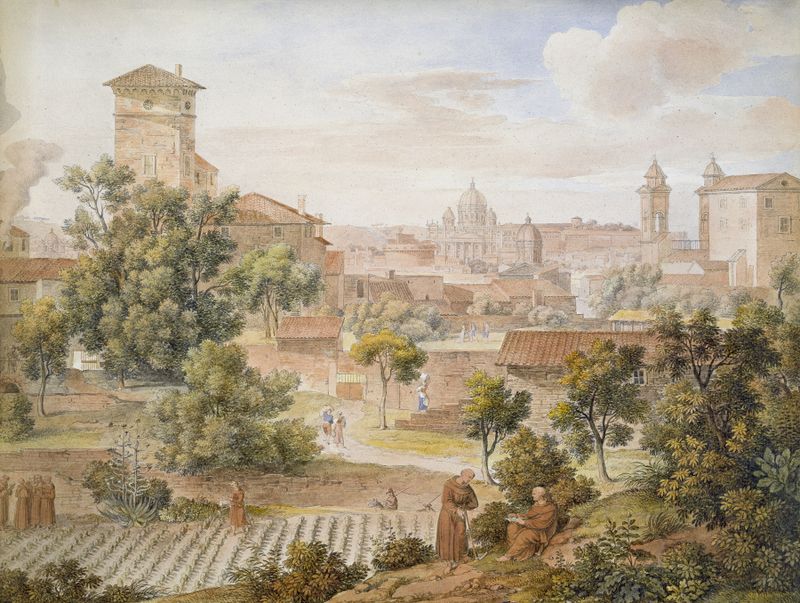
Blick vom Kloster S. Isidoro auf St. Peter in Rom
Joseph Anton Koch
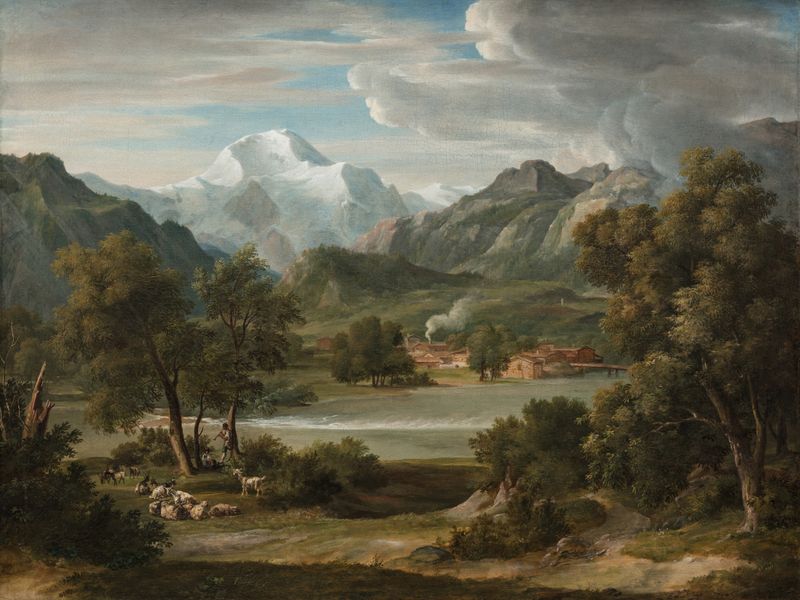
Lauterbrunnertal Near Unterseen With A View Of The Jungfrau
Joseph Anton Koch
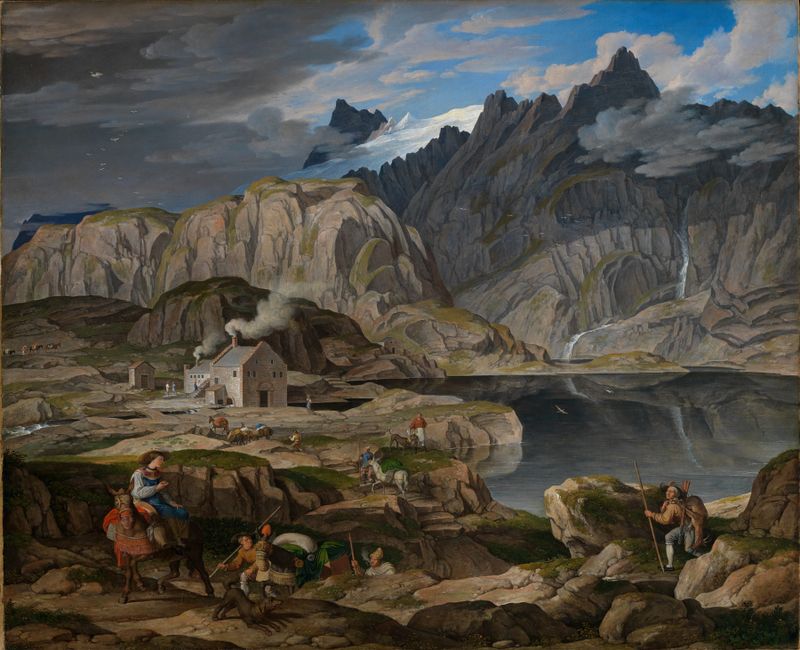
Das Hospiz auf dem Grimselpass
Joseph Anton Koch

Heroische Landschaft mit Regenbogen
Joseph Anton Koch

The Mönch And Jungfrau Seen From Unterseen
Joseph Anton Koch

Das Berner Oberland
Joseph Anton Koch

Das Wetterhorn mit dem Reichenbachtal
Joseph Anton Koch
Waterfalls at Subiaco
Joseph Anton Koch





