
The Mönch And Jungfrau Seen From Unterseen — History & Facts
What secret hides in the quiet of the canvas? Beneath the serene surface of the mountains, a sense of trepidation lingers, inviting us to explore the hidden fears that lurk in the shadows. Look to the left at the imposing silhouette of the Mönch, its rugged terrain stark against the soft hues of twilight. The delicate brushstrokes contrast with the sharp peaks, creating a tension between softness and the harshness of nature. Notice how the pale light glances off the snow-capped Jungfrau, its brilliant white both alluring and foreboding, suggesting beauty intertwined with danger.
The composition leads the eye upward, making the vastness of the scene enveloping, yet isolating. As you delve deeper into the painting, consider the juxtaposition of the calm foreground and the overwhelming mountains looming behind. The tranquil lake reflects the mountains’ majesty — a deceptive calm that belies the potential peril of nature's might. This duality evokes a deep, primal fear — the awe of the majestic landscape is countered by the reminder of its unforgiving power, inviting contemplation on mankind's vulnerability against the forces that shape our world. Joseph Anton Koch created this work in the early 19th century, a period marked by romantic exploration and the emergence of landscape painting as a powerful emotional medium.
Living in the alpine regions of Switzerland, he was engaged with a growing fascination with nature's grandeur, illustrating both its beauty and terror. This piece reflects not only his artistic evolution but also the wider European artistic movement grappling with the sublime — the complex interplay of fear and admiration in the face of nature's formidable presence.
More Artworks by Joseph Anton Koch
Browse all →
Landscape near Olevano with a Parade of Dancing Peasants
Joseph Anton Koch
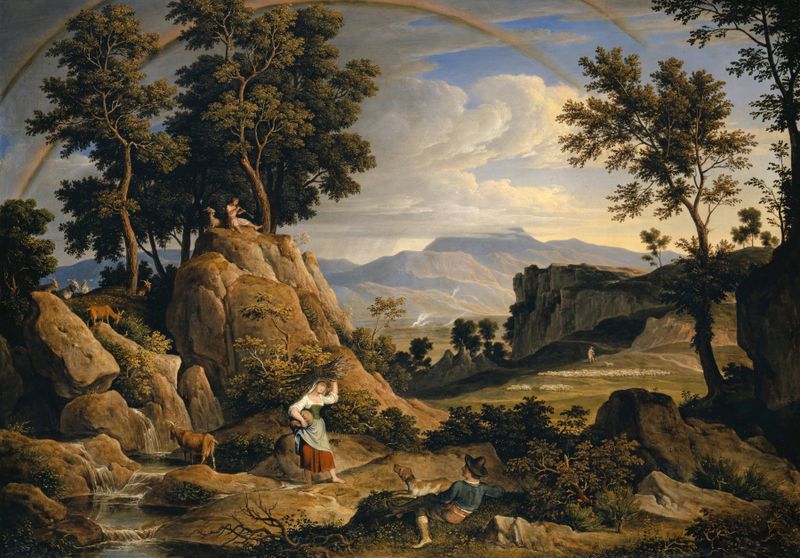
Landscape near Olevano with Rainbow
Joseph Anton Koch
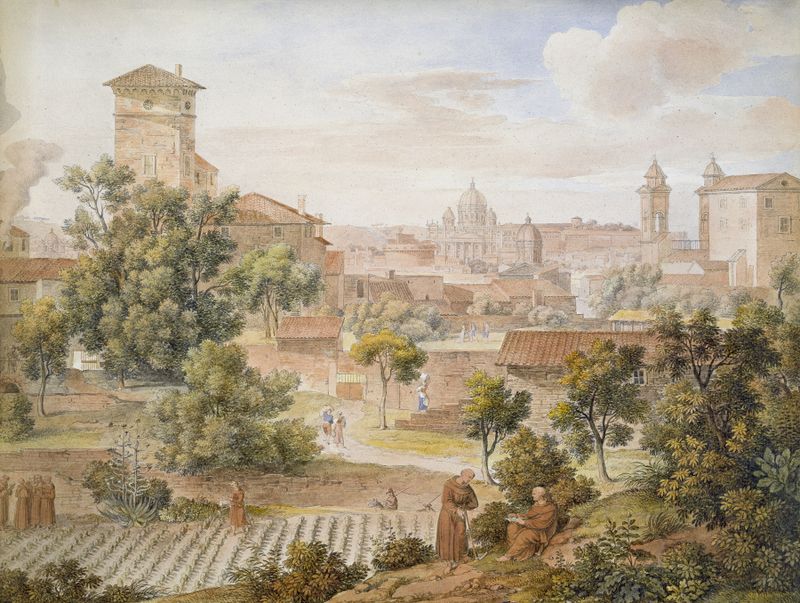
Blick vom Kloster S. Isidoro auf St. Peter in Rom
Joseph Anton Koch
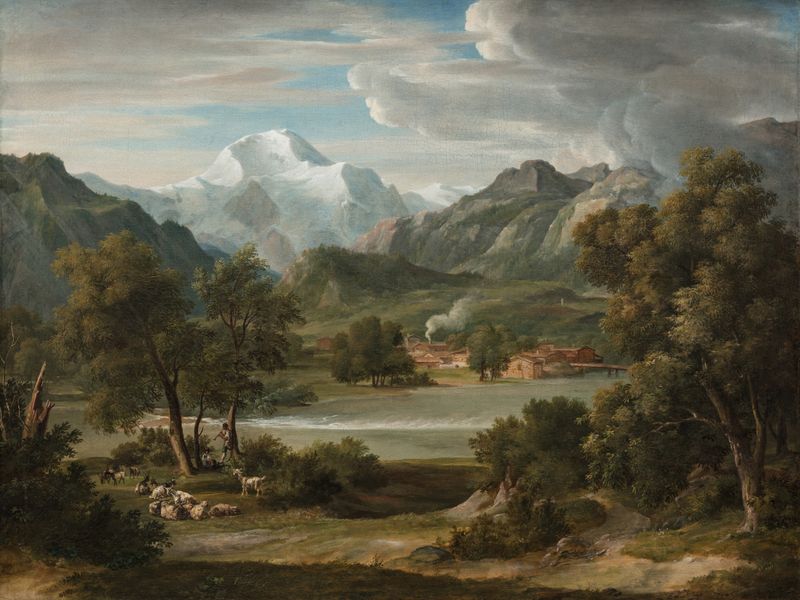
Lauterbrunnertal Near Unterseen With A View Of The Jungfrau
Joseph Anton Koch
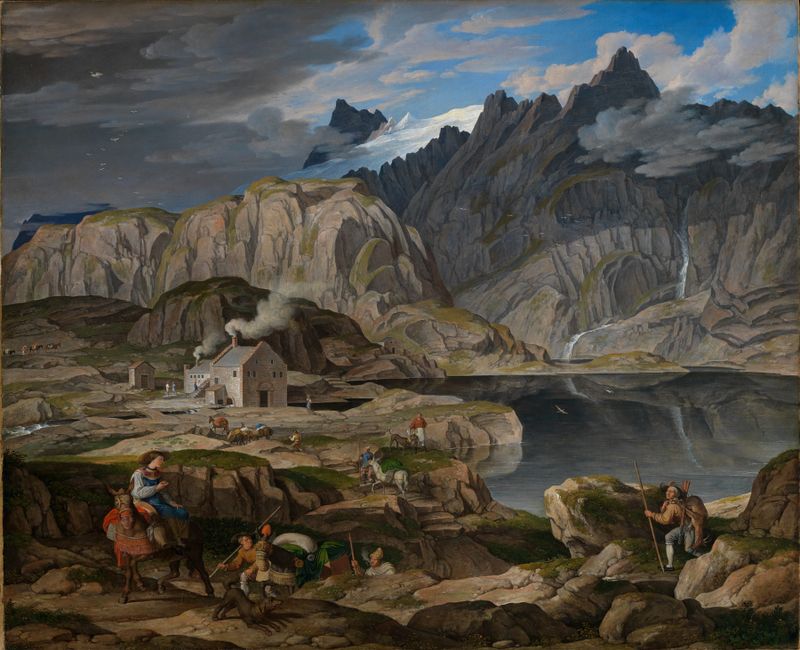
Das Hospiz auf dem Grimselpass
Joseph Anton Koch

Heroische Landschaft mit Regenbogen
Joseph Anton Koch

Das Berner Oberland
Joseph Anton Koch

Das Wetterhorn mit dem Reichenbachtal
Joseph Anton Koch
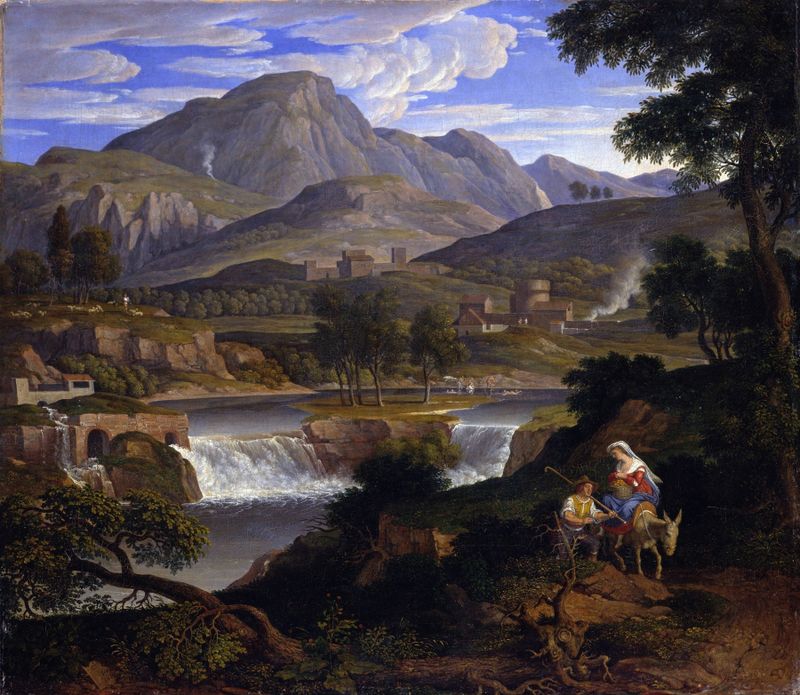
Waterfalls at Subiaco
Joseph Anton Koch
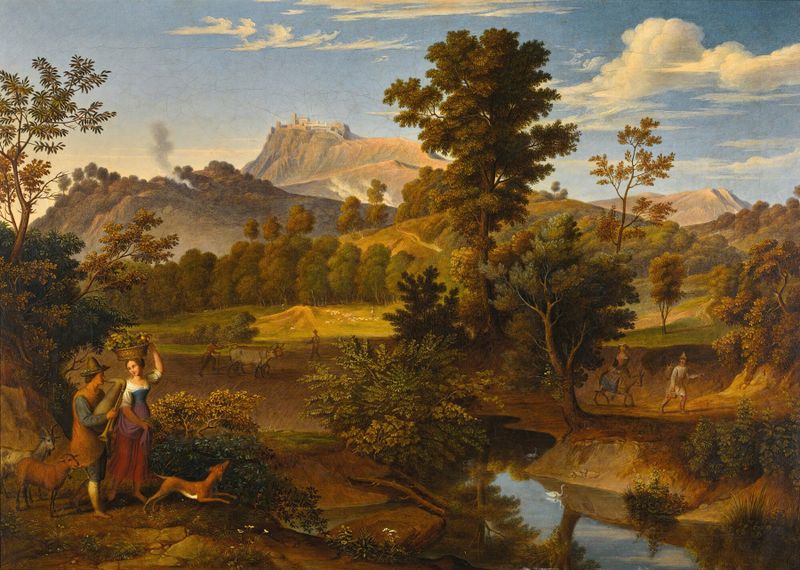
Landscape Near Paliano
Joseph Anton Koch





