
Das neue Rathaus — History & Facts
In the realm of memory, each brushstroke serves as a whisper, a fragment of what once was. Look closely at the serene façade of the building, where warm ochres and soft creams weave a tapestry of architectural detail. The grand entrance draws the eye first, framed by lush greenery that seems to embrace the structure, inviting you in. Notice how light dances on the surface, creating a gentle play of shadows that hints at the passage of time and the stories held within these walls.
The composition is both balanced and dynamic, a testament to the artist’s meticulous attention to detail. Beneath the surface, there is a tension between permanence and transience. The robust pillars stand strong against the encroaching foliage, representing stability amidst the flux of life. Yet, the light that filters through the trees hints at the fleeting nature of memory, suggesting that while the building may endure, the moments it once sheltered are but echoes.
The contrast between the vibrant greens and the more subdued earth tones evokes an emotional resonance that speaks to the passage of time and the essence of nostalgia. In 1898, Carl Moll painted this piece during a period of transformation in Vienna, where the cultural scene was thriving amidst rapid urban development. He was influenced by the Vienna Secession movement, which sought to break free from traditional forms and embrace modernity. At this time, he was also grappling with his own artistic identity, navigating the balance between the historic and the contemporary, which is palpably reflected in Das neue Rathaus.
More Artworks by Carl Moll
Browse all →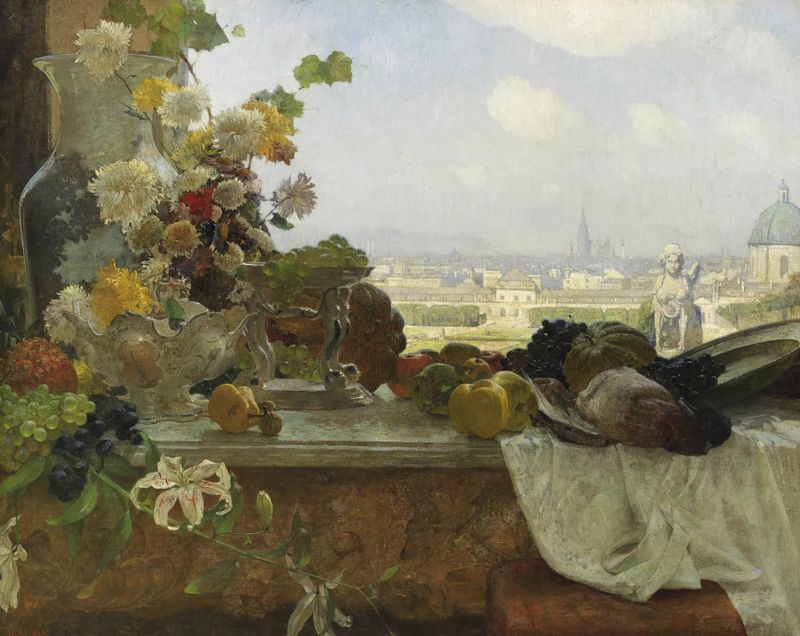
Blick vom Belvedere auf die Innere Stadt
Carl Moll

Garten in Döbling (Garden in Döbling, Vienna)
Carl Moll
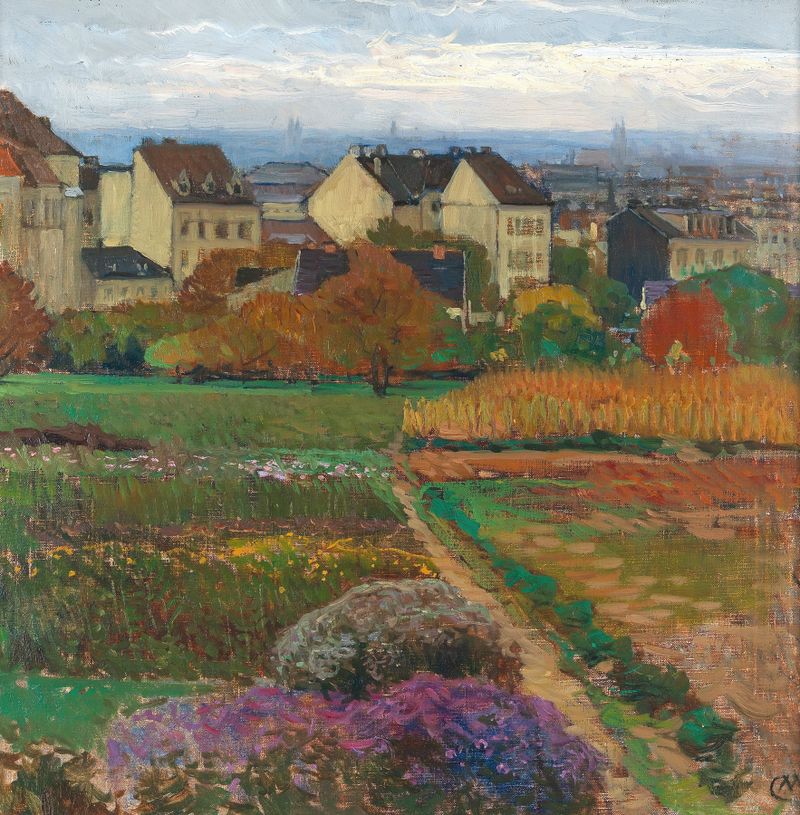
Döbling Wien
Carl Moll

Motiv aus dem Schloßpark in Jevisovice
Carl Moll
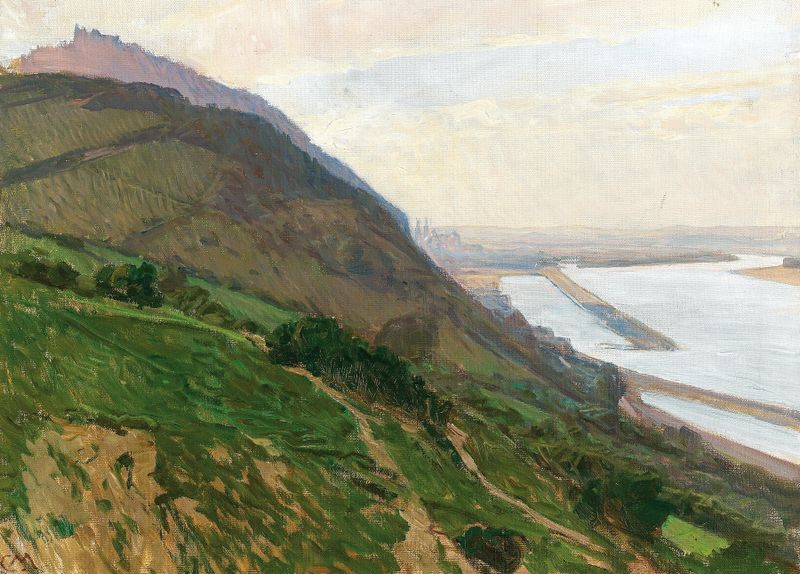
Donauansicht
Carl Moll
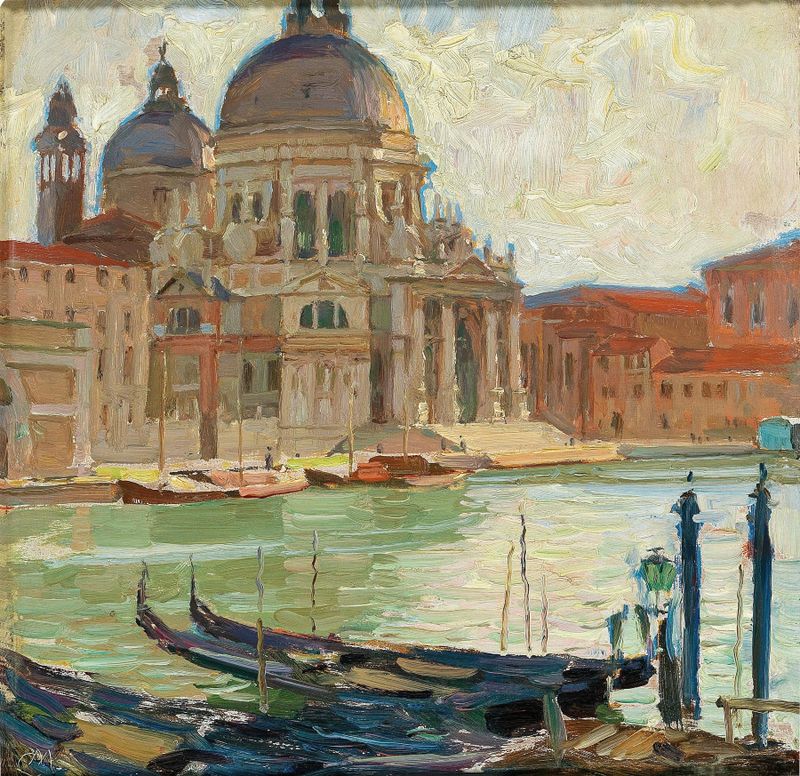
Kirche in Venedig
Carl Moll

Wassermühle in Goisern (nach Emil Jakob Schindler)
Carl Moll

Winter at Hohe Warte, Rothschild Gardens
Carl Moll

Römische Ruine in Schönbrunn
Carl Moll

Kirche St Michael in Heiligenstadt
Carl Moll
More Architecture Art
Browse all →
The statue of Liberty
Frédéric Auguste Bartholdi

View of Houses in Delft, Known as ‘The Little Street’
Johannes Vermeer

View of Houses in Delft, Known as ‘The Little Street’
Johannes Vermeer

The Cathedral in Rouen. The portal, Grey Weather
Claude Monet

The yellow house
Vincent van Gogh

The Church in Auvers-sur-Oise, View from the Chevet
Vincent van Gogh