
De Amstel. — History & Facts
When did color learn to lie? In the interplay of hues, a whisper lingers, suggesting a deeper truth veiled within the shades. Focus first on the vibrant strokes of blue and green dancing across the canvas, capturing the essence of the Amstel River. The artist employs a textured brushwork that invites you to feel the water's fluidity, while the skyline emerges softly in the distance—a gentle reminder of nature's embrace. Notice how the bright sunlight filters through the clouds, casting reflections that shimmer like opalescent secrets.
Each layer of paint is a deliberate choice, echoing the harmony found in both the divine and the mundane. Hidden within this picturesque landscape lies a contrast between the serenity of the water and the tension of the encroaching urban silhouette. Look closely at the subtle play of shadow, where the city meets nature; it reveals a dialogue between progress and preservation. The juxtaposition of the lush foreground against the structural rigors of human creation prompts contemplation of our relationship with the environment.
This painting transcends simple representation, evoking an emotional resonance tied to the fragility of beauty. Wenckebach created this piece in the early decades of the 20th century, a time when artistic movements were rapidly evolving. Living in the Netherlands, he witnessed both the modernization of urban landscapes and a burgeoning interest in capturing the essence of natural beauty. Amidst this dynamic backdrop, the artist sought to harmonize the two worlds, exploring themes of divinity and human presence in a rapidly changing society.
More Artworks by Willem Wenckebach
Browse all →
Bakkersgang te Amsterdam
Willem Wenckebach

Oude huizen aan het Markenplein te Amsterdam
Willem Wenckebach

Oude huizen aan het Waterlooplein te Amsterdam
Willem Wenckebach
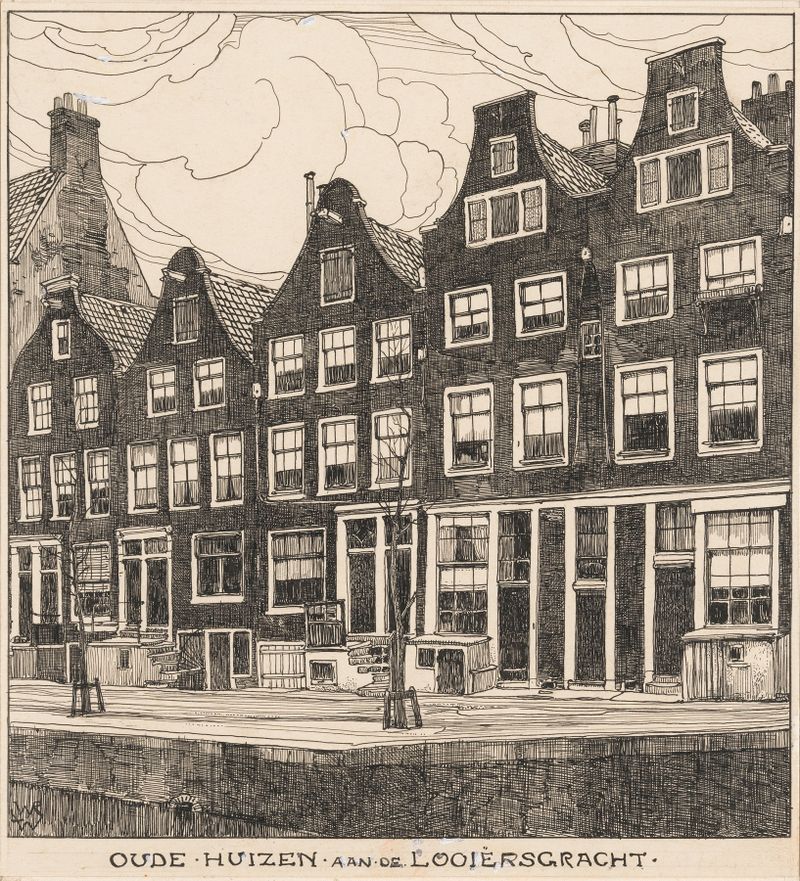
Oude huizen aan de Looiersgracht te Amsterdam
Willem Wenckebach
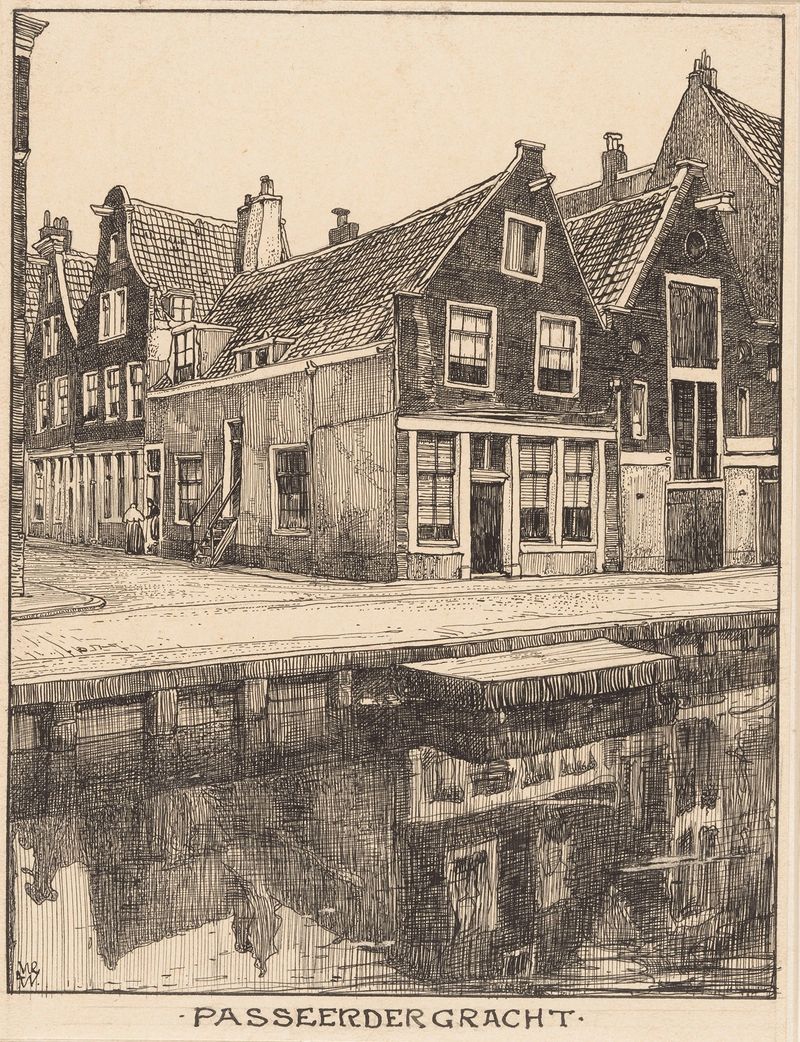
Passeerder Gracht te Amsterdam
Willem Wenckebach
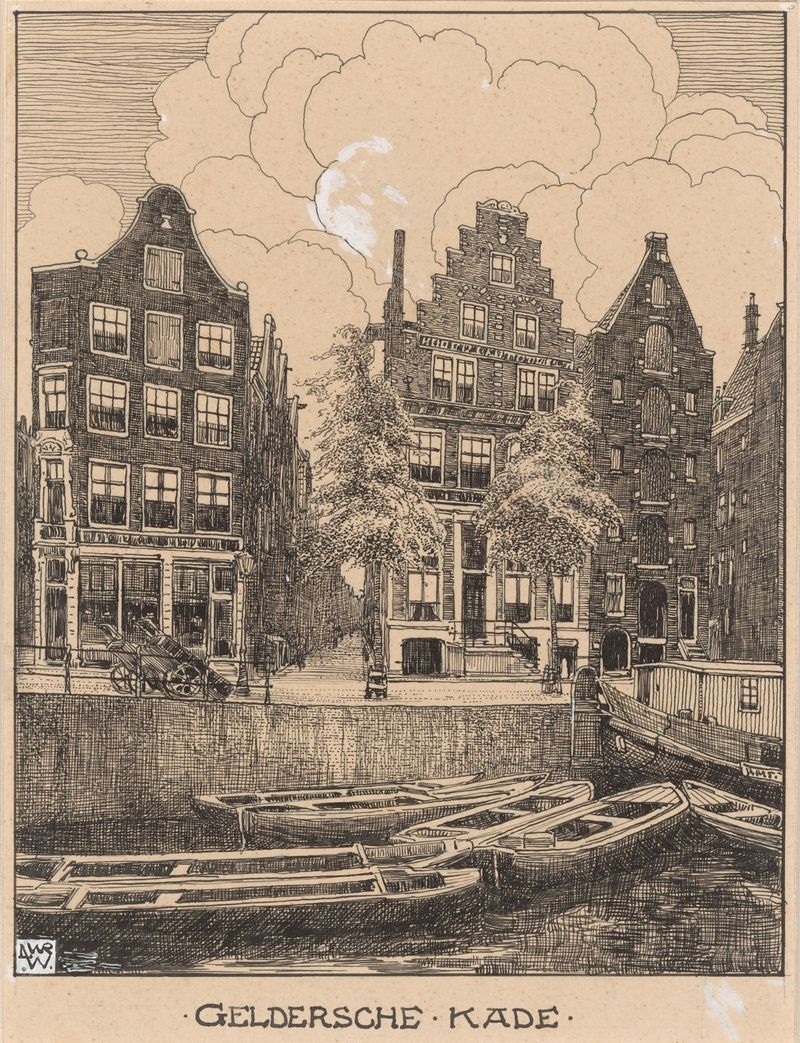
De Gelderse Kade te Amsterdam
Willem Wenckebach
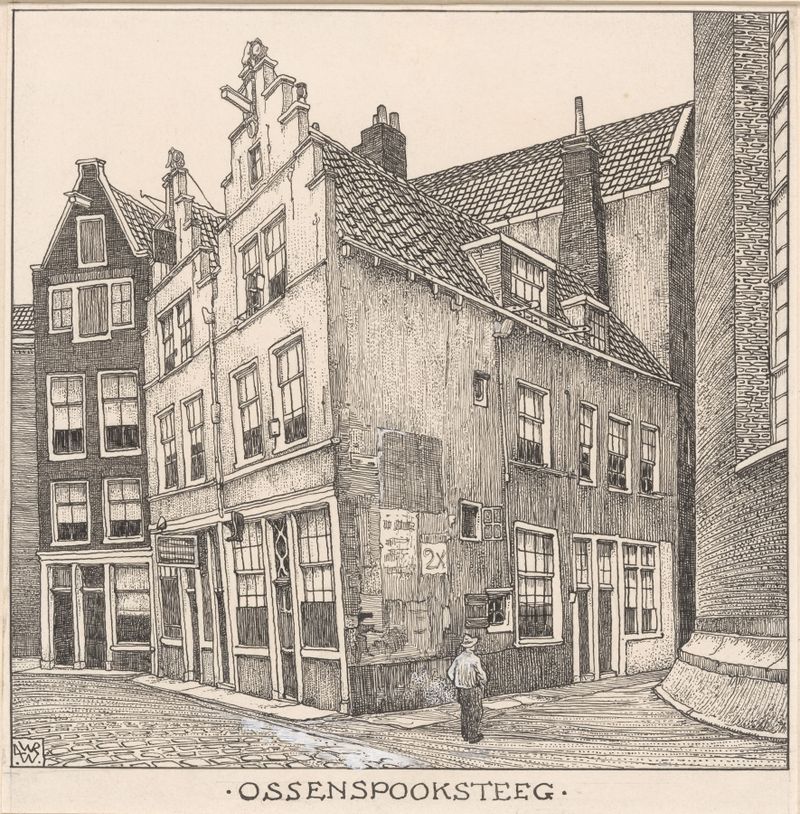
De Ossenspooksteeg te Amsterdam
Willem Wenckebach

Het Beurspleintje te Amsterdam
Willem Wenckebach
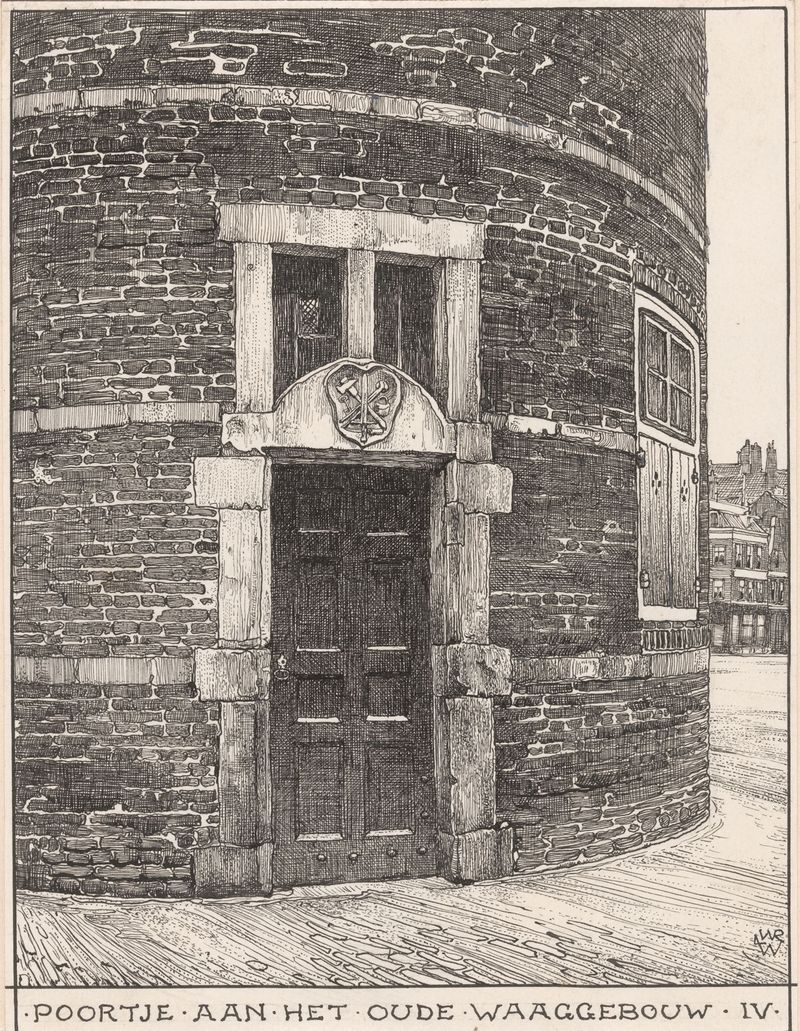
Poortje aan het oude Waaggebouw te Amsterdam
Willem Wenckebach

Torensluis te Amsterdam
Willem Wenckebach





