
De Amstel — History & Facts
What secret hides in the quiet of the canvas? Beneath its calm surface, De Amstel whispers of melancholy, inviting us to explore the depths of its serene yet somber landscape. Look to the center, where the gentle curve of the river draws your eye, glistening under the soft light. Notice the delicate strokes that define the water, each ripple a testament to the artist's meticulous technique, contrasting richly with the sturdy trees flanking the banks. The subdued palette—muted greens, soft browns, and hints of gray—evokes a sense of stillness, capturing both beauty and a hint of longing within the natural world. The emotional tension in this piece lies in its juxtaposition: the vibrant life surrounding the river juxtaposed with the stillness of the water.
The trees, though lush, stand almost sentinel-like, as if guarding whispered secrets lost to time. There is an unspoken narrative threading through the quietude; the river appears to flow gently, yet one senses an undercurrent of nostalgia, a longing for moments forever past. Wenckebach painted De Amstel in the 20th century while living in the Netherlands, a period marked by the aftermath of two World Wars and an evolving art scene that embraced both realism and abstraction. His work reflects a harmony with nature, showcasing a longing for peace amid chaos, capturing the essence of a world grappling with its own tumult and searching for tranquility.
More Artworks by Willem Wenckebach
Browse all →
Bakkersgang te Amsterdam
Willem Wenckebach

Oude huizen aan het Markenplein te Amsterdam
Willem Wenckebach

Oude huizen aan het Waterlooplein te Amsterdam
Willem Wenckebach
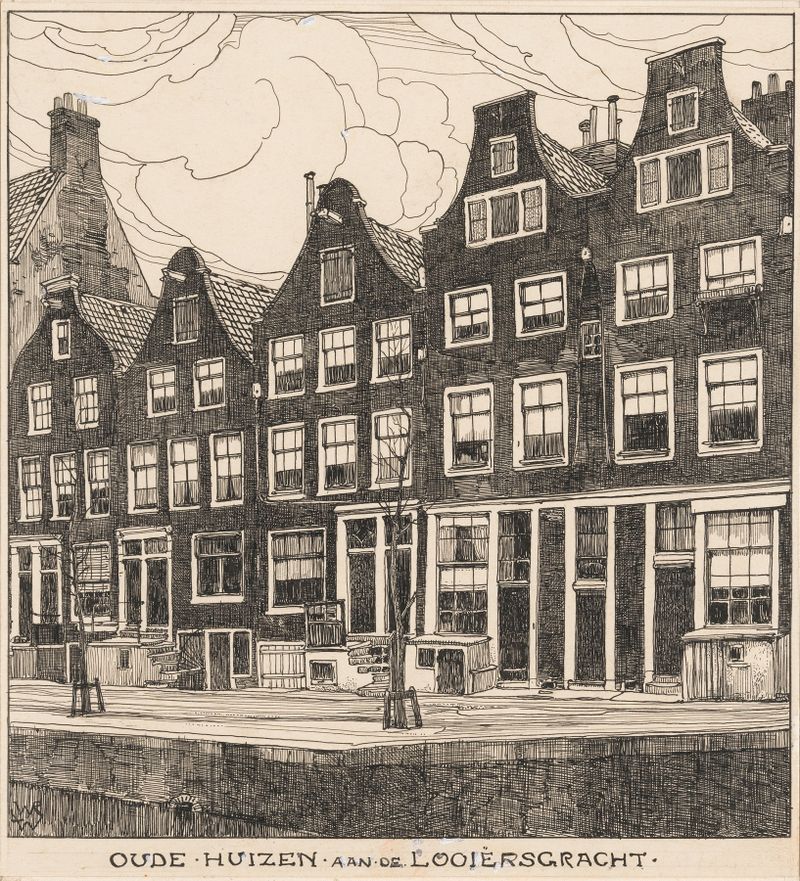
Oude huizen aan de Looiersgracht te Amsterdam
Willem Wenckebach
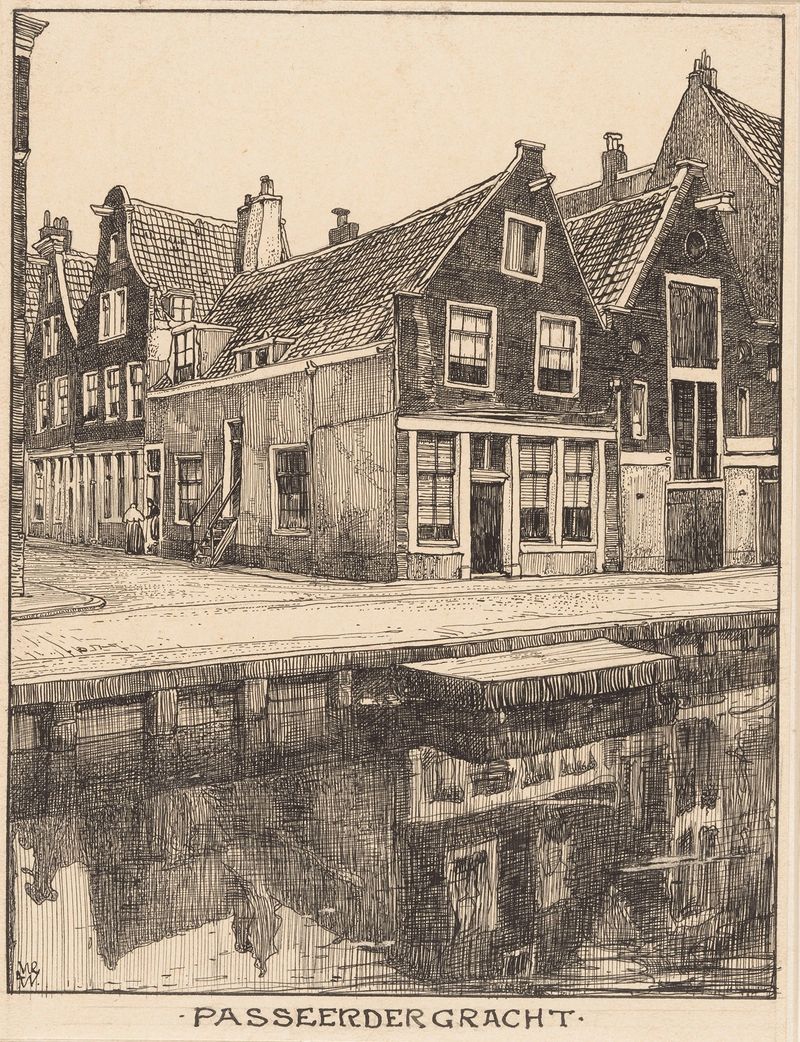
Passeerder Gracht te Amsterdam
Willem Wenckebach
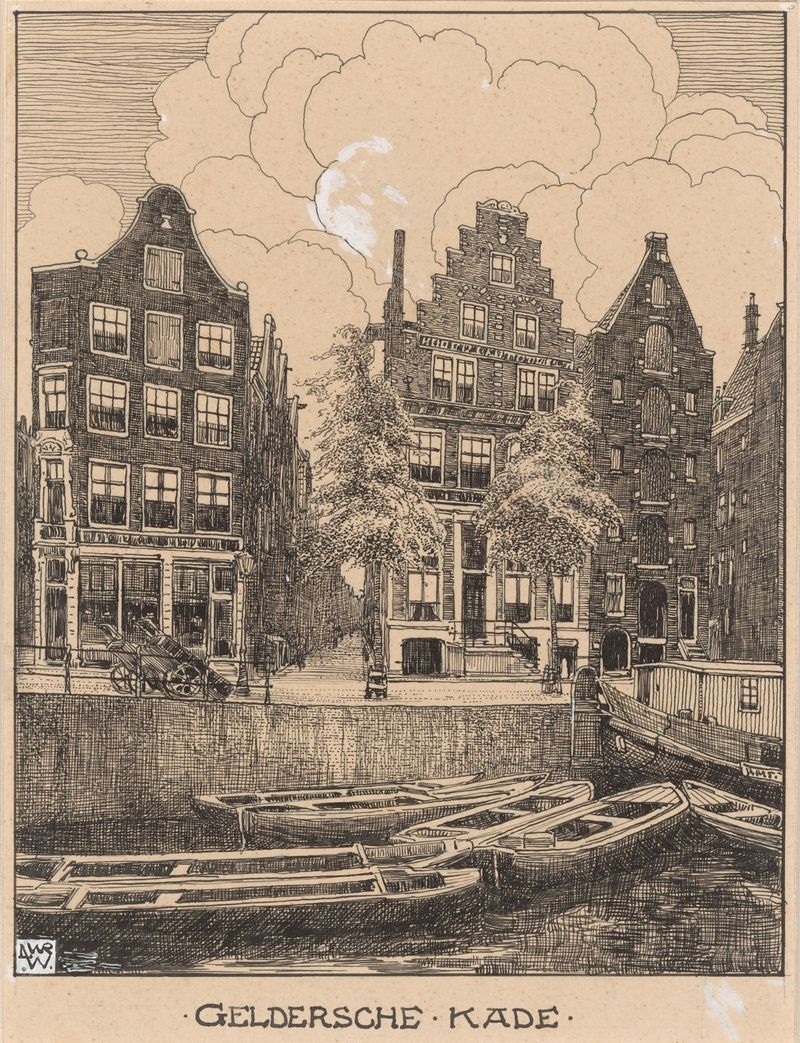
De Gelderse Kade te Amsterdam
Willem Wenckebach
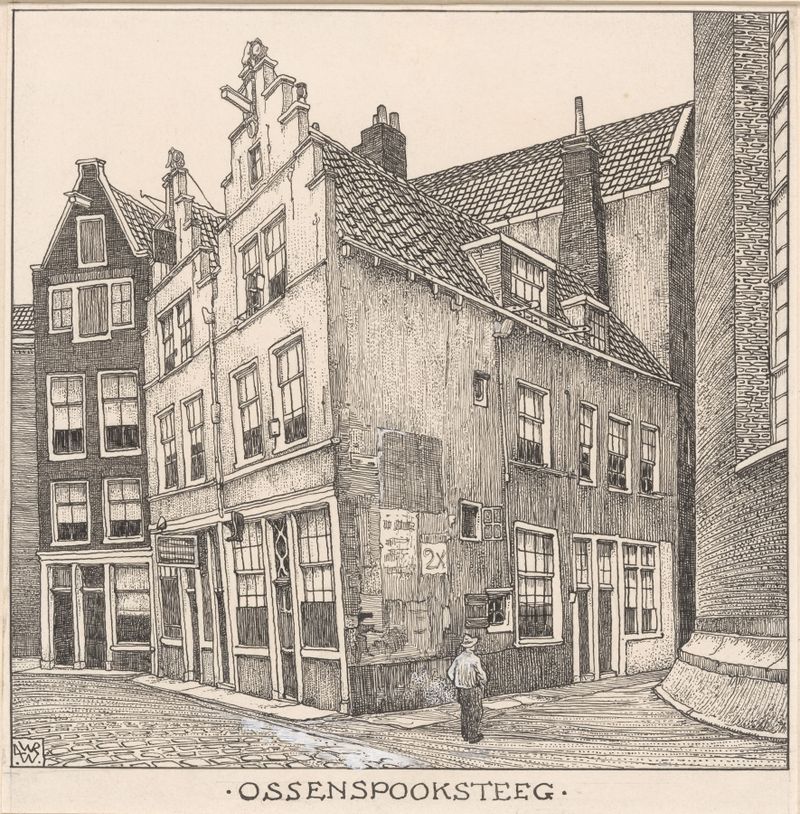
De Ossenspooksteeg te Amsterdam
Willem Wenckebach

Het Beurspleintje te Amsterdam
Willem Wenckebach
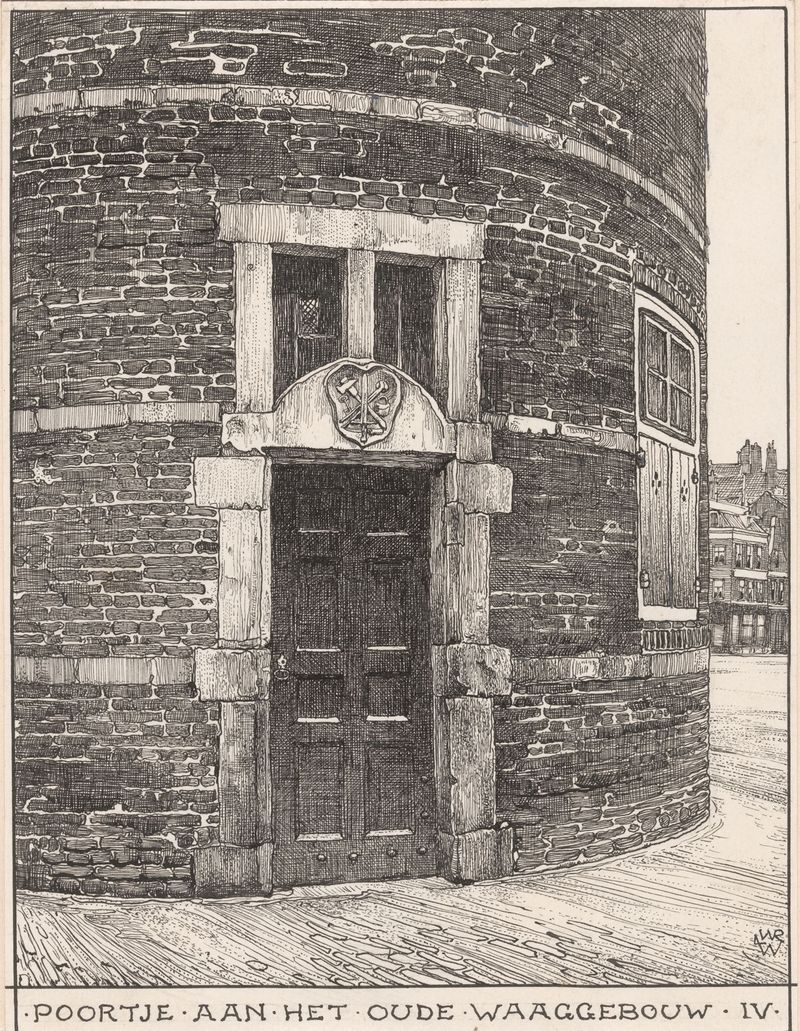
Poortje aan het oude Waaggebouw te Amsterdam
Willem Wenckebach

Torensluis te Amsterdam
Willem Wenckebach





