
De Amstelsluis — History & Facts
Who listens when art speaks of silence? In the stillness of De Amstelsluis, a quiet revolution unfolds, inviting contemplation on the passage of time and the weight of history. Look to the center of the canvas, where the waterway stretches, mirroring the somber sky above. The muted palette of blues and grays evokes a sense of calm, yet there is an underlying current of tension. Notice how the structure of the sluice stands resolute, its angular lines sharply contrasting with the fluidity of water rushing past.
This juxtaposition between the manmade and the natural highlights the fragile balance of control over the elements, drawing the viewer's eye toward the point where civilization meets the wild. As you explore the edges of the painting, pay attention to the reflections shimmering on the surface of the water. They hint at the lives that have traversed this space, whispers of stories left untold. The stillness of the scene captures a moment of pause, urging us to reflect not only on the environment but also on the changes that lie beneath, hinting at the revolutionary spirit simmering in the backdrop of history. Wenckebach painted De Amstelsluis in the 20th century, during a time when Europe was grappling with the rapid transformations of society and technology.
This period marked a significant shift in artistic expression as artists began to explore new forms and ideas, often reflecting the tension of their surroundings. Wenckebach's work emerges from this context, offering a serene yet powerful commentary on the intersection of nature and humanity, embodying both the silence and the noise of change.
More Artworks by Willem Wenckebach
Browse all →
Bakkersgang te Amsterdam
Willem Wenckebach

Oude huizen aan het Markenplein te Amsterdam
Willem Wenckebach

Oude huizen aan het Waterlooplein te Amsterdam
Willem Wenckebach
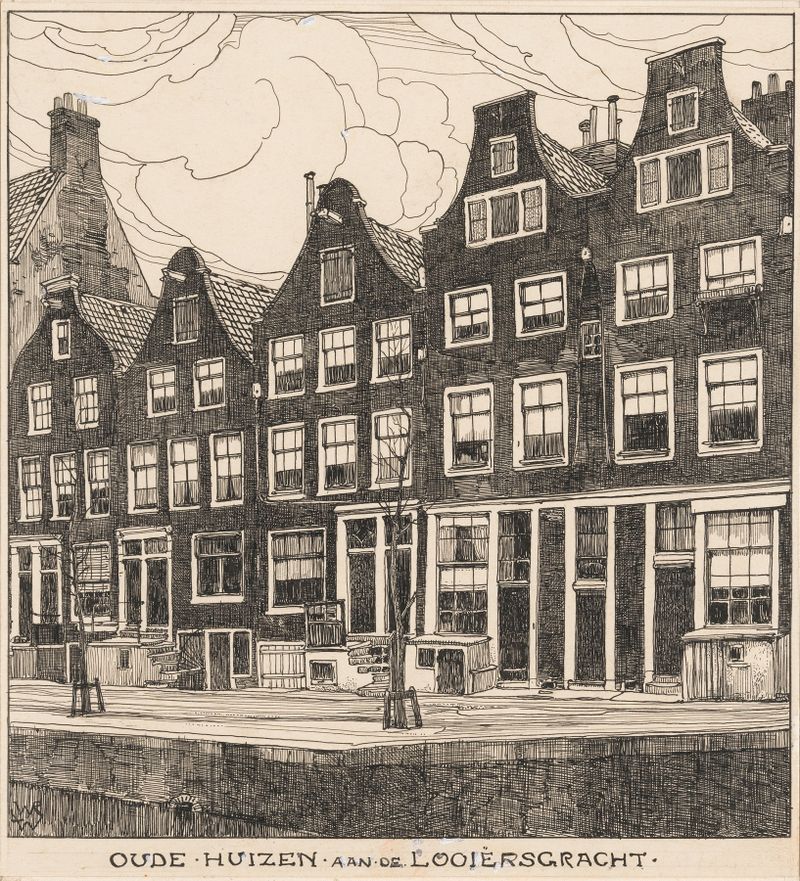
Oude huizen aan de Looiersgracht te Amsterdam
Willem Wenckebach
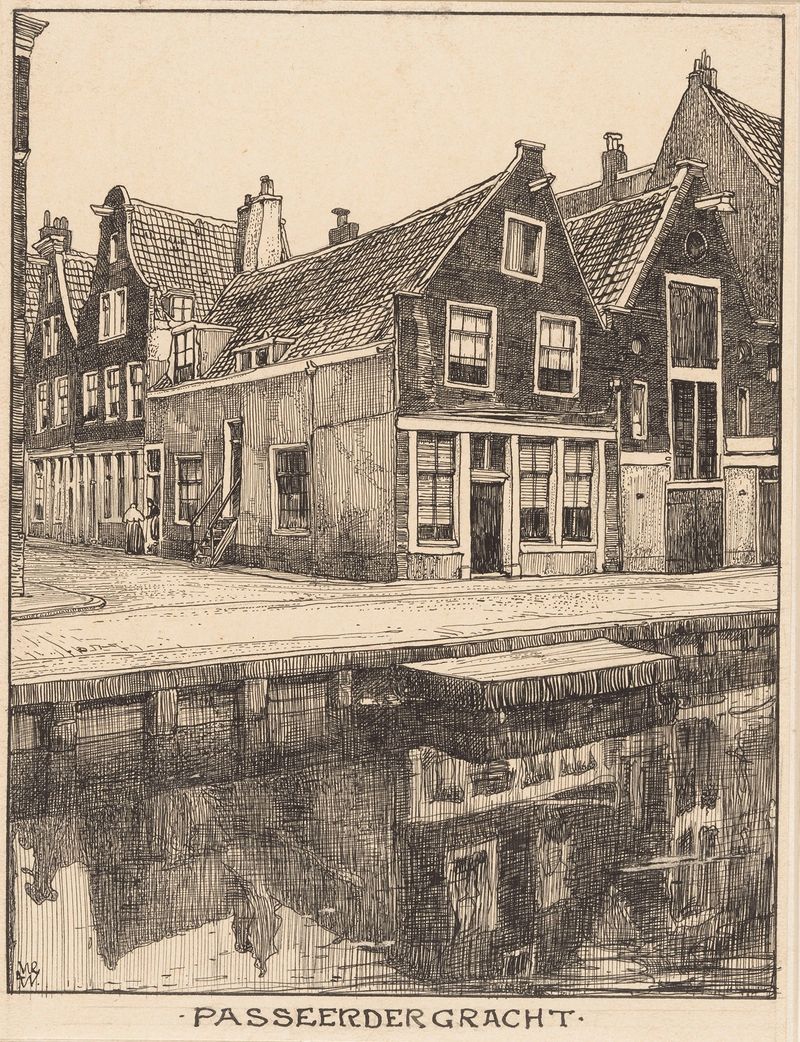
Passeerder Gracht te Amsterdam
Willem Wenckebach
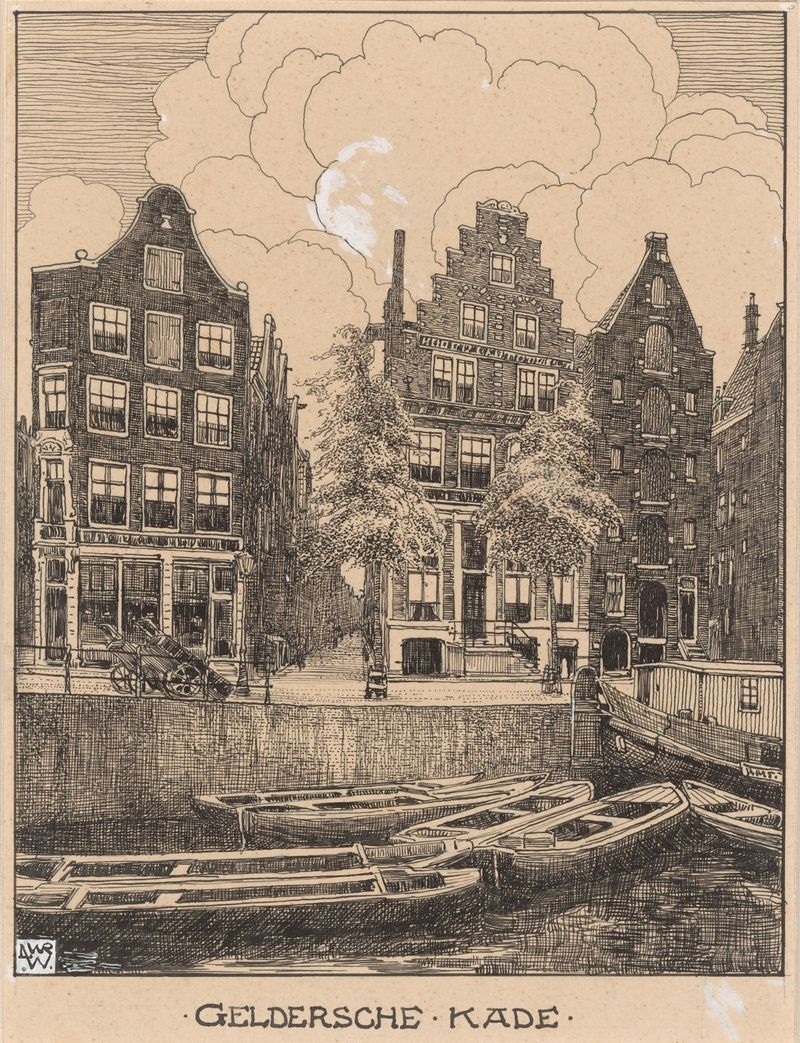
De Gelderse Kade te Amsterdam
Willem Wenckebach
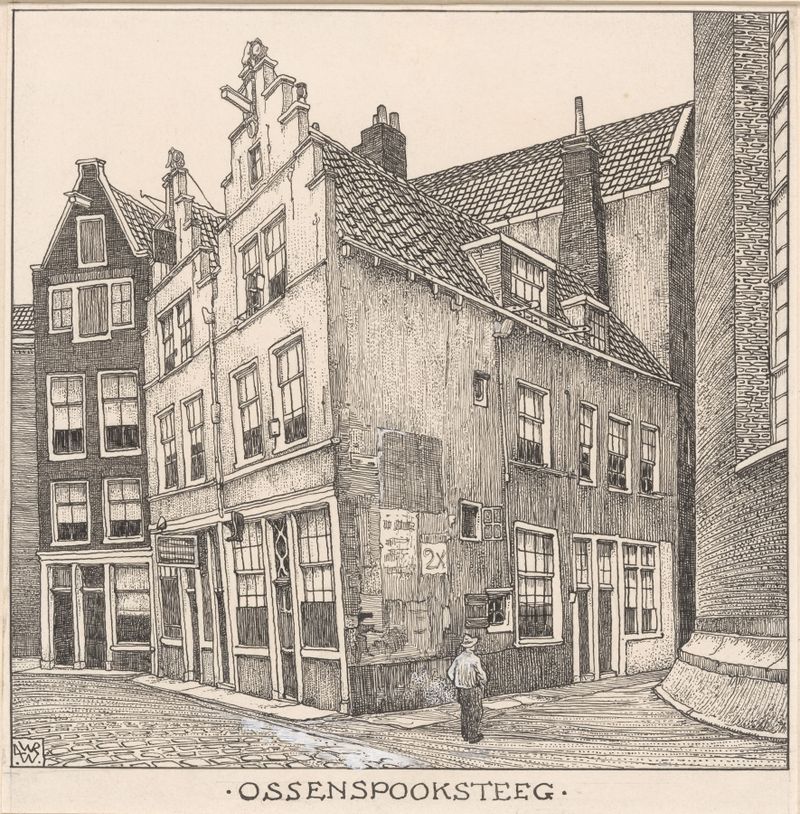
De Ossenspooksteeg te Amsterdam
Willem Wenckebach

Het Beurspleintje te Amsterdam
Willem Wenckebach
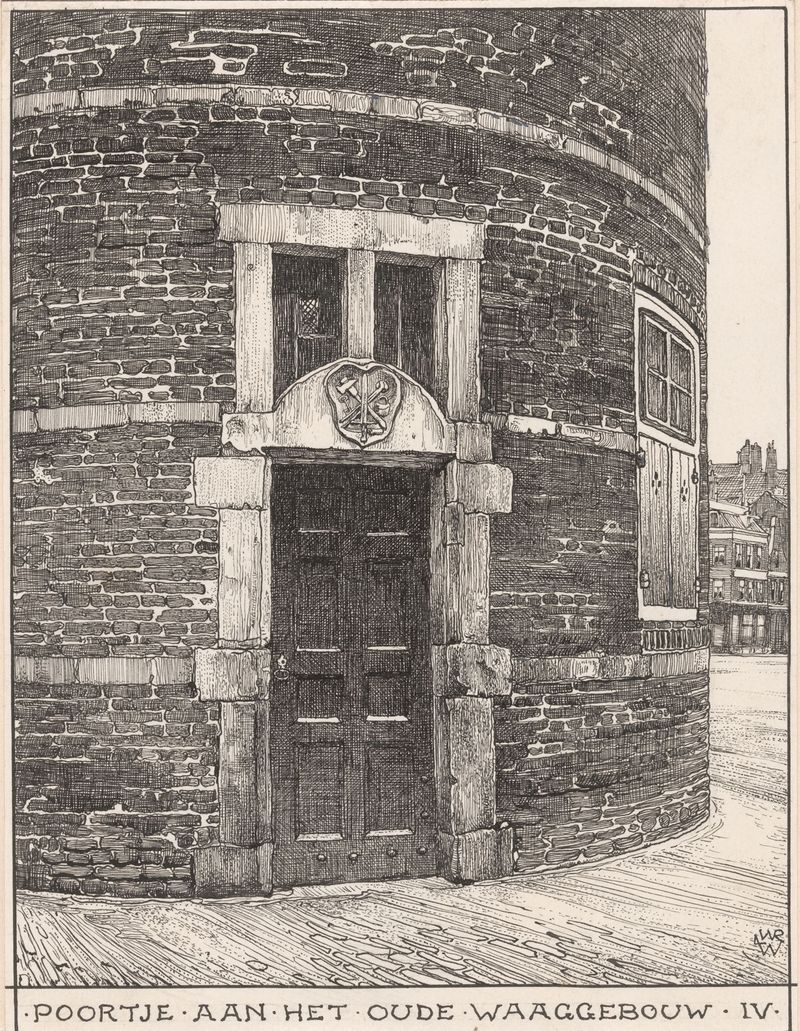
Poortje aan het oude Waaggebouw te Amsterdam
Willem Wenckebach

Torensluis te Amsterdam
Willem Wenckebach





