De Baak, een badplaats aan het IJ — History & Analysis
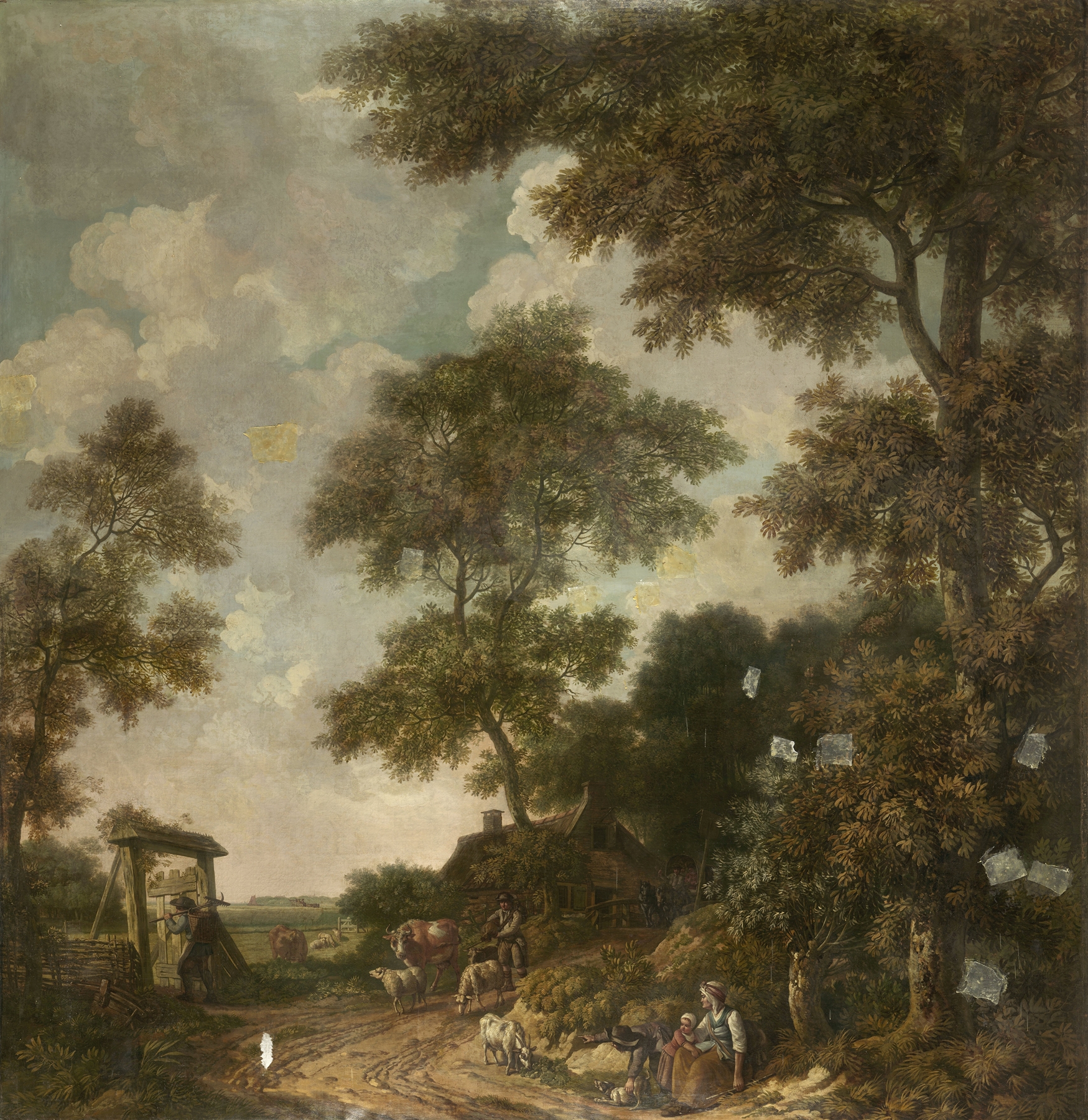
Did the painter know this moment would outlive them? In a world where the transient nature of life often overshadows our existence, the vivid colors of a scene can freeze time, capturing a fleeting moment with breathtaking precision. Look to the center of the canvas, where the glistening water of the IJ reflects hues of azure and gold, weaving together the natural beauty of the shoreline and the vibrancy of human activity. The composition draws the eye to the beachgoers, depicted with gentle brushstrokes that hint at the warmth of their leisurely day.
Notice how the light dances on the surface of the water, creating an almost palpable warmth, while the distant horizon blurs into a soft gradient, inviting contemplation. Delve deeper into the subtleties of emotion in this artwork. The juxtaposition of the serene water against the bustling figures evokes a contrast between tranquility and vibrancy, capturing the essence of summer. Each individual gesture is alive with energy—some delighting in the sun, others engaged in conversation—suggesting a collective joy that resonates beyond the frame.
The choice of color embodies not only the warmth of the sun but also the spirit of a time when leisure was a rare luxury, illuminating the broader societal shifts occurring in that era. Created in 1803, this piece reflects Jurriaan Andriessen’s keen observation of contemporary life at a time when the Netherlands was undergoing significant changes. Residing in Amsterdam, Andriessen was influenced by the rise of Romanticism and the burgeoning admiration for landscape painting, capturing everyday life with a fresh perspective that would continue to resonate in the annals of art history.