
De boog van Janus quadrifons en een deel van de S. Giorgio in Velabro te Rome — History & Facts
In the quiet embrace of decay, we find the essence of resilience and transience, captured in the depths of a painted scene. Look to the left, where the grand arch of Janus stands sentinel, its once-magnificent stonework now softened by time. Notice the crumbling edges and the way light subtly caresses the surface, revealing a palette of muted earth tones that speak to the passage of years. The juxtaposition of robust architecture against the fragile beauty of its degradation invites a contemplative gaze, drawing us into the history embedded in every crack and crevice. As you shift your focus towards the structure of S.
Giorgio in Velabro, consider the interplay between the steadfastness of the buildings and the encroaching nature that surrounds them. The delicate vines and creeping flora suggest a symbiosis of growth and decay, symbolizing the relentless cycle of life. This tension between permanence and impermanence reflects not only the physical state of the architecture but also the broader narrative of human legacy and loss. Daniël Dupré painted this work between 1761 and 1817 during a period rich with neoclassical exploration in Rome.
As he navigated the evolving art scene, Dupré's attention to the remnants of ancient structures mirrored a growing interest in preserving cultural heritage amid urban transformation. Italy was in a state of political and social flux, which influenced his explorations of decay, capturing both nostalgia and a profound reverence for the past.
More Artworks by Daniël Dupré
Browse all →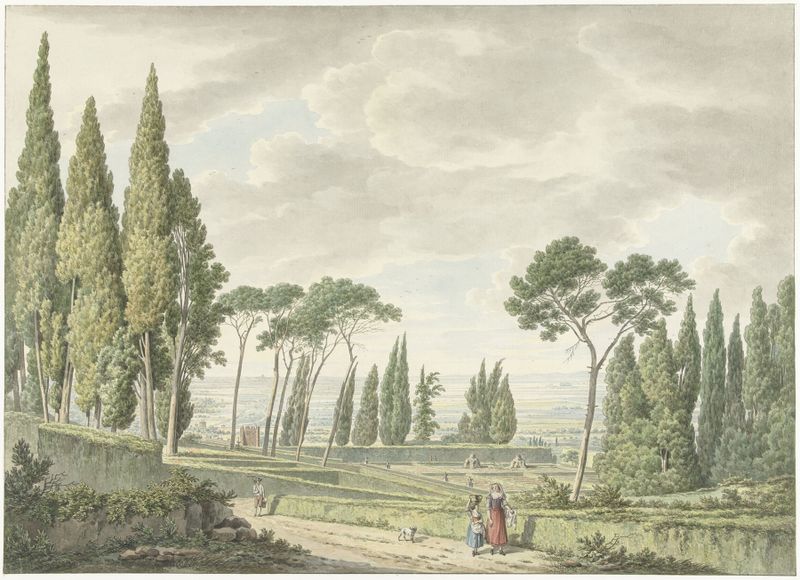
View of the terraces of the Villa d’Este in Tivoli
Daniël Dupré
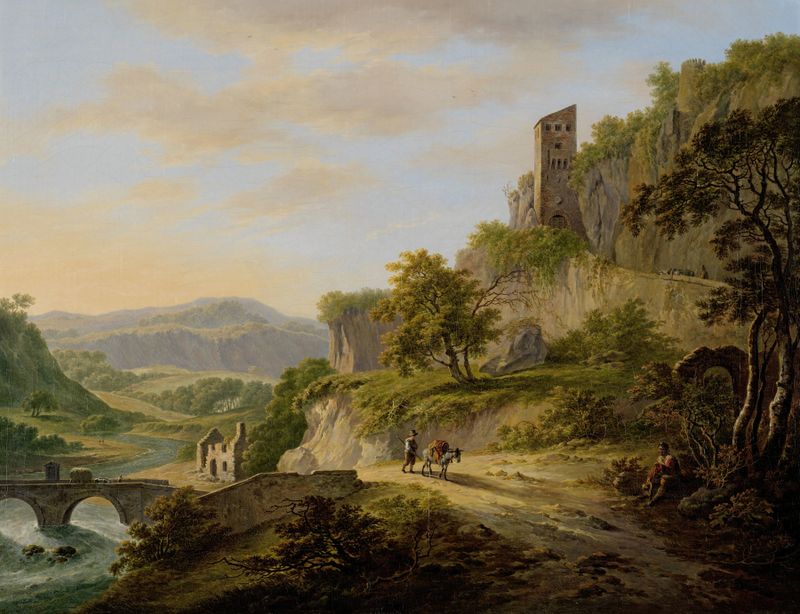
Gezicht op Civita Castellana
Daniël Dupré
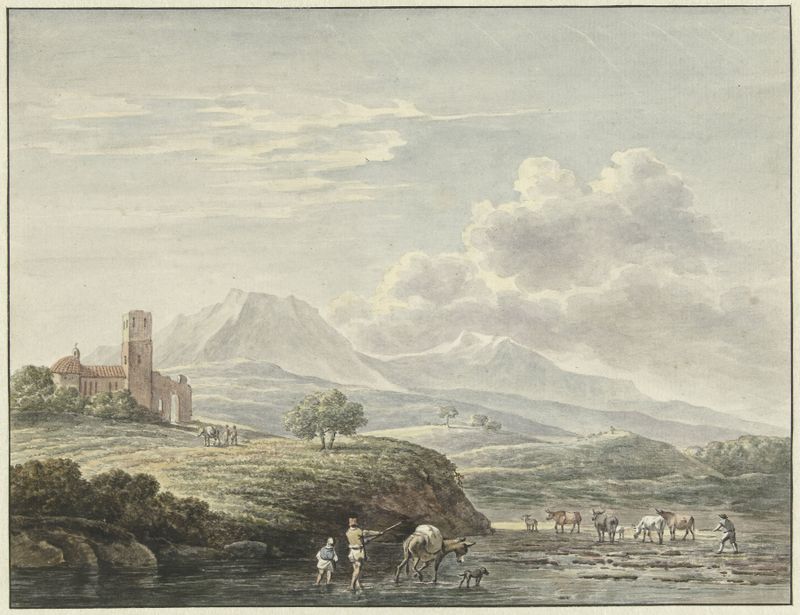
Italiaans landschap, after Karel du Jardin, 1761 – 1800
Daniël Dupré
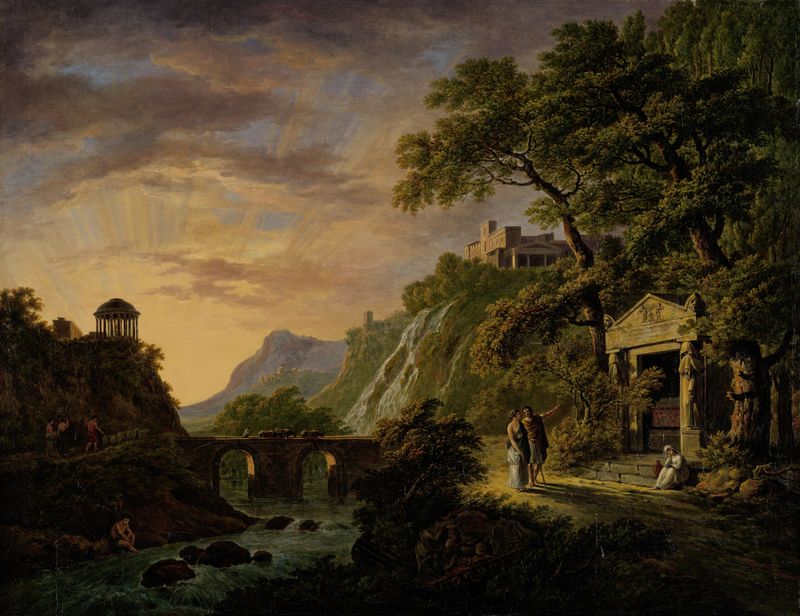
Arcadisch landschap met ondergaande zon
Daniël Dupré
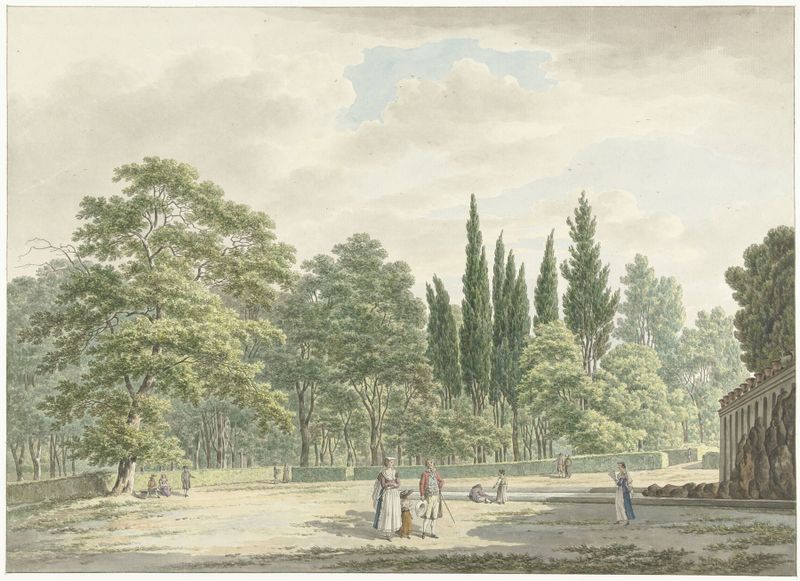
Wandelaars op een terras van de Villa Conti te Frascati
Daniël Dupré
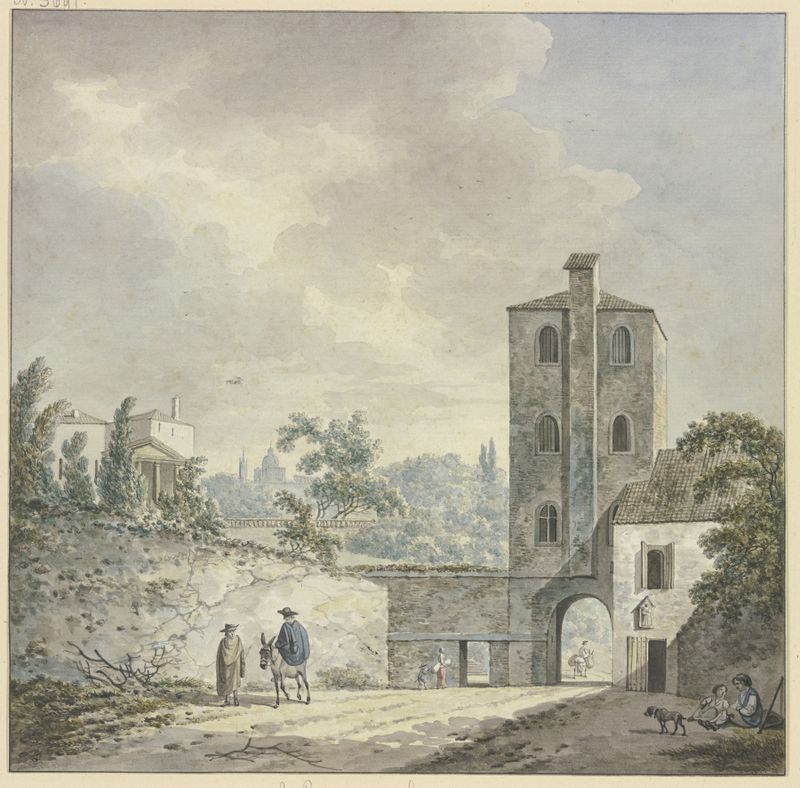
Porta della Luppia del Monte
Daniël Dupré
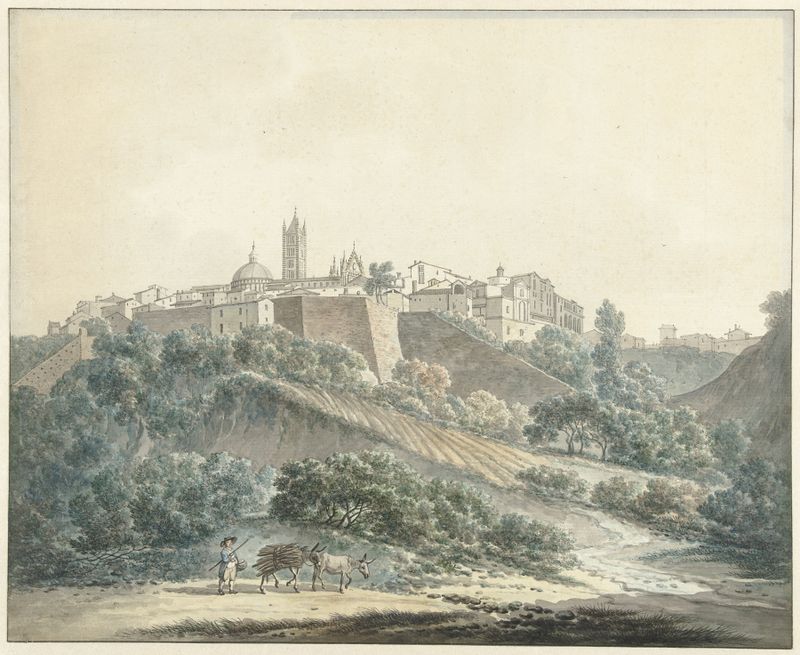
Gezicht op Siena
Daniël Dupré
More Architecture Art
Browse all →
The statue of Liberty
Frédéric Auguste Bartholdi

View of Houses in Delft, Known as ‘The Little Street’
Johannes Vermeer

View of Houses in Delft, Known as ‘The Little Street’
Johannes Vermeer

The Cathedral in Rouen. The portal, Grey Weather
Claude Monet

The yellow house
Vincent van Gogh

The Church in Auvers-sur-Oise, View from the Chevet
Vincent van Gogh