
Gezicht op Siena — History & Facts
When did color learn to lie? The vibrant hues of Gezicht op Siena draw the eye like a siren's call, inviting a deeper exploration of truth beneath the surface. Focus on the soft ochres and rich terracottas that blanket the cityscape, where sunlight dances across rooftops and the architecture emerges in fluid lines. Notice how the artist deftly captures the interplay between light and shadow; the warm tones of the buildings contrast starkly with the cool blue of the sky, creating a dynamic tension that breathes life into the scene. Each brushstroke reveals a masterful command of technique, inviting the viewer to linger. Yet, within the beauty of this picturesque vista lies an undercurrent of chaos, subtly reflected in the tumultuous arrangement of the clouds that loom above.
The tranquillity of the scene is disrupted by their dark, swirling mass, hinting at the inevitable storms that life presents. The juxtaposition of serene architecture against a foreboding sky mirrors the complexities of existence itself, where harmony can quickly shift into disorder. In 1787, Daniël Dupré stood in Siena, capturing this moment amidst a Europe on the brink of profound change. The artistic realm was embracing neoclassicism while stirring with the echoes of revolution.
Dupré, influenced by the picturesque beauty of the Italian landscape, sought to document the elegance of the city even as the world outside began to unravel.
More Artworks by Daniël Dupré
Browse all →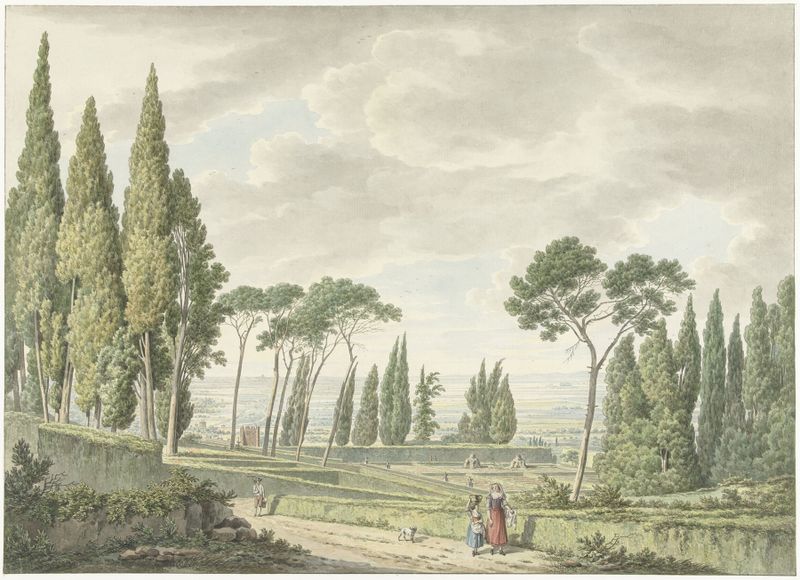
View of the terraces of the Villa d’Este in Tivoli
Daniël Dupré
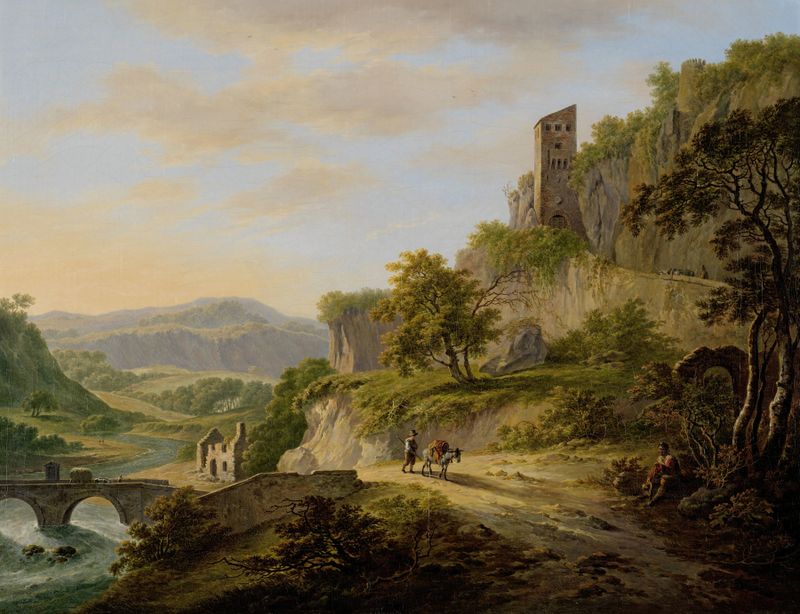
Gezicht op Civita Castellana
Daniël Dupré
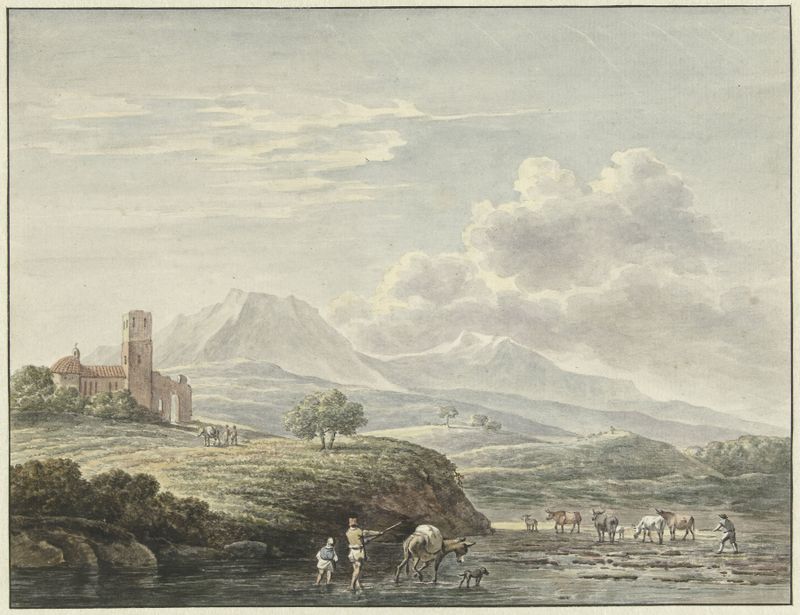
Italiaans landschap, after Karel du Jardin, 1761 – 1800
Daniël Dupré
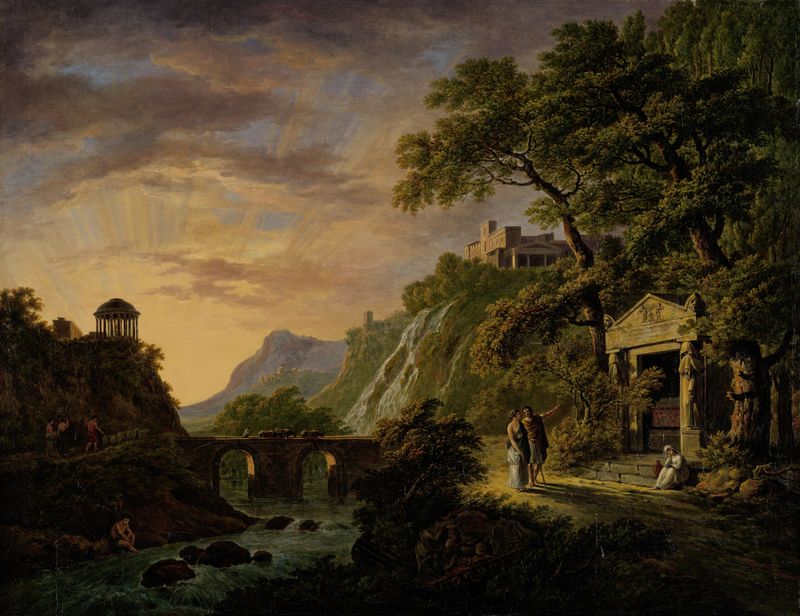
Arcadisch landschap met ondergaande zon
Daniël Dupré
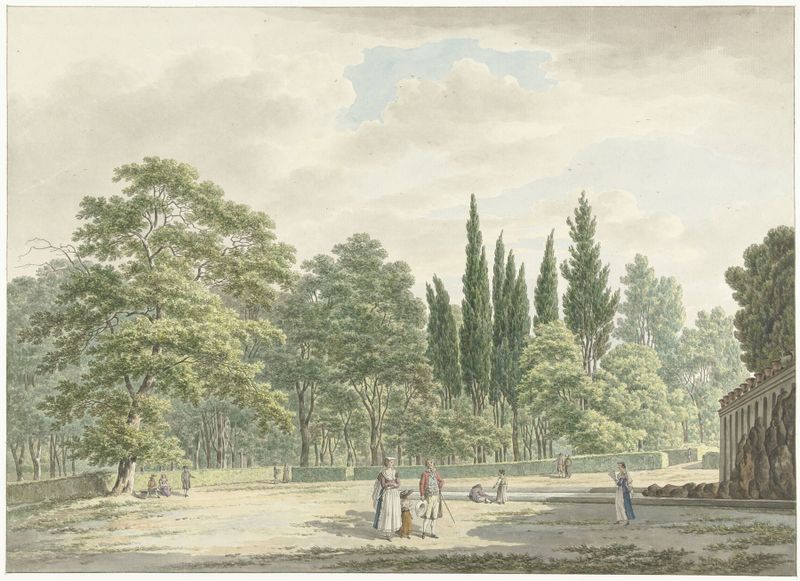
Wandelaars op een terras van de Villa Conti te Frascati
Daniël Dupré
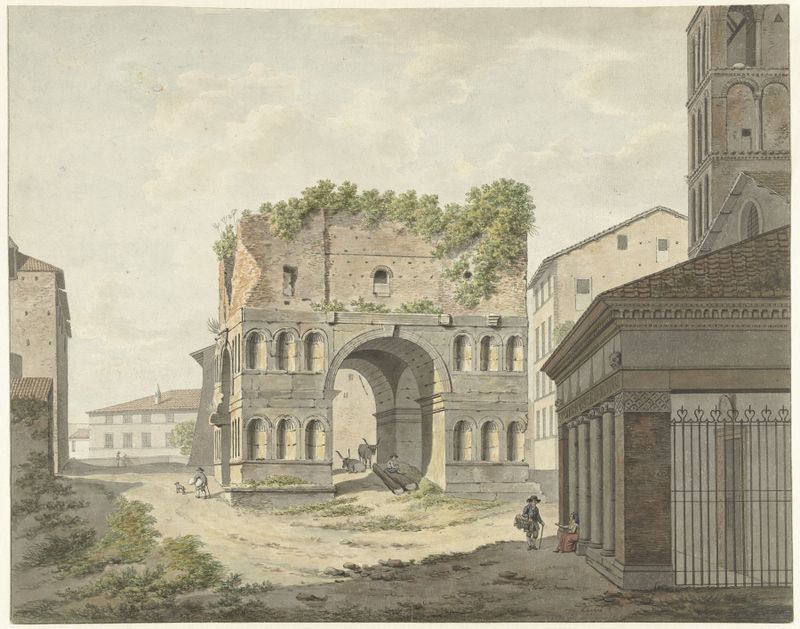
De boog van Janus quadrifons en een deel van de S. Giorgio in Velabro te Rome
Daniël Dupré
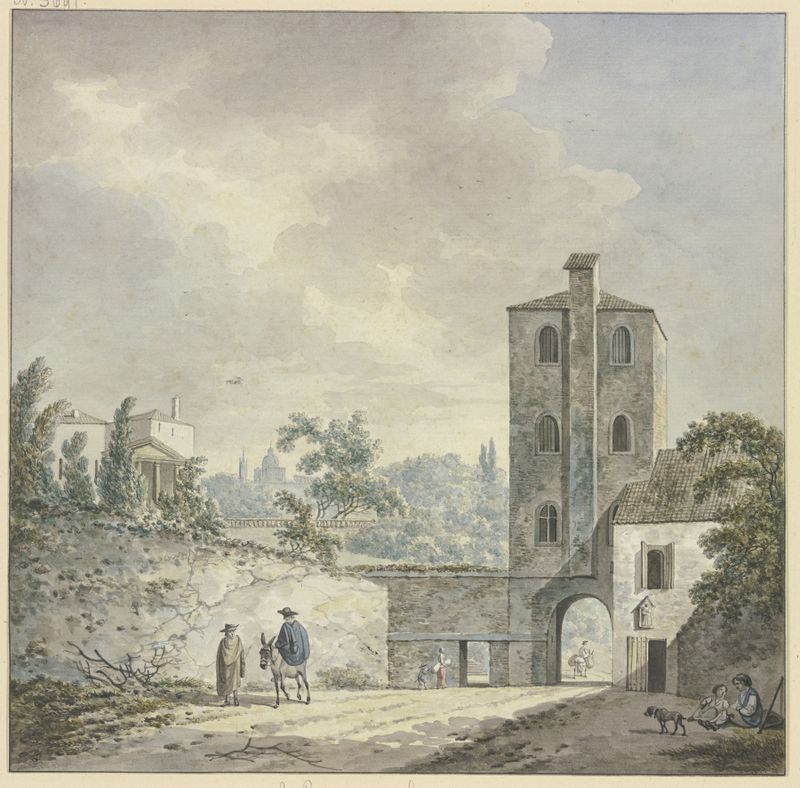
Porta della Luppia del Monte
Daniël Dupré





