
Gezicht op Civita Castellana — History & Facts
When did color learn to lie? In a moment suspended between reality and illusion, the hues of Gezicht op Civita Castellana whisper tales of solitude and longing. Look to the left, where the ochres and muted greens invite you into a landscape that feels both familiar and haunting. The ancient town appears nestled among undulating hills, its structures rising like silent sentinels against a vast, cloudy sky. Notice how the light dances across the buildings, revealing their textured facades while casting long shadows that stretch towards the viewer, as if yearning for connection or recognition.
The careful brushwork captures the wear of time, imbuing the scene with an emotional weight that resonates deeply within the heart. The contrasts in this work speak volumes; the serenity of the landscape is punctured by an underlying loneliness that permeates the air. The absence of human presence amplifies the feeling, leaving only the structures to bear witness to their own history and solitude. The palette, though rich, carries a melancholic edge, evoking a sense of nostalgia for what once was, or what could have been.
Each stroke becomes an echo of isolation, asking the viewer to contemplate their own relationship with place and memory. Daniël Dupré painted Gezicht op Civita Castellana between 1792 and 1809, during a period when neoclassicism and romanticism were vying for prominence in the art world. Living in Italy, he was deeply influenced by the landscape and culture around him, yet this work reveals a personal introspection amid the evolving currents of his time. It reflects a moment in his life marked by both creativity and contemplation, as he sought to capture the essence of the places that shaped him.
More Artworks by Daniël Dupré
Browse all →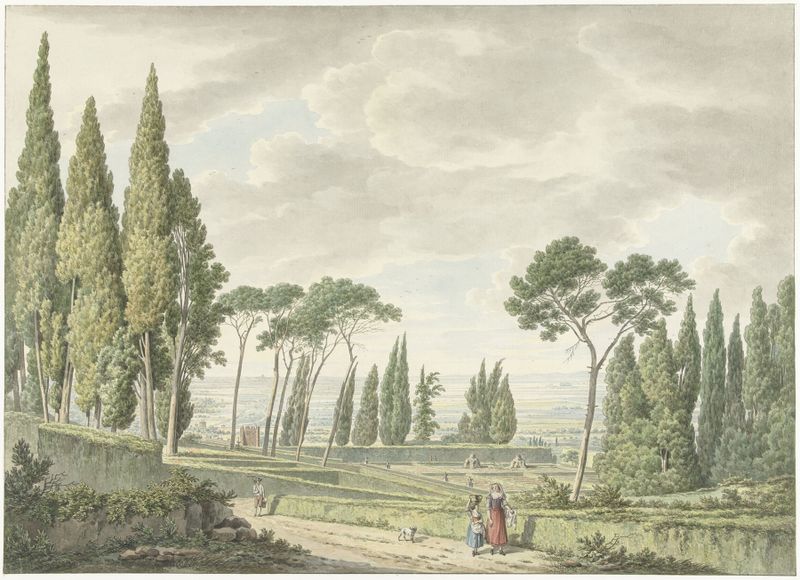
View of the terraces of the Villa d’Este in Tivoli
Daniël Dupré
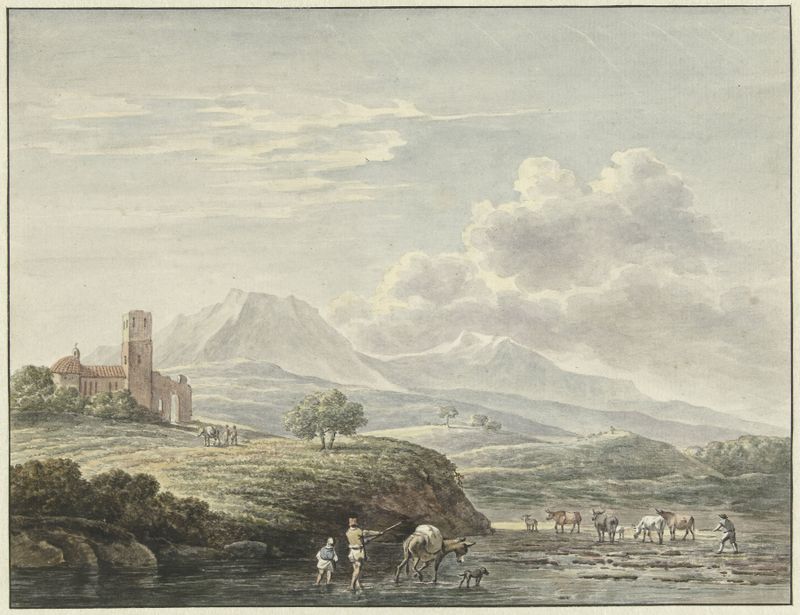
Italiaans landschap, after Karel du Jardin, 1761 – 1800
Daniël Dupré
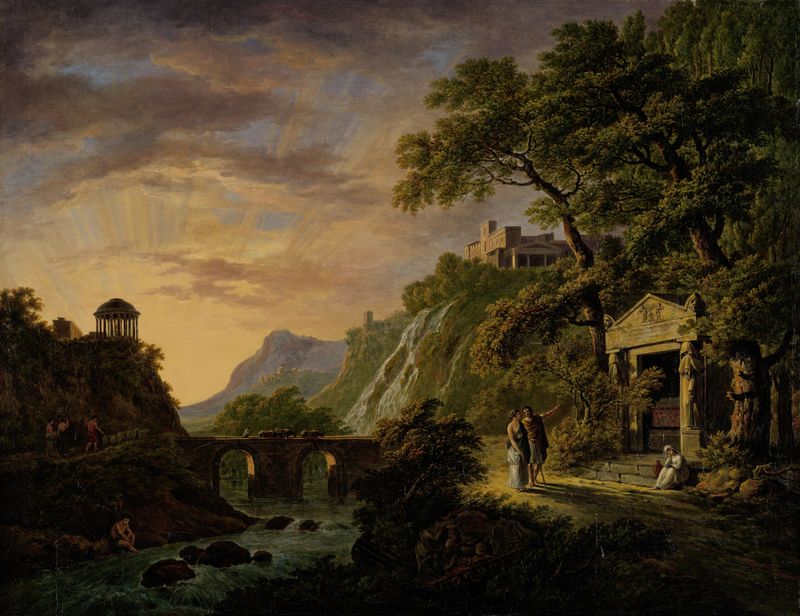
Arcadisch landschap met ondergaande zon
Daniël Dupré
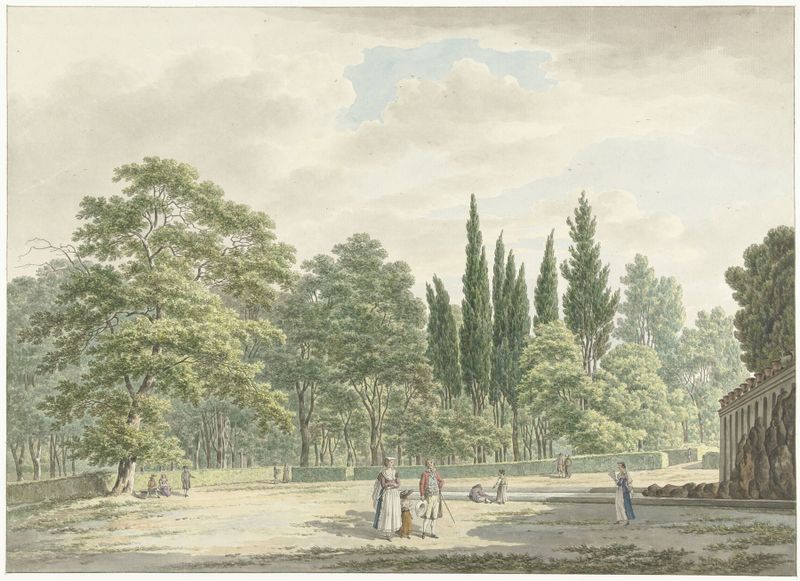
Wandelaars op een terras van de Villa Conti te Frascati
Daniël Dupré
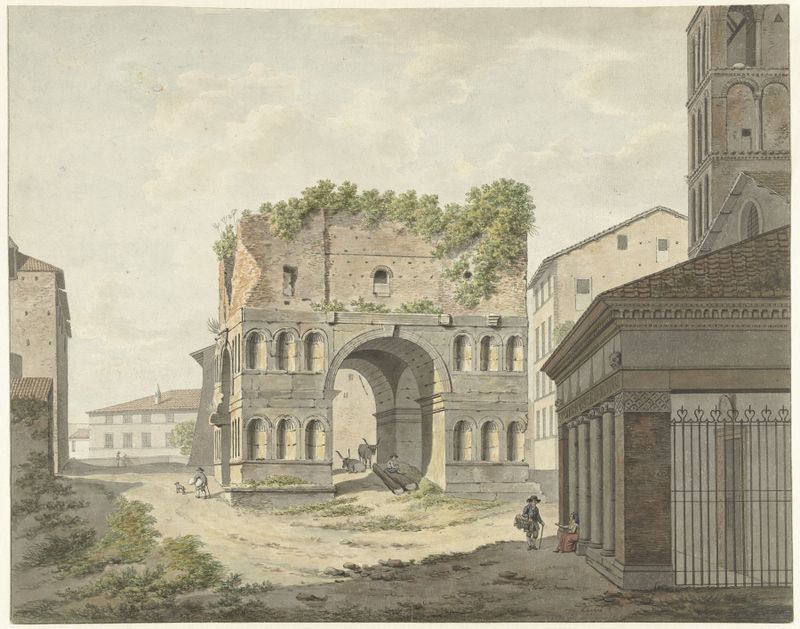
De boog van Janus quadrifons en een deel van de S. Giorgio in Velabro te Rome
Daniël Dupré
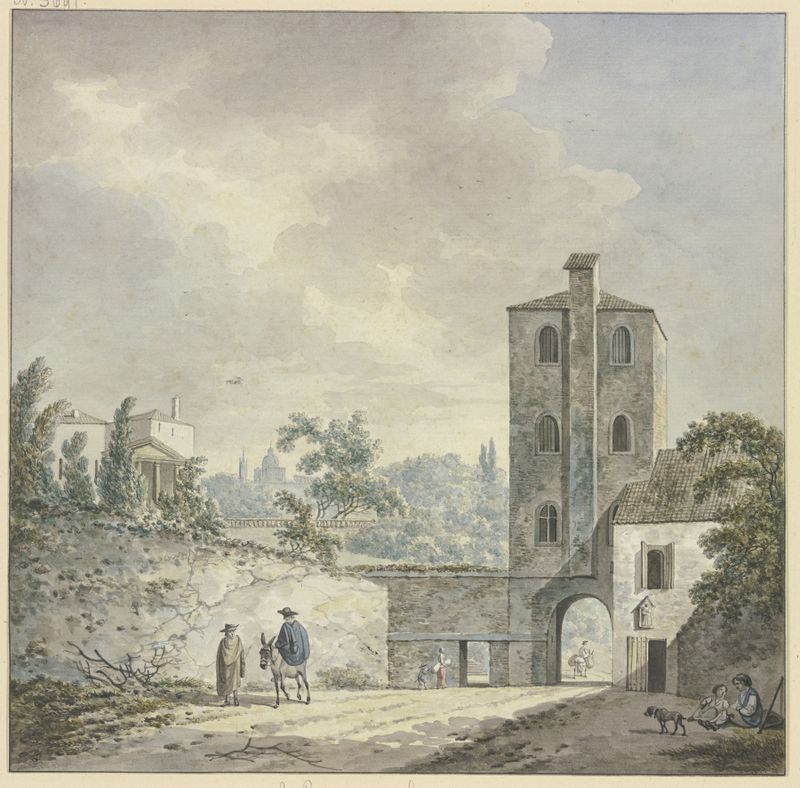
Porta della Luppia del Monte
Daniël Dupré
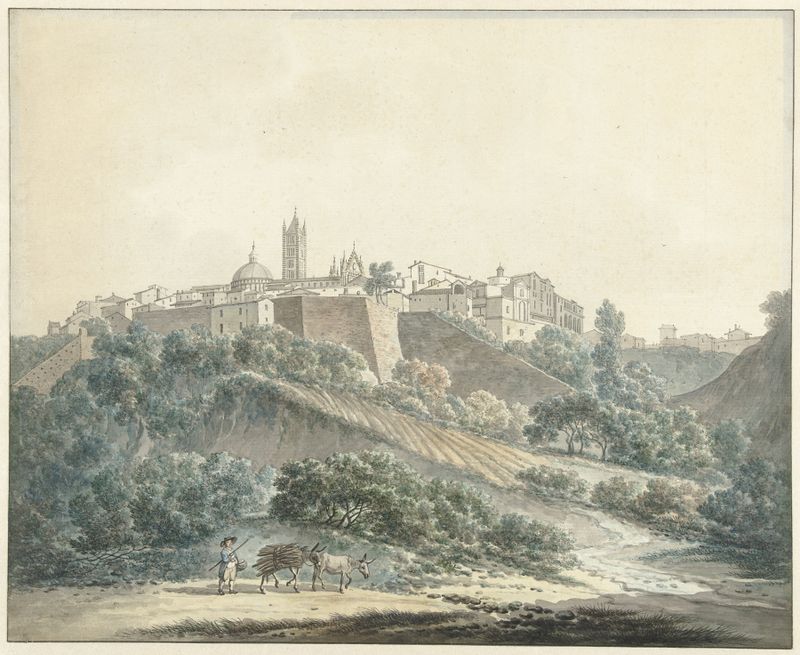
Gezicht op Siena
Daniël Dupré





