
De brug van Arzobispo — History & Facts
In an ever-evolving world, divinity often emerges from the spaces we least expect, illuminated by the tender interplay of hues and shadows. Look to the vibrant strokes that construct the bridge in De brug van Arzobispo. Notice how the artist skillfully blends deep blues and warm golds, creating a divine luminosity that seems to breathe life into the structure. The bridge's arch looms gracefully against a backdrop of ethereal clouds, drawing your gaze upward and evoking a sense of aspiration.
Each brushstroke is deliberate, inviting the viewer to traverse the divide between earth and sky. Within the composition, a tension unfolds between the solidity of the bridge and the ephemeral beauty of the surrounding landscape. The juxtaposition of tangible and intangible elements suggests a spiritual journey—one that beckons us to traverse both physical and metaphysical realms. Fragments of light dance on the water's surface, hinting at the fleeting nature of divinity and the underlying mysteries we seek.
It is as if the bridge serves not just as a passage, but as a metaphor for connection to a higher truth. Otto Howen painted De brug van Arzobispo during an undefined period, possibly in a tranquil setting that reflected his contemplative mindset. Little is documented about his life during this time, but the artwork appears to resonate with an era of exploration in post-war art, where artists sought to infuse their work with deeper meaning amidst the chaos of the human experience. Howen's exploration of spiritual themes through color and form speaks to the broader shifts occurring in the art world, inviting viewers to engage with the divine in their own lives.
More Artworks by Otto Howen
Browse all →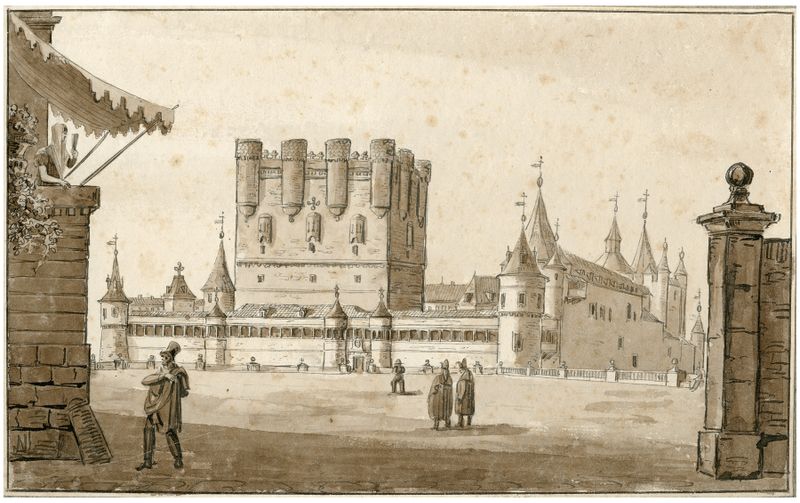
Het Alcazar te Segovia
Otto Howen
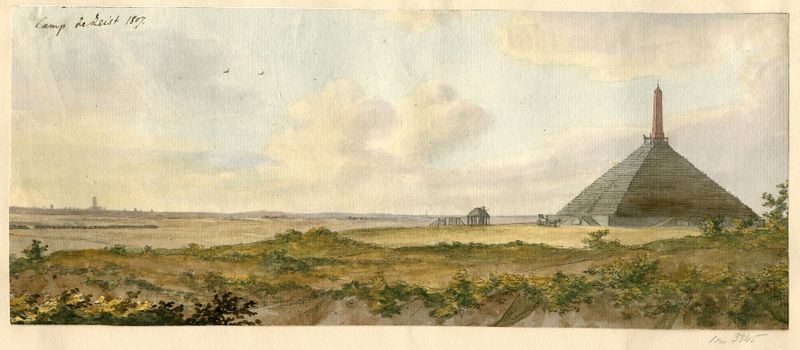
De piramide van Austerlitz bij Zeist
Otto Howen
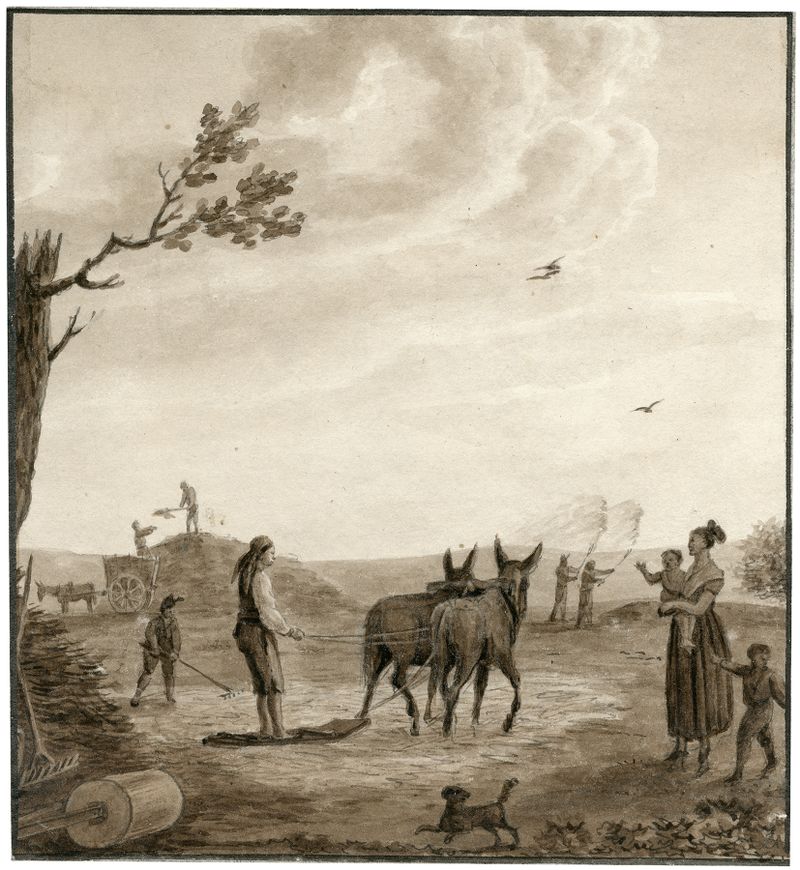
Het dorsen van het graan
Otto Howen
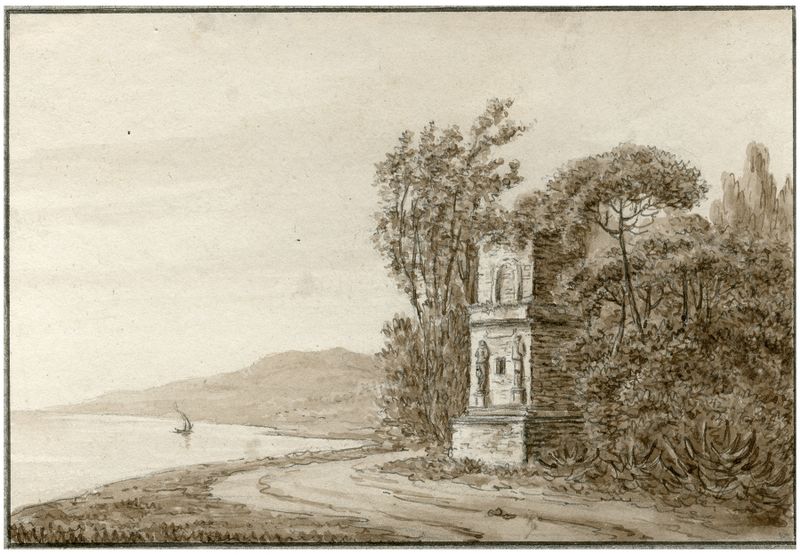
Een antiek monument in de omgeving van Taragone
Otto Howen
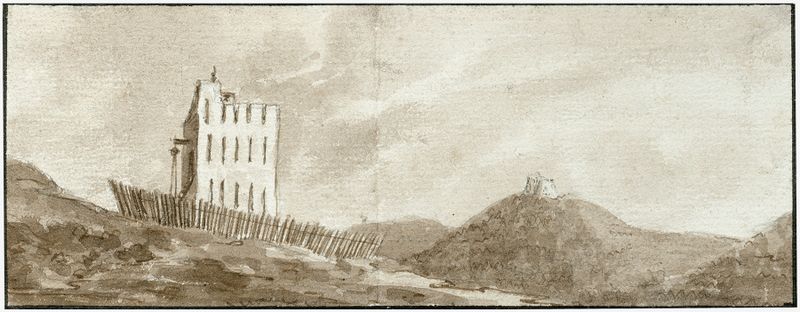
Gezicht in de omgeving van Gerona
Otto Howen
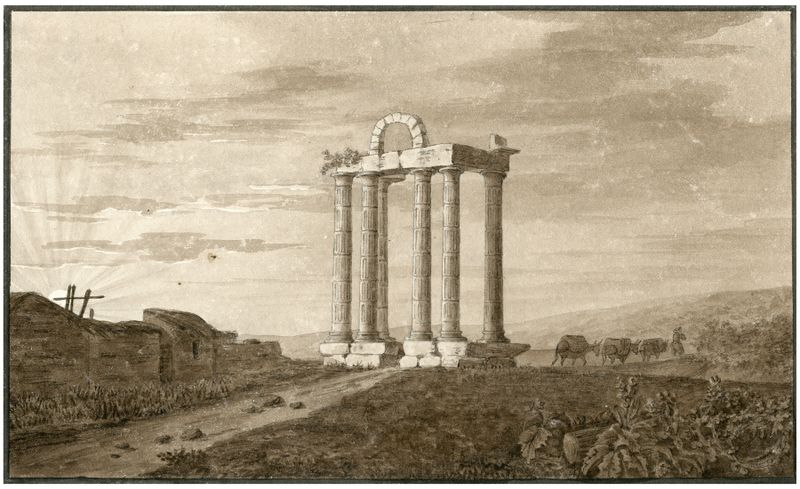
Antieke Ruïnes bij Talavera in Castillie
Otto Howen
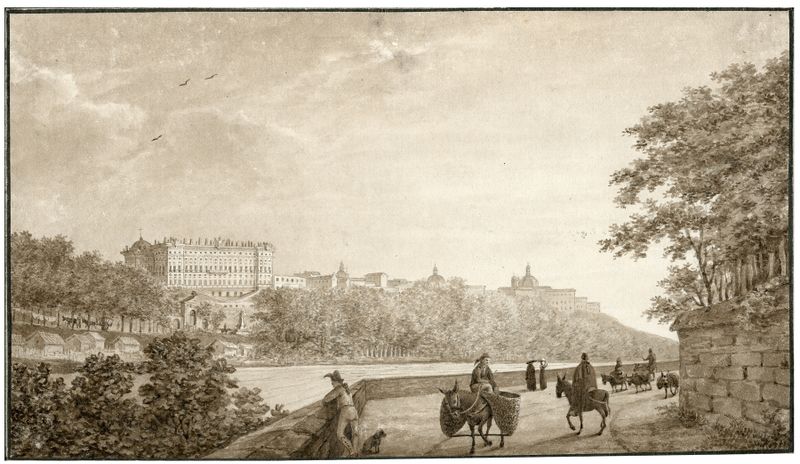
Het Koninklijke Paleis te Madrid
Otto Howen
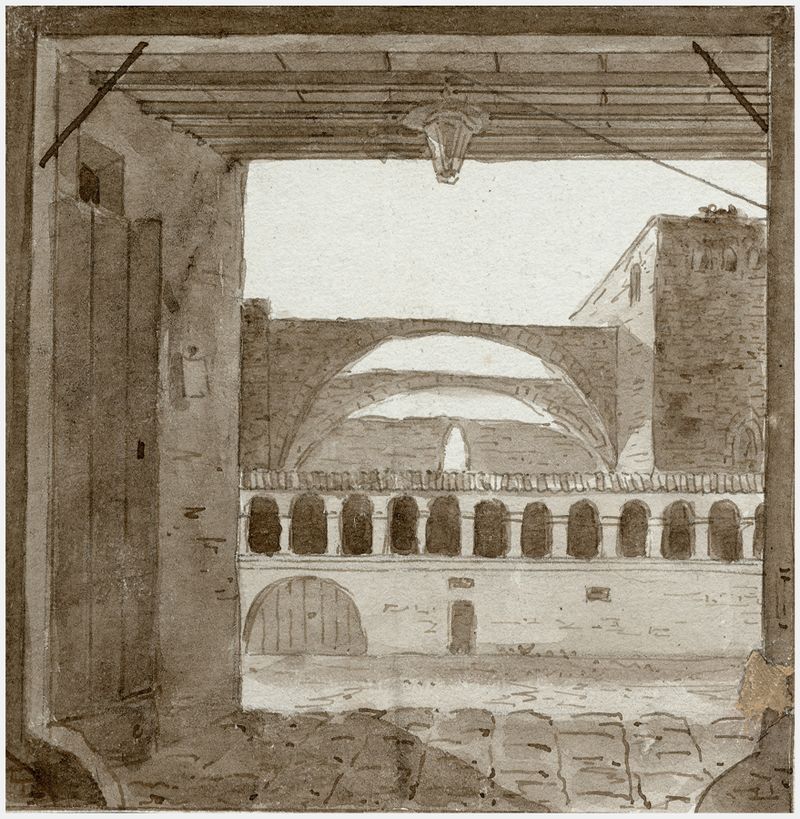
Ruïne van een klooster te Barcelona
Otto Howen
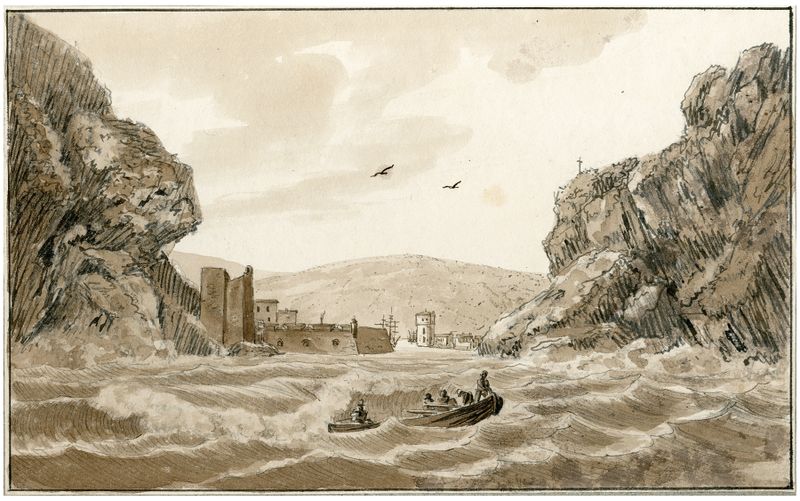
Een havenplaats in Spanje, Port de Passage
Otto Howen
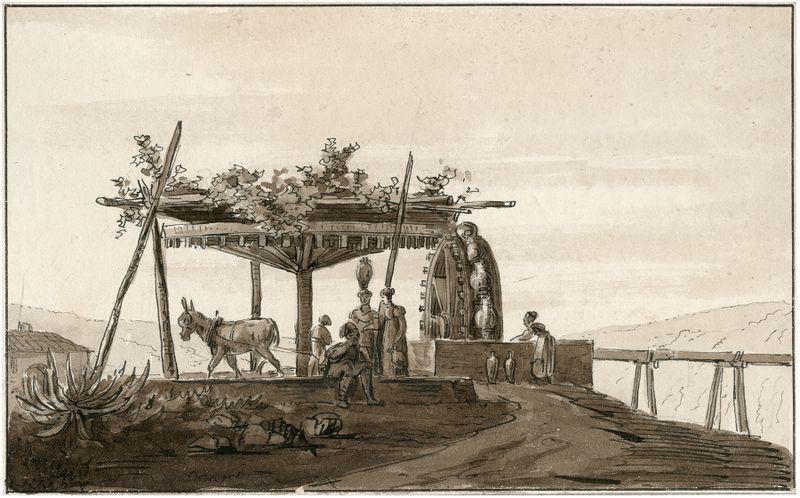
Een waterput met raderwerk en trekezel
Otto Howen





