
De Calais-Dover stoomboot aan de kade te Dover — History & Facts
Did the painter know this moment would outlive them? As the steamship looms at the dock, a fleeting desire echoes through its billowing smoke, hinting at the uncharted journeys ahead. Look to the center where the majestic vessel stands, its billowing steam merging with the soft hues of the dawn sky. The brushwork reveals a delicate interplay of light and shadow, drawing the eye across the gently rippling water. Notice how the pale blue of the sea contrasts sharply with the warm golden tones of the dock, creating a palpable tension between the familiar and the unknown.
Each detail, from the ship’s intricate rigging to the scattered figures on the quay, invites contemplation of movement and stillness. Beneath the surface excitement lies an emotional pull, a dichotomy of longing and nostalgia. The ship is a symbol of departure, but the quiet figures on the dock signify connections left behind. The reflection of the vessel in the water serves as a metaphor for dreams and aspirations—transitory yet persistent, suggesting that every journey begins with the desire to leave.
Here, the viewer senses the bittersweet nature of travel; it is both an escape and a confrontation with what is left behind. Pieter van Loon created this piece in 1856, during a period of industrial revolution in Europe, where advancements in steam technology dramatically transformed travel and trade. At this time, the artist was based in the Netherlands, witnessing a surge in interest in maritime subjects, fueled by the burgeoning relationship between technology and exploration. The painting reflects not only his personal artistic journey but also the broader societal shifts occurring around him.
More Artworks by Pieter van Loon
Browse all →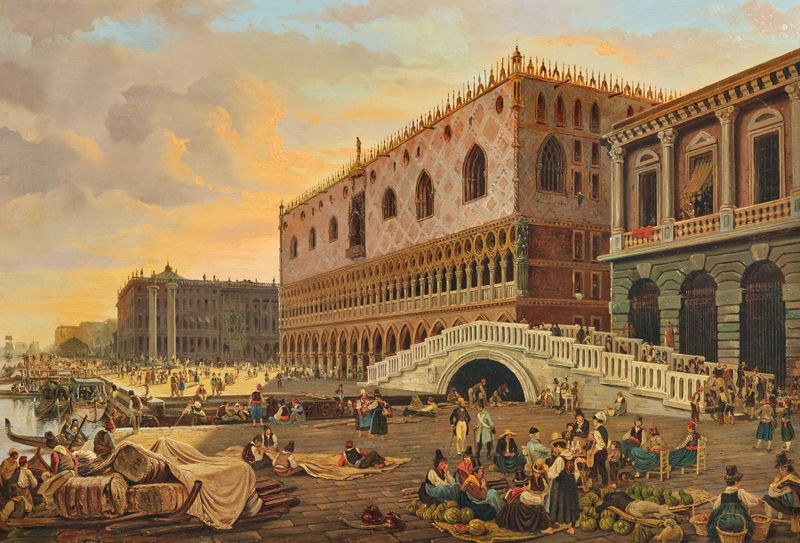
Venice, Ponte della Paglia with the Doge’s Palace
Pieter van Loon
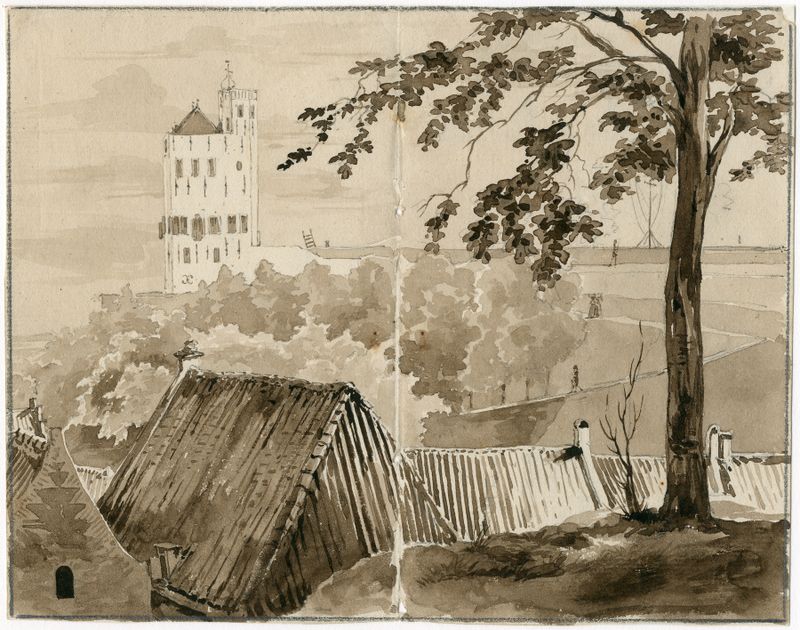
Gezicht op kasteel over daken heen
Pieter van Loon
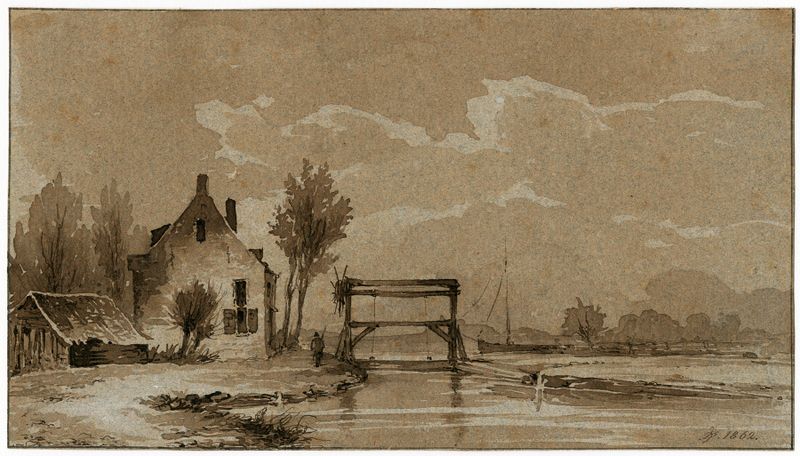
Huis bij een overtoom in een riviertje
Pieter van Loon
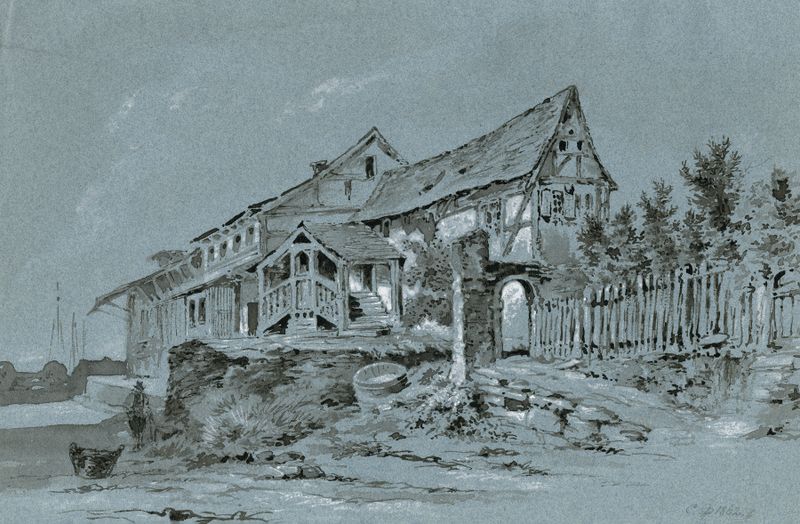
Buitenhuis aan een rivier
Pieter van Loon
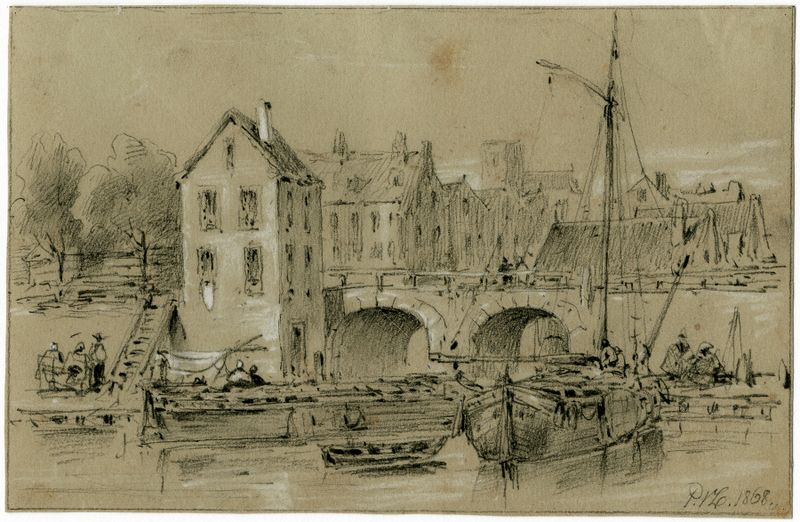
Schepen aangemeerd aan de kade in stad bij boogbrug
Pieter van Loon

Dudlow Castle
Pieter van Loon
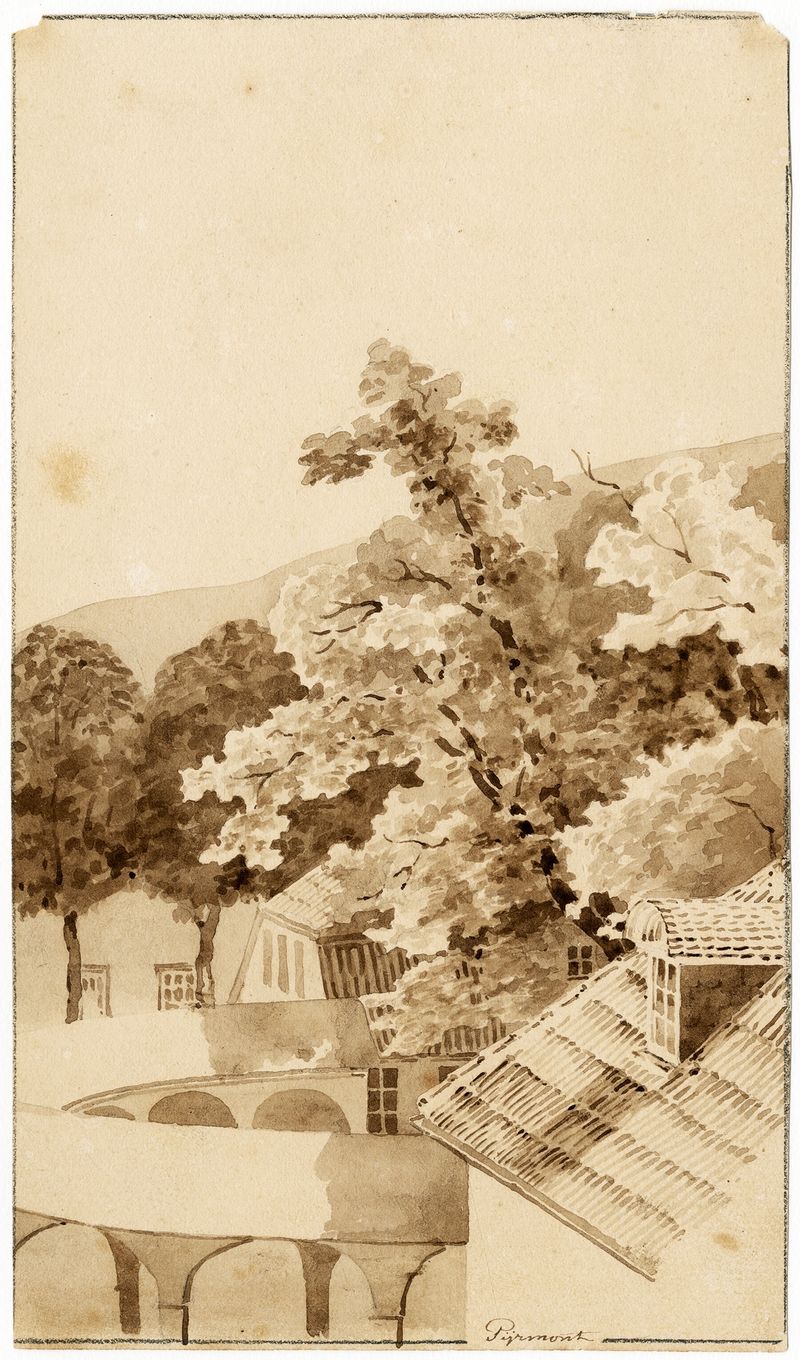
Gezicht te Pyrmont
Pieter van Loon
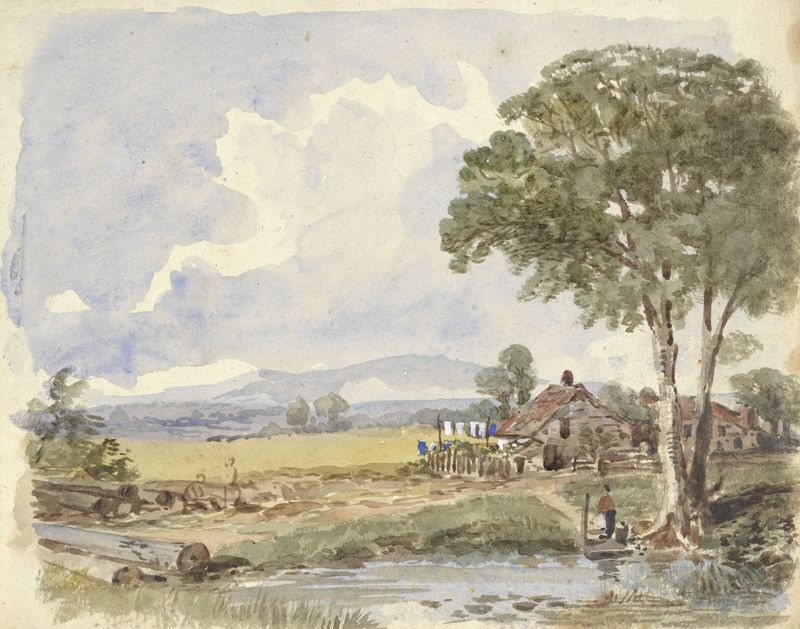
Landschap met boerderij
Pieter van Loon
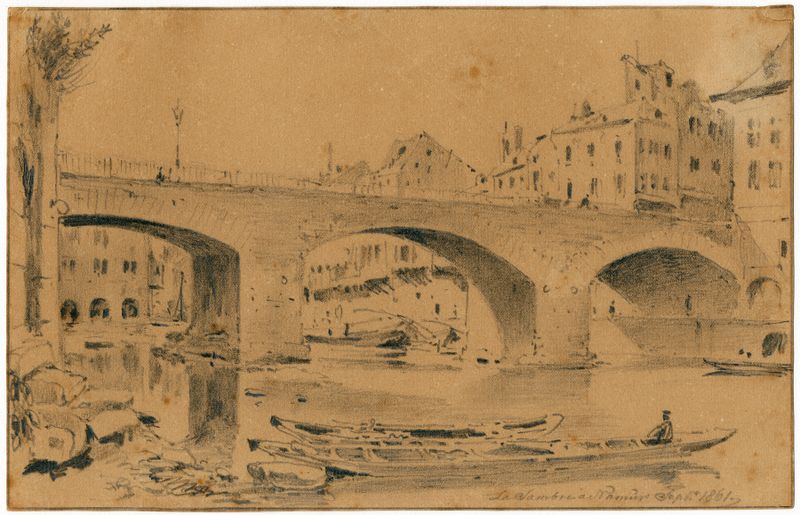
Brug over de Sambre te Namen
Pieter van Loon
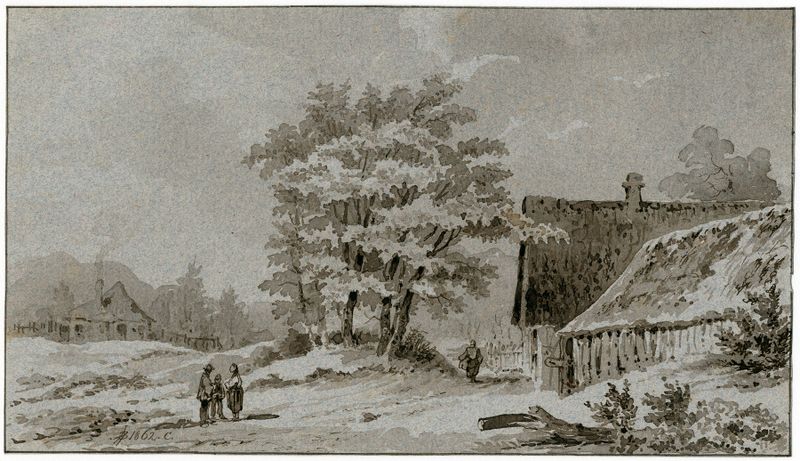
Enkele huizen in de duinen
Pieter van Loon





