
De herberg in een ruïne — History & Facts
In the quiet expanse of ruins, unspoken stories weave through the air, yearning for attention. Each crumbling wall and shadowy corner breathes history, echoing the dreams and despair of forgotten souls. Look to the center of the canvas, where the dilapidated tavern stands defiantly amid the rubble. Notice how the warm, golden hues of the tavern's wooden facade contrast sharply with the cooler tones of the surrounding ruin.
The play of light enhances the atmosphere—an inviting glow emanates from the windows, hinting at warmth within, while the broken walls enclose a world left behind. This juxtaposition draws your eye, creating a paradox of neglect and comfort, revealing the artist's intent to capture both resilience and decay. As your gaze wanders, consider the figures scattered throughout the scene. The men seated on the tavern's porch appear relaxed in conversation, yet their postures suggest an underlying tension—each lost in thought, perhaps reflecting on what once was.
The remnants of the architecture encapsulate an emotional landscape, where the joy of camaraderie collides with the weight of solitude. This duality evokes a deep yearning, inviting the viewer to ponder the stories that linger in the silence. The work was painted between 1610 and 1653 by Simon de Vlieger, a key figure in the Dutch Golden Age. During this time, the artist found inspiration in the transition from the vibrant life of busy towns to the stark beauty of desolation.
The world of art was rapidly evolving, and while landscapes were becoming more popular, De Vlieger carved out a niche that highlighted the poignant tension between humanity and its environment, a hallmark of his exploration into the depths of solitude and longing.
More Artworks by Simon de Vlieger
Browse all →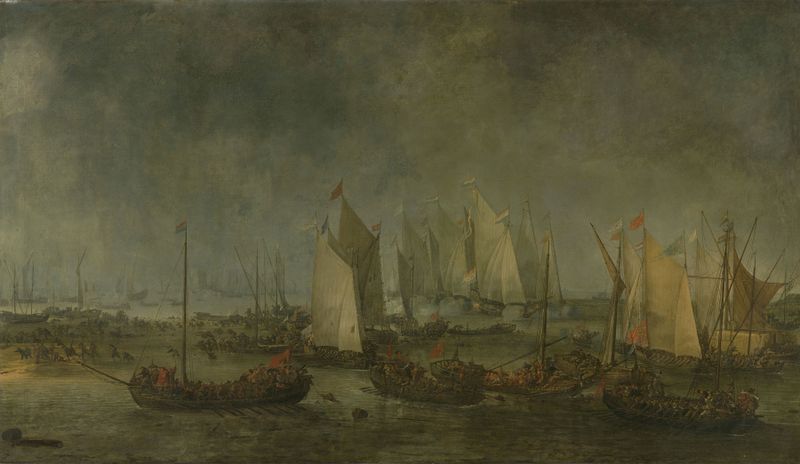
The Battle on the Slaak between the Dutch and Spanish Fleets during the Night of 12-13 September 1631
Simon de Vlieger

Stretch of coast by the Zuiderzee
Simon de Vlieger

Seaside in Scheveningen with fishing boats
Simon de Vlieger
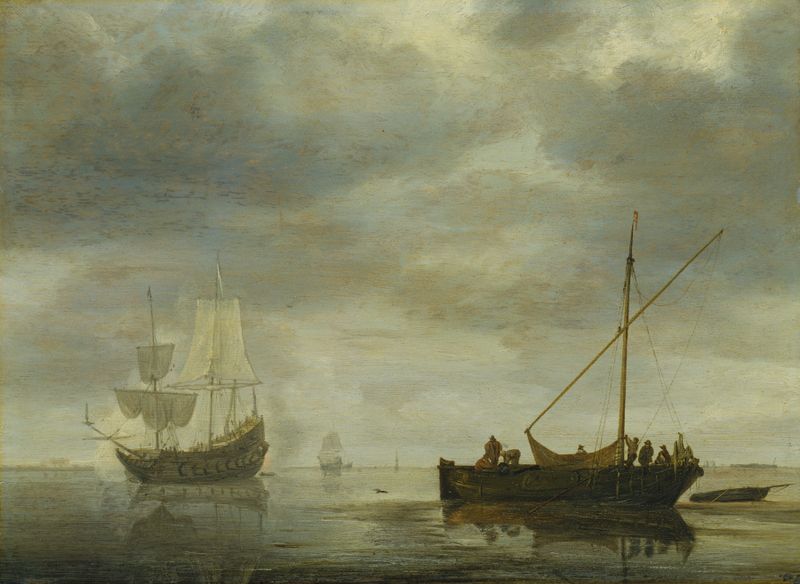
Single-Master and Frigate Firing Salute on a Calm Sea
Simon de Vlieger
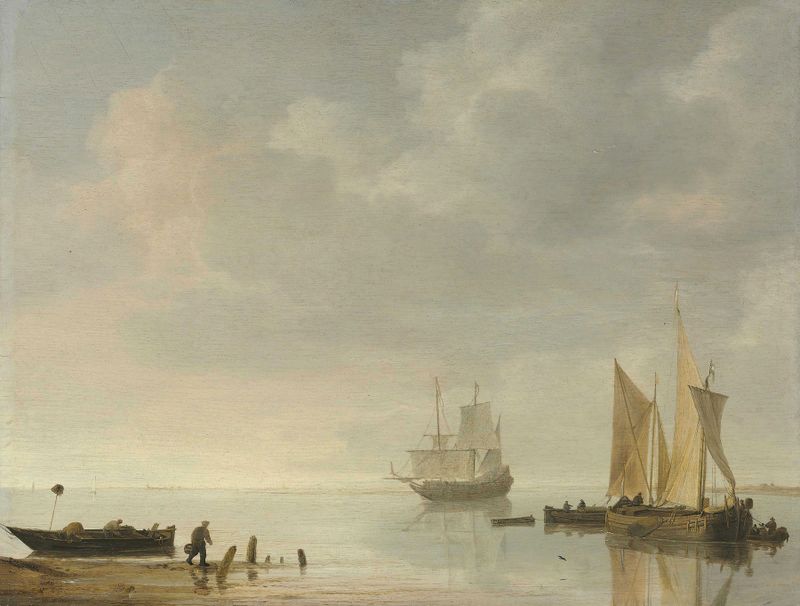
Coastal Scene With Ships Resting On Calm Waters
Simon de Vlieger

A calm estuary with a smalschip and a waterschip at anchor, with other ships in the distance
Simon de Vlieger
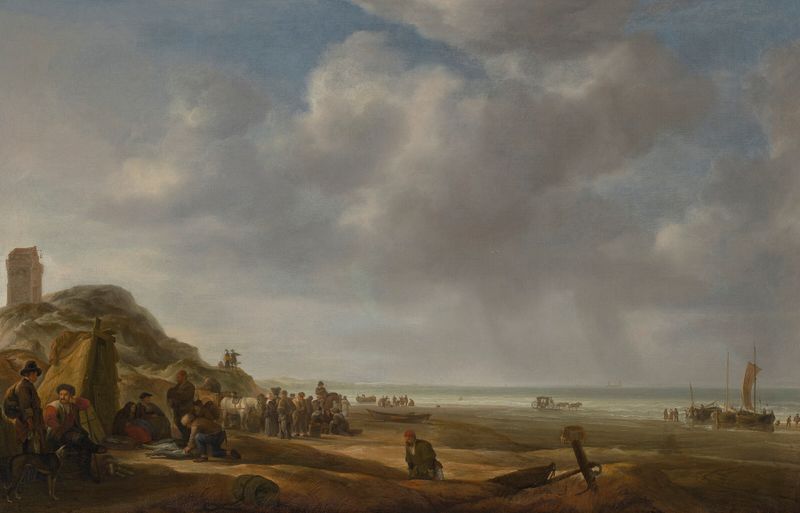
A beach scene with fishermen displaying their catch
Simon de Vlieger

Ship in Distress off a Rocky Coast
Simon de Vlieger
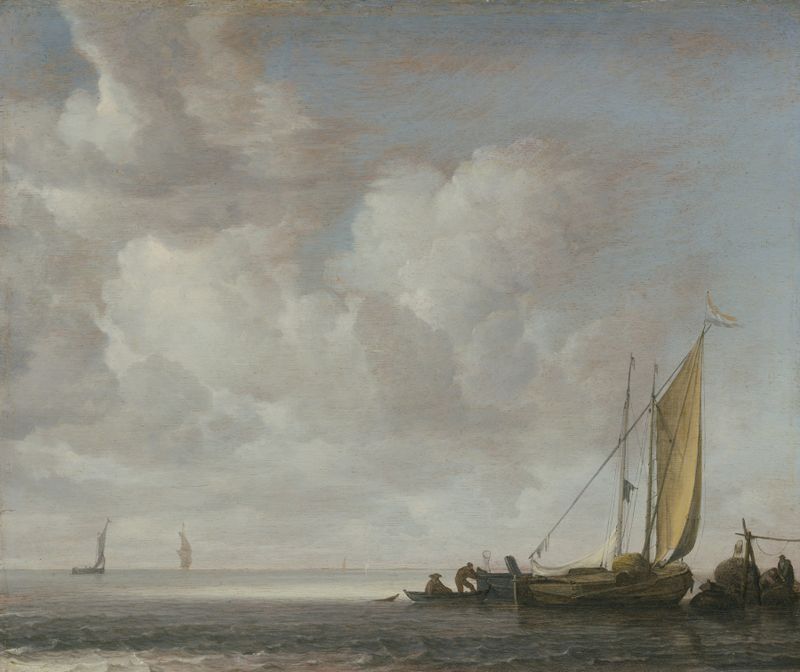
Calm Sea
Simon de Vlieger
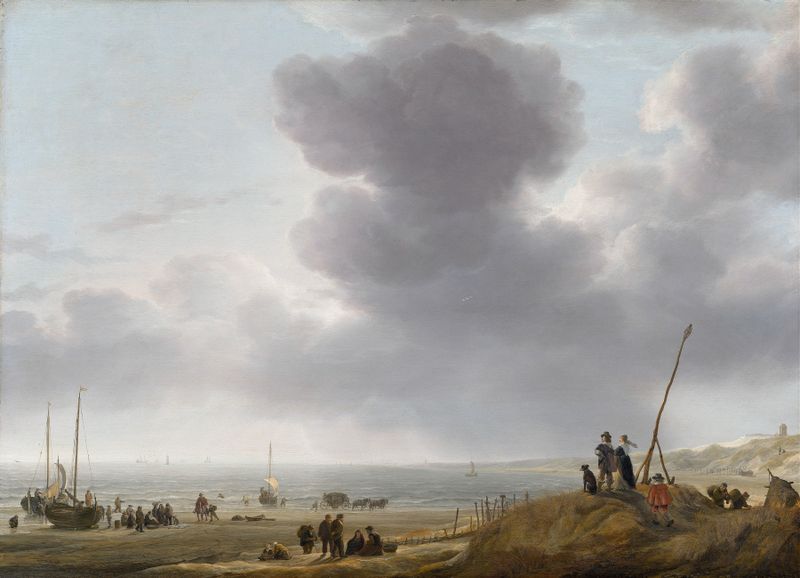
Beach View
Simon de Vlieger
More Architecture Art
Browse all →
The statue of Liberty
Frédéric Auguste Bartholdi

View of Houses in Delft, Known as ‘The Little Street’
Johannes Vermeer

View of Houses in Delft, Known as ‘The Little Street’
Johannes Vermeer

The Cathedral in Rouen. The portal, Grey Weather
Claude Monet

The yellow house
Vincent van Gogh

The Church in Auvers-sur-Oise, View from the Chevet
Vincent van Gogh