
De Nederlandsche Bank te Amsterdam — History & Facts
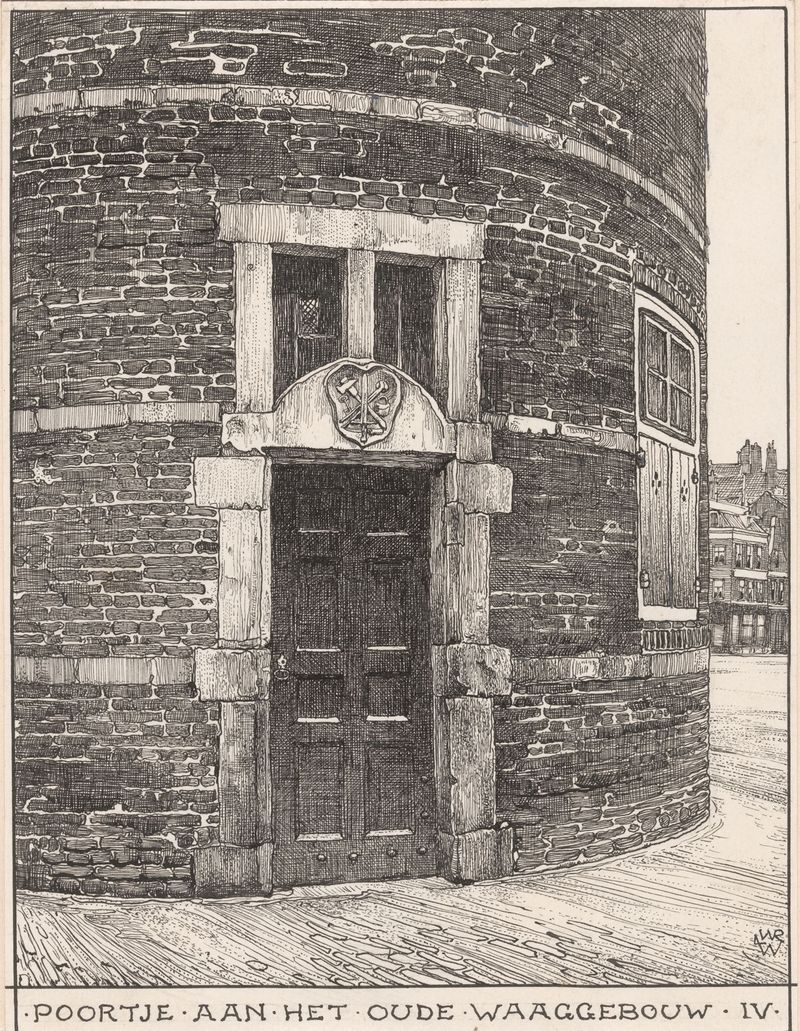
Did the painter know this moment would outlive them? In a world perpetually in flux, the act of capturing fleeting visions becomes both an obsession and a solace, resonating with an undeniable yearning for permanence. Look to the foreground, where the imposing structure of the bank rises with a resolute grandeur. The artist employs a muted palette, allowing the cool grays and blues to embrace the architectural lines, creating a serene yet somber atmosphere. Notice how the light gently caresses the building’s surface, producing intricate shadows that dance across the stone.
This interplay of light and shadow not only serves to enhance the dimensions of the bank but also evokes an emotional landscape, reflecting a stability that contrasts with the uncertainties that often surround financial institutions. Delve deeper, and you’ll find subtle contrasts woven into the fabric of the piece. The rigid lines of the bank’s facade clash with the fluidity of the surrounding environment, hinting at the tension between tradition and modernity. The absence of people amplifies this sense of isolation — a monument to commerce standing steadfast amid a world of change.
The yearning for connection and continuity lingers, suggesting that even the strongest edifices cannot shield us from the passage of time. Wenckebach created this work in the early 20th century, during a period marked by rapid industrialization and economic upheaval in Europe. Living in Amsterdam, he was influenced by the city’s evolving urban landscape, as well as the broader art movements of the time. This painting reflects not only his skillful mastery of architectural representation but also a poignant commentary on the relationship between society and its financial institutions, capturing a moment that speaks to both the past and the future.
More Artworks by Willem Wenckebach
Browse all →
Bakkersgang te Amsterdam
Willem Wenckebach

Oude huizen aan het Markenplein te Amsterdam
Willem Wenckebach

Oude huizen aan het Waterlooplein te Amsterdam
Willem Wenckebach
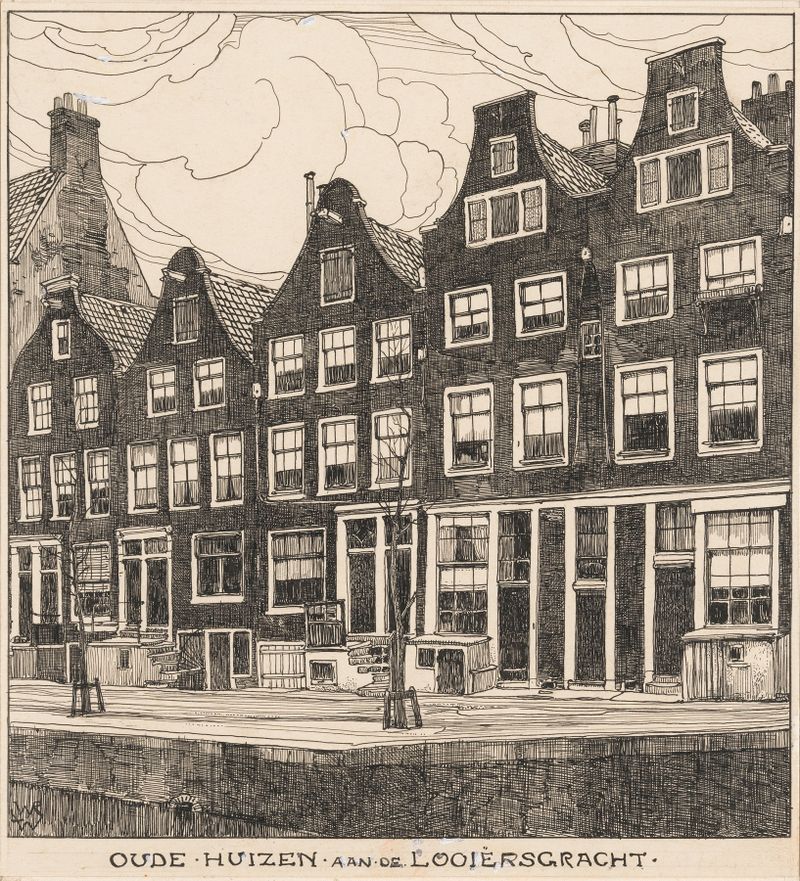
Oude huizen aan de Looiersgracht te Amsterdam
Willem Wenckebach
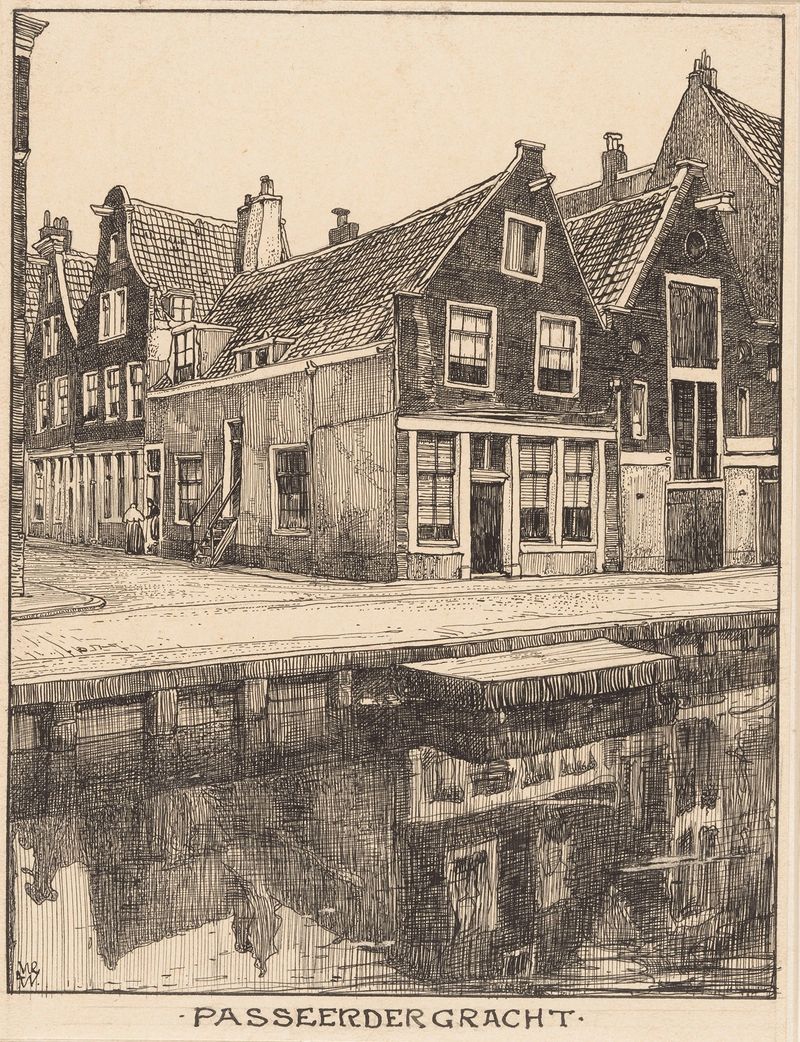
Passeerder Gracht te Amsterdam
Willem Wenckebach
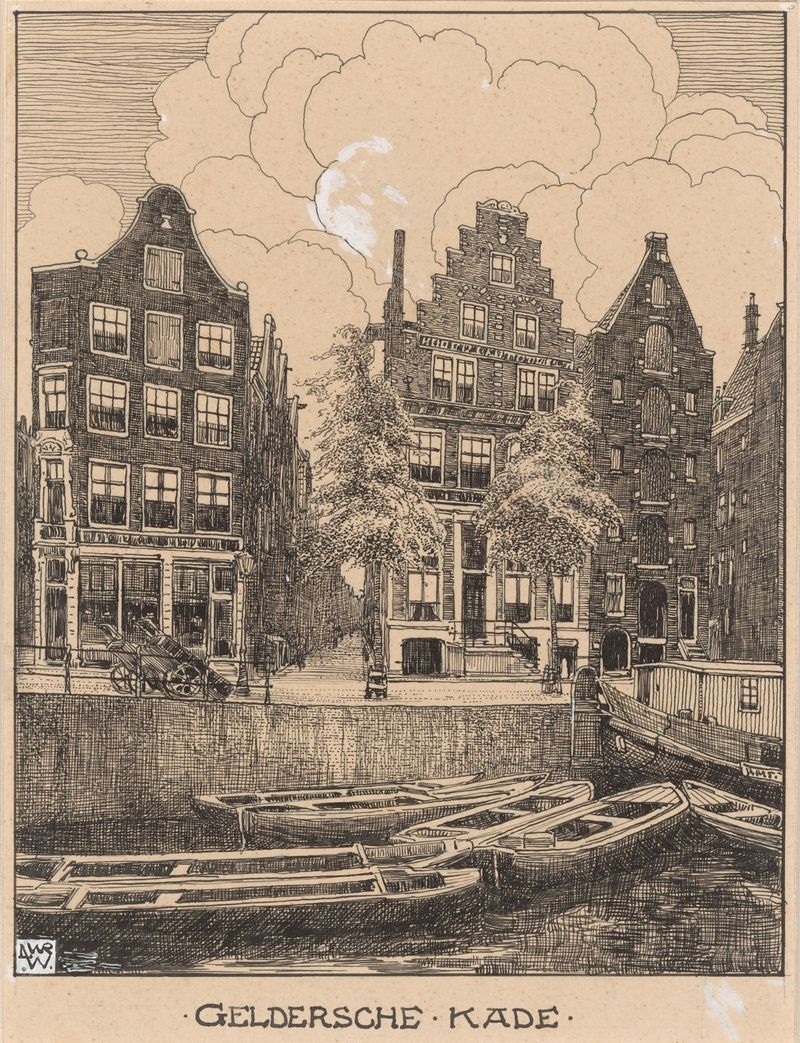
De Gelderse Kade te Amsterdam
Willem Wenckebach
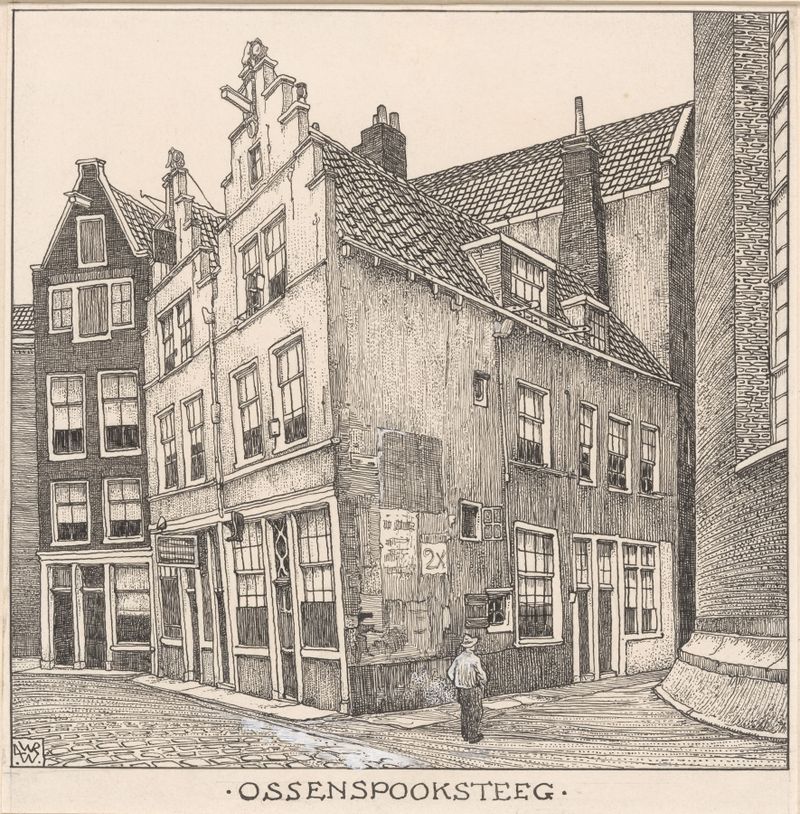
De Ossenspooksteeg te Amsterdam
Willem Wenckebach

Het Beurspleintje te Amsterdam
Willem Wenckebach
Poortje aan het oude Waaggebouw te Amsterdam
Willem Wenckebach

Torensluis te Amsterdam
Willem Wenckebach
More Architecture Art
Browse all →
The statue of Liberty
Frédéric Auguste Bartholdi

View of Houses in Delft, Known as ‘The Little Street’
Johannes Vermeer

View of Houses in Delft, Known as ‘The Little Street’
Johannes Vermeer

The Cathedral in Rouen. The portal, Grey Weather
Claude Monet

The yellow house
Vincent van Gogh

The Church in Auvers-sur-Oise, View from the Chevet
Vincent van Gogh