
De Nieuwe Kerk te Amsterdam — History & Facts
What if silence could speak through light? In the stillness of De Nieuwe Kerk te Amsterdam, the absence of sound envelops the viewer, inviting contemplation and reverence. Look to the left at the towering spire that reaches toward the heavens, a silent sentinel amidst the bustle of the city. Notice how the artist employs a muted palette, with soft grays and gentle blues, creating a serene atmosphere that contrasts sharply with the vibrancy of urban life. The light filters in through the stained glass, casting ethereal patterns on the stone floor, guiding your gaze deeper into the church's hallowed interior. The interplay between light and shadow speaks volumes; it whispers of history, of prayers once uttered and secrets held within these walls.
Subtle details, such as the flickering candle flames and the quiet reverence of a solitary figure in prayer, evoke an emotional tension between the sacred and the secular. This moment of stillness encapsulates a transient yet timeless bond between the Divine and humanity, challenging viewers to reflect on their own spiritual journeys amidst the noise of modern existence. Wenckebach painted this work in the 20th century, a time when the art world was experiencing significant shifts towards abstraction and modernism. Amidst these changes, he sought to capture the architectural beauty and solemn atmosphere of Amsterdam's New Church, reflecting both personal and collective narratives of faith and history.
His thoughtful interpretation invites the viewer to pause and consider the enduring power of sacred spaces in an ever-evolving world.
More Artworks by Willem Wenckebach
Browse all →
Bakkersgang te Amsterdam
Willem Wenckebach

Oude huizen aan het Markenplein te Amsterdam
Willem Wenckebach

Oude huizen aan het Waterlooplein te Amsterdam
Willem Wenckebach
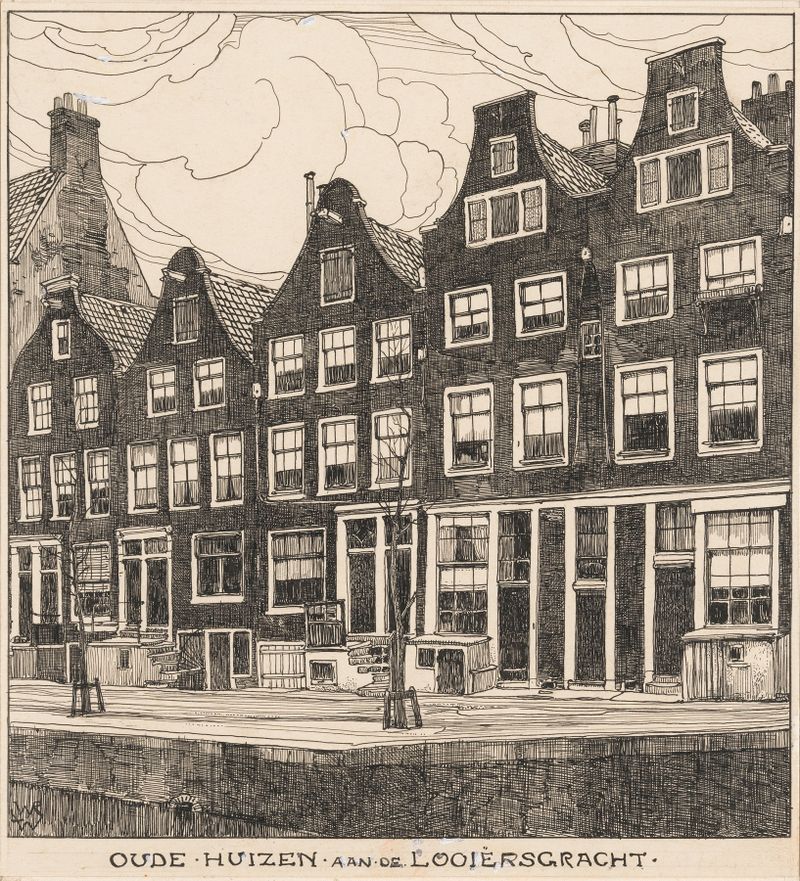
Oude huizen aan de Looiersgracht te Amsterdam
Willem Wenckebach
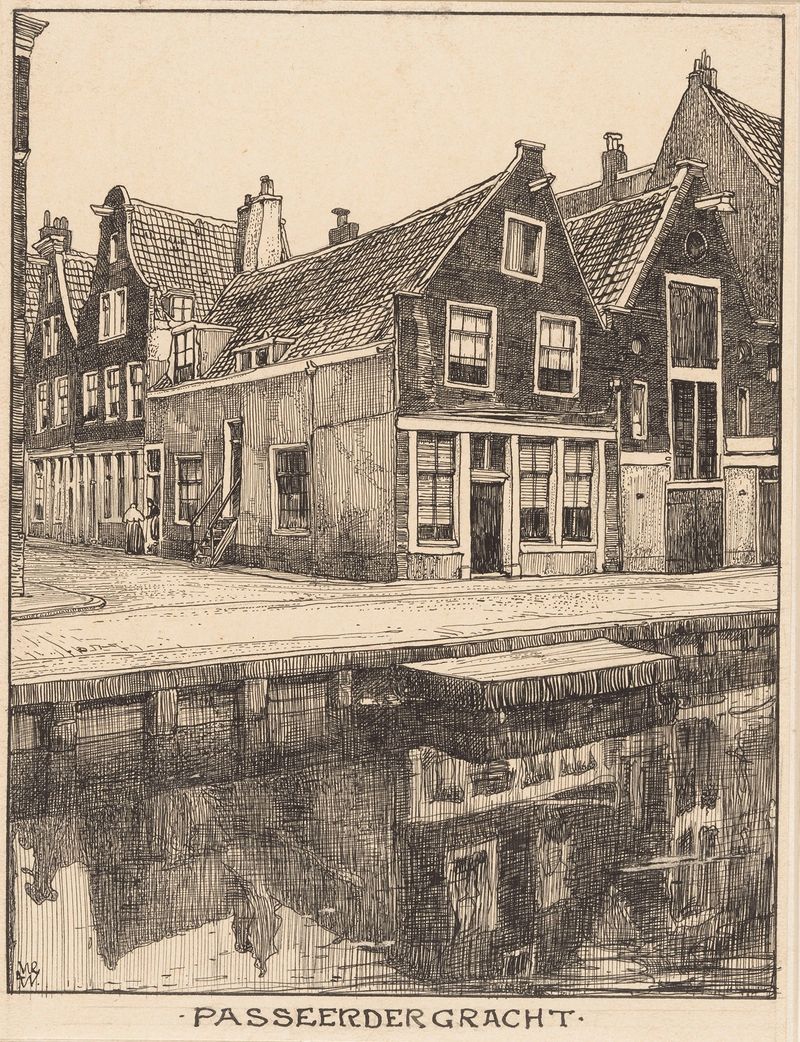
Passeerder Gracht te Amsterdam
Willem Wenckebach
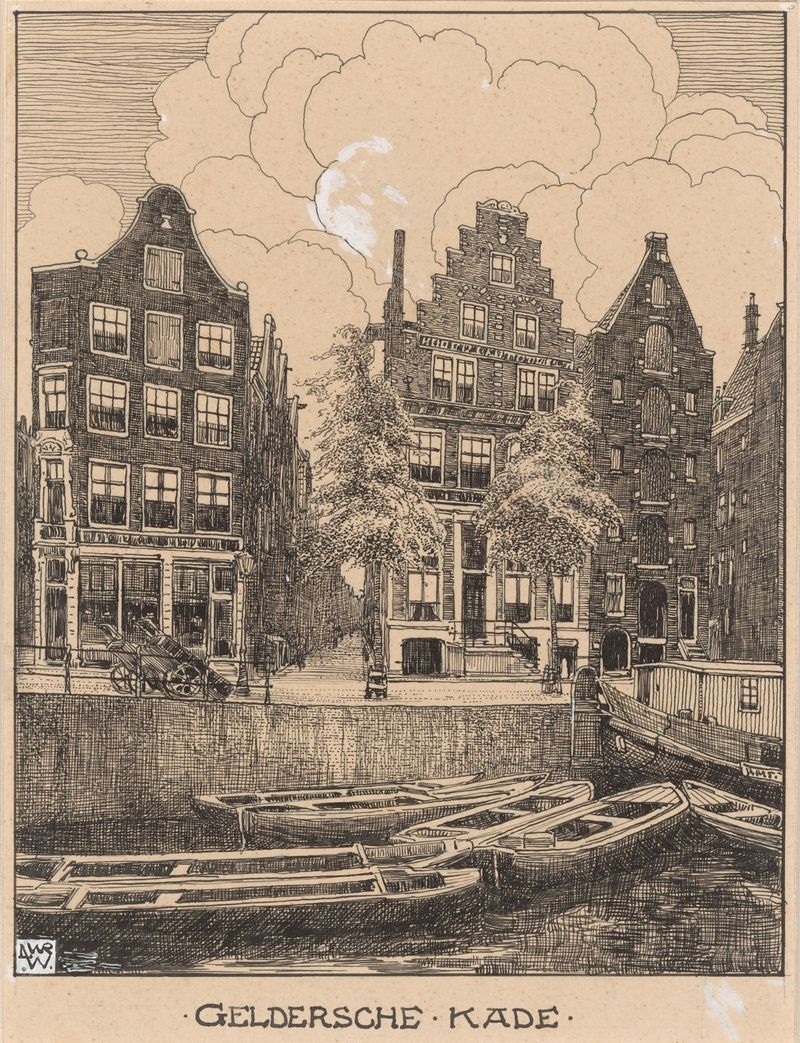
De Gelderse Kade te Amsterdam
Willem Wenckebach
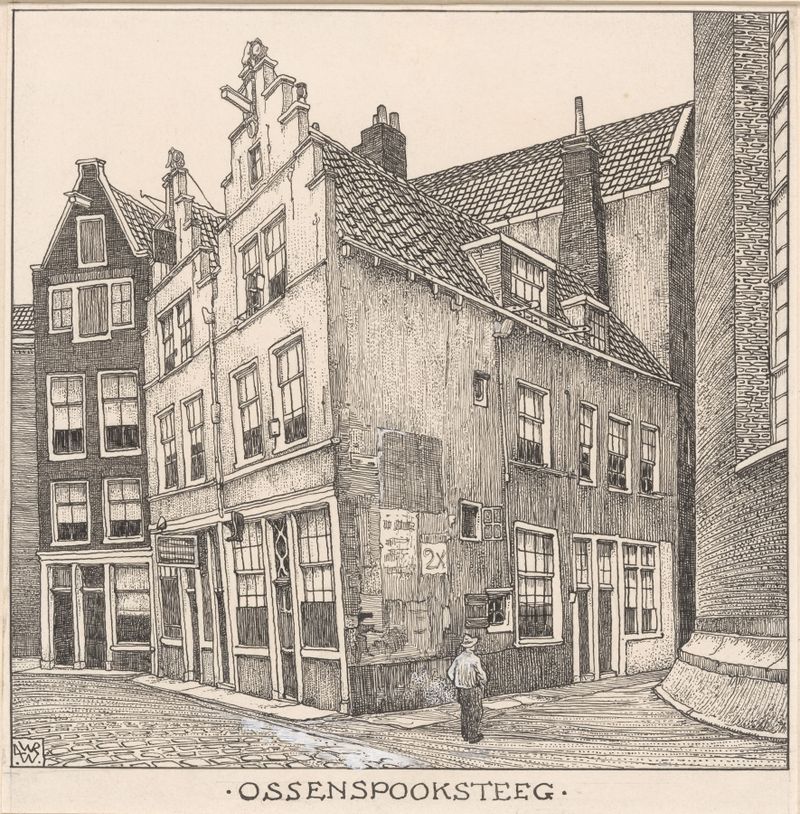
De Ossenspooksteeg te Amsterdam
Willem Wenckebach

Het Beurspleintje te Amsterdam
Willem Wenckebach
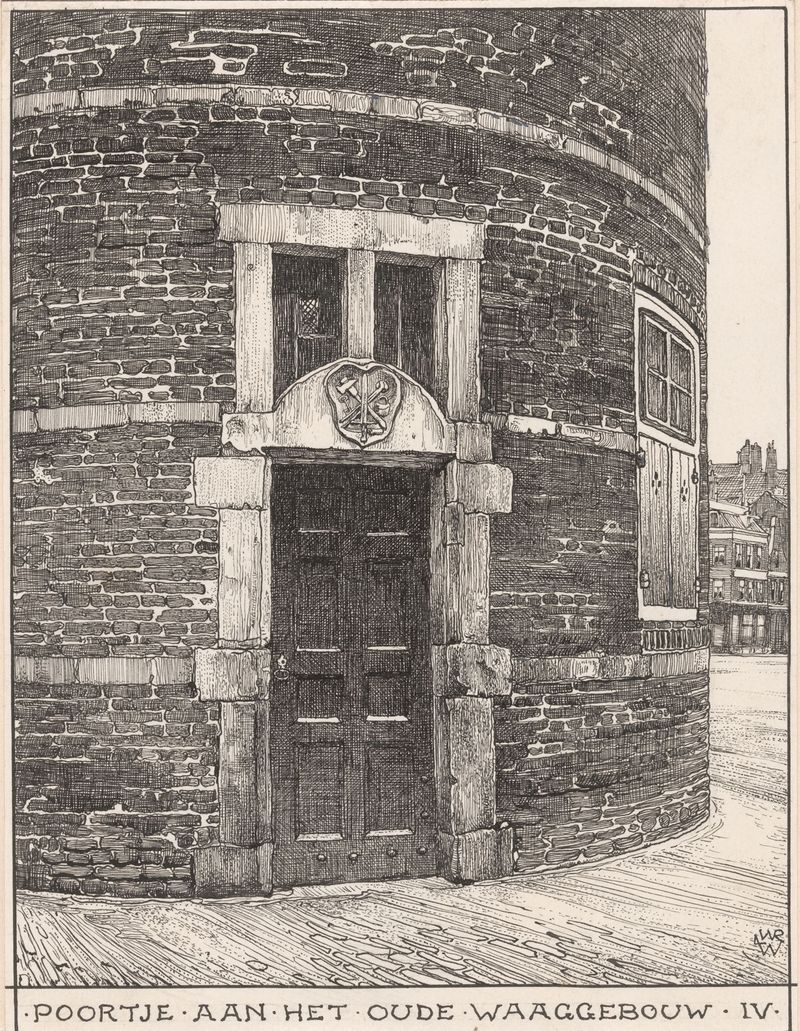
Poortje aan het oude Waaggebouw te Amsterdam
Willem Wenckebach

Torensluis te Amsterdam
Willem Wenckebach
More Architecture Art
Browse all →
The statue of Liberty
Frédéric Auguste Bartholdi

View of Houses in Delft, Known as ‘The Little Street’
Johannes Vermeer

View of Houses in Delft, Known as ‘The Little Street’
Johannes Vermeer

The Cathedral in Rouen. The portal, Grey Weather
Claude Monet

The yellow house
Vincent van Gogh

The Church in Auvers-sur-Oise, View from the Chevet
Vincent van Gogh