
De Nieuwe Vaart te Amsterdam — History & Facts
Can paint confess what words never could? In De Nieuwe Vaart te Amsterdam, melancholy weaves through the canvas, inviting us to explore its depths and emotions hidden behind the facade of everyday life. Look to the center where the meandering canal draws the eye, its surface rippling gently as the light glints off the water. Notice the muted palette of grays and blues that washes over the scene, creating an atmosphere of quiet introspection. The distant buildings, slightly blurred, seem to fade into the horizon, suggesting the passage of time and a world slipping away.
Each brushstroke, deliberate yet soft, evokes a sense of nostalgia and longing. Embedded within the stillness, contrasts emerge that reveal deeper meanings. The juxtaposition of the tranquil water against the looming structures hints at the tension between nature and civilization, suggesting a yearning for simplicity in an increasingly complex world. Small details, like the solitary figure on the quay, amplify the theme of isolation, as the viewer grapples with the weight of their presence within this expansive yet confined space. Wenckebach painted this work in the early 20th century, a period marked by rapid urbanization and change in Amsterdam.
Amidst a vibrant art scene influenced by impressionism, he channeled his observations of city life into this poignant portrayal, reflecting both personal sentiments and broader societal shifts. The artist's exploration of melancholy resonates particularly during this transitional era, encapsulating a moment in time where beauty and sorrow coexist.
More Artworks by Willem Wenckebach
Browse all →
Bakkersgang te Amsterdam
Willem Wenckebach

Oude huizen aan het Markenplein te Amsterdam
Willem Wenckebach

Oude huizen aan het Waterlooplein te Amsterdam
Willem Wenckebach
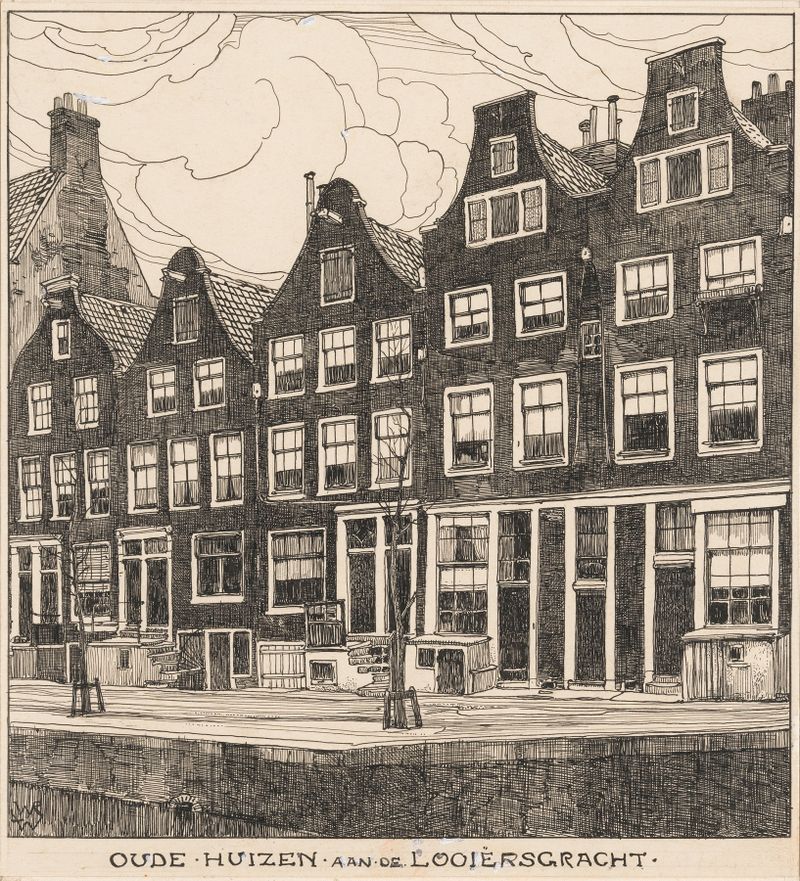
Oude huizen aan de Looiersgracht te Amsterdam
Willem Wenckebach
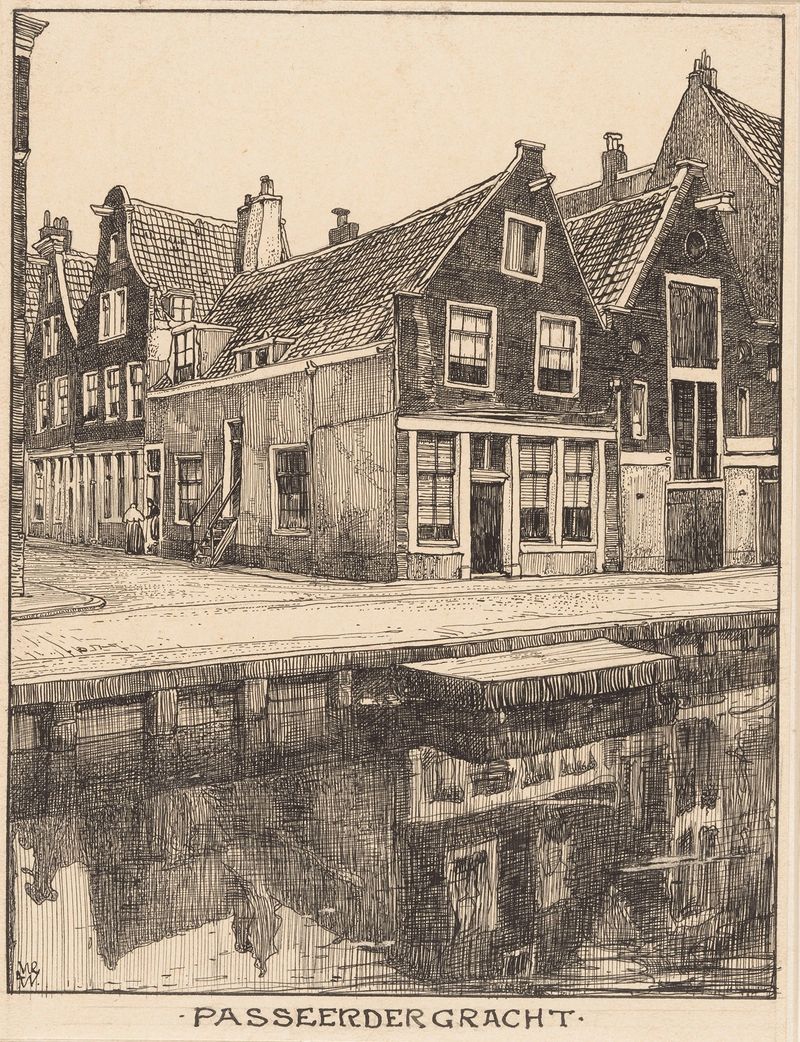
Passeerder Gracht te Amsterdam
Willem Wenckebach
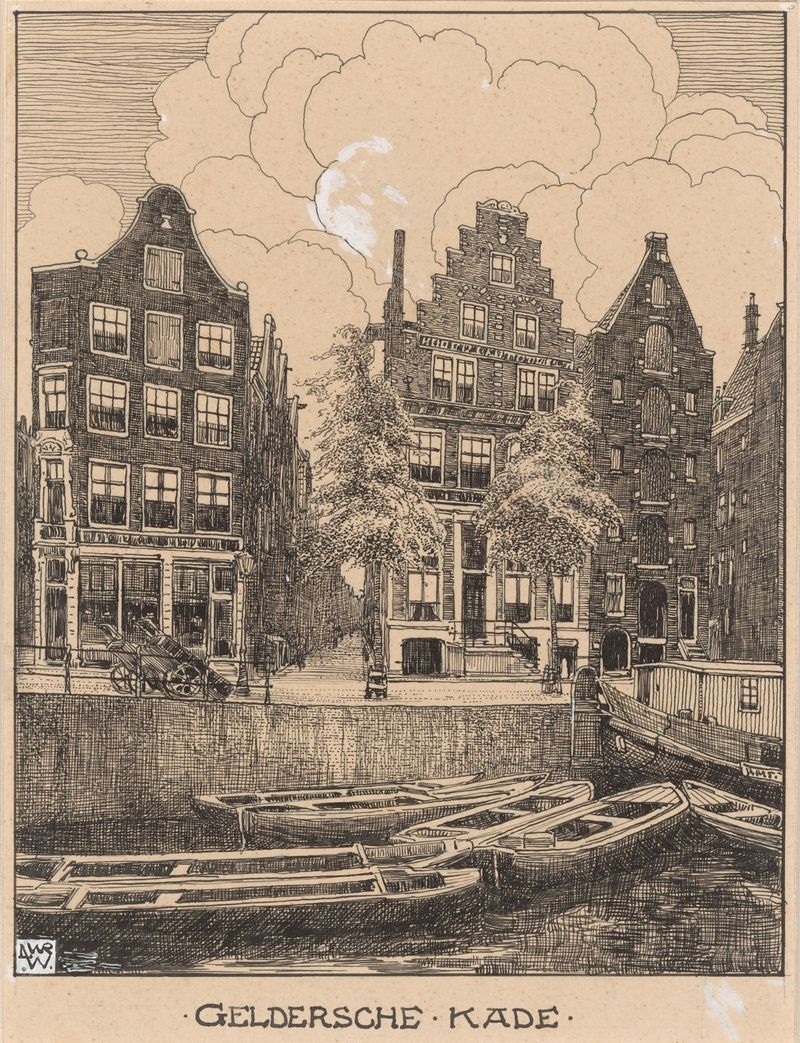
De Gelderse Kade te Amsterdam
Willem Wenckebach
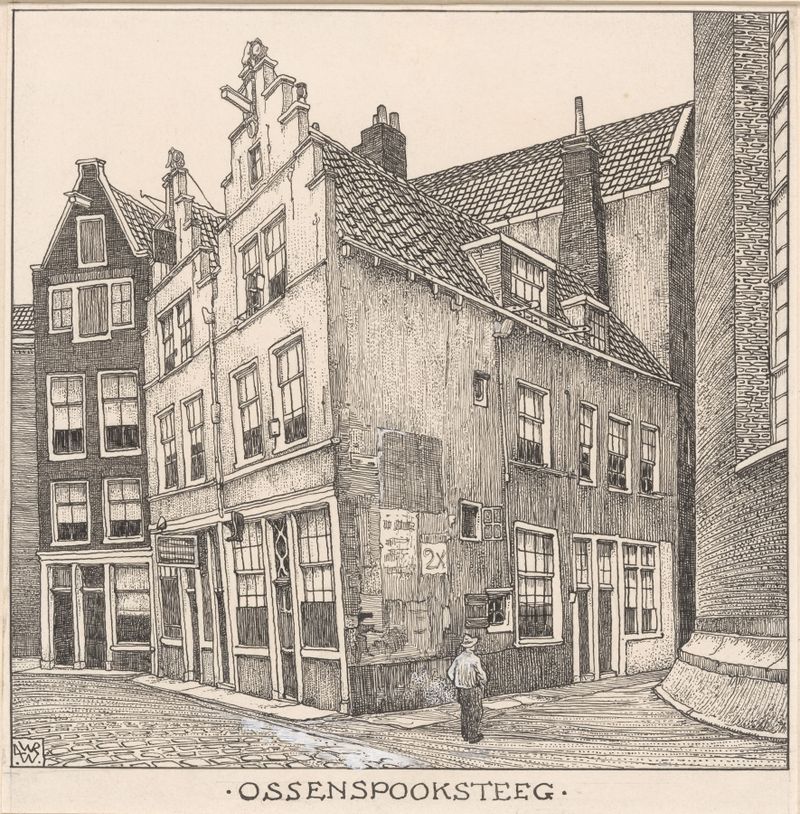
De Ossenspooksteeg te Amsterdam
Willem Wenckebach

Het Beurspleintje te Amsterdam
Willem Wenckebach
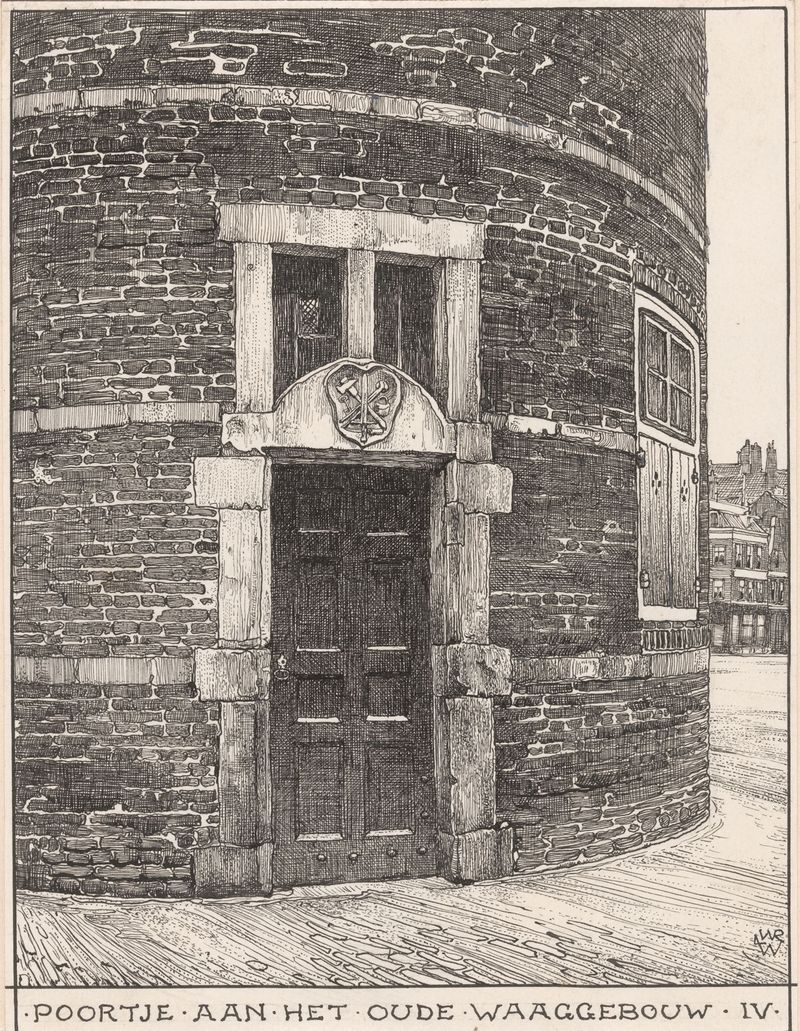
Poortje aan het oude Waaggebouw te Amsterdam
Willem Wenckebach

Torensluis te Amsterdam
Willem Wenckebach





