
De onthoofding van Gerard van Velsen — History & Facts
In a fleeting moment captured on canvas, a stark loneliness envelops the viewer, echoing the quiet desolation felt in the aftermath of tragedy. Look closely at the somber faces surrounding the grim event, their expressions a study in muted sorrow and disbelief. The heavy use of dark hues contrasts sharply with the stark depiction of the executed figure, drawing the eye immediately to the center of the tableau. Notice how the light falls upon the pallid skin of the decapitated man, illuminating the horror while casting the onlookers in shadow, their emotional turmoil hidden in darker shades.
The artist's deft brushwork captures not just the physical act but the collective despair felt by those witnessing this grim spectacle. There’s an unsettling tension within the composition; the lifeless body, a stark reminder of mortality, calls attention to both the fragility of life and the indifference of fate. The detailed carving of the executioner's stance juxtaposes power against the vulnerability of the fallen, revealing a profound commentary on isolation amid communal pain. The presence of the spectators speaks volumes; their silence amplifies their collective grief, underscoring the notion that suffering is often borne alone, even in a crowd. Created in 1530, this piece emerges from a tumultuous period in the Northern Renaissance, where social and religious upheaval challenged traditional narratives.
The artist remains unknown, yet the work resonates with the political tensions of its time, reflecting society's morbid fascination with justice and punishment. It stands as a powerful reminder of the painful realities of existence, capturing the essence of humanity's often-lonely journey through history.
More Artworks by Unknown Artist
Browse all →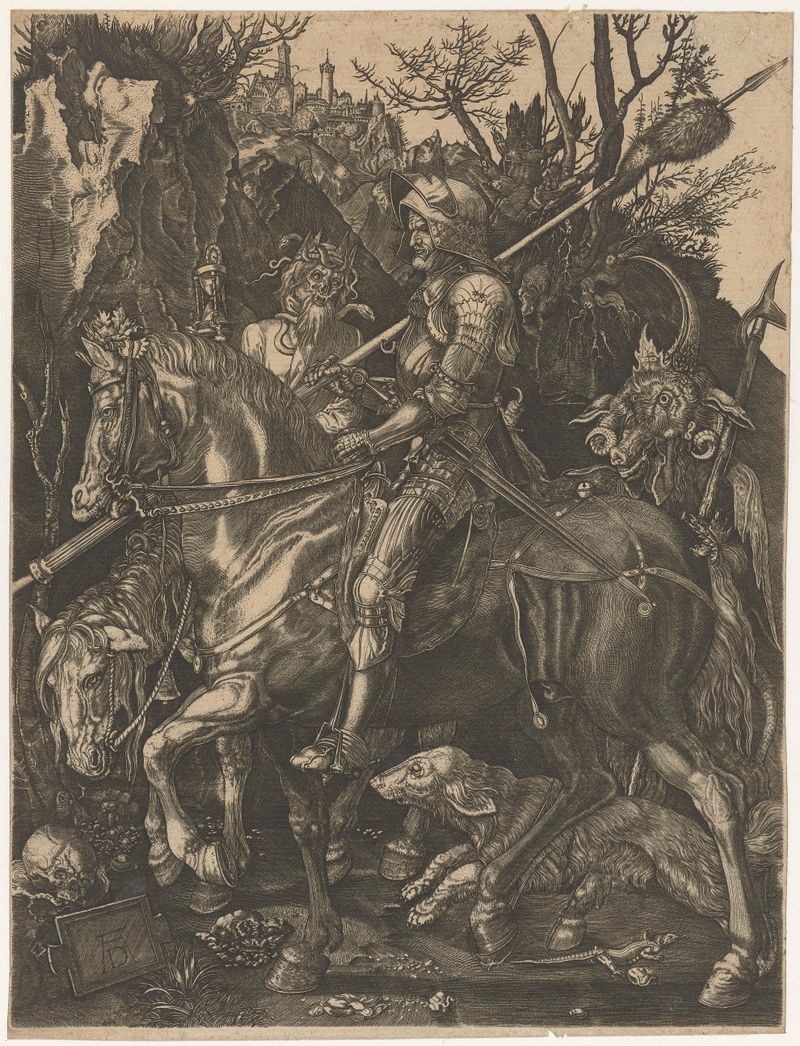
Ridder, Dood en Duivel
Unknown Artist
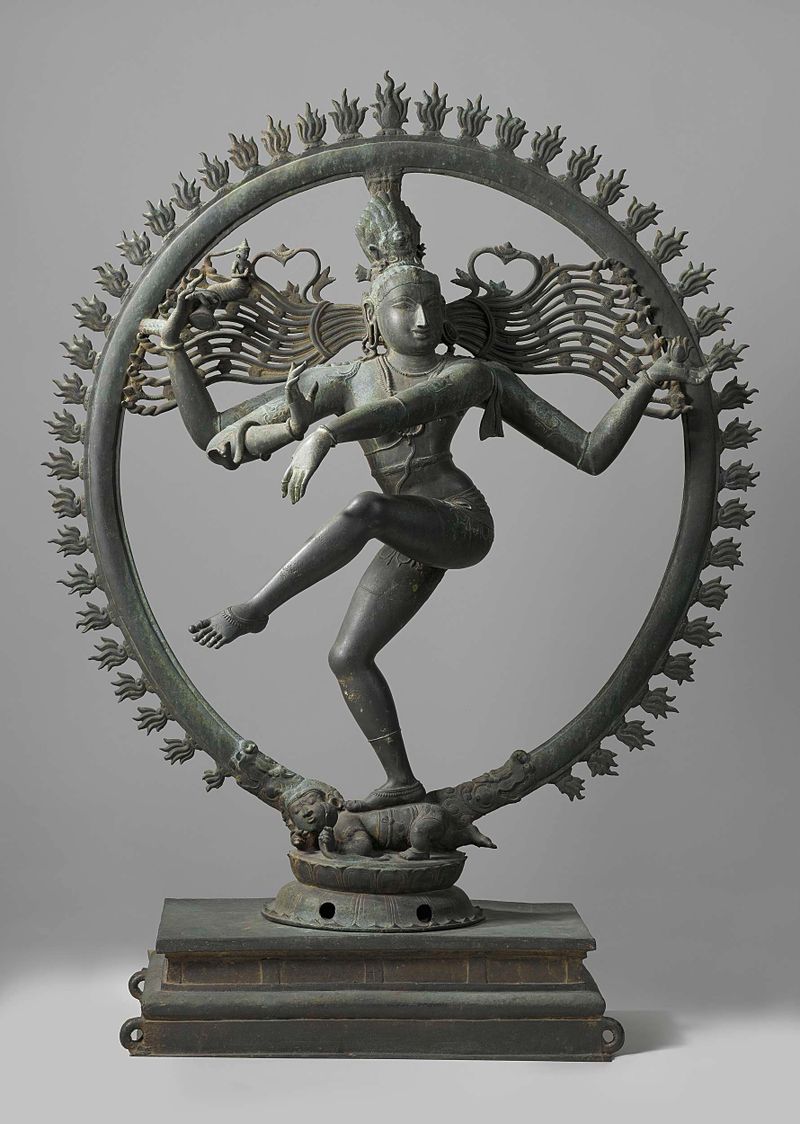
Shiva Nataraja
Unknown Artist
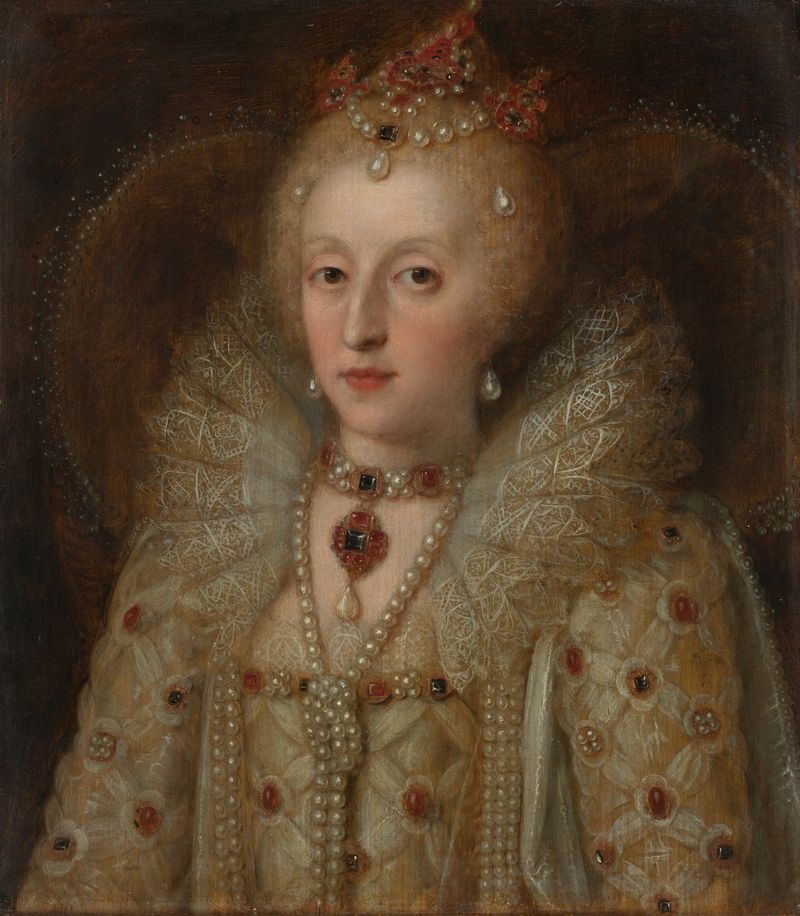
Portrait of Elizabeth I, Queen of England
Unknown Artist
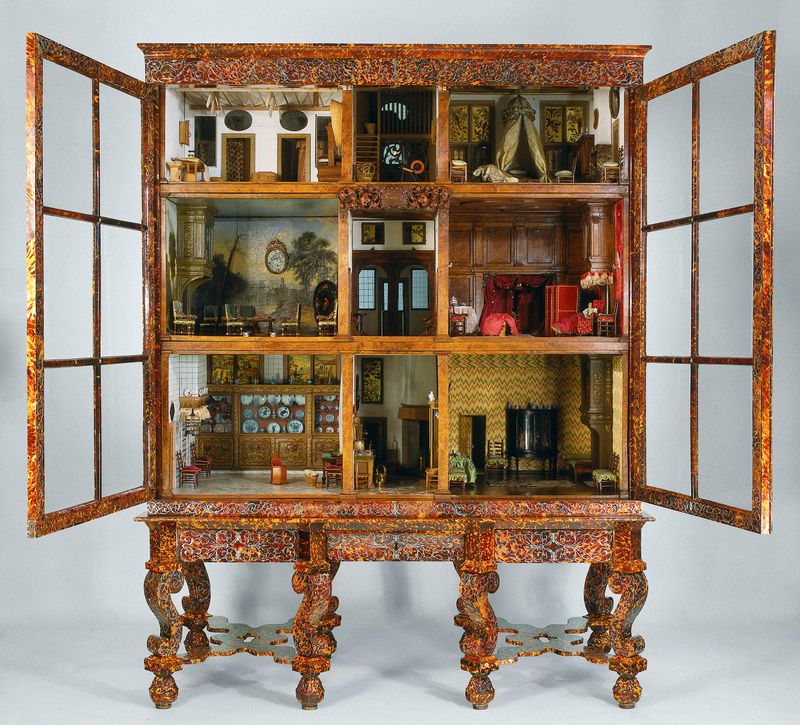
Dolls’ house of Petronella Oortman
Unknown Artist
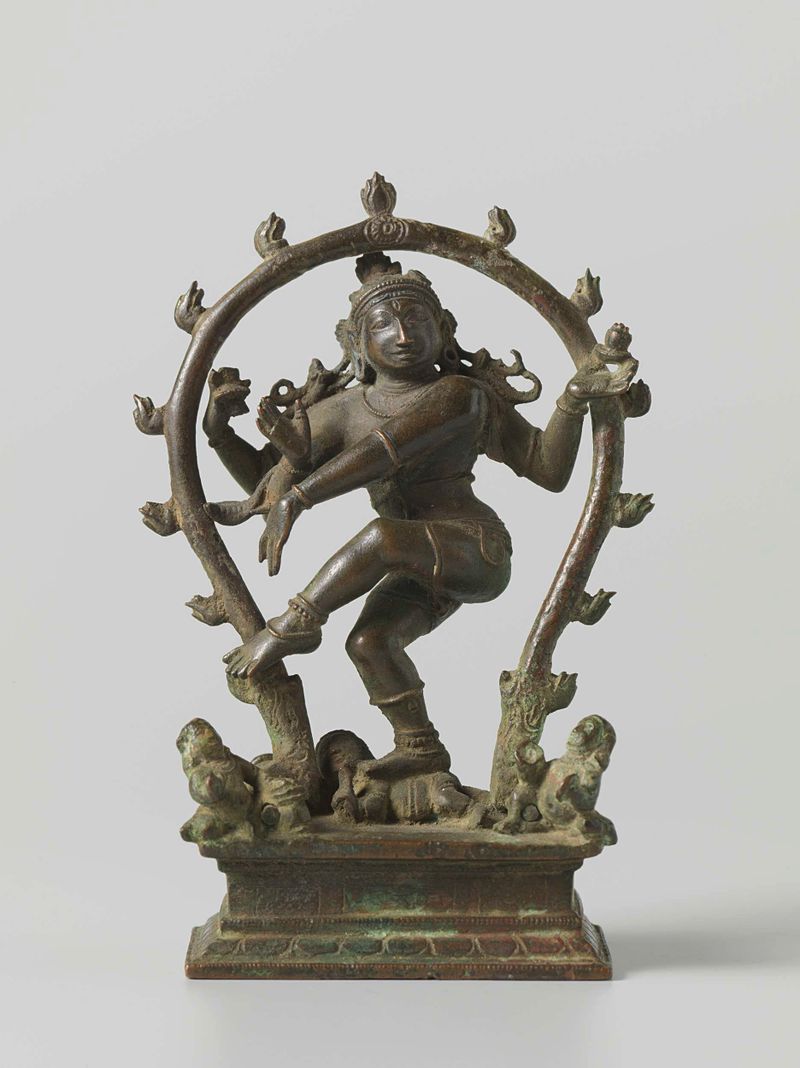
Shiva Nataraja
Unknown Artist

The Tale of Genji
Unknown Artist

The Tale of Genji
Unknown Artist
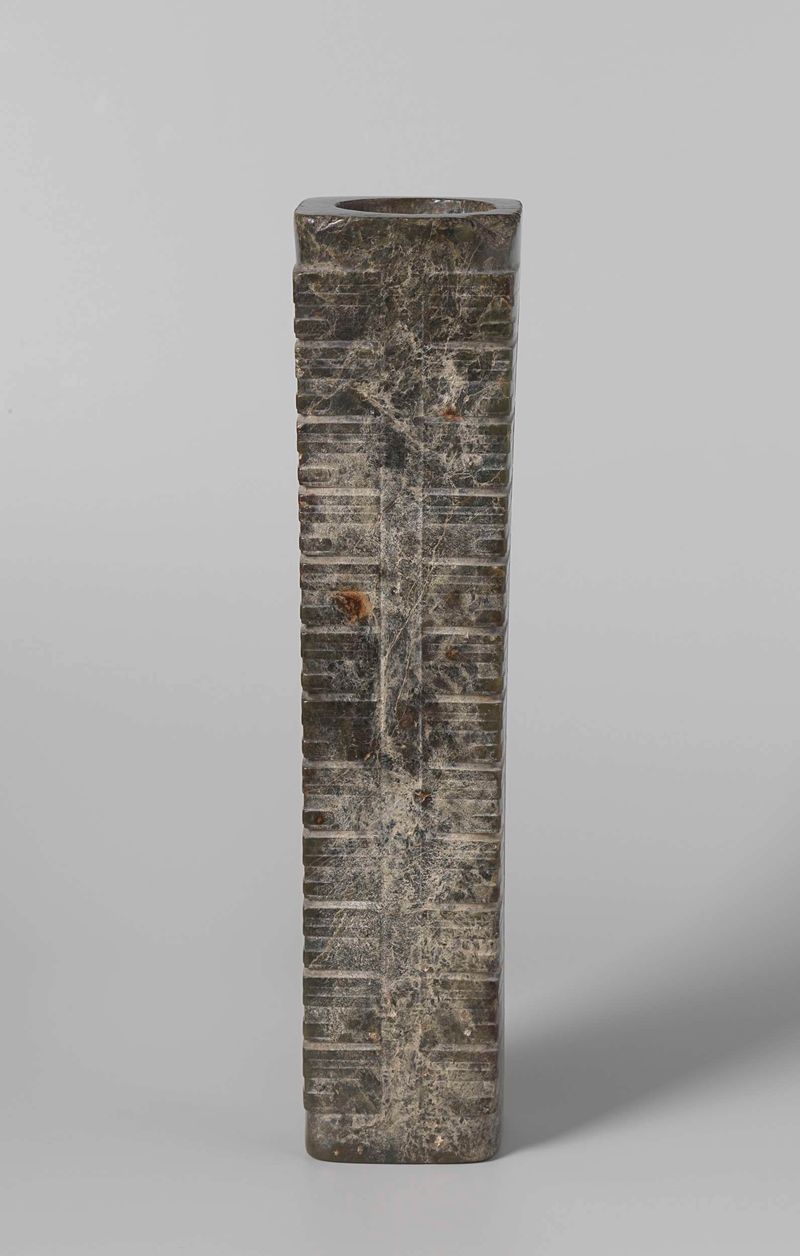
Cong
Unknown Artist
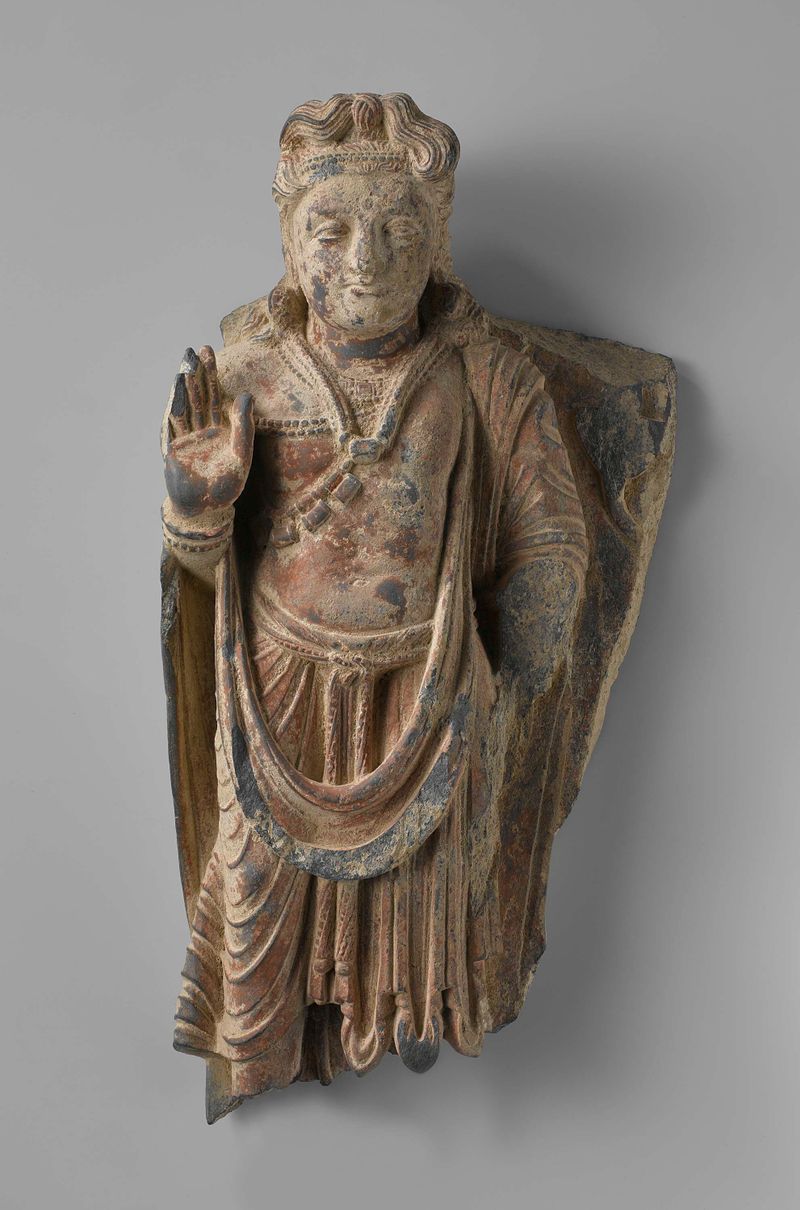
The bodhisattva Maitreya
Unknown Artist
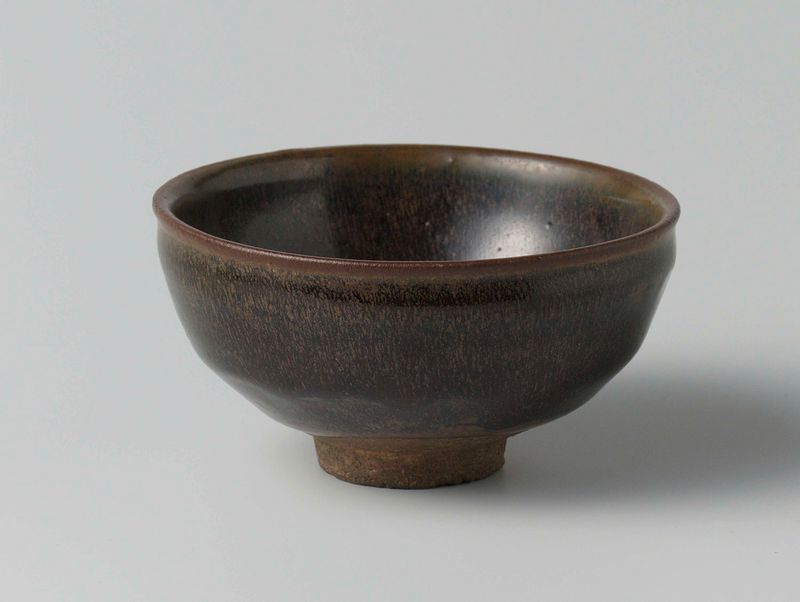
Teabowl with a 'hare's fur' glaze
Unknown Artist
More Historical Art
Browse all →
The Night Watch Militia Company of District II under the Command of Captain Frans Banninck Cocq
Rembrandt van Rijn

Lincoln Memorial
Henry Bacon

The Third of May 1808
Francisco de Goya

Isaac and Rebecca, Known as ‘The Jewish Bride’
Rembrandt van Rijn

The Charge of the Mamelukes (1814)
Francisco de Goya

De vier ruiters van de apocalyps
Albrecht Dürer