
De Prinsengracht te Amsterdam — History & Facts
When did color learn to lie? The vibrant hues that dance across the canvas evoke a sense of life, yet beneath this beauty lies a whisper of mortality, a reminder of the inevitability of time’s passage. Start by looking closely at the central figures, their expressions caught in moments of contemplation as they navigate the waters of De Prinsengracht. Notice how the reflections shimmer in the canal, bending reality while simultaneously grounding the scene. The artist employs a palette of rich blues and earthy browns, with splashes of sunlight breaking through the urban landscape, creating a stark contrast between the lively scene and the undercurrents of transience. As you delve deeper, consider the juxtaposition of the bustling activity and the stillness of the water, a metaphor for life’s fleeting nature.
The bright colors may seduce the eye, yet they serve as a façade, masking the deeper truths of existence that linger just below the surface. Each stroke appears deliberate, capturing not just a moment in time but the weight of history and memory — a collective acknowledgment of what has come and what is to fade. Wenckebach painted this work in the mid-20th century while living in Amsterdam, a city marked by its rich artistic heritage and profound changes post-war. During this period, the art world was shifting, moving towards modernism and abstraction, yet he remained dedicated to capturing the essence of everyday life and its poignancy, reflecting both the vibrancy and the melancholy of human experience.
More Artworks by Willem Wenckebach
Browse all →
Bakkersgang te Amsterdam
Willem Wenckebach

Oude huizen aan het Markenplein te Amsterdam
Willem Wenckebach

Oude huizen aan het Waterlooplein te Amsterdam
Willem Wenckebach
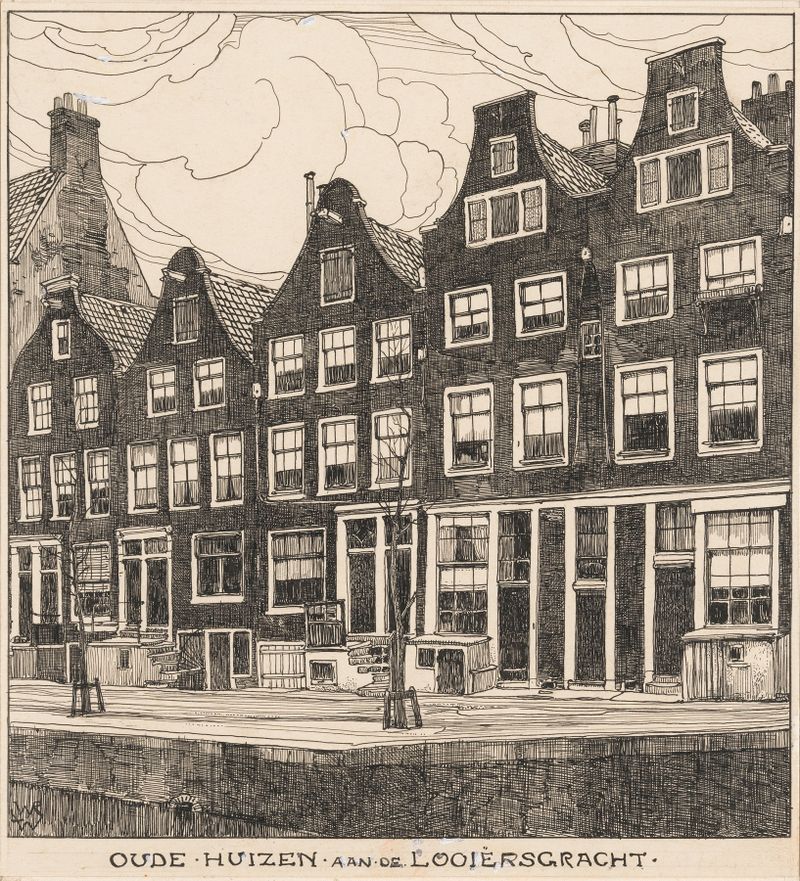
Oude huizen aan de Looiersgracht te Amsterdam
Willem Wenckebach
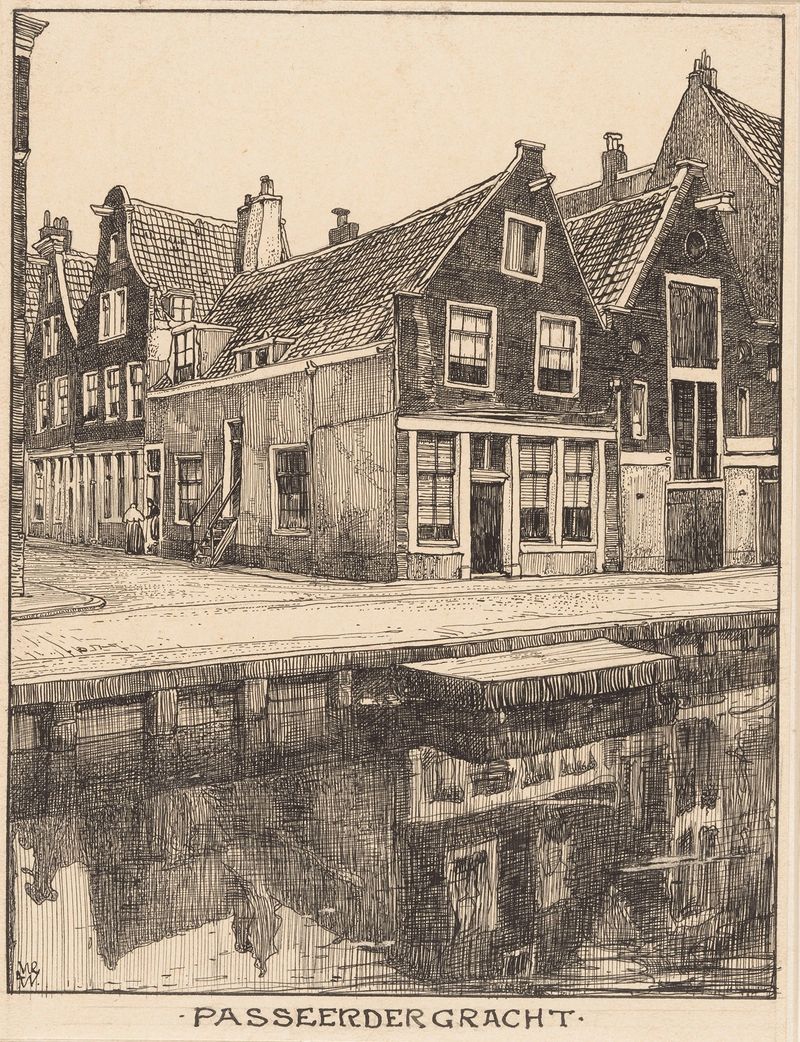
Passeerder Gracht te Amsterdam
Willem Wenckebach
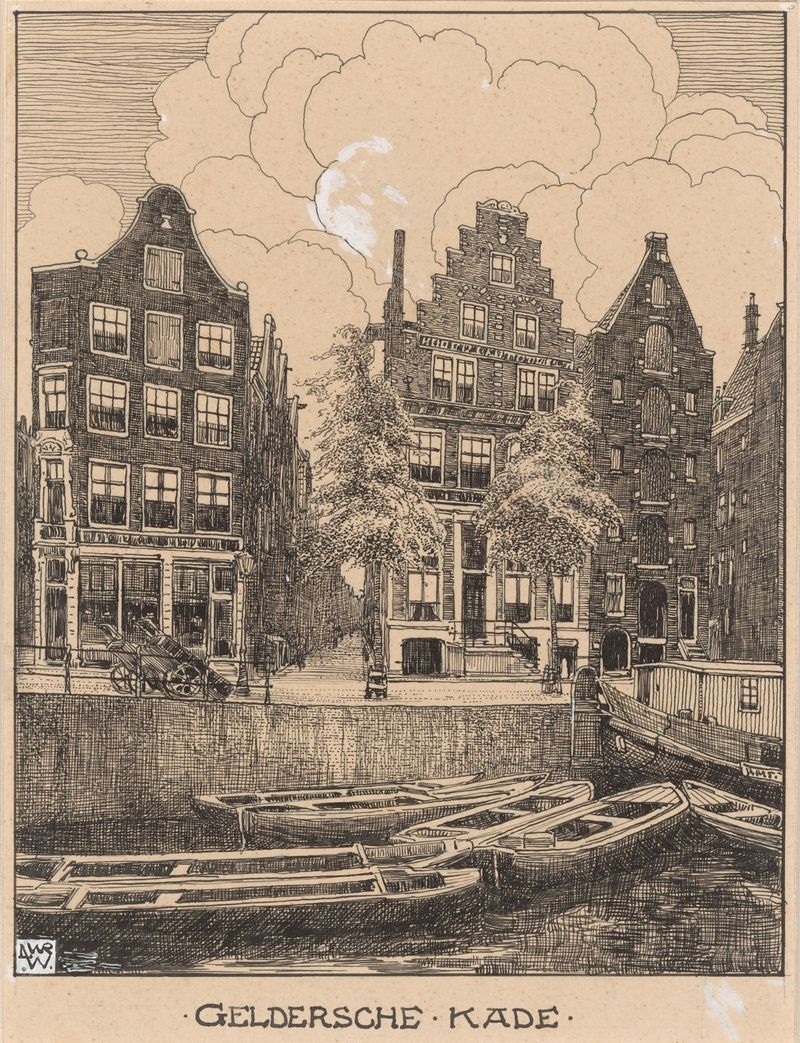
De Gelderse Kade te Amsterdam
Willem Wenckebach
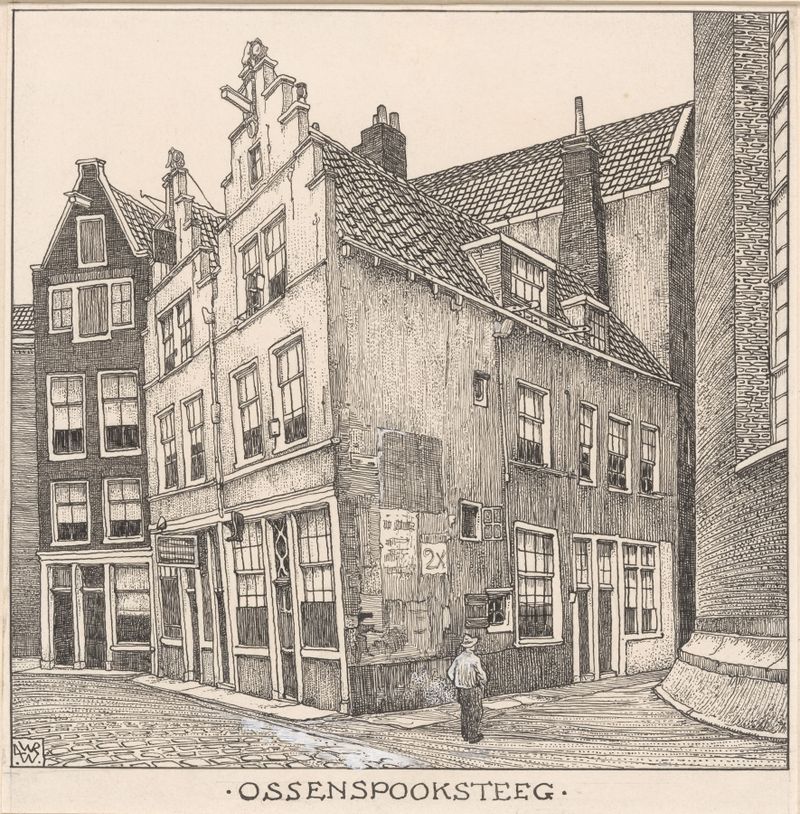
De Ossenspooksteeg te Amsterdam
Willem Wenckebach

Het Beurspleintje te Amsterdam
Willem Wenckebach
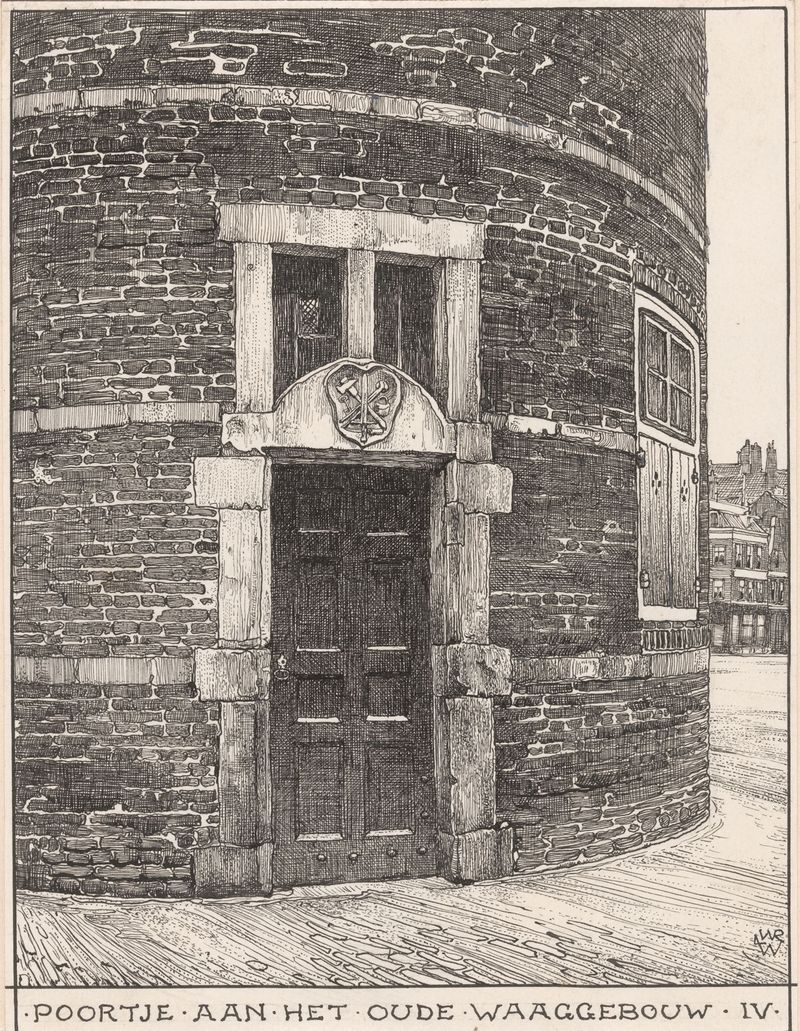
Poortje aan het oude Waaggebouw te Amsterdam
Willem Wenckebach

Torensluis te Amsterdam
Willem Wenckebach





