
De Slootstraat te Amsterdam — History & Facts
Where does light end, and longing begin? In the delicate interplay of shadow and brightness, we find the essence of fragility captured in a moment suspended in time. Look to the foreground, where the cobbled street creates a gentle rhythm, leading your eye through the narrow passageway. Notice how the soft light cascades down, illuminating the facades of the buildings, their textures alive with the brushstrokes that form both warmth and unease. The muted colors evoke a sense of nostalgia, while the careful placement of figures suggests a hidden narrative of connection and separation, hinting at stories left untold. As you delve deeper into the scene, consider the solitary figure standing at the edge, framed by the encroaching shadows of the alley.
This contrast speaks to the emotional weight of isolation amidst the inviting light. The juxtaposition of the vibrant colors against the somber undertones captures the pulse of city life, revealing the fragility of daily existence and the fleeting encounters that define our connections with one another. Wenckebach created this work in the 20th century while living in Amsterdam, a time marked by the exploration of urban life in art. The post-war era saw a re-emergence of interest in everyday subjects, reflecting both personal and collective experiences.
In De Slootstraat te Amsterdam, the artist channels the essence of his surroundings, intersecting the vibrancy of the city with the poignant reflections of its inhabitants.
More Artworks by Willem Wenckebach
Browse all →
Bakkersgang te Amsterdam
Willem Wenckebach

Oude huizen aan het Markenplein te Amsterdam
Willem Wenckebach

Oude huizen aan het Waterlooplein te Amsterdam
Willem Wenckebach
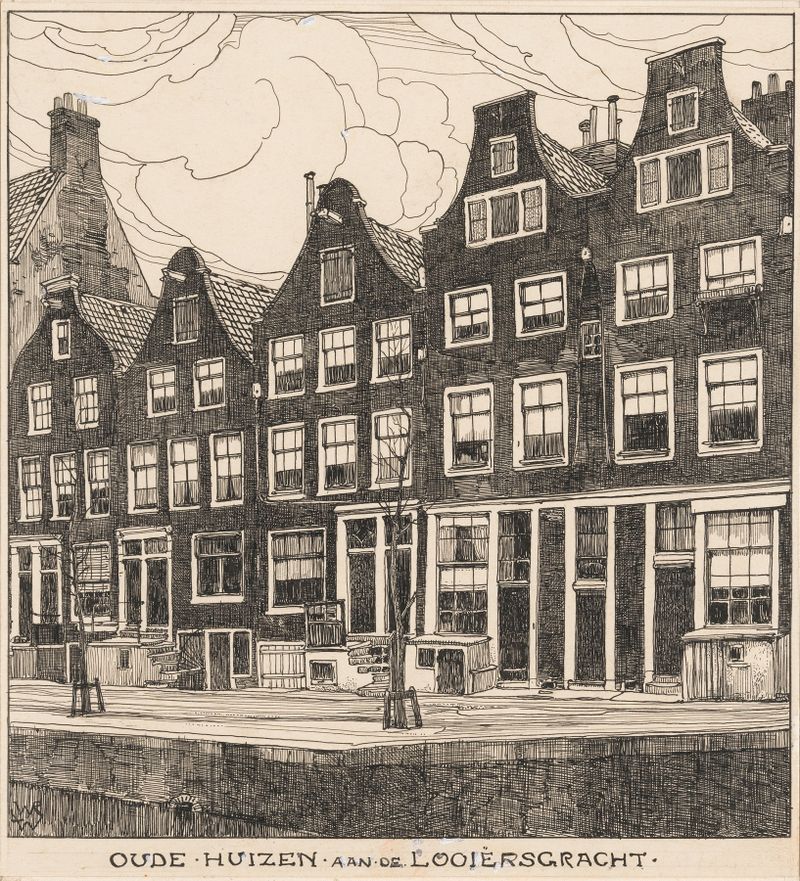
Oude huizen aan de Looiersgracht te Amsterdam
Willem Wenckebach
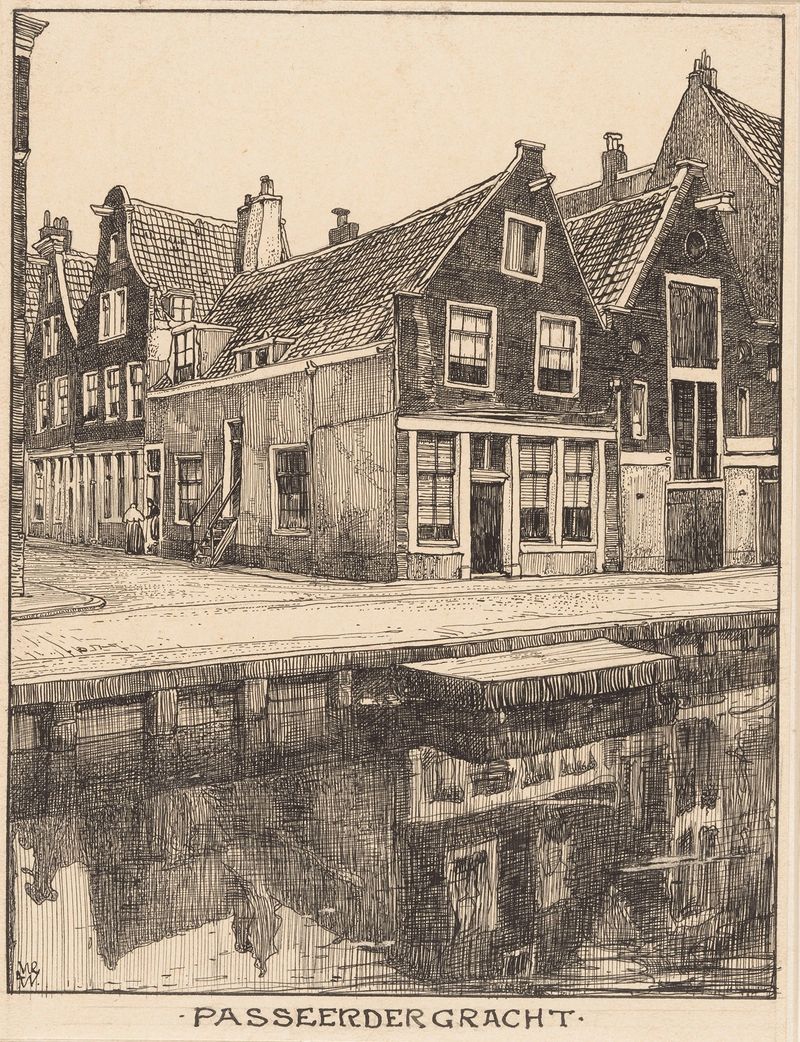
Passeerder Gracht te Amsterdam
Willem Wenckebach
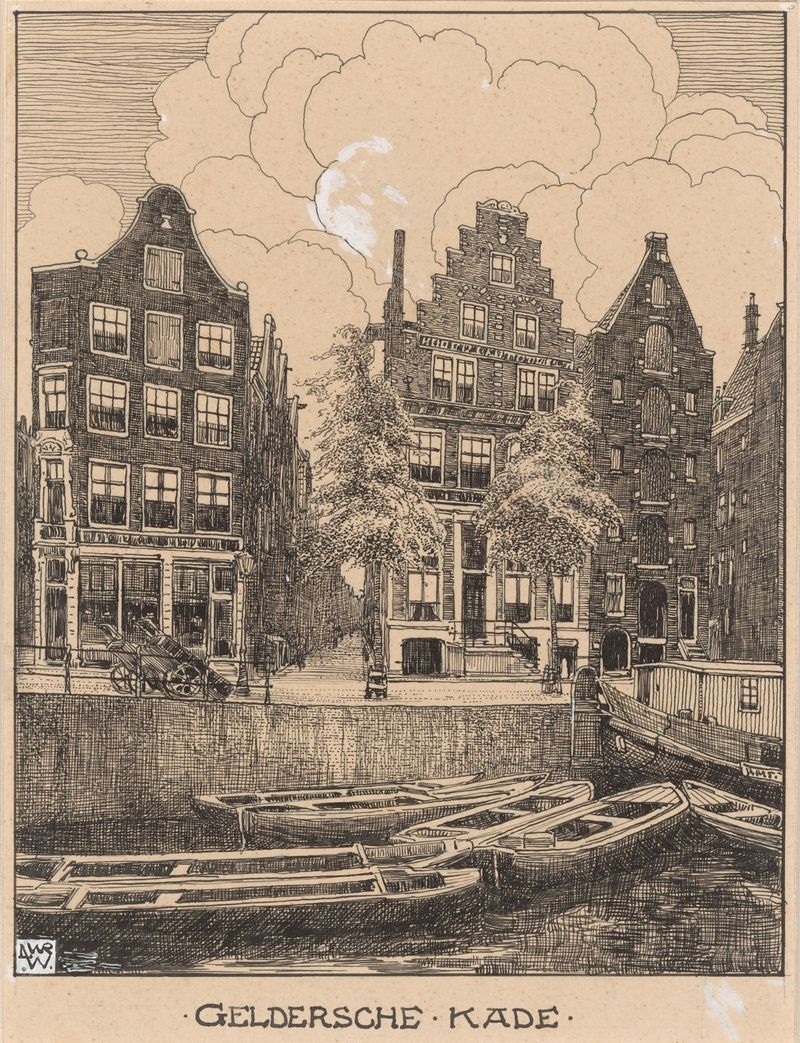
De Gelderse Kade te Amsterdam
Willem Wenckebach
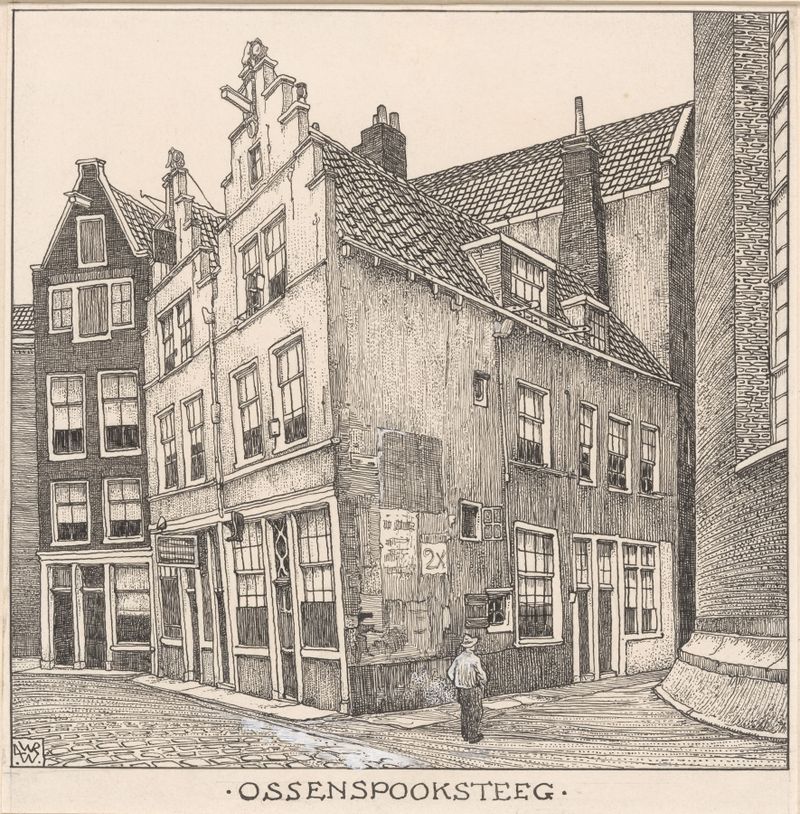
De Ossenspooksteeg te Amsterdam
Willem Wenckebach

Het Beurspleintje te Amsterdam
Willem Wenckebach
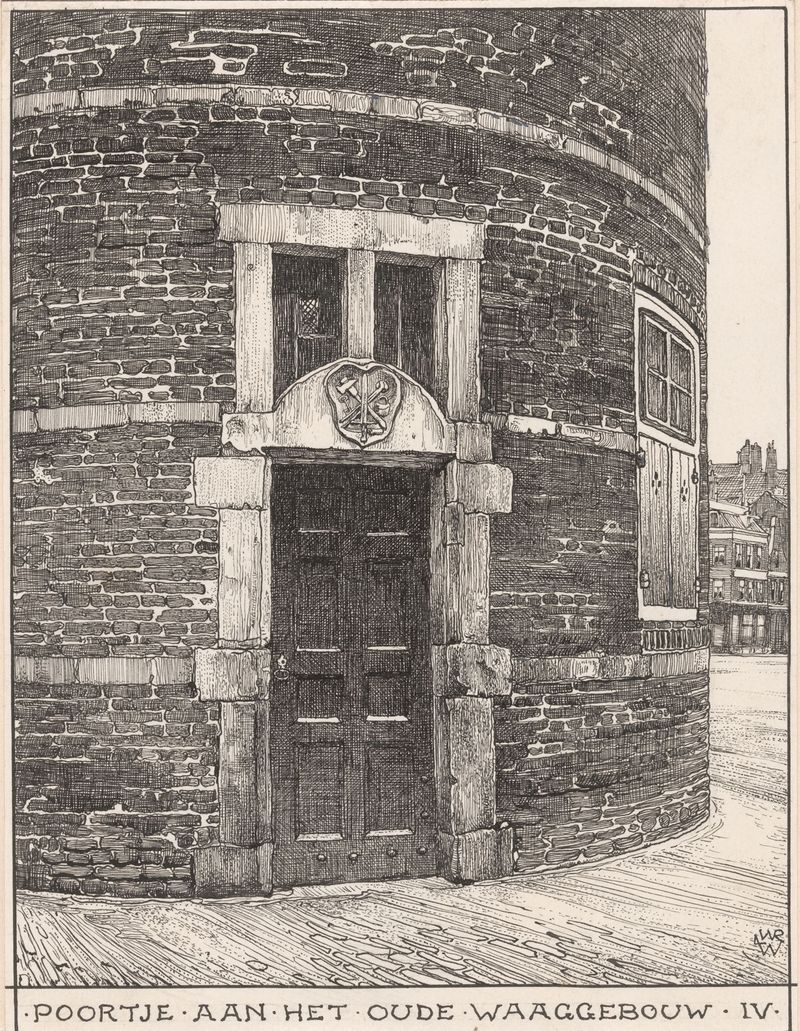
Poortje aan het oude Waaggebouw te Amsterdam
Willem Wenckebach

Torensluis te Amsterdam
Willem Wenckebach
More Architecture Art
Browse all →
The statue of Liberty
Frédéric Auguste Bartholdi

View of Houses in Delft, Known as ‘The Little Street’
Johannes Vermeer

View of Houses in Delft, Known as ‘The Little Street’
Johannes Vermeer

The Cathedral in Rouen. The portal, Grey Weather
Claude Monet

The yellow house
Vincent van Gogh

The Church in Auvers-sur-Oise, View from the Chevet
Vincent van Gogh