
De triomf van Scipio — History & Facts
In De triomf van Scipio, we encounter a visual symphony where ecstasy and tension intertwine, whispering of a triumph that transcends mere victories on the battlefield. Focus on the vibrant scene at the center of the composition, where Scipio stands resplendent, adorned in regal robes that catch the light in shimmering hues. The dynamic poses of the surrounding figures draw the eye outward, creating a rhythmic flow that leads to the jubilant expressions of the crowd. Notice how the contrasting dark backgrounds amplify the brightness of the characters, facilitating an emotional crescendo that hints at the aftermath of a glorious triumph. Within the minute details, one can detect deeper tensions — the juxtaposition of joy and solemnity, for amidst the celebration lies an undercurrent of sacrifice.
The expressions of the figures reveal a shared experience of ecstasy tempered by the weight of their history. Each gesture, from raised arms to relaxed postures, narrates the complexities of victory: what is won and what is lost, evoking a collective memory steeped in honor and grief. This artwork emerged during a period of rich cultural flourishing, likely painted between 1550 and 1575. The unknown artist was part of a dynamic milieu where the Renaissance ideals were blossoming, reflecting a society captivated by classical history and heroism.
In this climate, the creation of De triomf van Scipio resonates as a testament not only to artistic skill but also to the zeitgeist of an era steeped in reflection on glory and the ephemeral nature of triumphs.
More Artworks by Unknown Artist
Browse all →
Ridder, Dood en Duivel
Unknown Artist
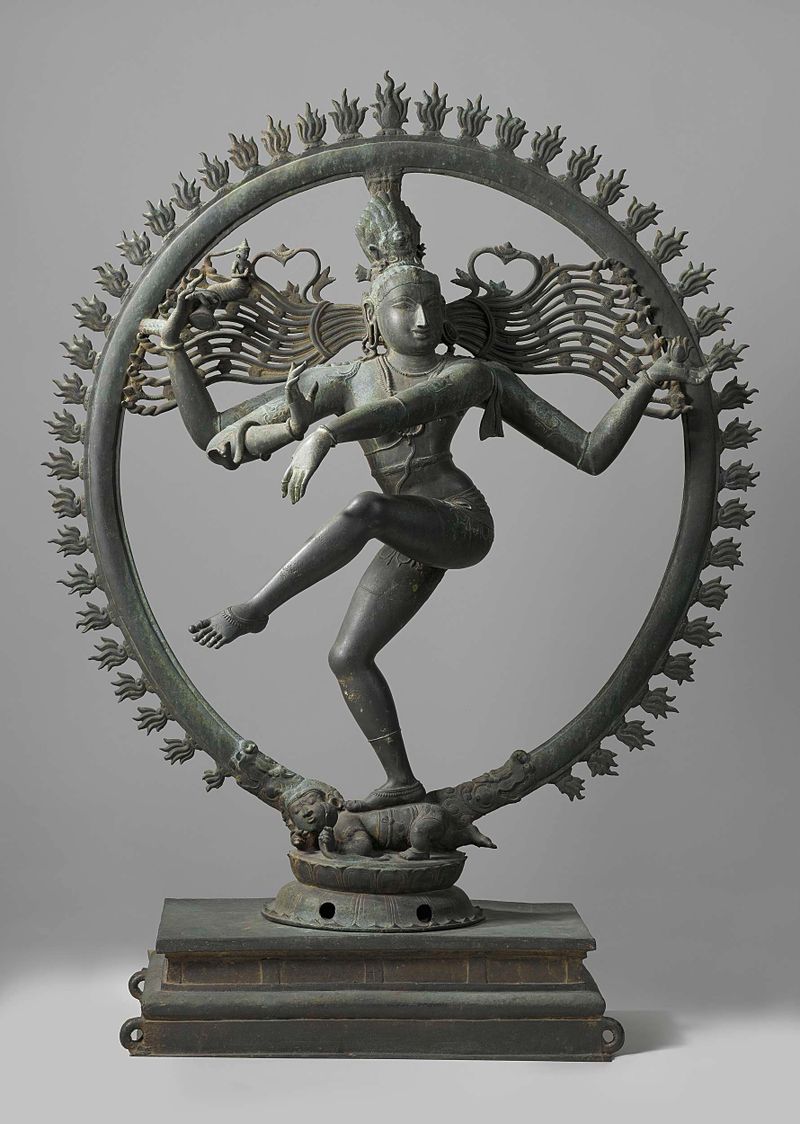
Shiva Nataraja
Unknown Artist
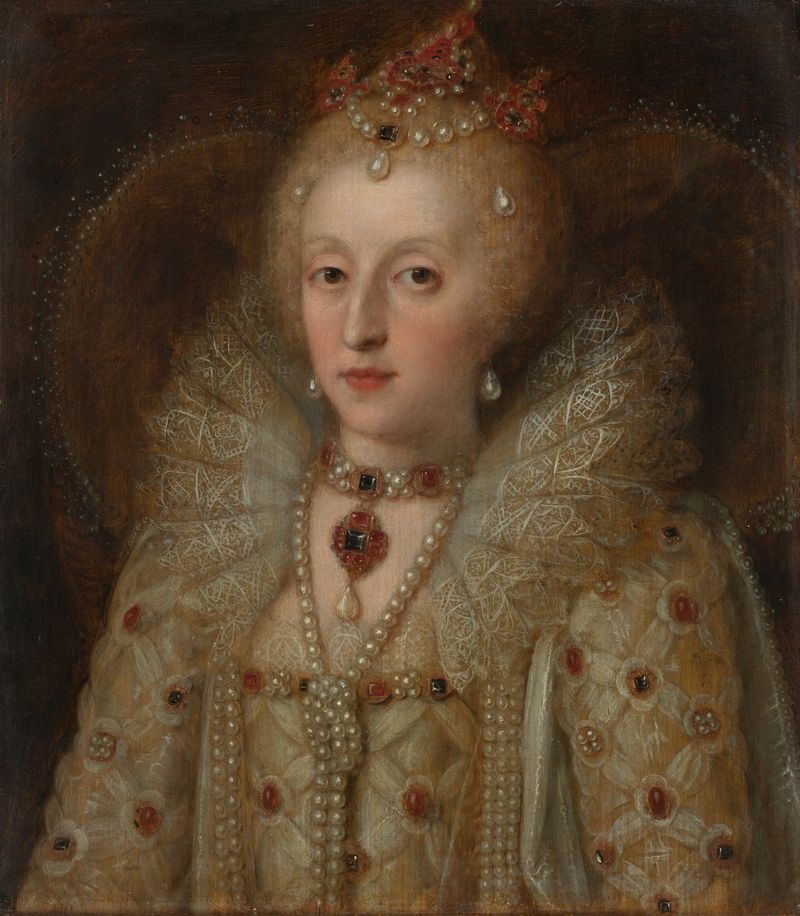
Portrait of Elizabeth I, Queen of England
Unknown Artist
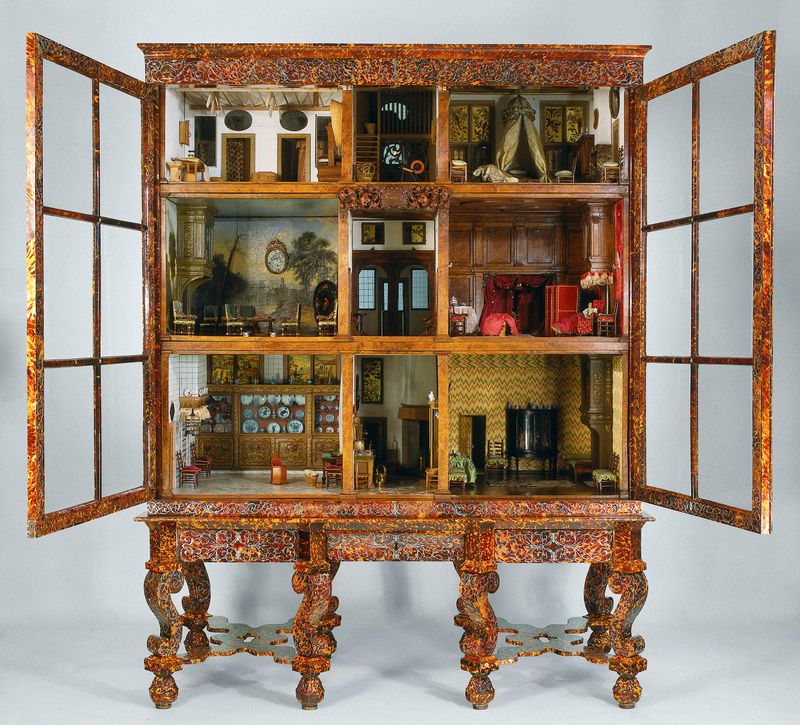
Dolls’ house of Petronella Oortman
Unknown Artist
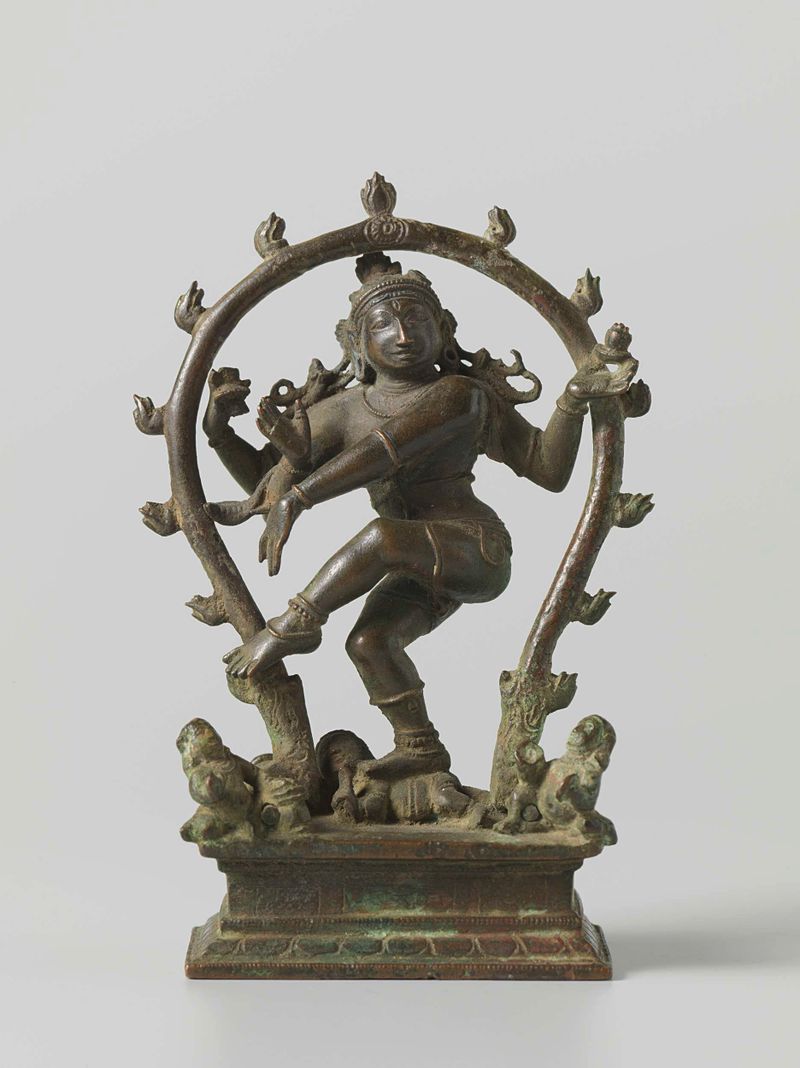
Shiva Nataraja
Unknown Artist

The Tale of Genji
Unknown Artist

The Tale of Genji
Unknown Artist

Cong
Unknown Artist
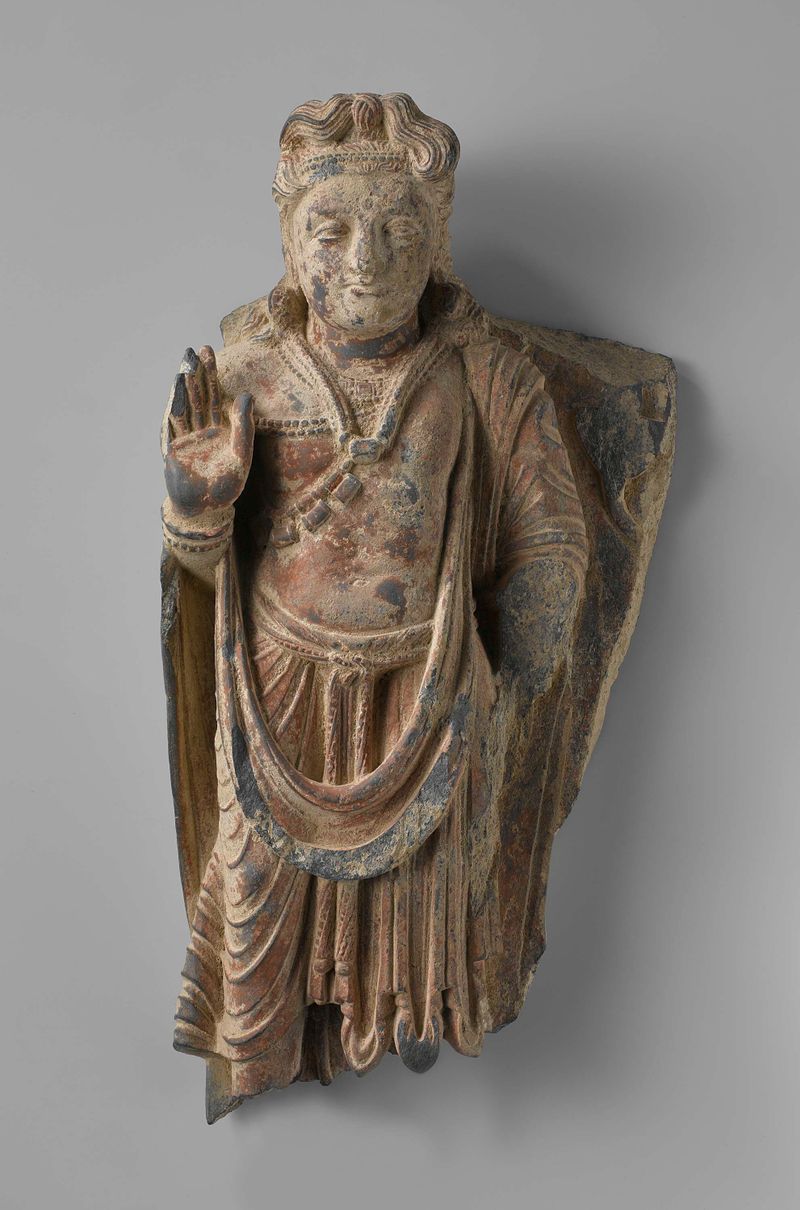
The bodhisattva Maitreya
Unknown Artist

Teabowl with a 'hare's fur' glaze
Unknown Artist
More Historical Art
Browse all →
The Night Watch Militia Company of District II under the Command of Captain Frans Banninck Cocq
Rembrandt van Rijn

Lincoln Memorial
Henry Bacon

The Third of May 1808
Francisco de Goya

Isaac and Rebecca, Known as ‘The Jewish Bride’
Rembrandt van Rijn

The Charge of the Mamelukes (1814)
Francisco de Goya

De vier ruiters van de apocalyps
Albrecht Dürer