
De Warmoesgracht — History & Facts
In De Warmoesgracht, the shimmering surface of the water reflects not only the surrounding architecture but also the fragility of life’s moments, hinting at the inevitable passage of time. Look to the left at the row of elegant canal houses, their intricate gables visibly bending under the weight of history. As your eye travels to the water’s edge, notice how the soft, muted colors blend seamlessly — rich browns and greens juxtaposed against the serene blues. The play of light dances across the surface, capturing fleeting glimmers that evoke both beauty and transience, inviting contemplation of what lies beneath the surface. Delve deeper, and the scene reveals subtle contrasts.
The calmness of the water belies the bustling life of the city, while the idyllic setting masks an undercurrent of melancholy. Each reflection in the water serves as a reminder of the impermanence of beauty, a poignant metaphor for mortality that echoes throughout the composition. The viewer is left to ponder the stories held within these walls, reinforcing the connection between life’s vibrancy and its inevitable decline. In 1894, when this work was created, the artist was exploring the themes of urban life and landscape.
Living in Amsterdam during a transformative period for Dutch art, he was influenced by the social changes of the time, as well as the broader movements within the art world. This painting captures not just a moment in time but a reflection of the artist's contemplation on life and the beauty intertwined with the transitory nature of existence.
More Artworks by Jan Hoynck van Papendrecht
Browse all →
Landschap op Texel
Jan Hoynck van Papendrecht
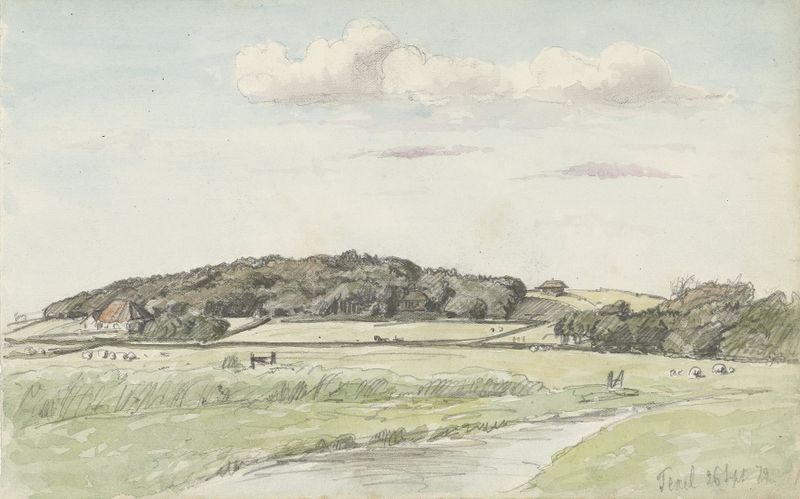
Gezicht op Texel
Jan Hoynck van Papendrecht
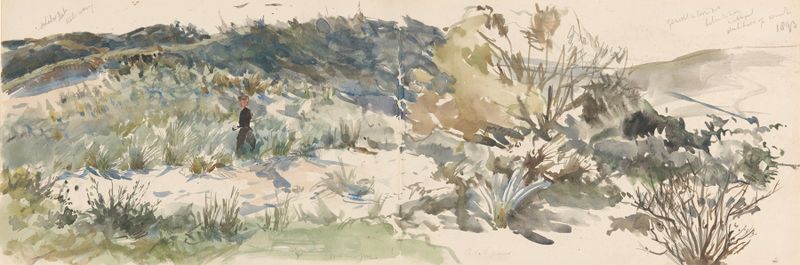
Duinlandschap
Jan Hoynck van Papendrecht

Duinlandschap tussen Bloemendaal en IJmuiden
Jan Hoynck van Papendrecht
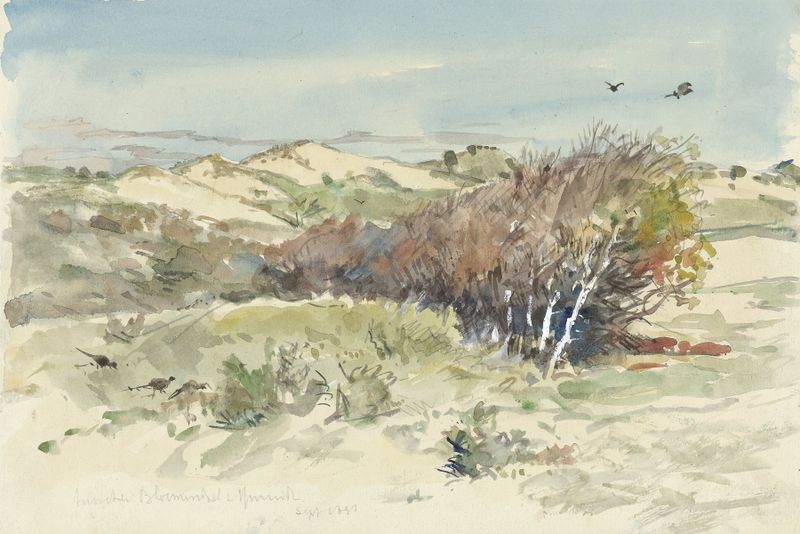
Duinlandschap tussen Bloemendaal en IJmuiden
Jan Hoynck van Papendrecht

Heiwerkzaamheden aan de Van Eeghenstraat, achter de Parkweg
Jan Hoynck van Papendrecht

Handelskade, Amsterdam
Jan Hoynck van Papendrecht
More Architecture Art
Browse all →
The statue of Liberty
Frédéric Auguste Bartholdi

View of Houses in Delft, Known as ‘The Little Street’
Johannes Vermeer

View of Houses in Delft, Known as ‘The Little Street’
Johannes Vermeer

The Cathedral in Rouen. The portal, Grey Weather
Claude Monet

The yellow house
Vincent van Gogh

The Church in Auvers-sur-Oise, View from the Chevet
Vincent van Gogh