Dead birds — History & Facts
Could beauty survive in a century of chaos? Dead Birds offers a haunting reflection on innocence lost amid the tumult of the early 20th century. Look closely at the meticulously rendered feathers and lifeless forms, where the artist captures a moment both serene and unsettling. Focus on the delicate way the light plays across the birds’ surfaces, highlighting textures that evoke a sense of fragility. The muted palette—earthy browns and soft grays—frames the composition, resonating with the somber theme while inviting contemplation of the dignity in decay. Beneath the surface, the juxtaposition of beauty and mortality speaks to greater tensions of the time.
Each bird, lifeless yet preserved, can symbolize the toll of conflict on innocence and natural splendor. The stillness invites viewers to reflect on the fleeting nature of life, while simultaneously urging an appreciation for the quiet beauty that persists in moments of sorrow. In 1921, the artist worked in a post-war landscape marked by disillusionment and societal shifts. This period saw a surge in modernist movements, questioning traditional forms and subjects.
The creation of this piece likely reflected Agthe’s response to the chaos surrounding him, as artists grappled with the impact of the Great War and the changes it wrought upon their world.
More Artworks by Curt Agthe
Browse all →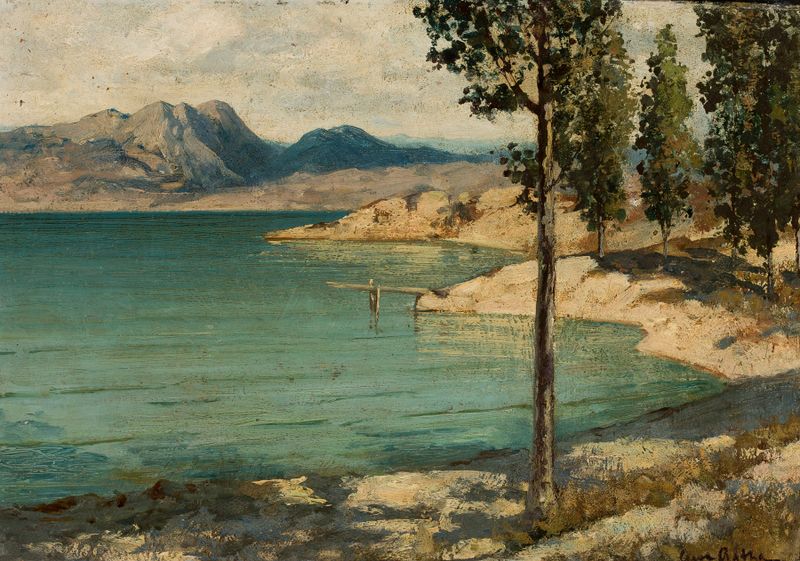
Lake Garda
Curt Agthe
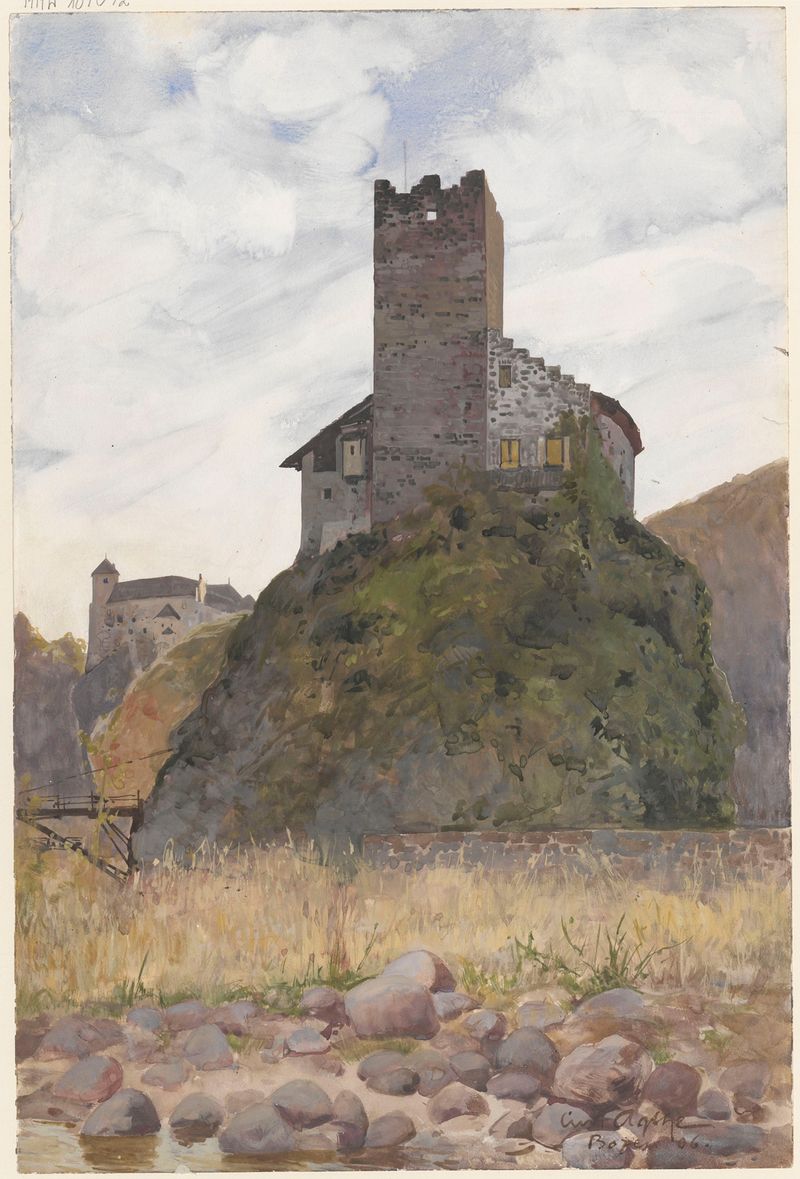
Castel Novale tower and view of Castel Runcolo in Bolzano
Curt Agthe
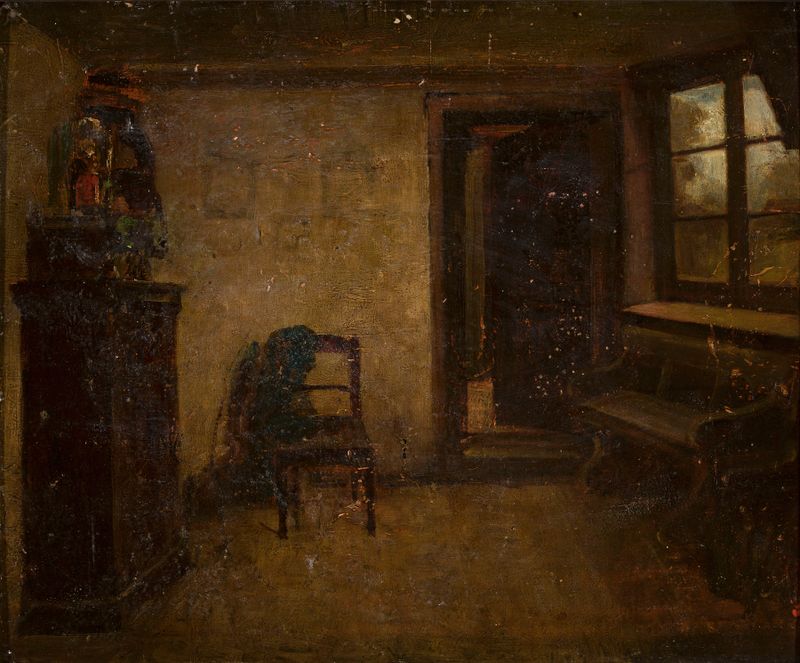
Room interior
Curt Agthe
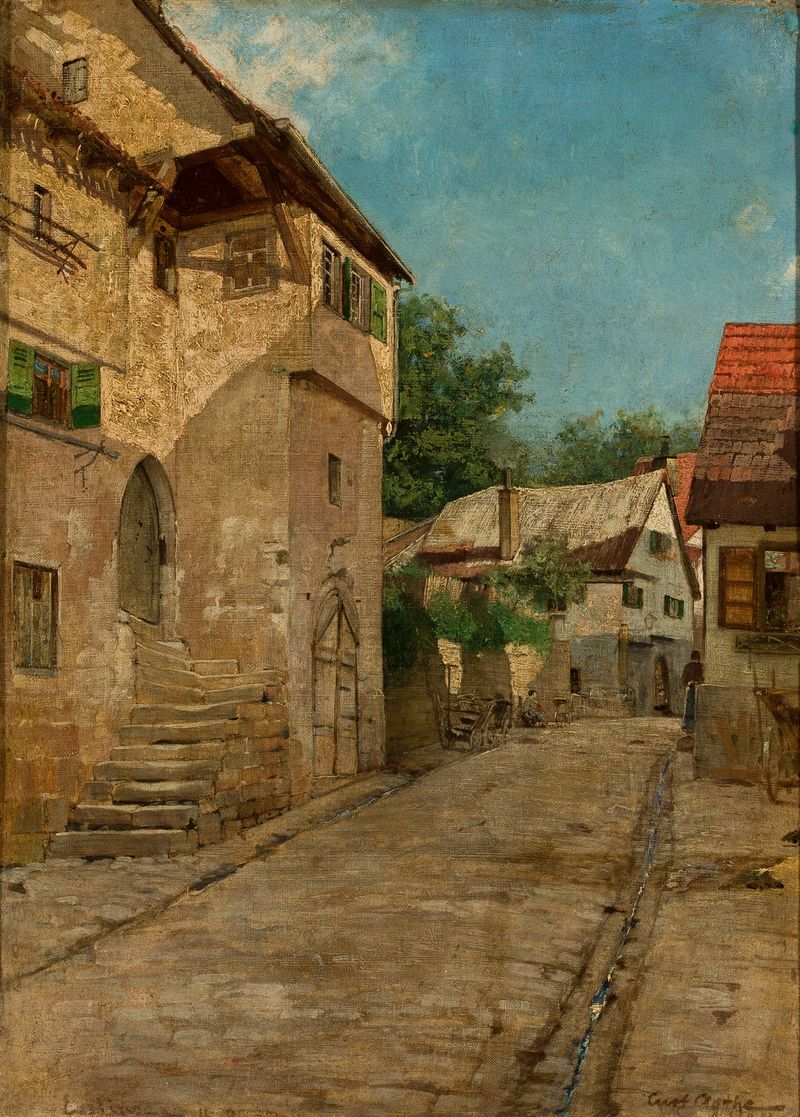
In a town
Curt Agthe
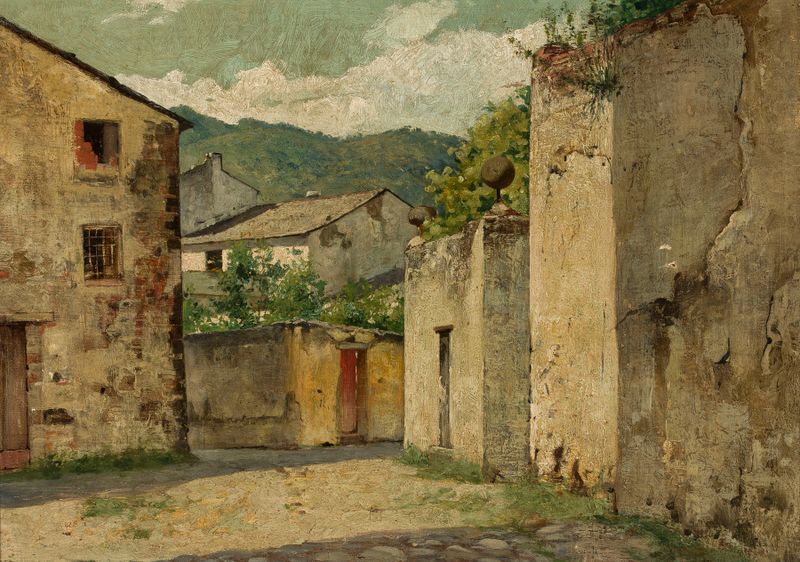
View of the town of Cassa on Riviera di Levante
Curt Agthe
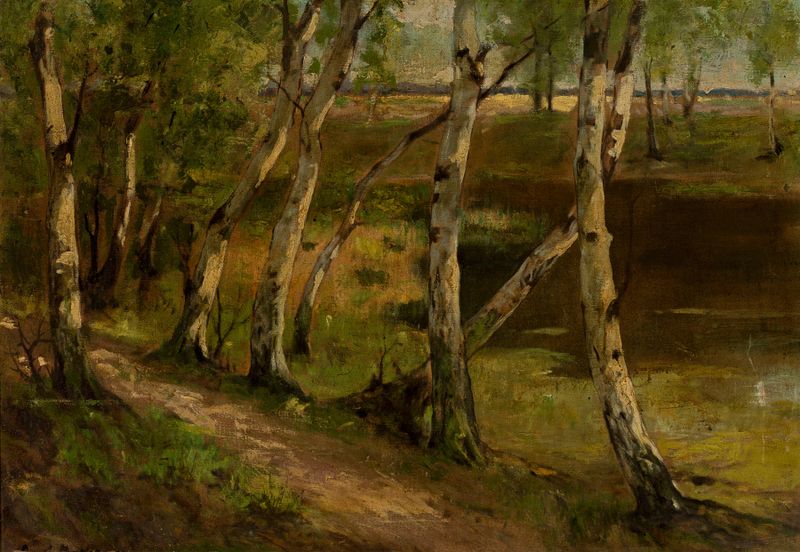
Birches at waterside
Curt Agthe
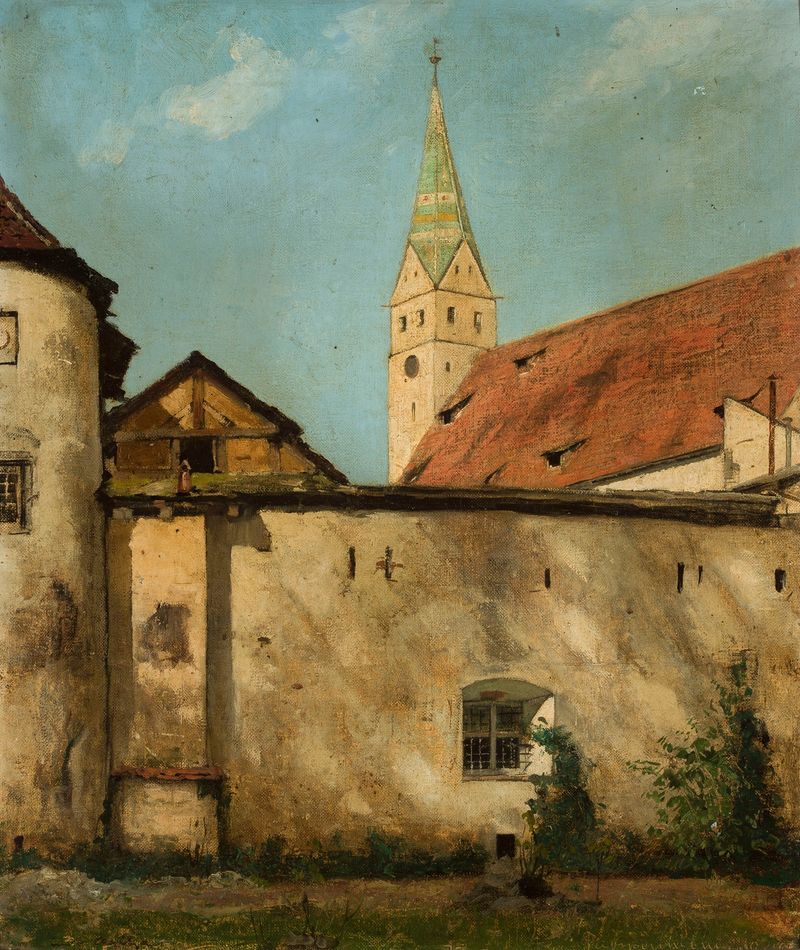
Courtyard of the castle in Pappenheim
Curt Agthe
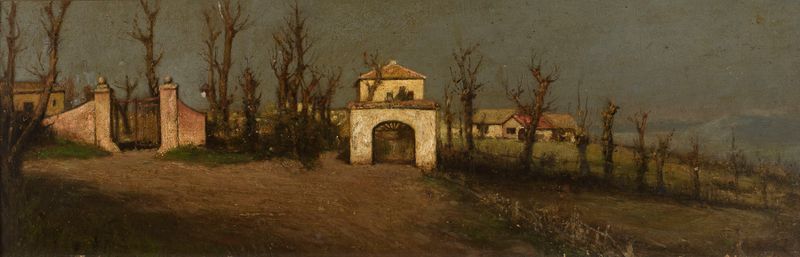
Landscape
Curt Agthe

Landscape with poplars
Curt Agthe

Waterfall
Curt Agthe