
Lake Garda — History & Facts
What if beauty was never meant to be finished? In Lake Garda, a delicate tension between permanence and transience unfolds, inviting us to ponder the fragility of nature and existence itself. Look closely at the tranquil surface of the water, where soft reflections dance like whispers of memory. Notice how the palette, awash with gentle blues and greens, creates a visual symphony that captures both the serene beauty and inherent instability of the landscape. The brushwork evokes a sense of movement, as if the scene is alive and shifting, a fleeting moment frozen in time.
The distant mountains rise with muted grandeur, their presence both reassuring and remote, grounding the composition while simultaneously inviting contemplation. Within this serene vista lie deeper currents of meaning. The juxtaposition of the calm lake against the distant peaks suggests a dialogue between stillness and the inevitable passage of time, a reminder that all moments, however beautiful, are ephemeral. The artist’s choice of light dances across the surface, creating an illusion of depth that evokes both peace and contemplation of life’s impermanence.
This interplay of light and shadow draws the viewer into a meditative space, where reflection becomes an intimate act of vulnerability. Curt Agthe painted Lake Garda in 1914 while living in Germany, just before the tumultuous upheavals of World War I. The era was marked by artistic experimentation and a burgeoning exploration of landscapes that conveyed emotional depth. Amidst this backdrop of uncertainty, Agthe created a work that encapsulated not just the beauty of nature but also the fragility that accompanies it, reflecting both personal and universal truths in a world on the brink of change.
More Artworks by Curt Agthe
Browse all →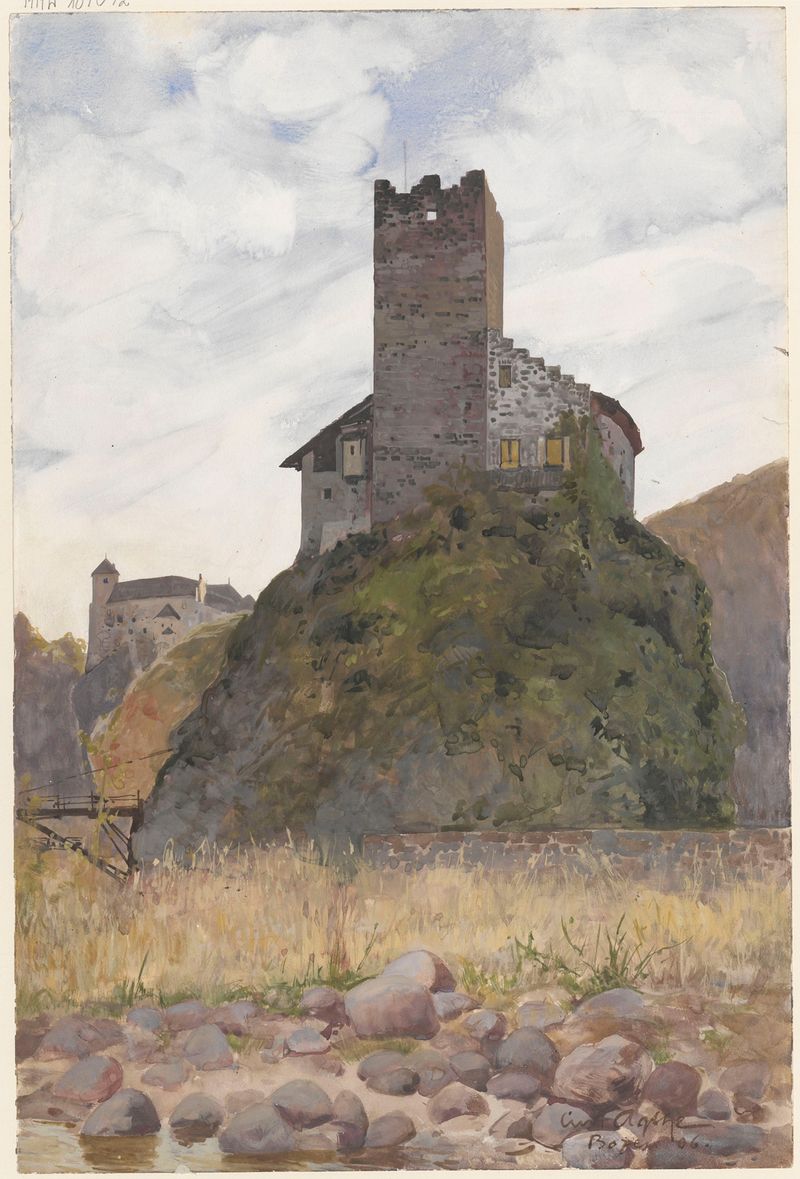
Castel Novale tower and view of Castel Runcolo in Bolzano
Curt Agthe
Room interior
Curt Agthe
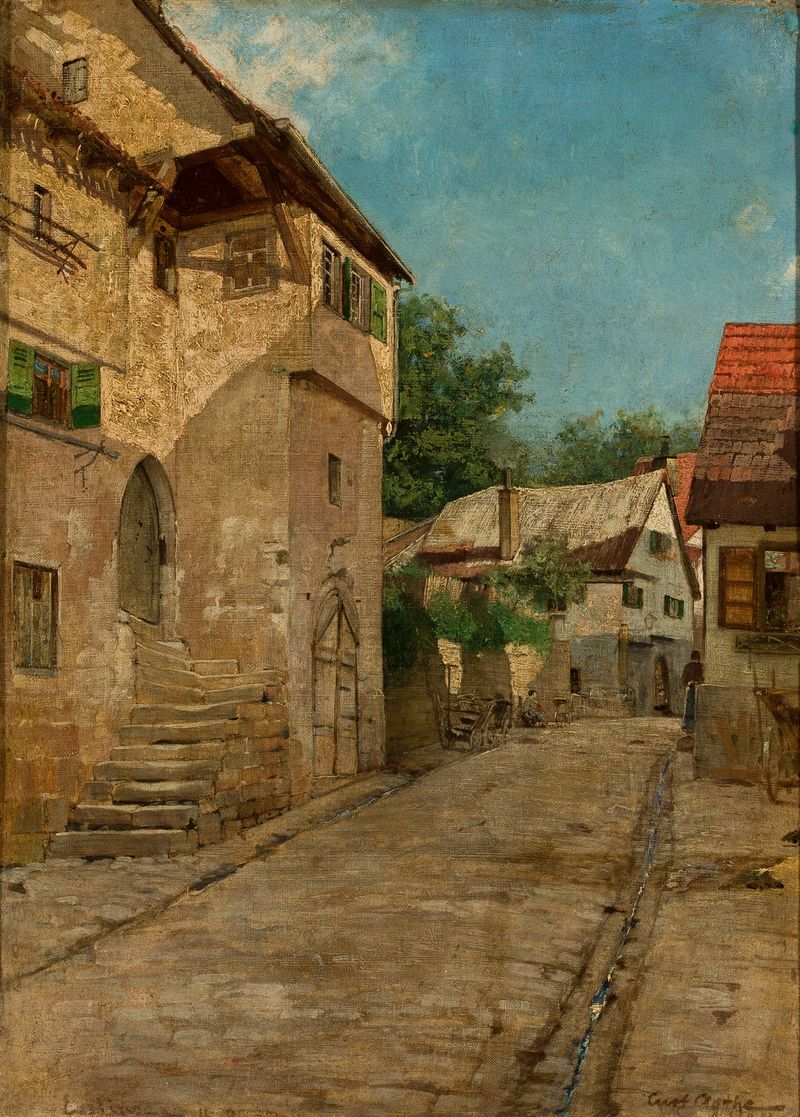
In a town
Curt Agthe
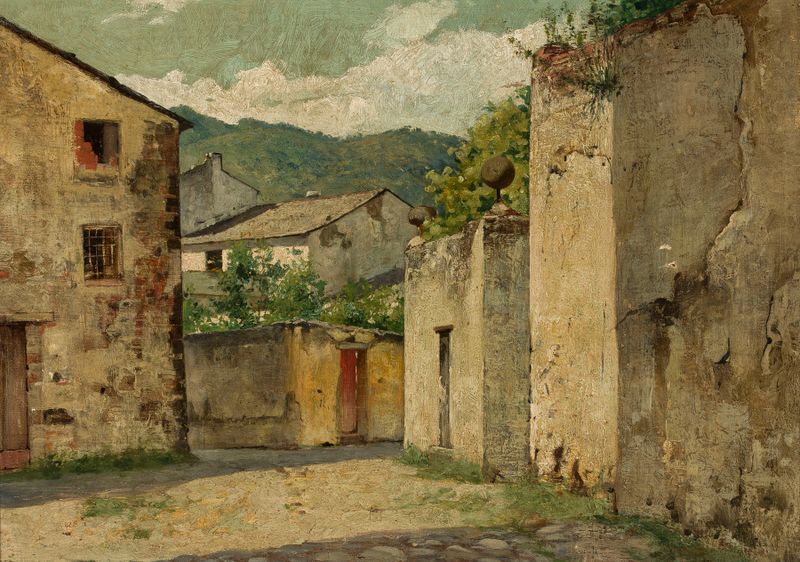
View of the town of Cassa on Riviera di Levante
Curt Agthe
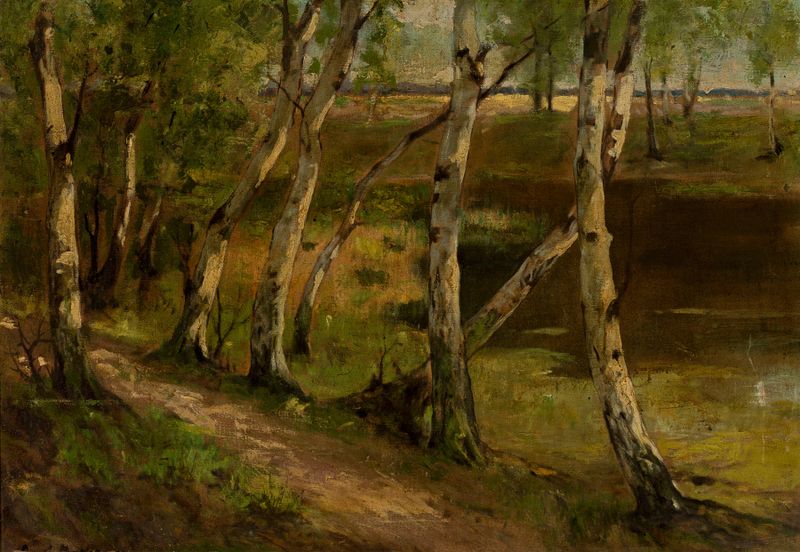
Birches at waterside
Curt Agthe
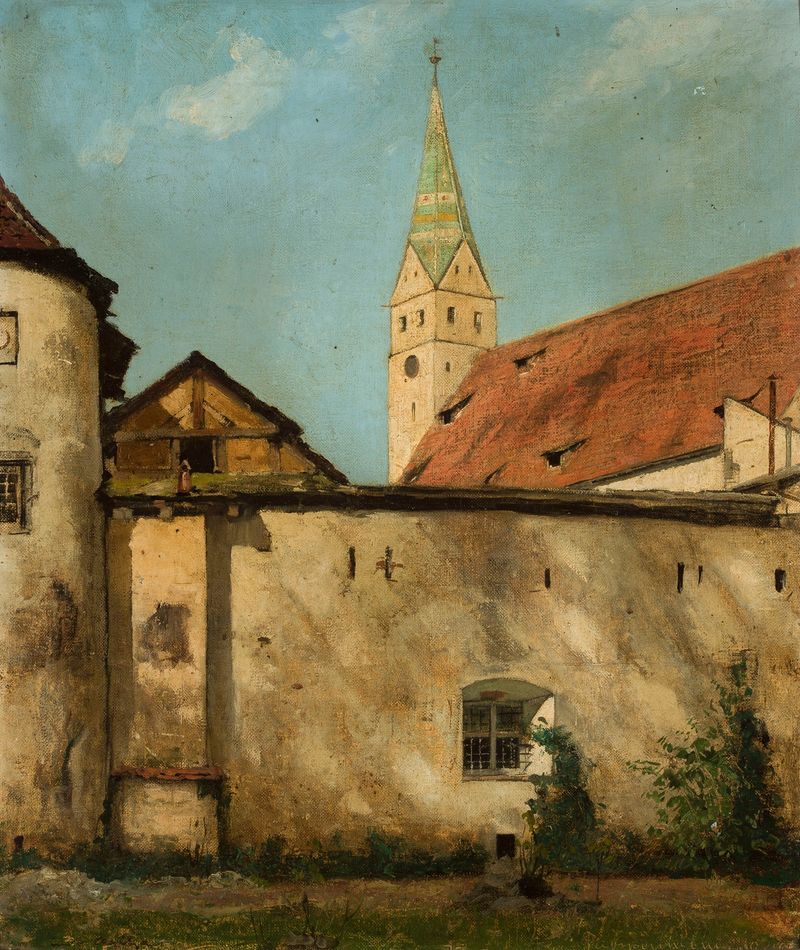
Courtyard of the castle in Pappenheim
Curt Agthe
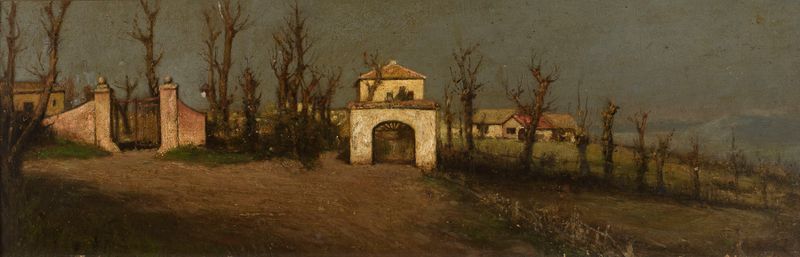
Landscape
Curt Agthe

Landscape with poplars
Curt Agthe

Waterfall
Curt Agthe

Gate to the San Vigilio Garden on Lake Garda
Curt Agthe





