
Landscape with poplars — History & Facts
As we gaze upon the canvas, we confront the fleeting nature of existence, the impermanence that shadows every moment of beauty. Look to the right at the delicate poplars, their slender forms reaching upwards, almost like a silent plea for permanence amidst the ever-changing cycle of life. The artist masterfully employs a palette of muted greens and soft browns, inviting a sense of tranquility that contrasts with the inevitable march of time captured in the swaying trees. Notice how the light filters through the leaves, casting playful shadows on the ground, creating a tapestry of light and shadow that pulls the viewer into a serene yet poignant dialogue about mortality. Deeper still, the painting whispers secrets of life and transience.
The poplars stand as silent sentinels, their vibrant presence a reminder of the passage of time, each leaf symbolizing a moment, a memory, or a life. The gentle undulations of the landscape evoke a sense of nostalgia, suggesting that while nature persists, our own lives are just a fleeting breath in its vast rhythm. The soft, blurred lines at the horizon beckon us to reflect on what lies beyond, hinting at the unknown that awaits every soul. In 1921, as he created this work, the artist was exploring themes of nature and existence while living in a post-war Europe grappling with loss and renewal.
This period of his life marked a transition toward embracing the beauty of the world around him, even as the scars of conflict reminded him of life’s fragility.
More Artworks by Curt Agthe
Browse all →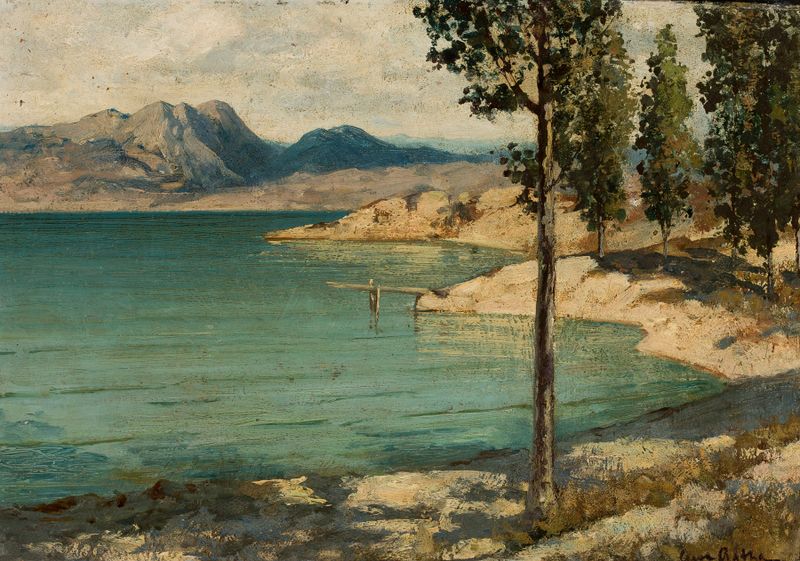
Lake Garda
Curt Agthe
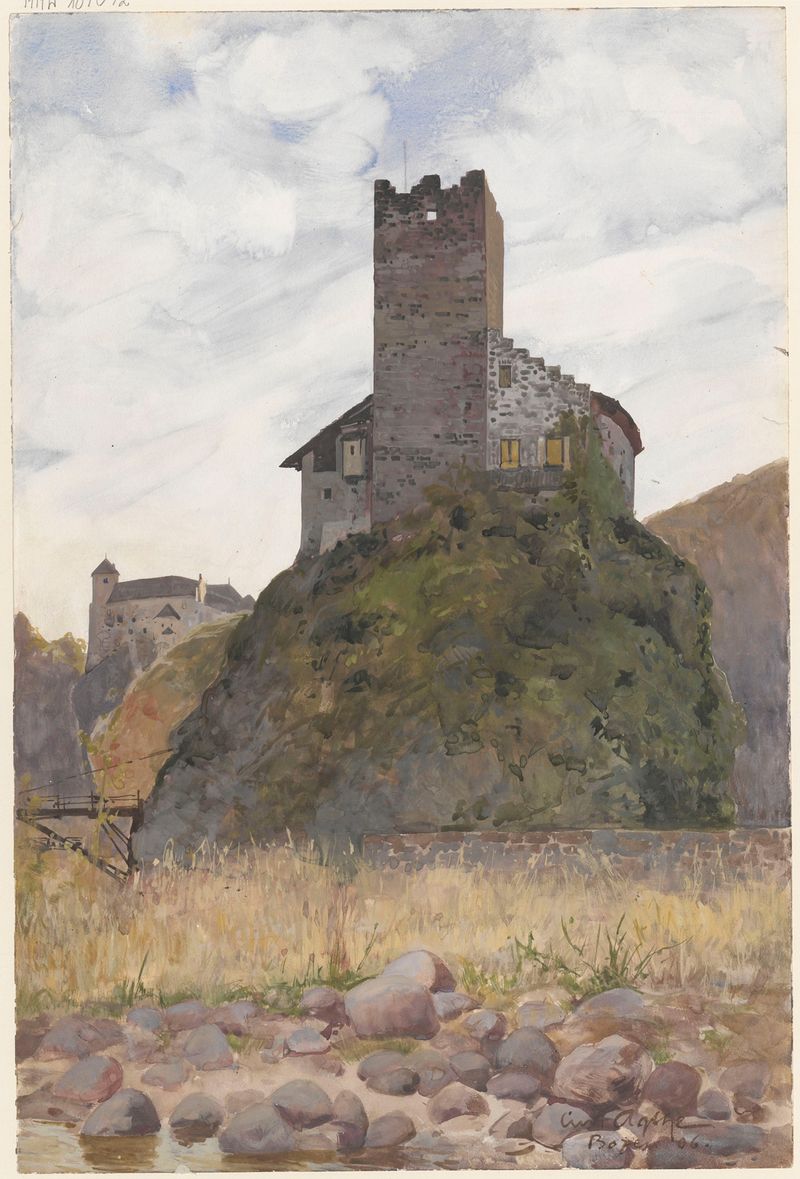
Castel Novale tower and view of Castel Runcolo in Bolzano
Curt Agthe
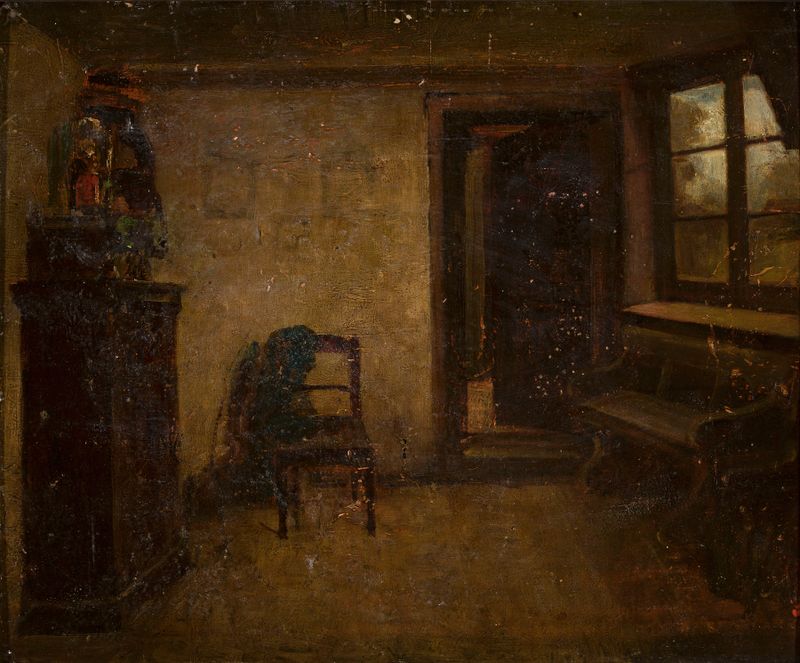
Room interior
Curt Agthe
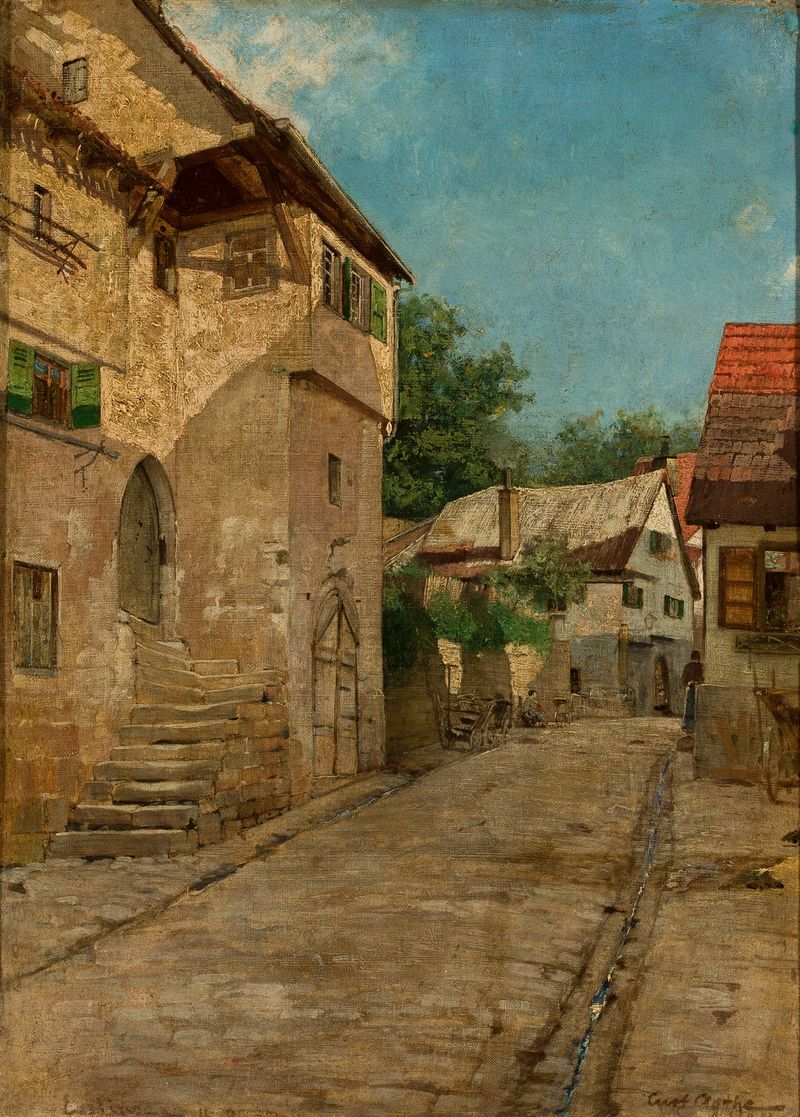
In a town
Curt Agthe
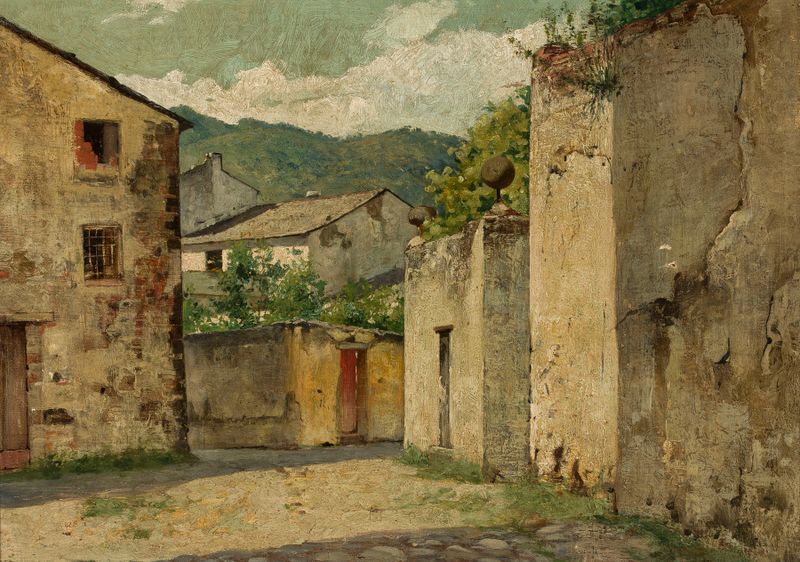
View of the town of Cassa on Riviera di Levante
Curt Agthe
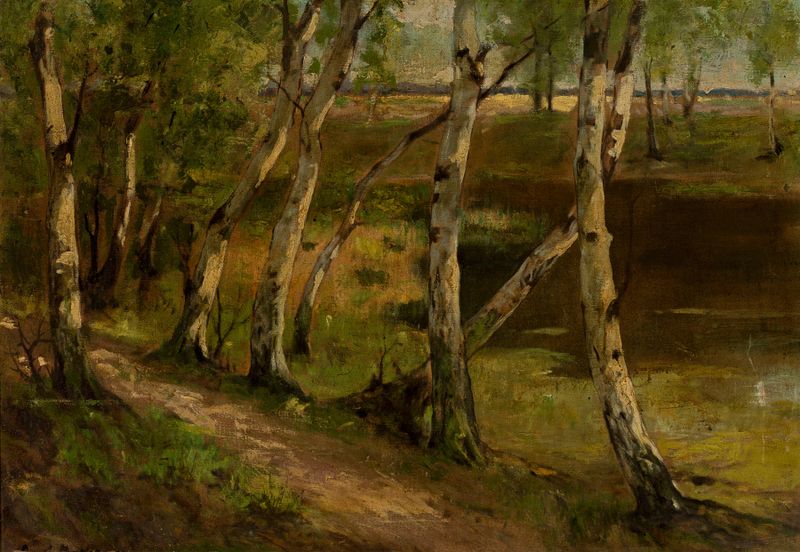
Birches at waterside
Curt Agthe
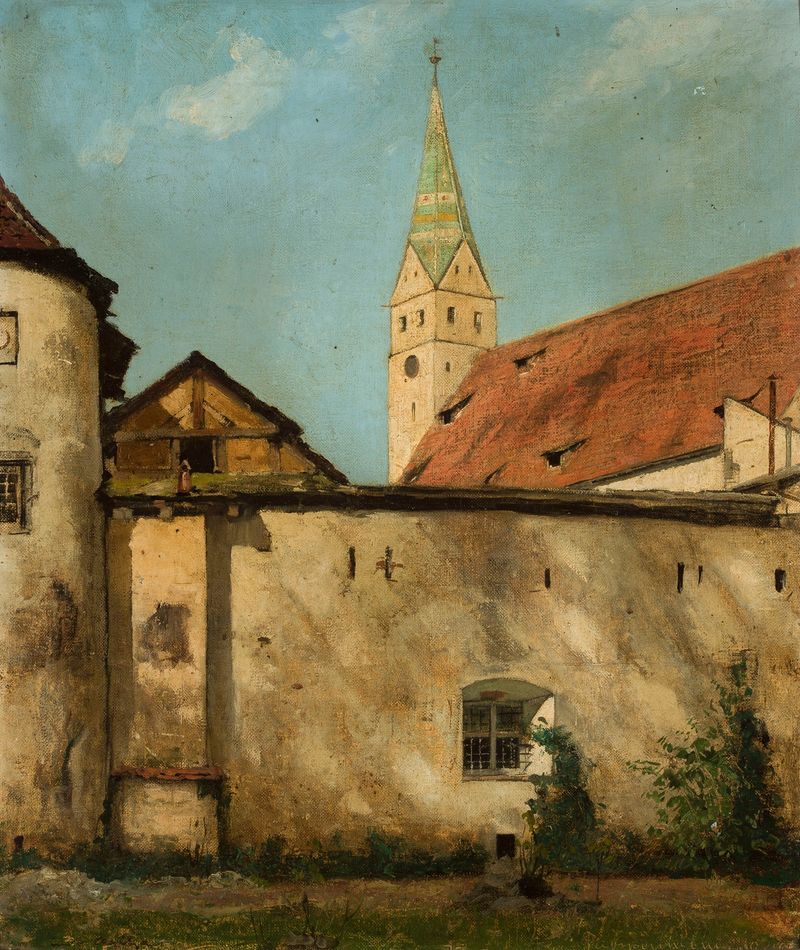
Courtyard of the castle in Pappenheim
Curt Agthe
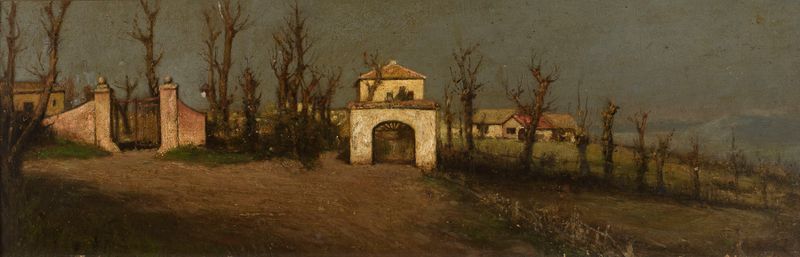
Landscape
Curt Agthe

Waterfall
Curt Agthe

Gate to the San Vigilio Garden on Lake Garda
Curt Agthe





