
Waterfall — History & Facts
When did color learn to lie? In the dance of light and shadow, Waterfall captures the heart of nature's truth, yet conceals an underlying marvel. Focus on the brilliant spectrum of hues cascading from the top, where sunlight spills over the edge like liquid gold. The artist masterfully layers blues and greens, shimmering in the water’s surface while contrasting with the earthy browns and greys that frame the scene. Notice how the brushstrokes mimic the fluidity of the water, creating movement that draws the viewer’s eye, inviting them to trace the path of the waterfall as it tumbles down to the rocks below. Amidst the vibrant colors lies a poignant contrast: the vitality of flowing water against the stark solidity of the surrounding boulders.
The juxtaposition highlights the relentless passage of time, suggesting impermanence in the beauty of nature. Each droplet appears to hold a moment suspended in time, symbolizing both transience and resilience. The interplay of light on the water creates an ethereal quality, blurring the lines between reality and illusion — an invitation to reflect on our perception of truth. Curt Agthe created this piece in 1897, during a period when the Impressionist movement was influencing artists across Europe.
Living in Germany, Agthe was immersed in a flourishing art scene, experimenting with color and technique to capture the essence of nature. This painting reflects both his personal exploration and the broader artistic shift towards embracing the beauty of light and color within landscape painting.
More Artworks by Curt Agthe
Browse all →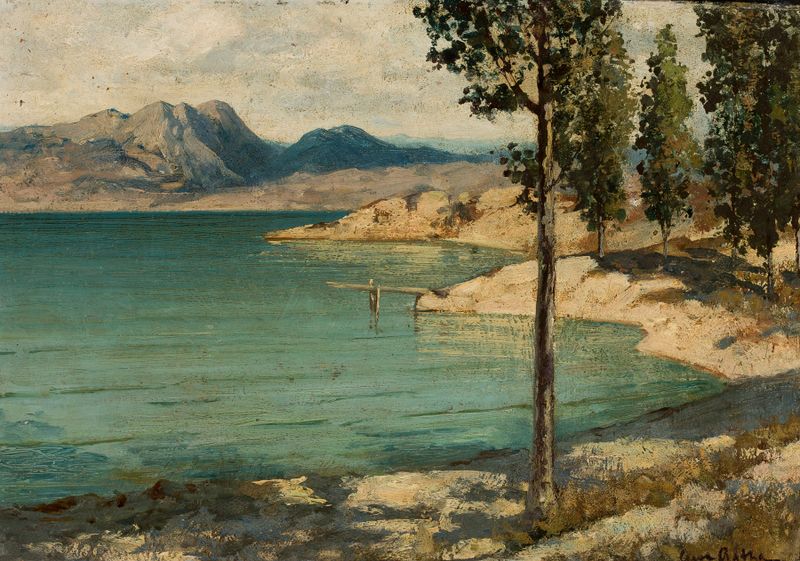
Lake Garda
Curt Agthe
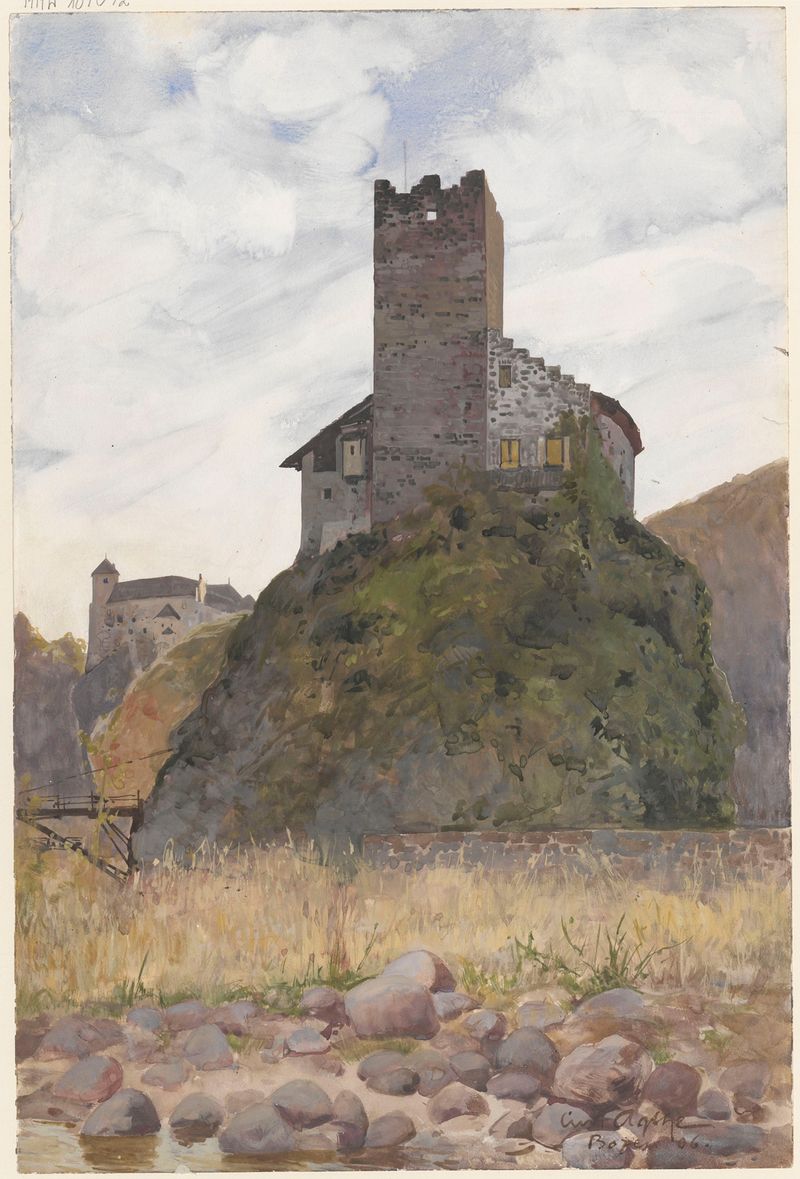
Castel Novale tower and view of Castel Runcolo in Bolzano
Curt Agthe
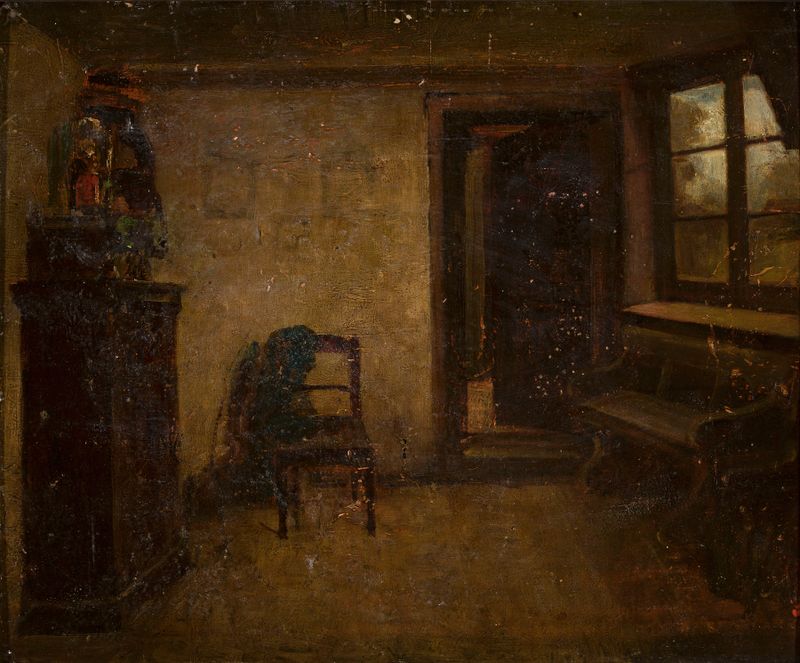
Room interior
Curt Agthe
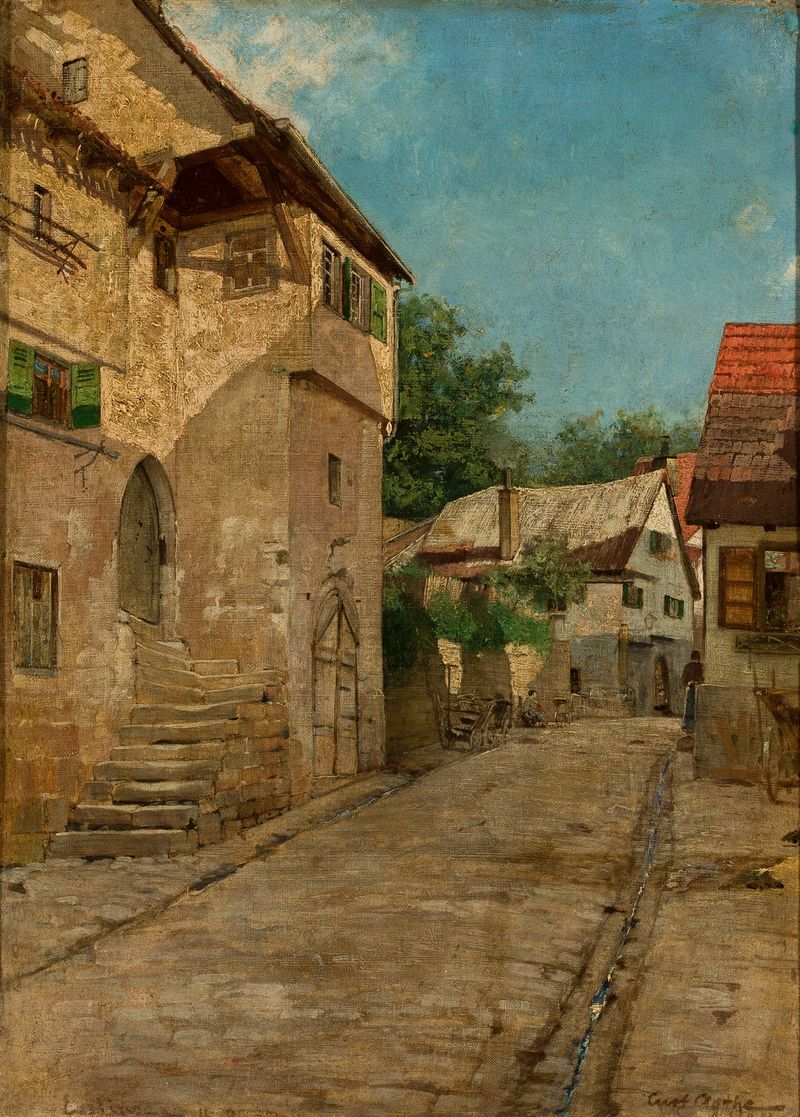
In a town
Curt Agthe
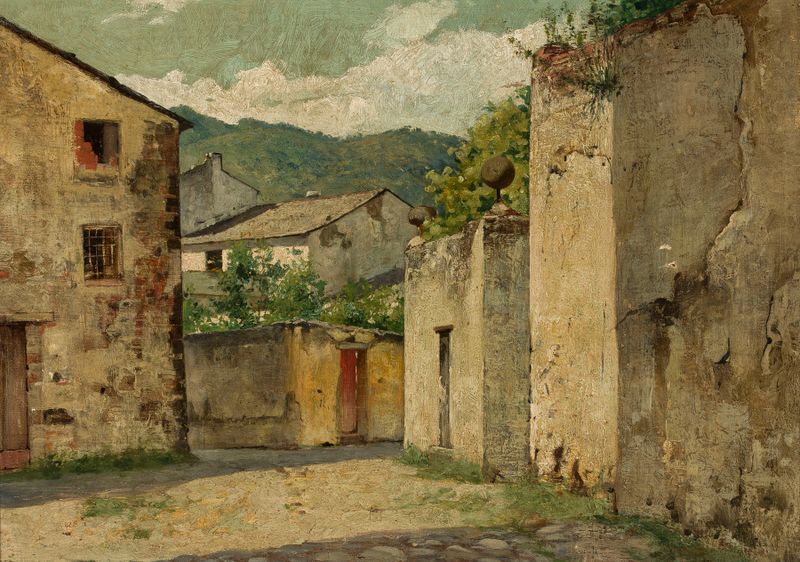
View of the town of Cassa on Riviera di Levante
Curt Agthe
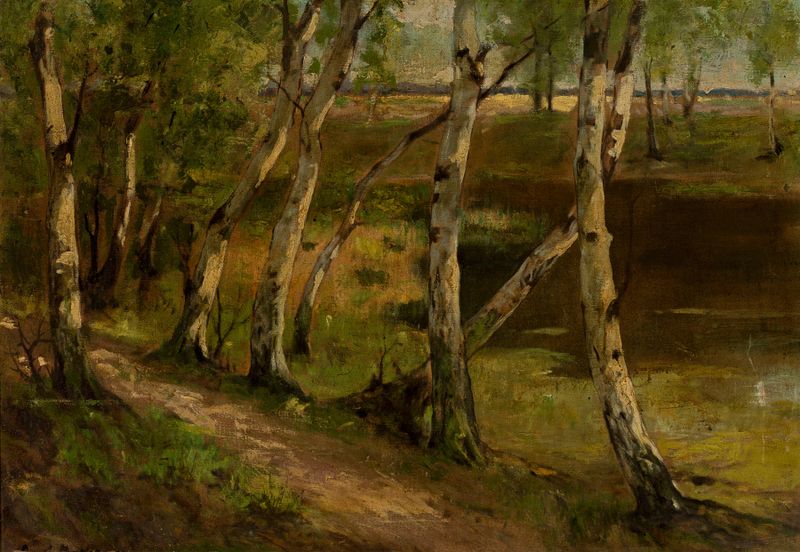
Birches at waterside
Curt Agthe
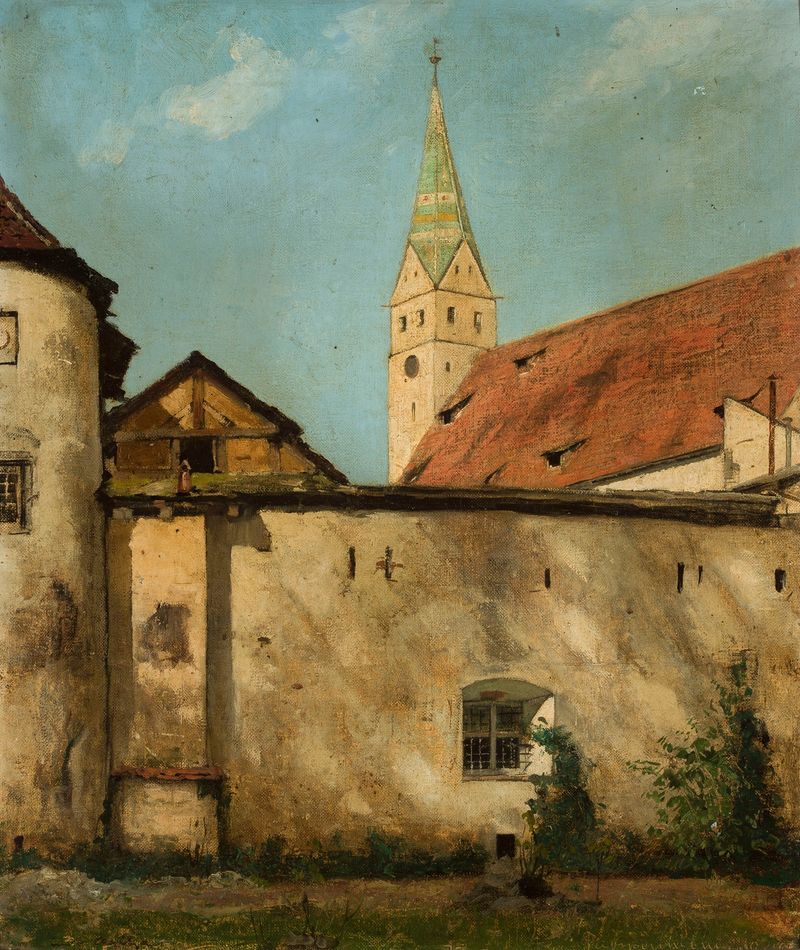
Courtyard of the castle in Pappenheim
Curt Agthe
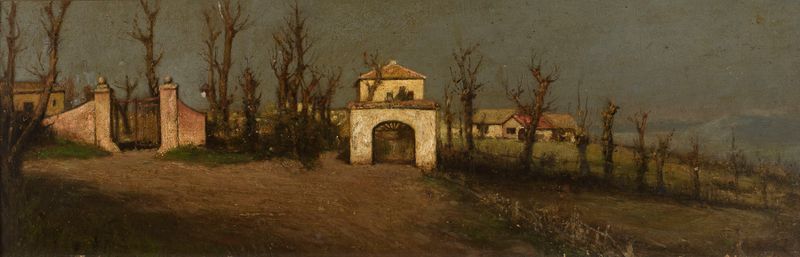
Landscape
Curt Agthe

Landscape with poplars
Curt Agthe

Gate to the San Vigilio Garden on Lake Garda
Curt Agthe





