
Discover insights about this artwork
Death and Life — History & Facts
Death and Life shows a powerful representation of the cycle of existence. On one side, vibrant figures symbolize life, filled with color and movement. On the other side, dark and somber tones represent death, creating a striking contrast.
The swirling patterns and intricate details of the figures draw the viewer's eye across the canvas. Take a closer look at the figures representing life; they are adorned with flowers and flowing garments, evoking feelings of joy. In contrast, the figures on the death side are more rigid and muted, emphasizing the finality of death. The use of gold leaf in Klimt's work adds a unique texture, making the life side shimmer.
The overall composition invites viewers to reflect on the balance between life and death. Gustav Klimt created this work during the early 20th century, a time when he was deeply influenced by Symbolism and Art Nouveau. His unique style combined decorative elements with profound themes, often exploring the human condition. An interesting fact about Klimt is that he often used gold leaf in his paintings, which became a signature element of his work.
Death and Life reflects his fascination with the duality of existence, a theme that resonates throughout his oeuvre.
More Artworks by Gustav Klimt
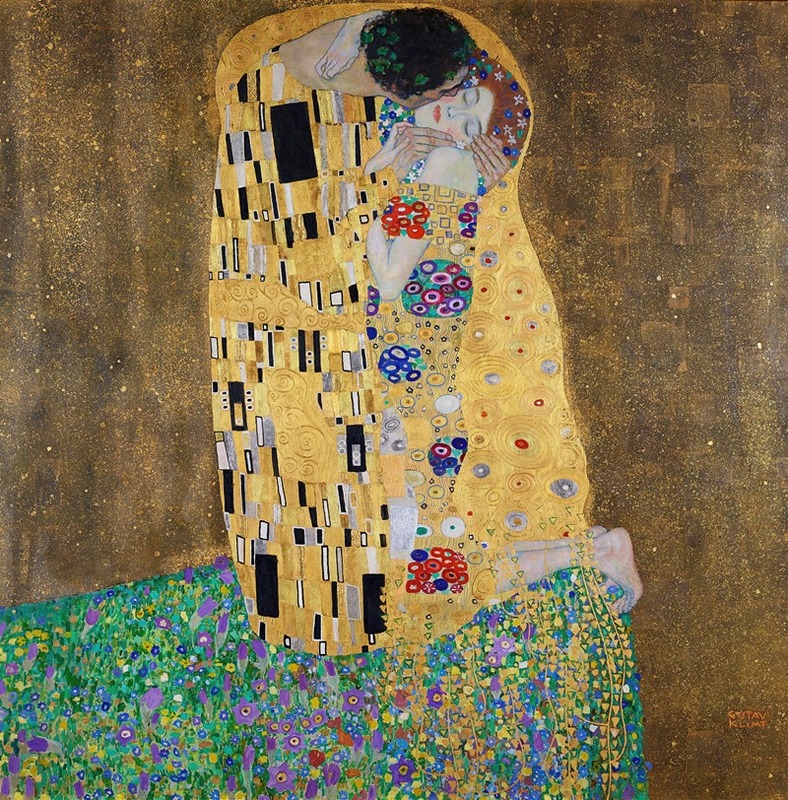
The kiss
Gustav Klimt
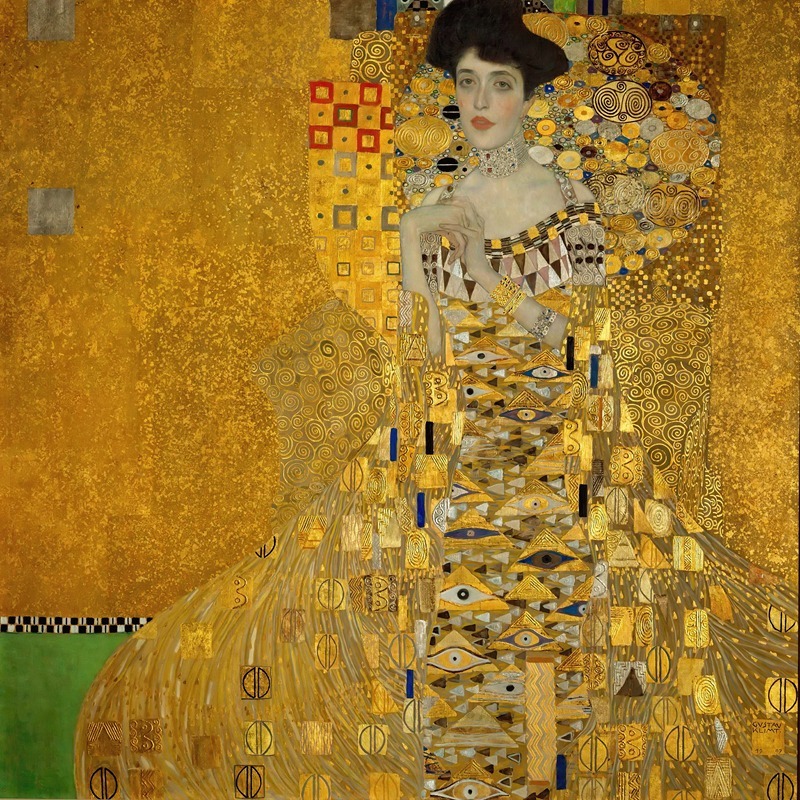
Portrait of Adele Bloch-Bauer I
Gustav Klimt
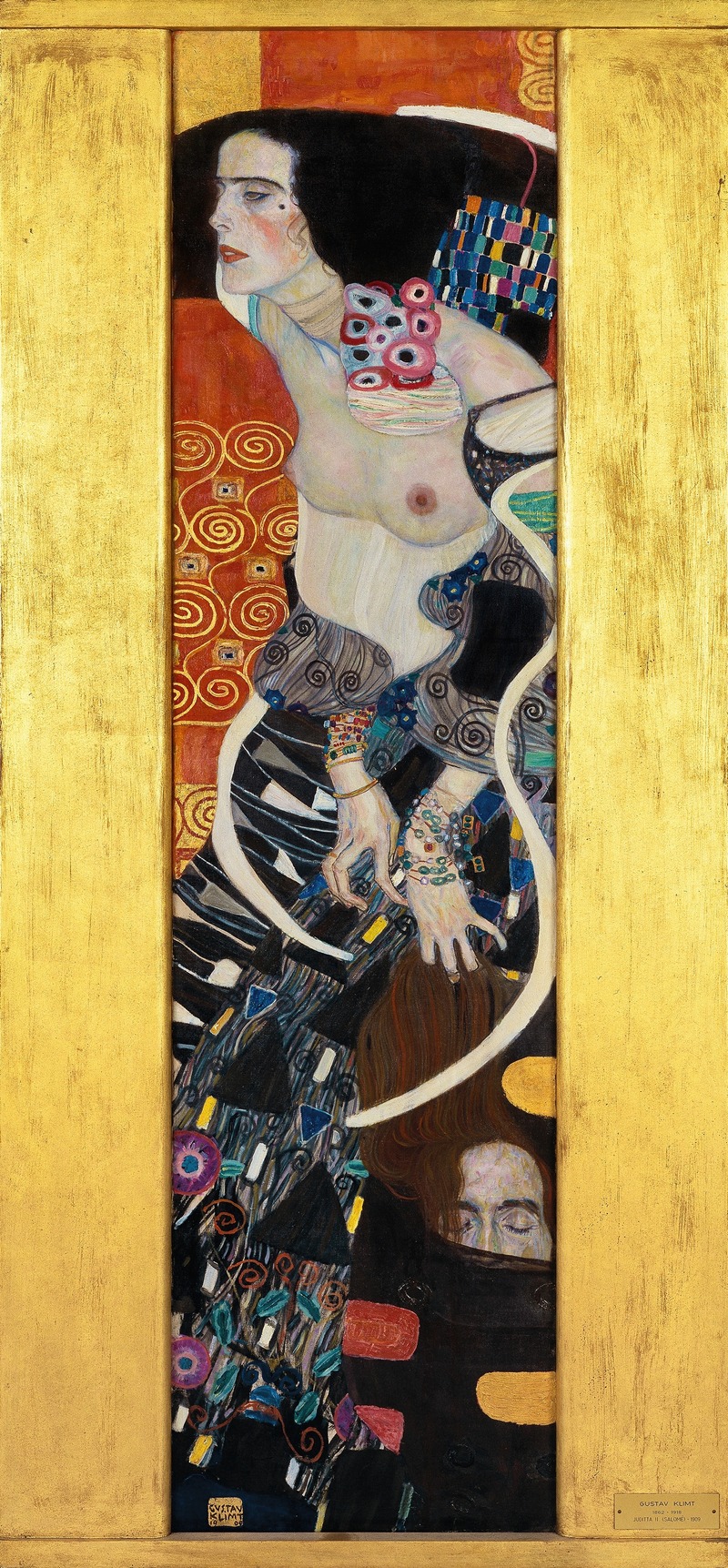
Judith II (Salome)
Gustav Klimt
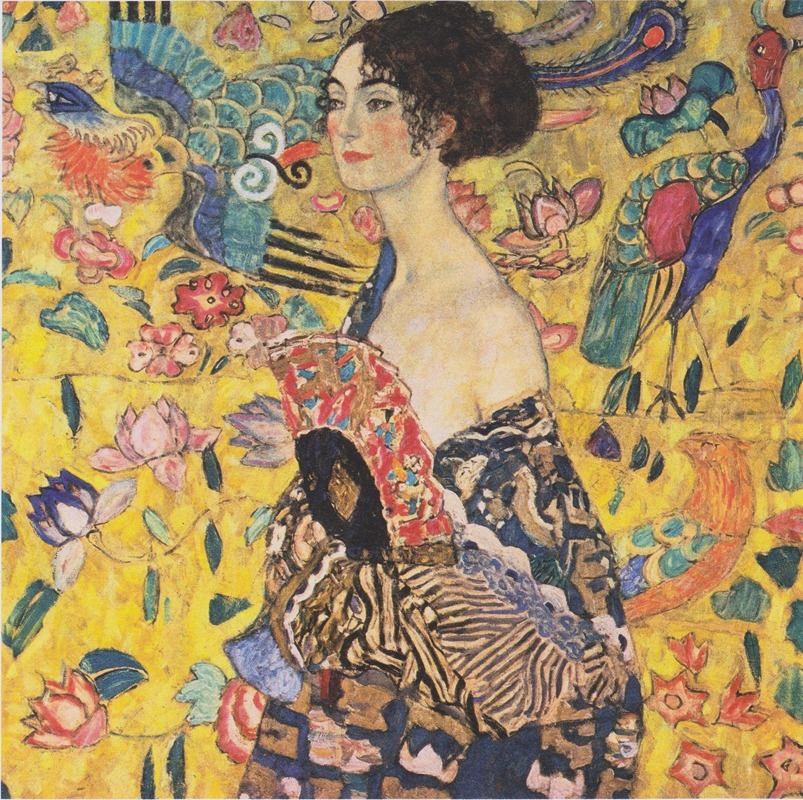
Woman with fan
Gustav Klimt
The kiss (lovers)
Gustav Klimt
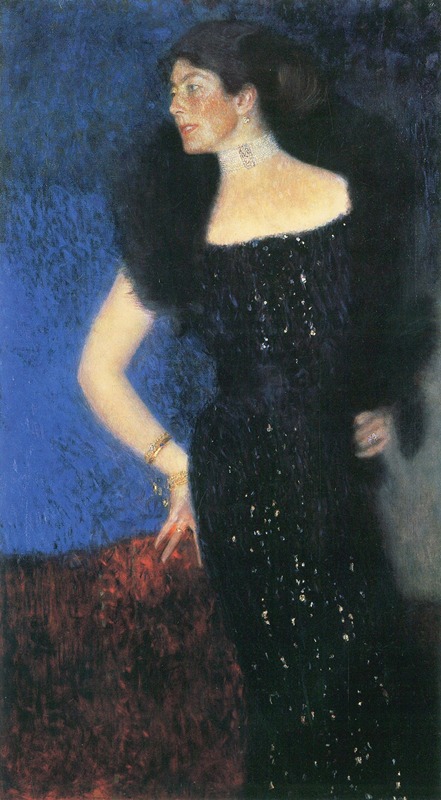
Portrait of Rose von Rosthorn-Friedmann
Gustav Klimt
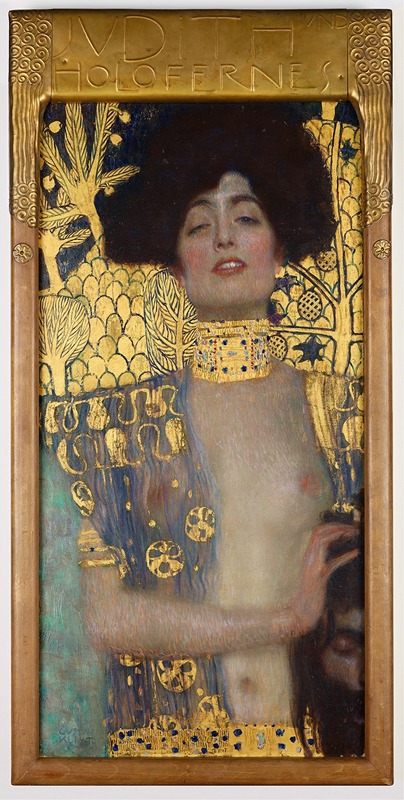
Judith
Gustav Klimt
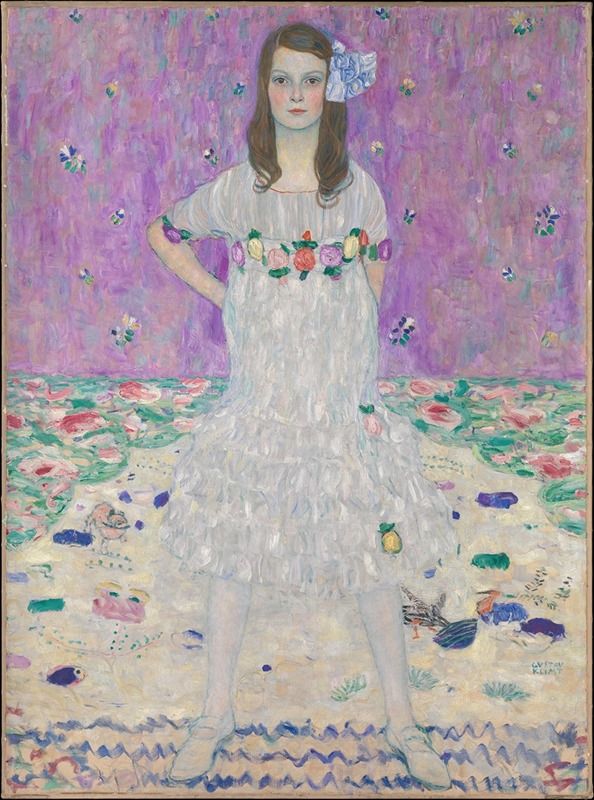
Mäda Primavesi
Gustav Klimt
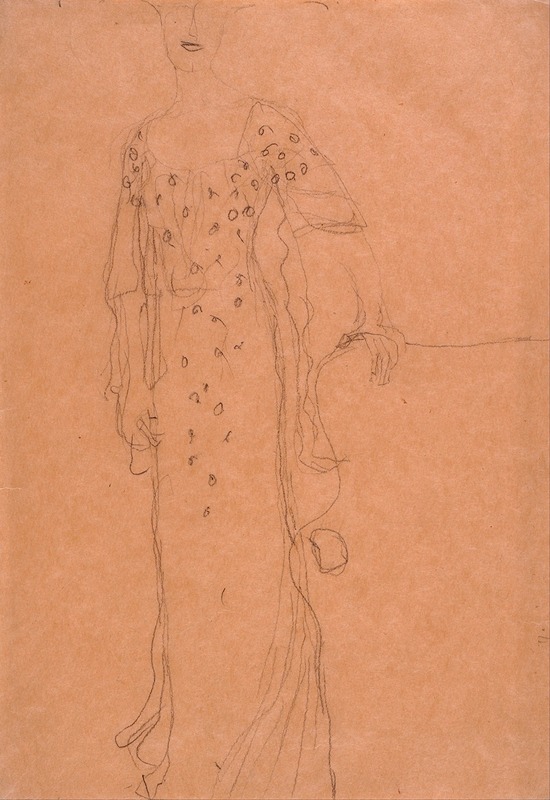
Study for Portrait of Adele Bloch-Bauer I
Gustav Klimt
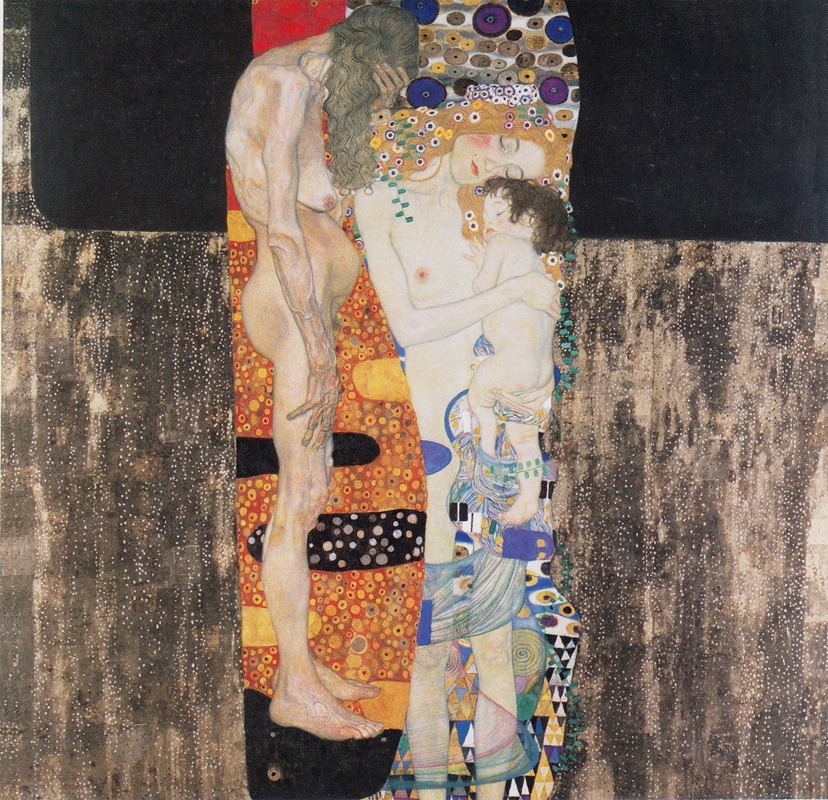
The Three Ages of the Woman
Gustav Klimt
More Allegory Art
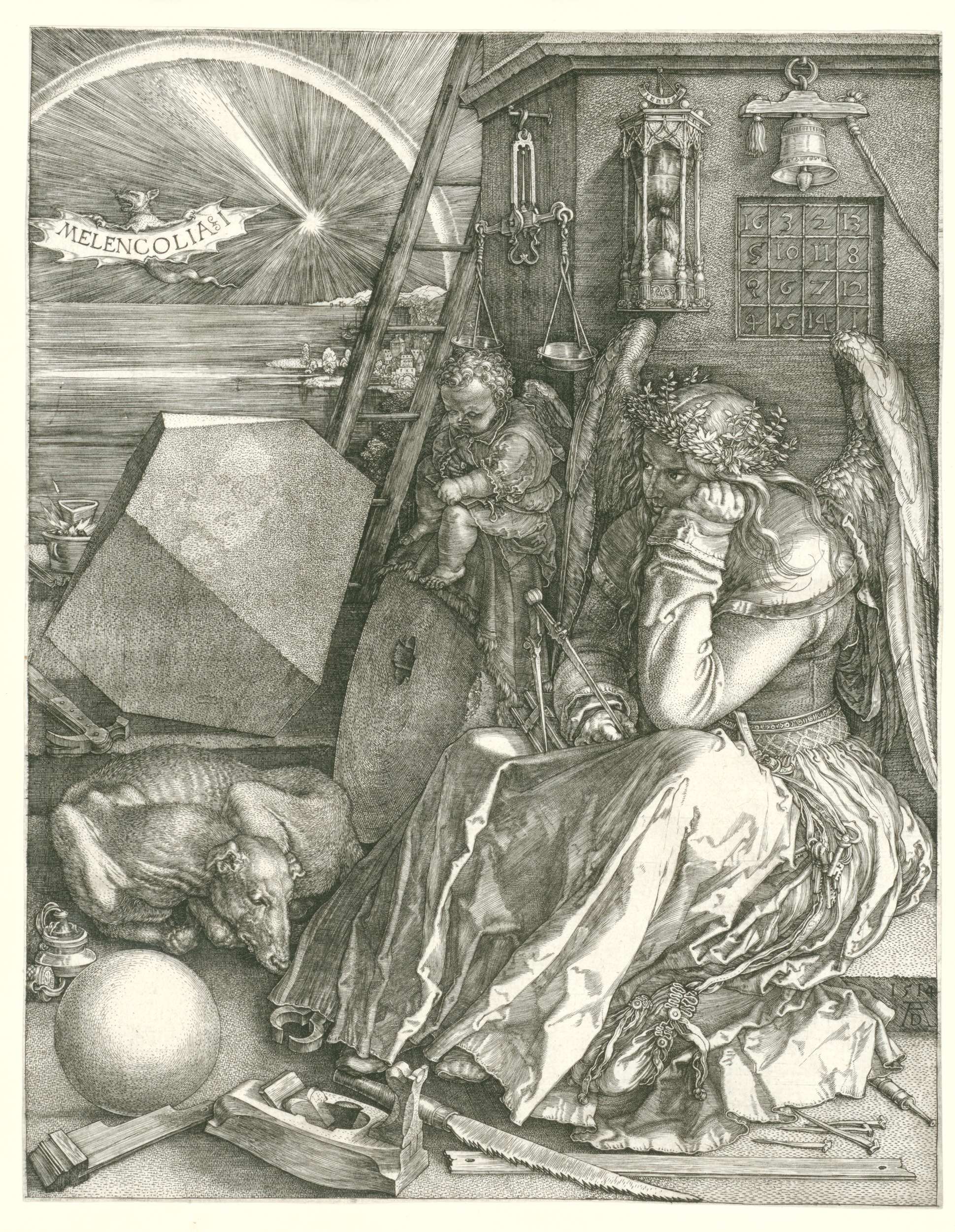
Melancholia
Albrecht Dürer
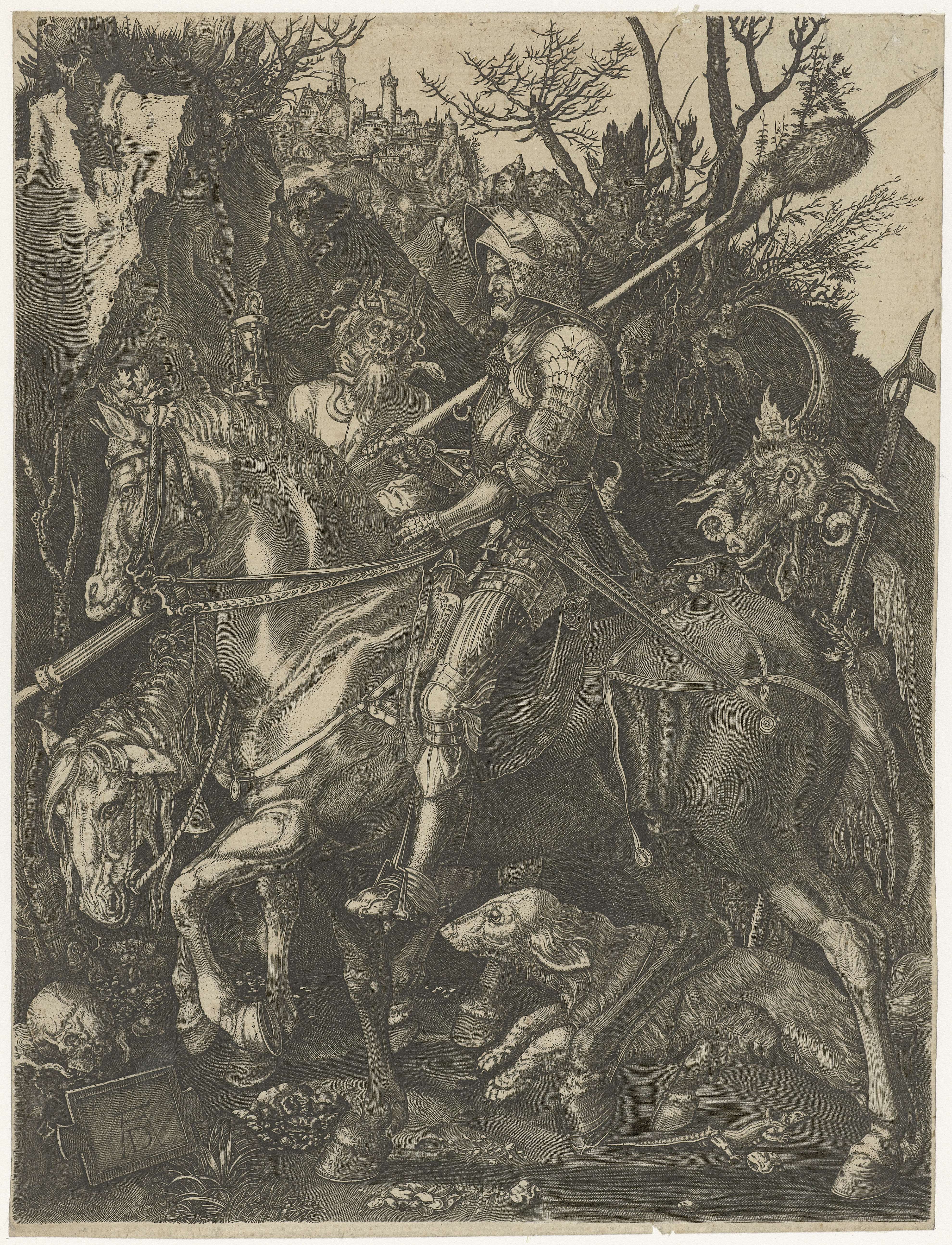
Ridder, Dood en Duivel
Unknown Artist
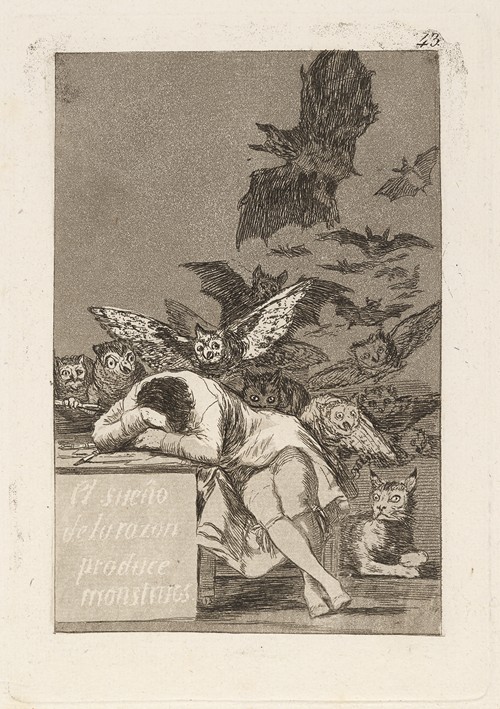
El sueño de la razon produce monstruos. (The sleep of reason produces monsters.)
Francisco de Goya
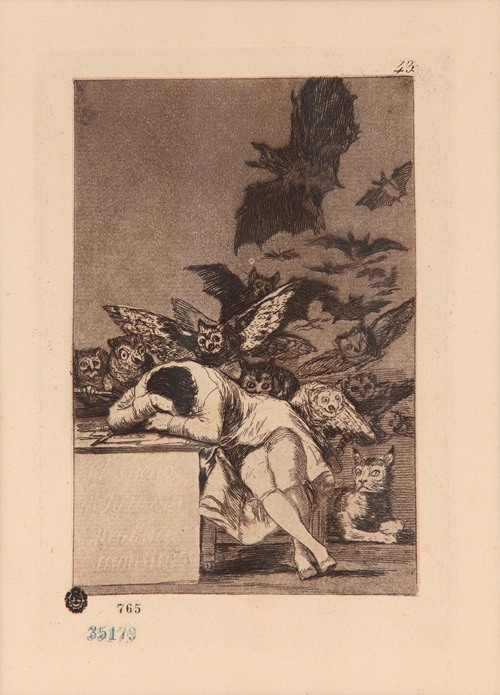
El sueño de la razon produce moustruos (Serie Caprichos)
Francisco de Goya
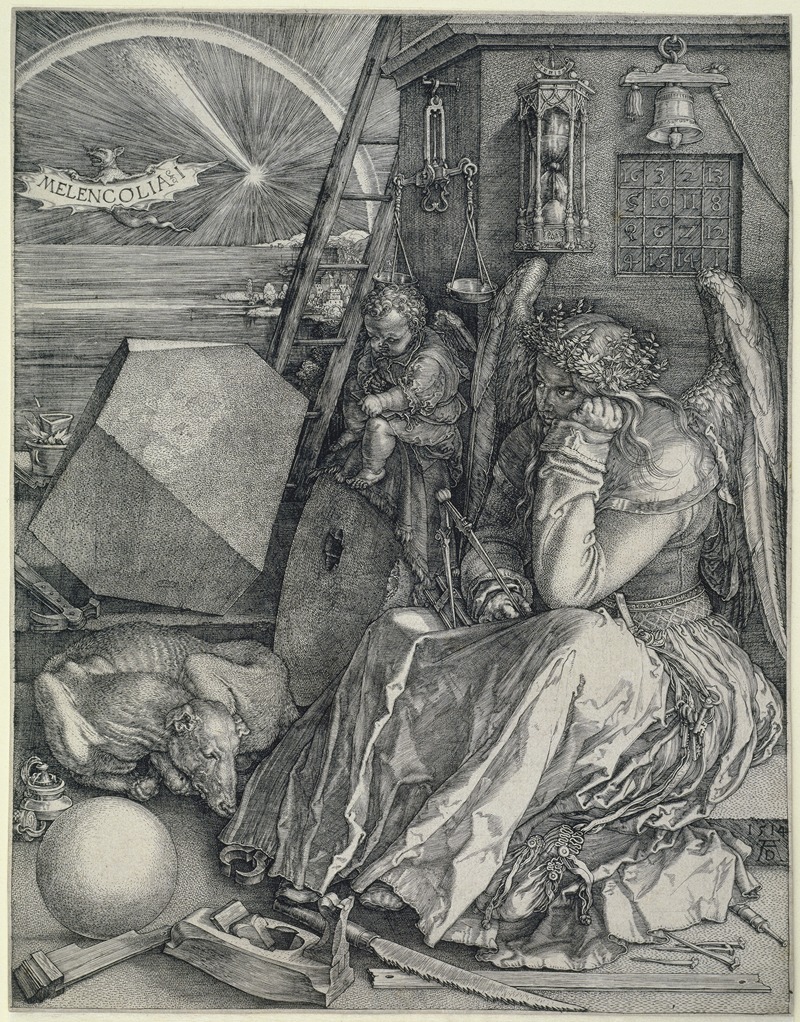
Melencolia I (The Melancholy)
Albrecht Dürer
The Three Ages of the Woman
Gustav Klimt