
Death and Victory — History & Facts
In the stillness of Death and Victory, the weight of unspoken words hangs palpably in the air, evoking a profound sense of contemplation. The viewer is drawn into a conflict of emotions, where victory claims its price but also bears the heavy burden of loss. First, look to the center of the canvas where a somber figure, draped in rich, dark hues, stands as a monument to the fallen. Notice how Sargent employs contrasting tones—deep blacks against shimmering golds—to create a palpable tension.
The stark lighting highlights the contours of the figure's solemn expression, while the surrounding shadows stretch outwards, engulfing the scene in a haunting quietude. Here, the color palette serves not just as decoration but as an emotional landscape, framing the theme of triumph shadowed by grief. In the background, the remnants of past battles linger—broken swords and fallen banners serve as reminders of the struggles endured. The juxtaposition of the victor's pride against the backdrop of loss underscores the duality inherent in triumph; each victory, as it turns out, is deeply intertwined with sacrifice.
The viewer senses a profound narrative within the details, as every brushstroke seems to whisper stories of valor and mourning, prompting us to reflect on the true cost of glory. Created in 1922, this piece emerged during a time when the world was grappling with the aftermath of the First World War. Sargent, an artist known for his portraiture, turned to themes of mortality and heroism, capturing the complex emotional landscape of a society that had witnessed unprecedented suffering. This work stands as a testament to both his technical prowess and his deep empathy for the human condition amid a world forever altered by conflict.
More Artworks by John Singer Sargent
Browse all →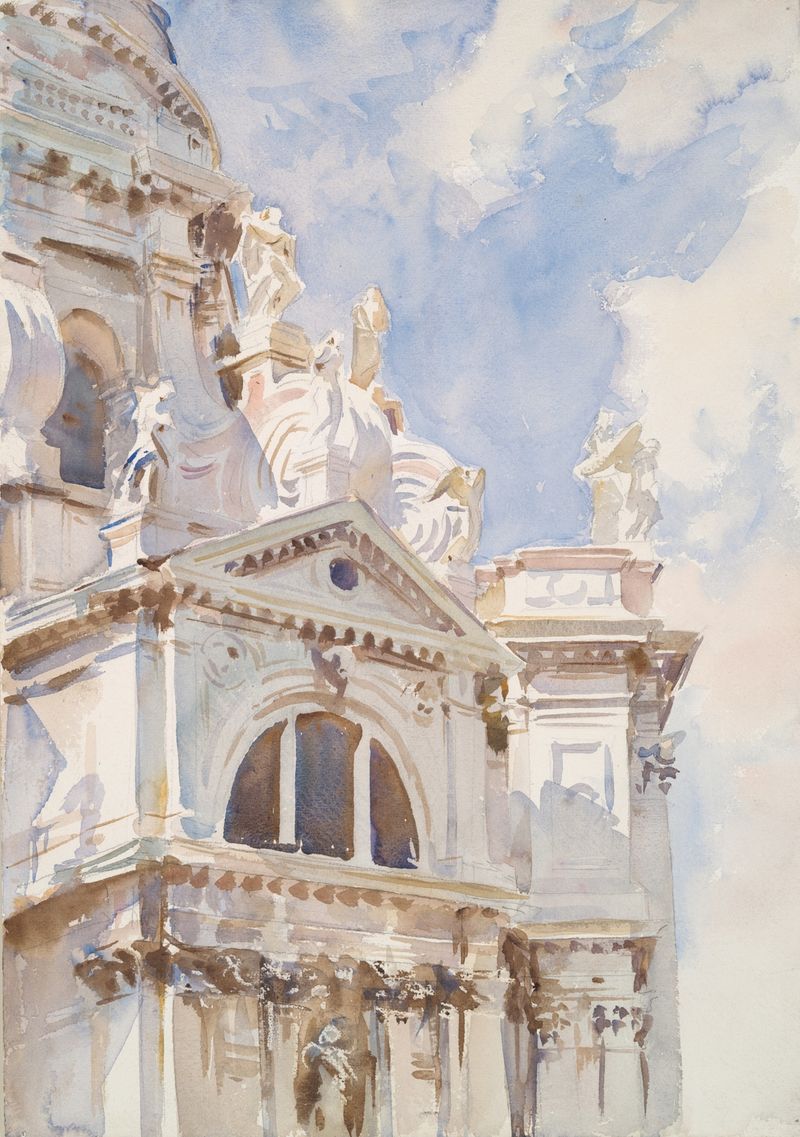
The Salute, Venice
John Singer Sargent

Mrs. Charles Deering (Marion Denison Whipple)
John Singer Sargent
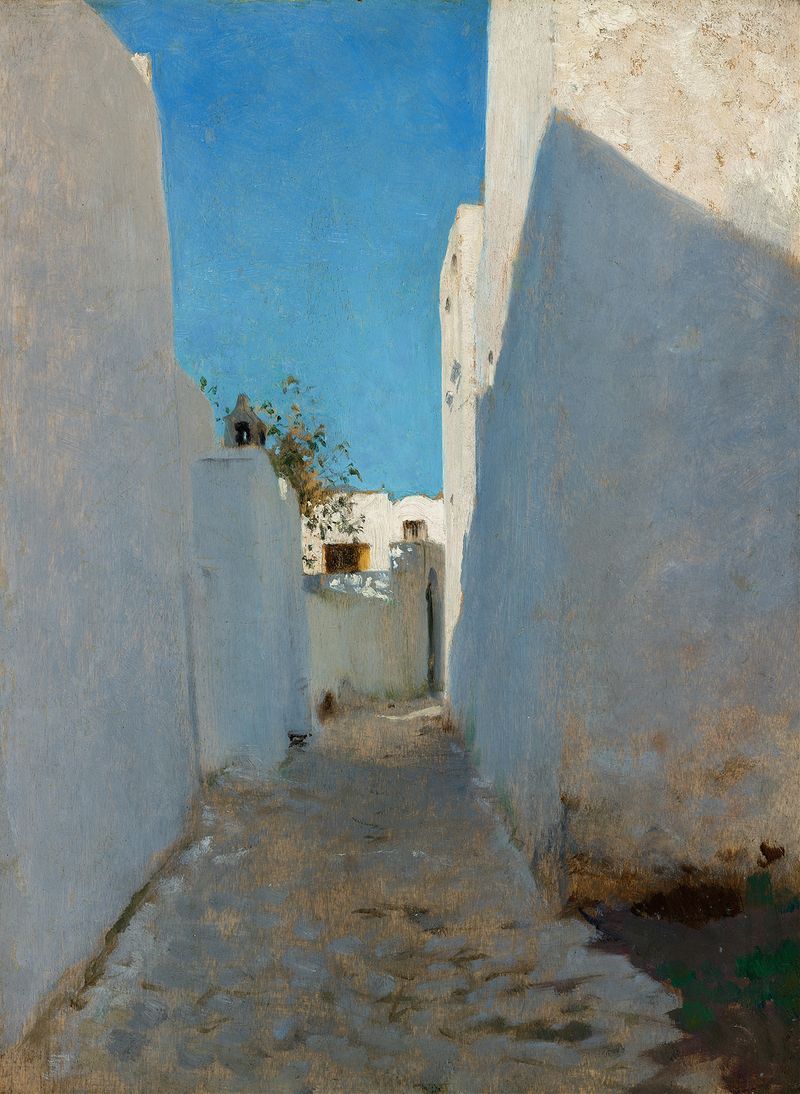
A Moroccan Street Scene
John Singer Sargent
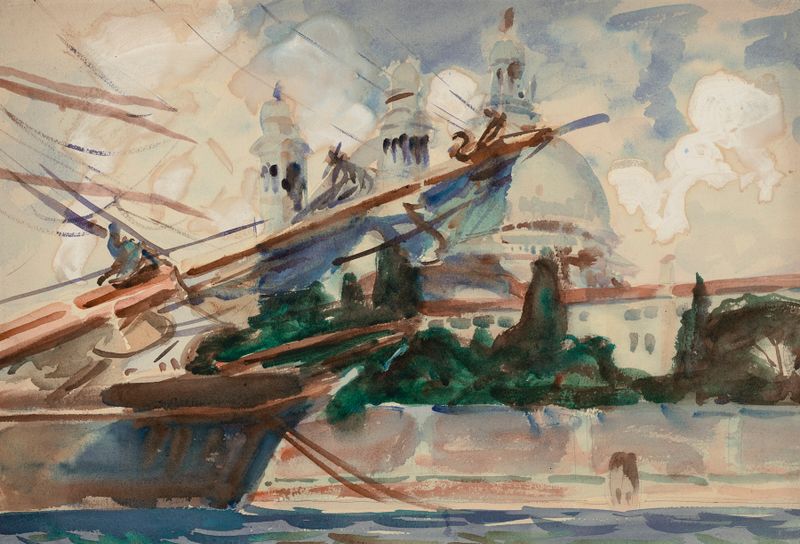
The Salute, Venice
John Singer Sargent
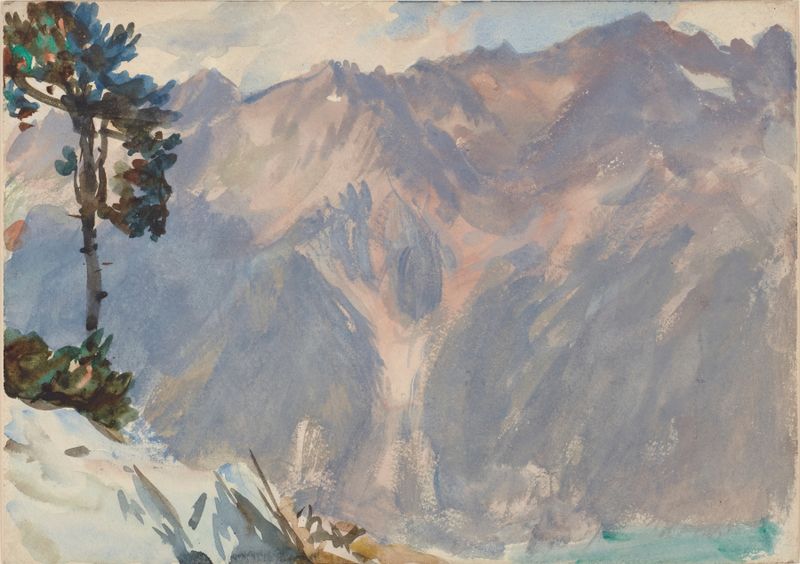
Tyrol
John Singer Sargent
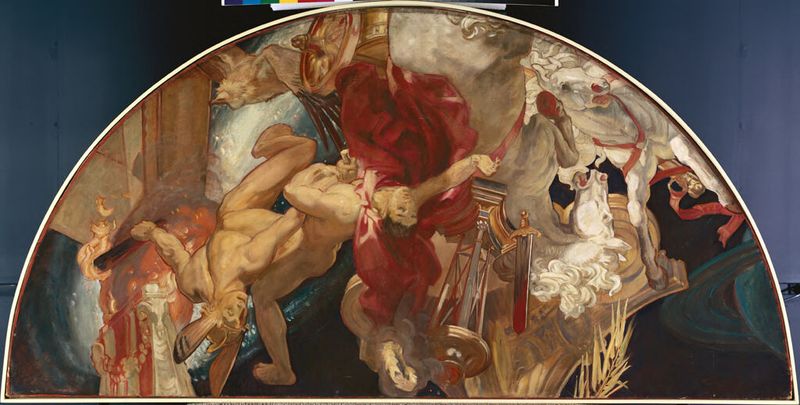
Study for "Gog and Magog," for the Boston Public Library
John Singer Sargent
Venice
John Singer Sargent
Alpine Pool
John Singer Sargent
The Piazzetta with Gondolas
John Singer Sargent
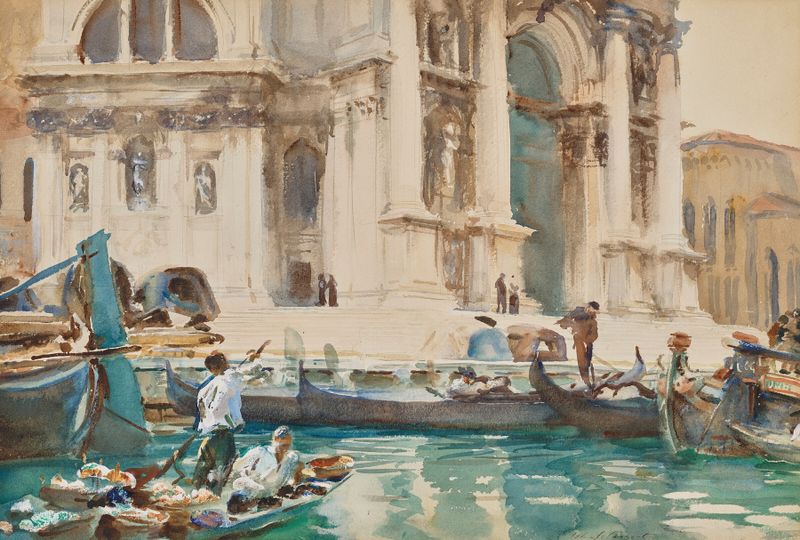
The Façade of La Salute, Venice
John Singer Sargent





