
Death of Tęczyński in the Franciscan church — History & Facts
On a cold February day in 1639, Andrzej Tęczyński, a Polish nobleman, sought sanctuary from a vengeful mob within the walls of Kraków’s Franciscan church—only to be murdered on its very steps. This shocking violation of sacred asylum sent ripples through the Commonwealth, sparking outrage and debate over the limits of justice and the sanctity of church protection. When Jan Matejko painted Death of Tęczyński in the Franciscan church in 1879, he chose not only a dramatic episode but a symbol of the tensions between civic authority, noble privilege, and religious immunity that haunted Polish history. Matejko captures the fatal instant: Tęczyński, wounded and desperate, collapses at the altar rail as townspeople surge forward, their faces twisted with anger and fear.
The dying nobleman’s outstretched hand clutches the altar cloth, a gesture both of supplication and a final claim to sanctuary. The church’s flickering candlelight falls unevenly across the scene, illuminating the golden vestments of a horrified friar who tries in vain to shield the victim. The violence erupting in a holy space echoes the drama of Caravaggio’s The Taking of Christ, but Matejko’s crowded composition and vivid historical detail root the tragedy firmly in Polish soil. The exact journey of this painting after its completion is not fully documented, but it stands as a key work in Matejko’s long project of chronicling Poland’s past in grand, theatrical canvases.
Like many of his historical paintings, Death of Tęczyński in the Franciscan church was likely intended for public exhibition, stirring patriotic feeling during a period when Poland itself was partitioned and erased from the map. Today, the painting is recognized as a powerful example of Matejko’s ability to blend meticulous historical research with emotional intensity, ensuring that the memory of Tęczyński’s fate—and the questions it raised—remain alive for new generations.
More Artworks by Jan Matejko
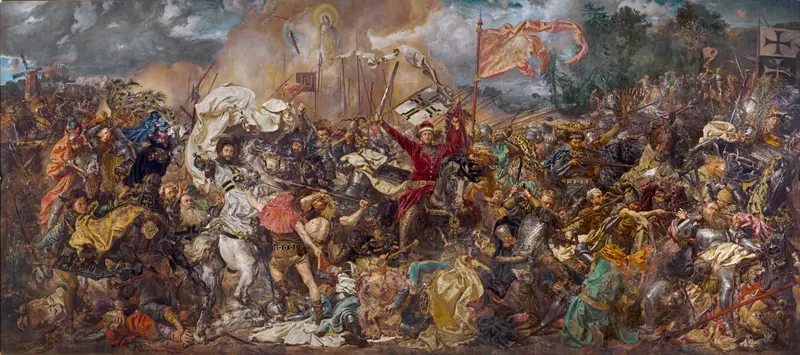
Battle of Grunwald
Jan Matejko

Stańczyk
Jan Matejko

Battle of Raclawice
Jan Matejko
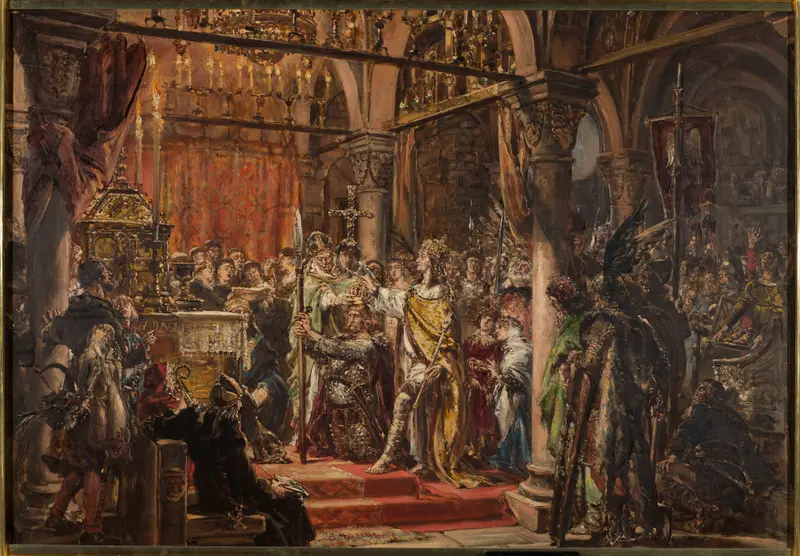
Coronation of the First King, 1001 AD, from the series “History of Civilization in Poland”
Jan Matejko
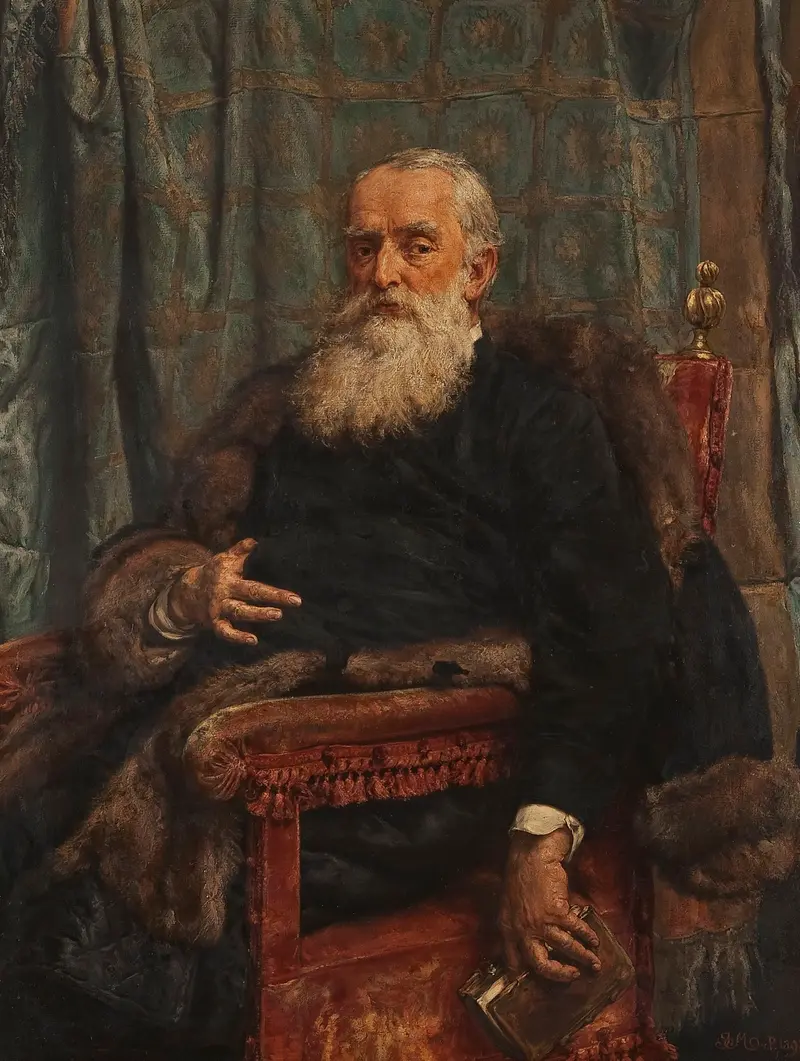
Portrait of Henryk Krajewski
Jan Matejko
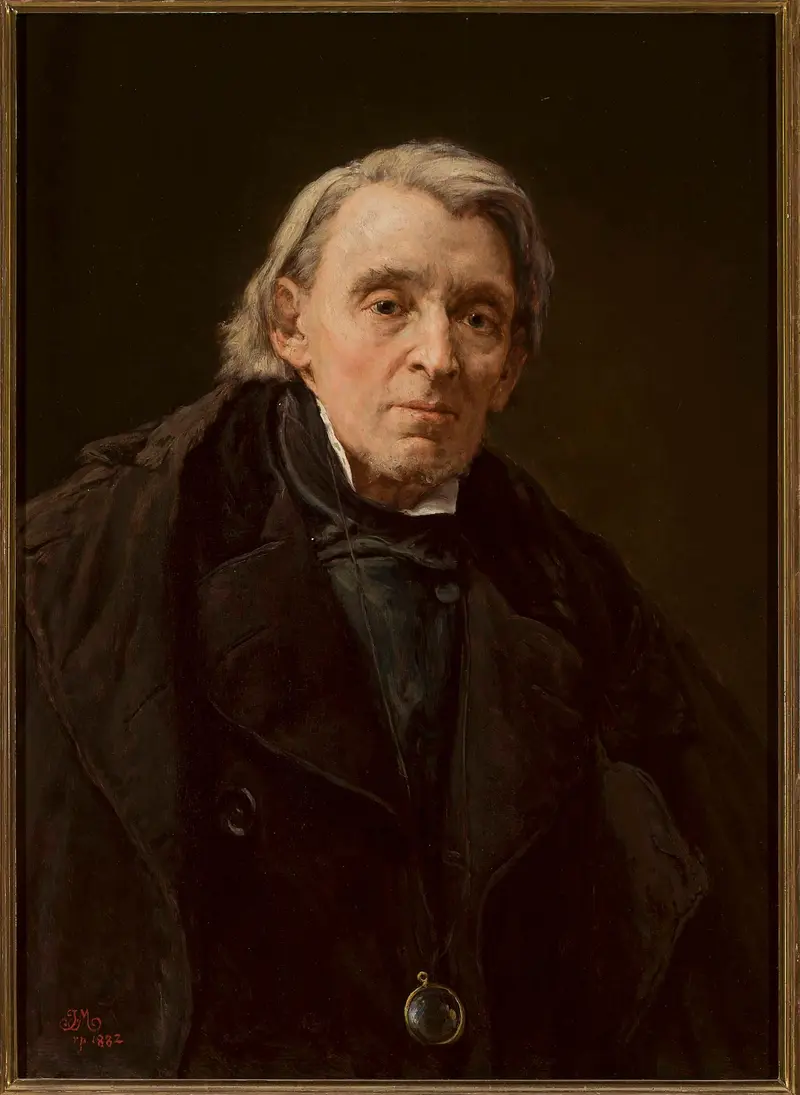
Portrait of Karol Podlewski
Jan Matejko
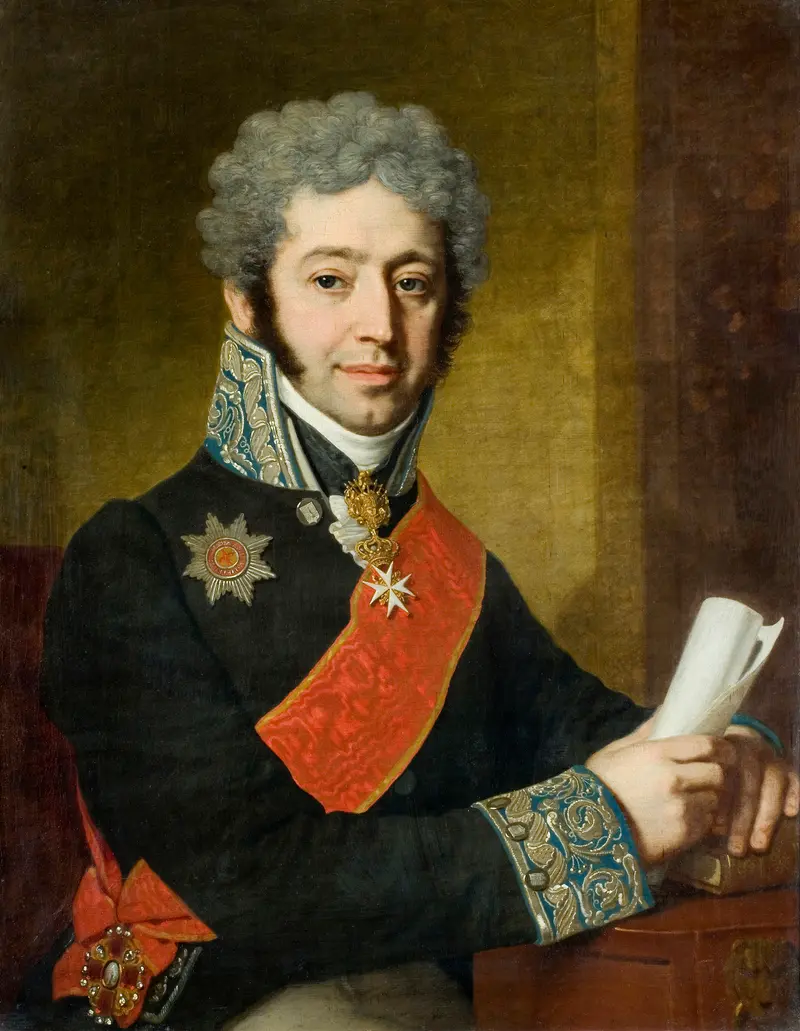
Portrait of Potocki and Poninski
Jan Matejko
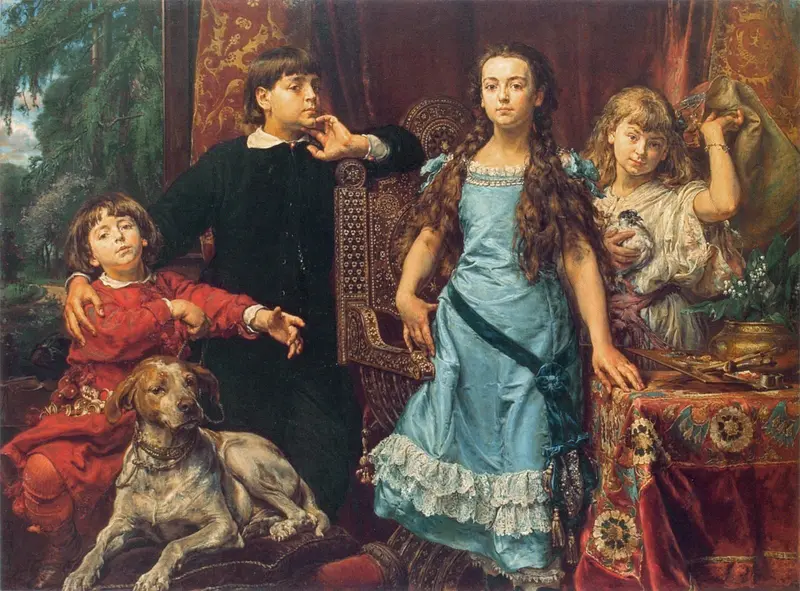
Portrait of the artist's four children
Jan Matejko
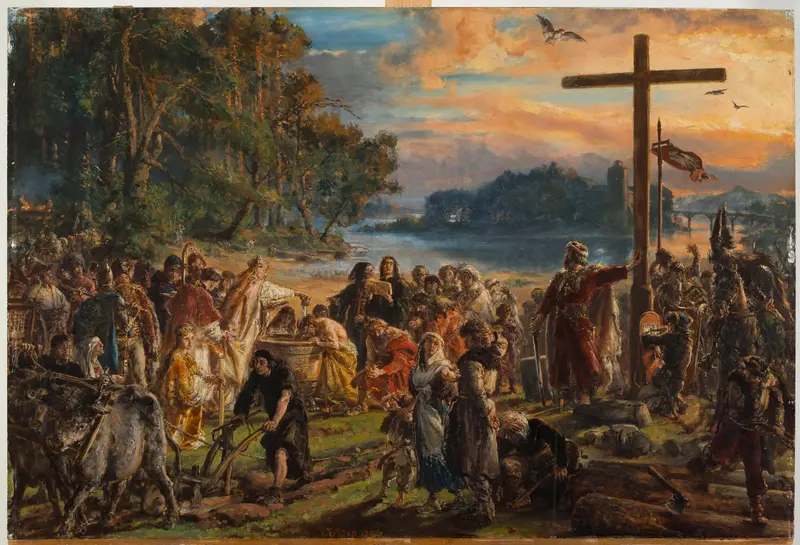
Introduction of Christianity in Poland
Jan Matejko
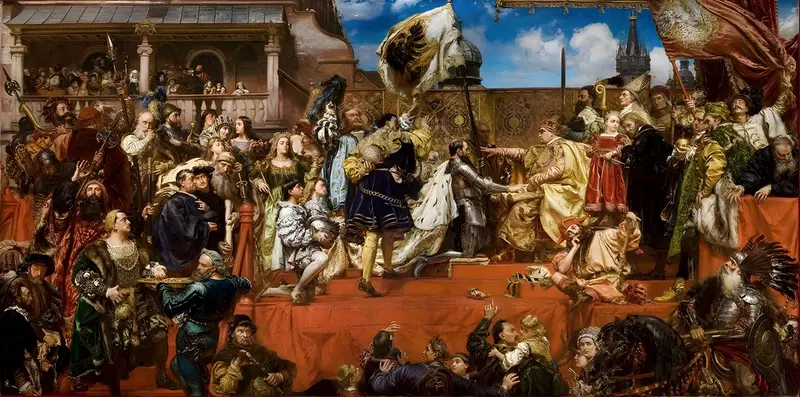
Prussian Homage
Jan Matejko





