Discover insights about this artwork
Death of the Virgin — History & Facts
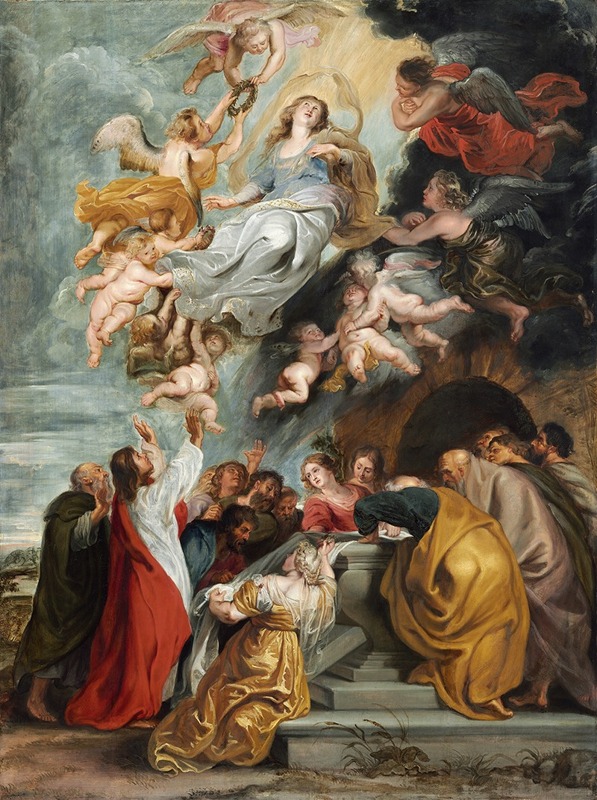
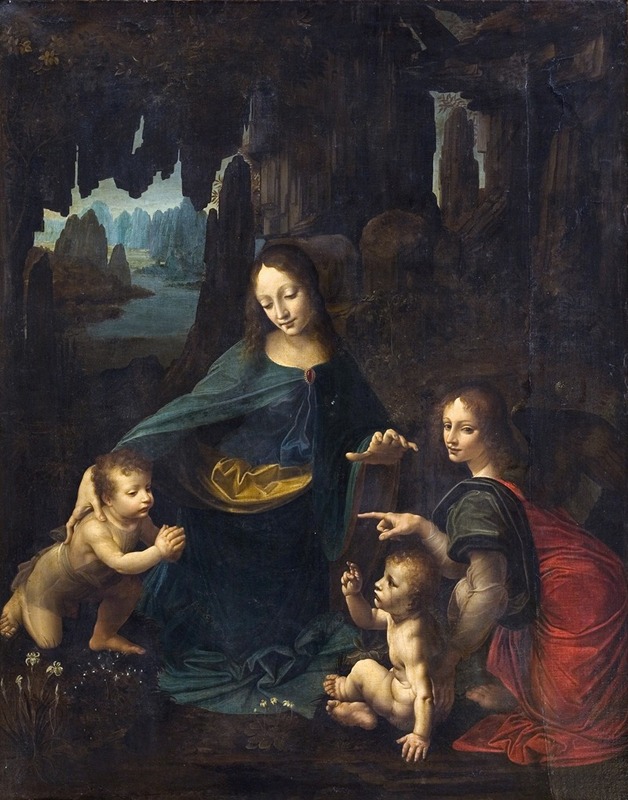
In Death of the Virgin, Rembrandt van Rijn presents a somber scene filled with deep emotion. The painting features a group of mourners surrounding the lifeless body of the Virgin Mary. Rich, dark colors dominate the canvas, creating a heavy atmosphere of grief.
The figures are rendered with great detail, capturing their sorrowful expressions and gestures. The painting is executed in oil on canvas, a common medium for Rembrandt during the Baroque period. The dimensions are approximately 150 x 200 cm, making it a large work that commands attention. The use of chiaroscuro is evident, with strong contrasts between light and shadow enhancing the emotional impact.
The composition draws the viewer's eye to the central figure of Mary, emphasizing her importance in the scene. Rembrandt van Rijn, a leading figure of the Dutch Golden Age, created this work around the 1660s. This painting is notable for its dramatic portrayal of a biblical scene, showcasing the artist's ability to convey deep human emotion. Interestingly, it was originally commissioned for a church, reflecting the religious significance of the subject matter.
Today, it resides in the Rijksmuseum, where it continues to be admired by many.
More Artworks by Rembrandt van Rijn
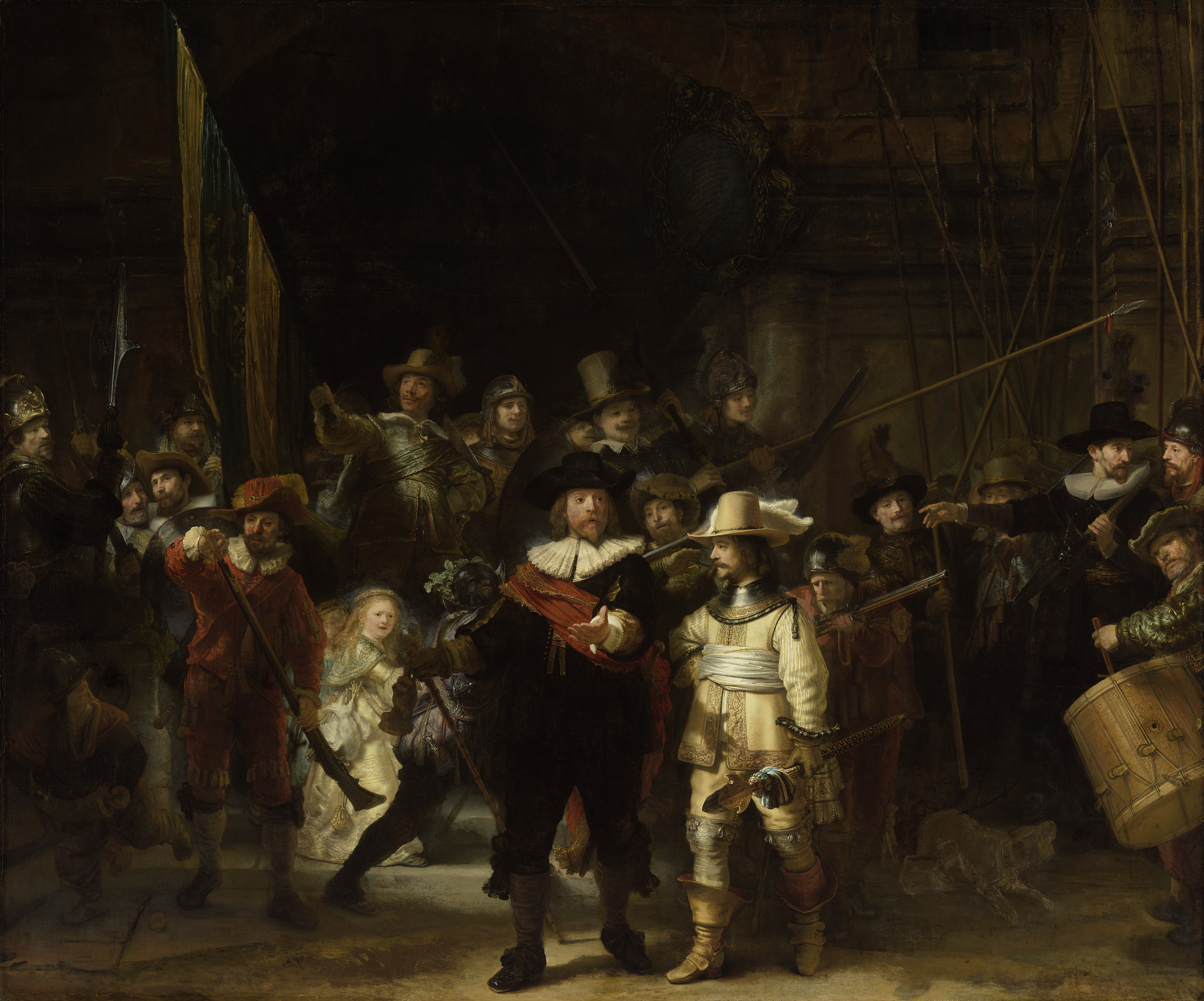
The Night Watch Militia Company of District II under the Command of Captain Frans Banninck Cocq
Rembrandt van Rijn
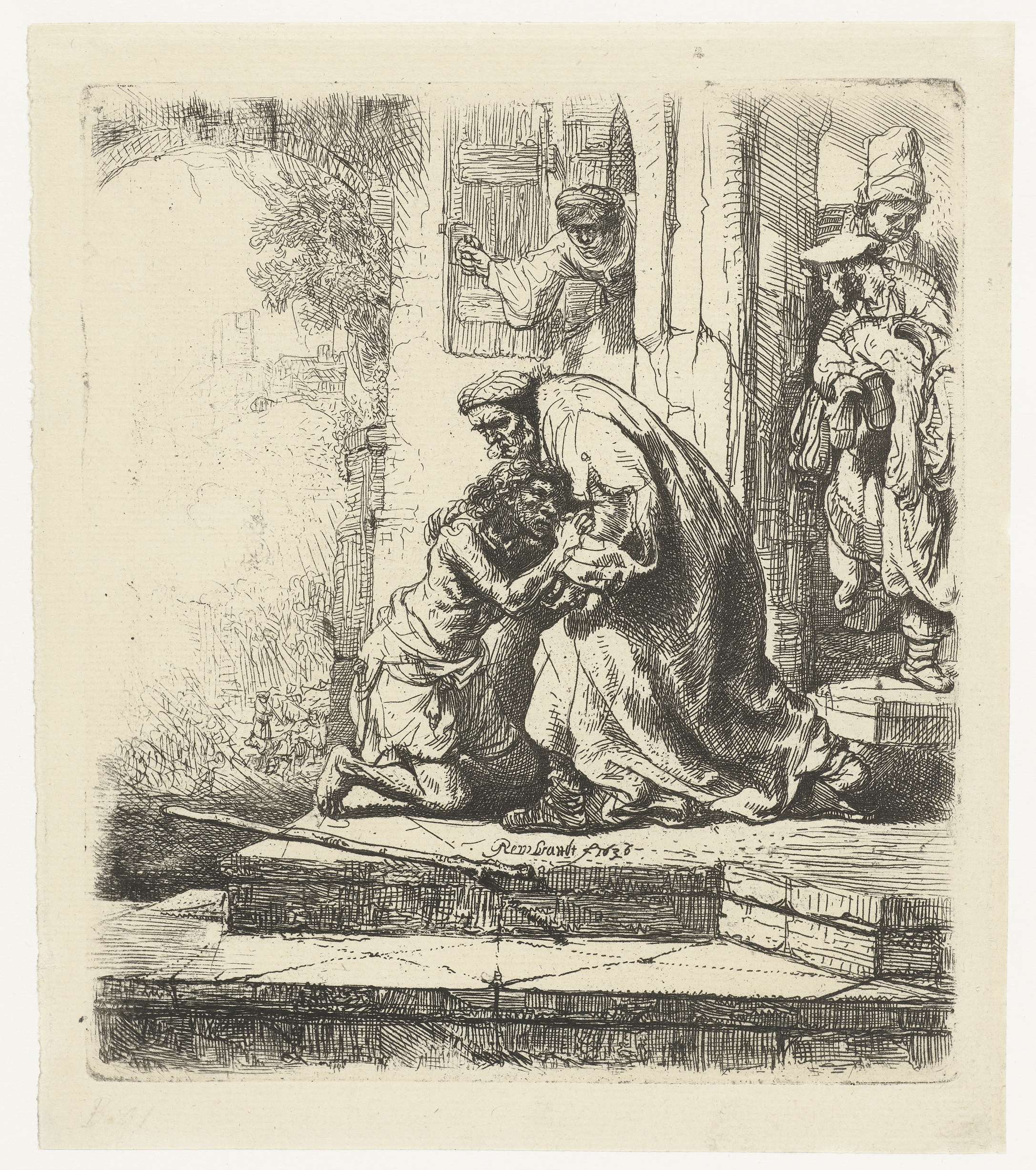
The Return of the Prodigal Son
Rembrandt van Rijn
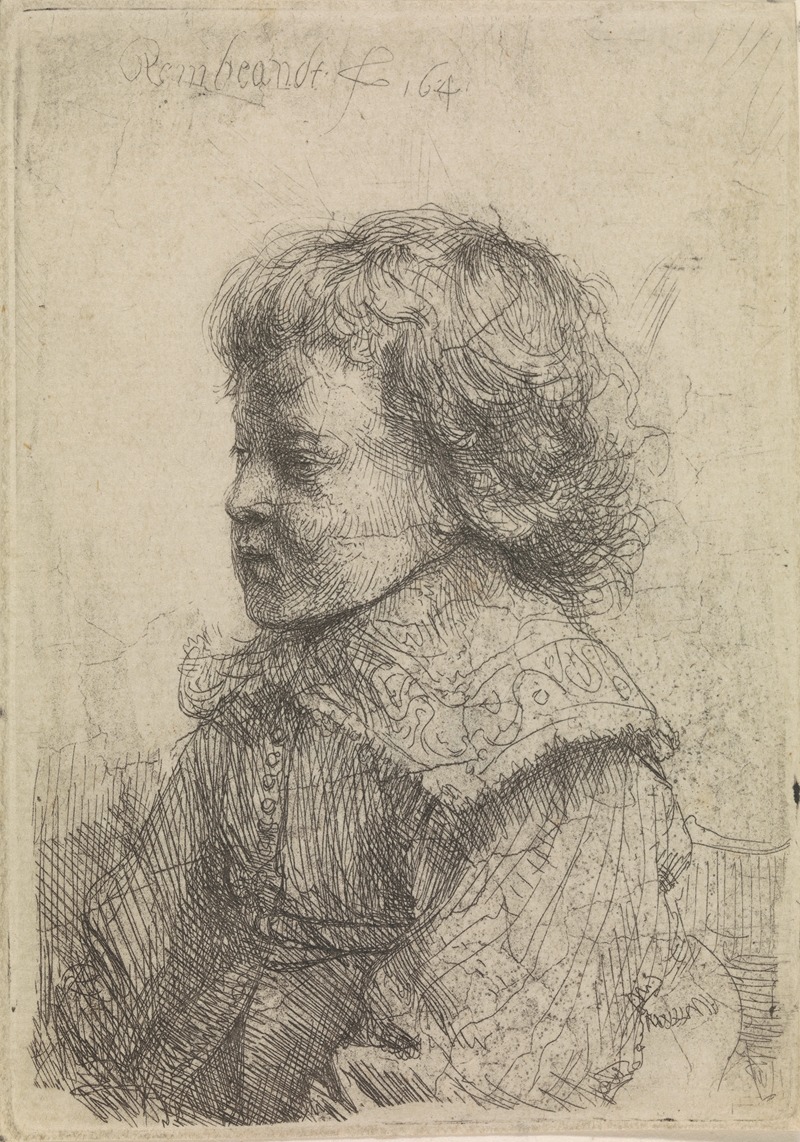
Portrait of a boy in profile
Rembrandt van Rijn
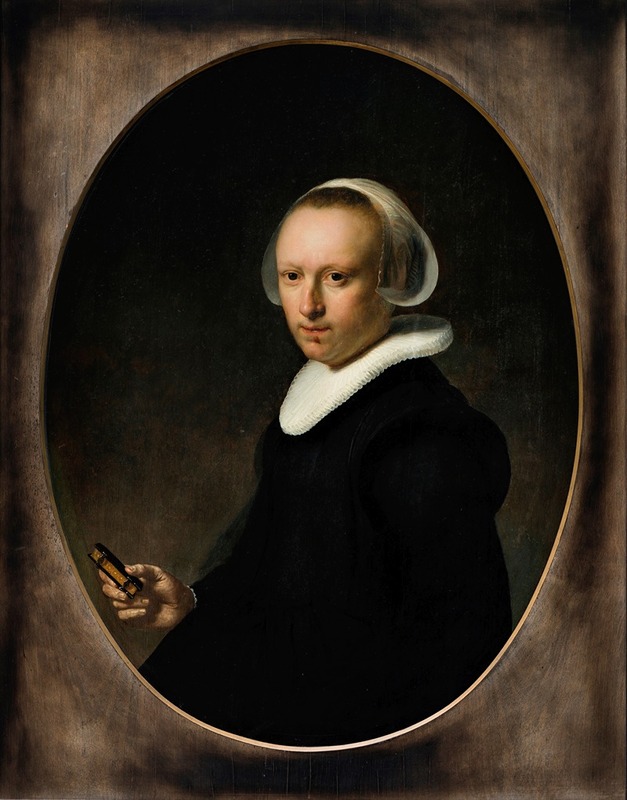
Portrait of a 39-year-old Woman
Rembrandt van Rijn
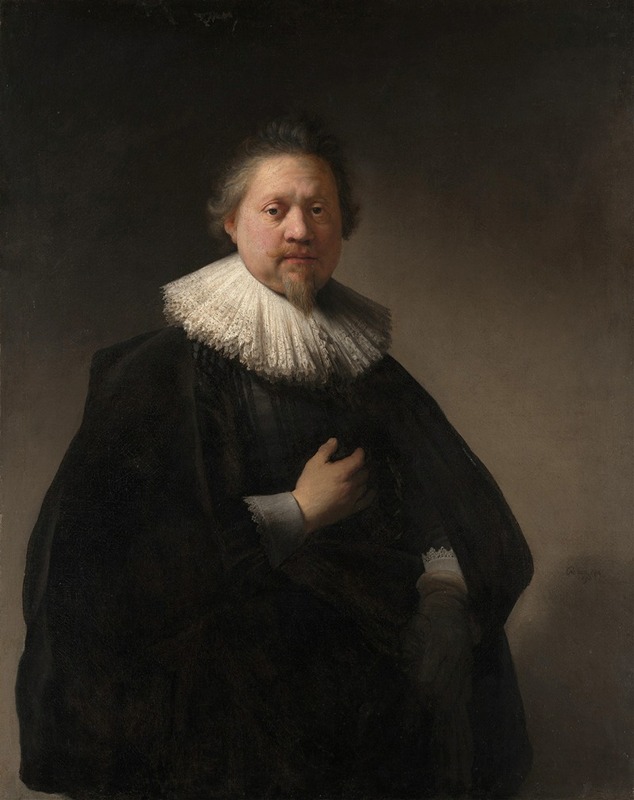
Portrait of a Man
Rembrandt van Rijn
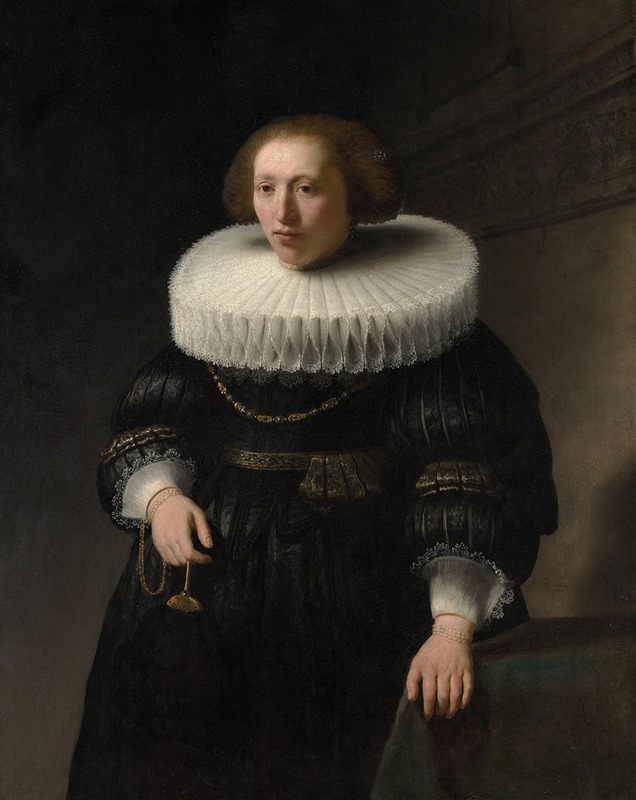
Portrait of a Woman
Rembrandt van Rijn
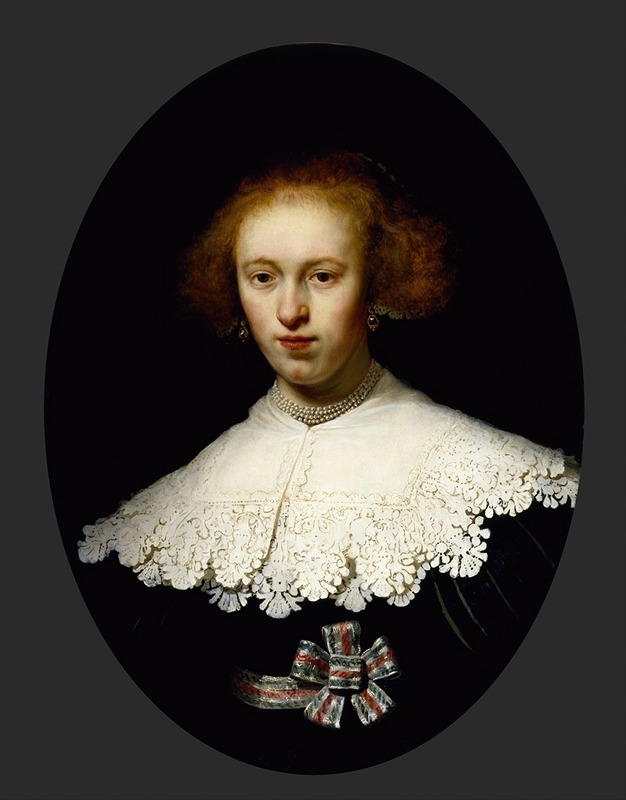
Portrait of a Young Woman
Rembrandt van Rijn
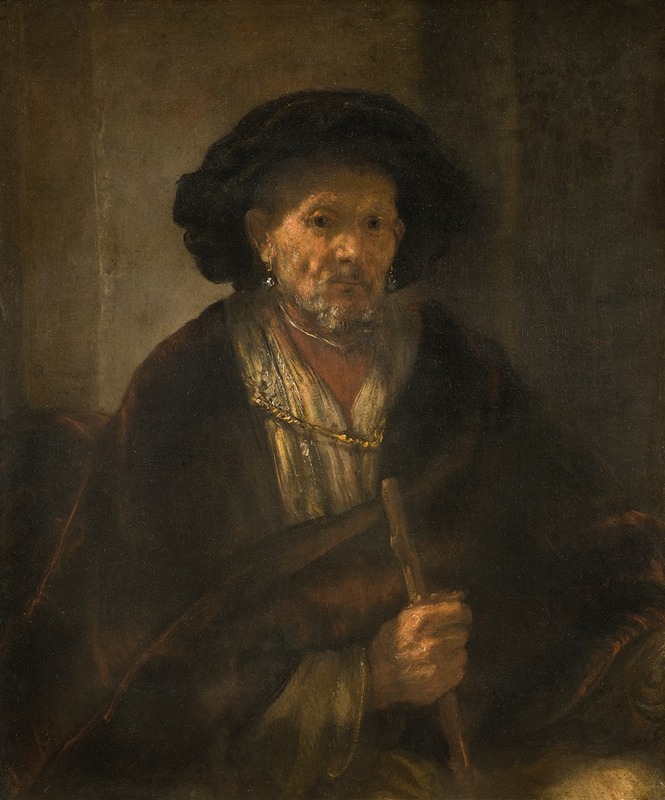
Portrait of an Old Man
Rembrandt van Rijn
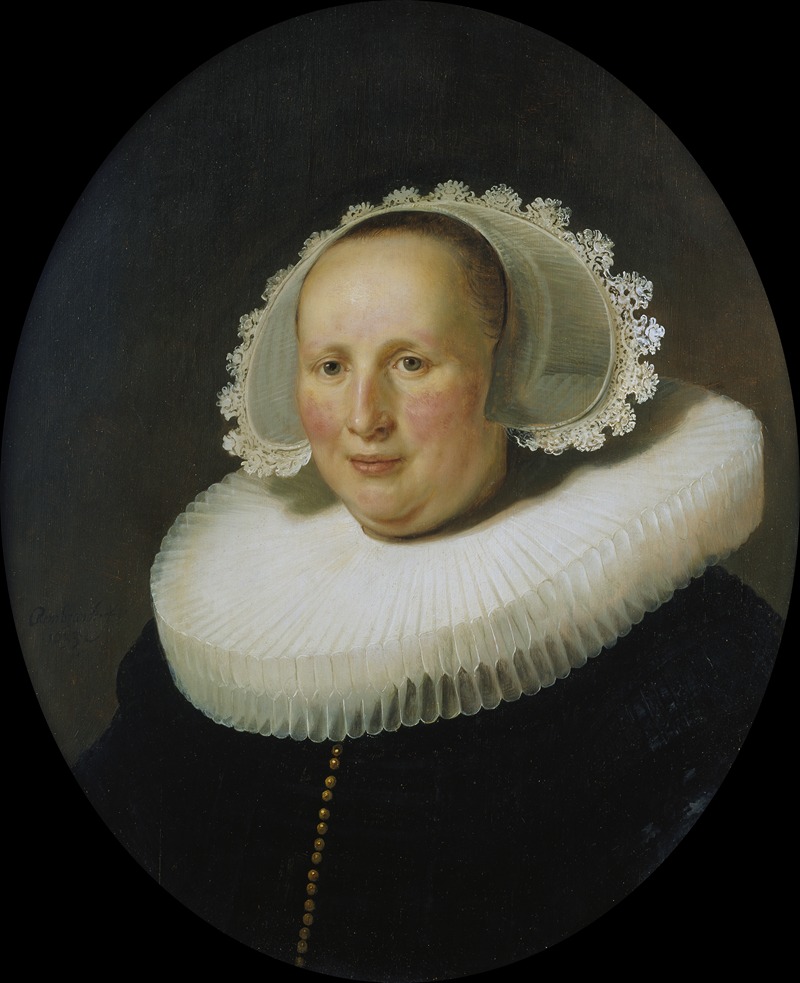
Portrait of Maertgen van Bilderbeecq
Rembrandt van Rijn
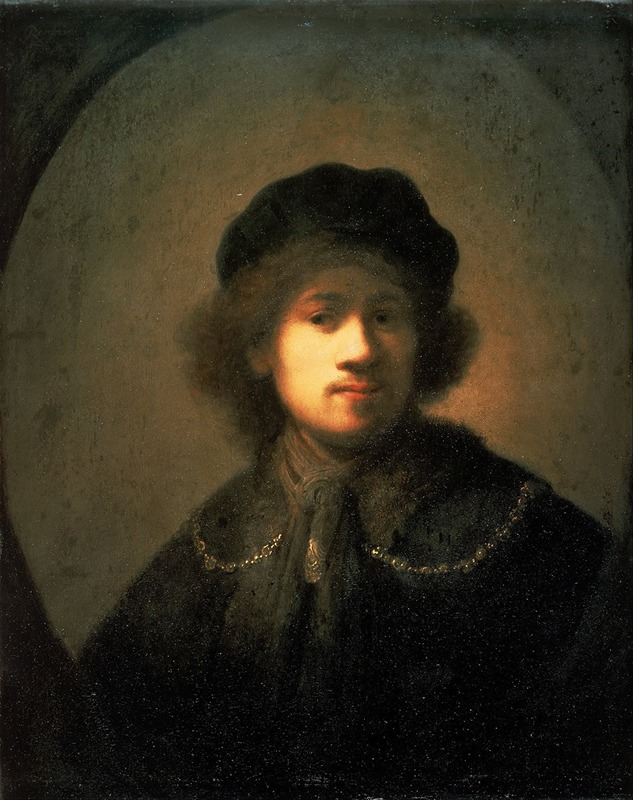
Portrait of the Artist as a Young Man
Rembrandt van Rijn