Dedinská krajina — History & Facts
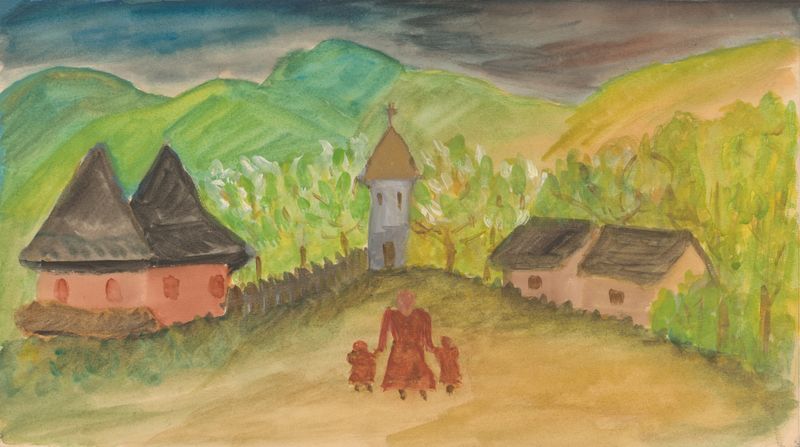
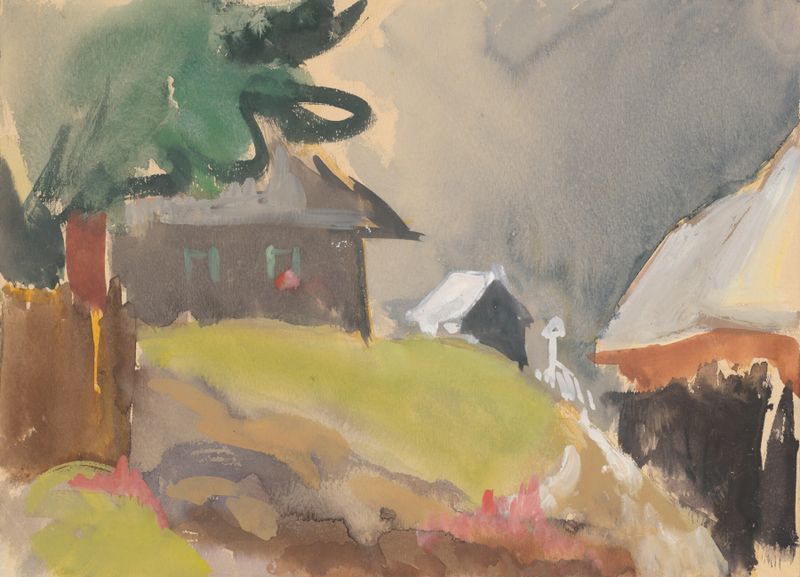
Can beauty exist without sorrow? In Dedinská krajina, Ján Novák explores the delicate balance between the two, revealing a landscape steeped in emotional depth. Focus on the serene horizon where rolling hills gracefully meet the sky, painted in muted greens and soft browns. Notice how the light gently bathes the fields, casting long, evocative shadows that whisper of the past. The composition draws your eye toward a solitary tree, its branches reaching out like desperate hands, a poignant centerpiece amidst the tranquility.
Each brushstroke speaks of solitude, urging the viewer to pause and consider the weight of what lies beneath the surface. Hidden within the beauty of this countryside scene is an undercurrent of loss. The empty space around the tree suggests absence, as if something vital has been left behind, echoing the sentiment of a community once vibrant. The interplay between light and shadow conveys a tension that invites reflection on memories of joy overshadowed by grief.
The muted palette enhances this emotional dichotomy, further enriching the experience of the viewer. During the period from 1940 to 1944, Novák was profoundly impacted by the socio-political upheavals in Europe, as World War II cast a shadow over daily life. Living in Slovakia, he grappled with personal and collective loss, which permeated his work. This painting, crafted in the midst of turmoil, serves as a testament to his ability to transform sorrow into a hauntingly beautiful landscape, urging the viewer to confront their own connections to beauty and grief.