Krajina s usadlosťou — History & Facts
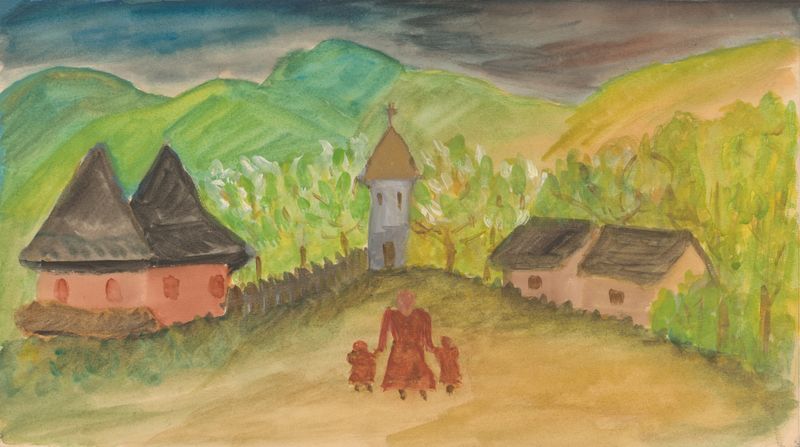
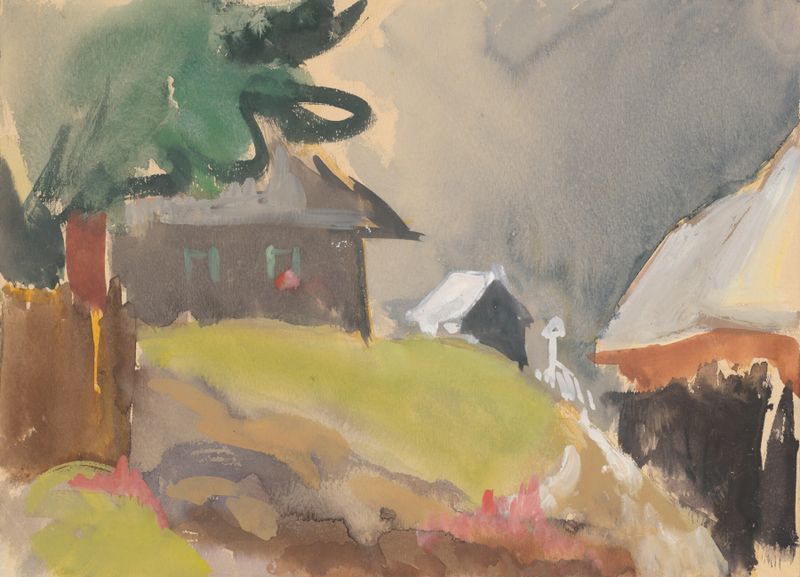
In the quiet sanctuary of a landscape, one can discern the divine whispers of nature, woven into the fabric of existence. Look to the horizon where the soft undulations of the hills embrace the sky, bathed in a gentle palette of greens and golds. Notice how the light dances across the surface, creating an interplay of shadow and illumination that invites contemplation. The meticulous layering of brushstrokes brings to life the textures of foliage and earth, drawing the eye deeper into the scene’s serene embrace and evoking a sense of timelessness. Beneath the surface beauty lies a profound tension between tranquility and transience.
The solitary dwelling nestled among the hills hints at the human experience, evoking themes of solitude and connection to nature. The choice of color speaks to the harmony between land and sky, while the delicate details—perhaps a fluttering bird or a distant figure—suggest life’s fleeting moments that resonate with divine significance. During the years 1940 to 1944, Ján Novák painted this work amidst the tumult of World War II in Europe, a time when the solace of nature became a sanctuary for many. Working in a region marked by political upheaval, his art served as an exploration of both personal and collective identity.
This piece reflects his response to the chaos surrounding him, channeling a sense of peace and introspection that speaks to the resilience of the human spirit.