
Degerbyn tulliasema — History & Facts
A quiet sense of anticipation hangs over the scene in Degerbyn tulliasema, where the artist’s pencil leads us gently from the rocky foreground to a distant, light-filled horizon. The eye is drawn first to the sturdy customs house nestled among trees, its placement on the water’s edge signaling its role as a threshold between land and lake. A steamboat is moored at the pier, its upright masts and subtle plume of smoke suggesting the coming and going of people and goods, while a small rowboat glides across the calm water, hinting at everyday life and local industry.
The wide, open sky and distant hills lend the composition a sense of spaciousness, while the careful placement of cattle and a lone figure sketching in the foreground reminds us of the human presence within this tranquil landscape. Created in 1868, this drawing by Albert Edelfelt belongs to a period when Nordic artists were increasingly drawn to the documentation of their native landscapes and the changing rhythms of rural life. Such works often served as both artistic studies and records of local customs, sometimes commissioned by officials or simply made for personal reflection. The customs station, or tulliasema, was a symbol of the growing regulation and modernization of trade in the 19th-century Nordic world, its presence here quietly marking the intersection of tradition and progress.
Now part of a Finnish national collection, Degerbyn tulliasema invites us to linger over the subtle details and to imagine the stories unfolding just beyond the paper’s edge.
More Artworks by Albert Edelfelt

The Day of Rest
Albert Edelfelt
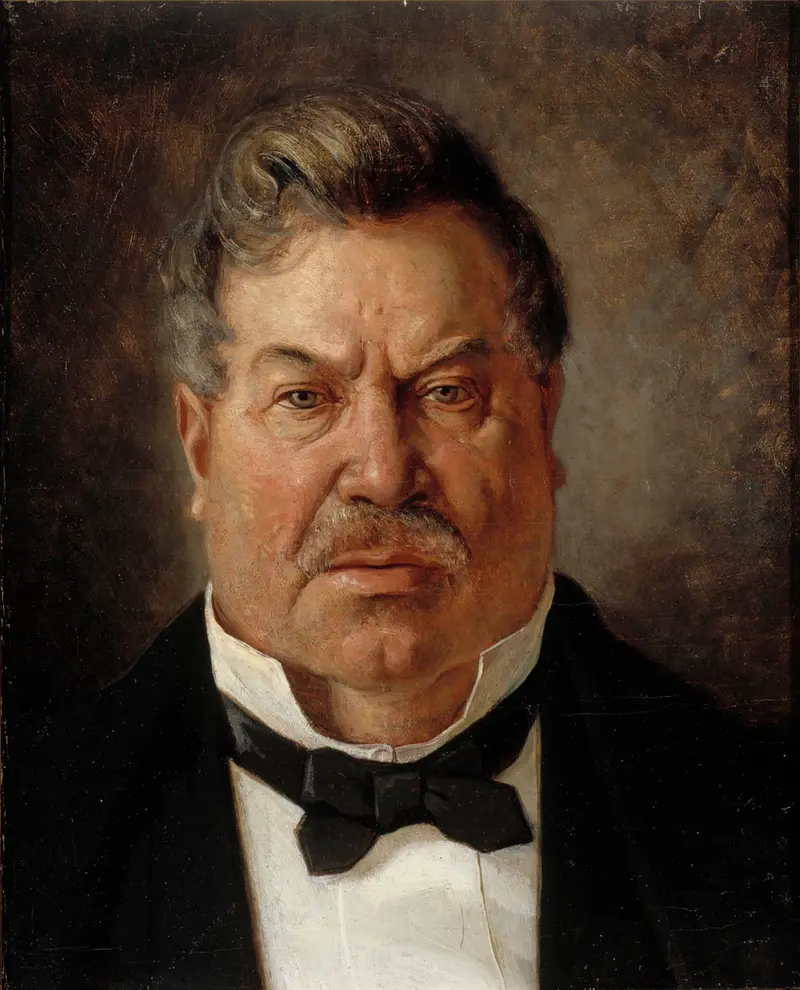
Portrait of August Streng
Albert Edelfelt
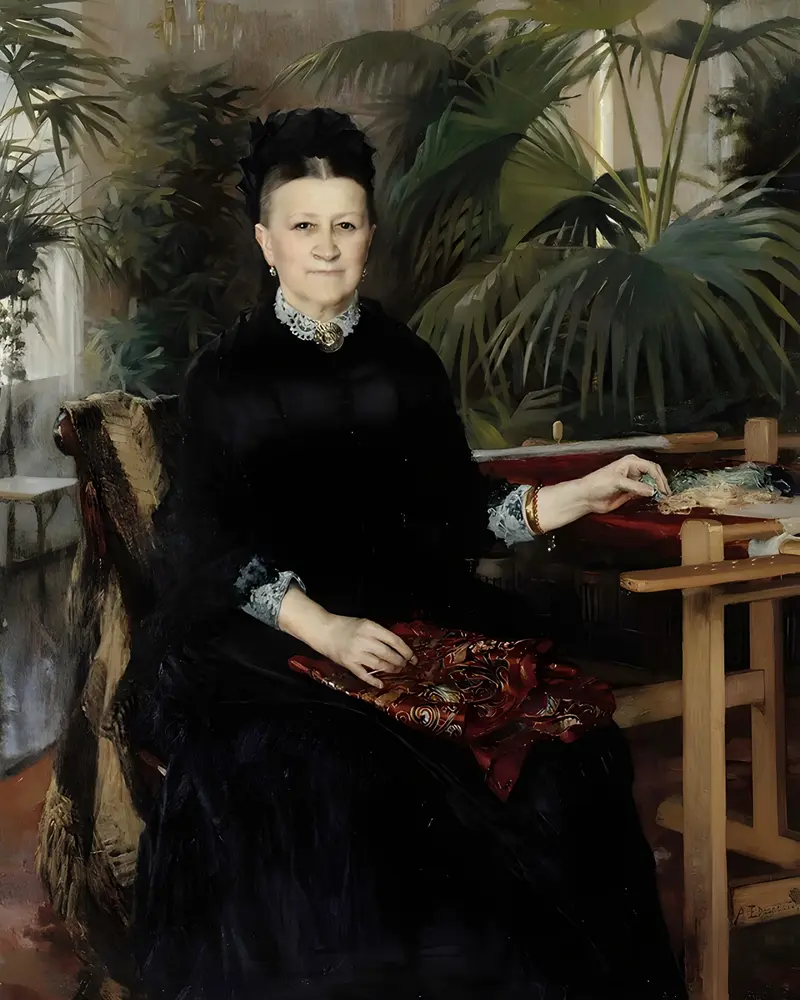
Portrait Of Mrs. Anna Sinebrychoff
Albert Edelfelt

The Poet, Larin Paraske
Albert Edelfelt

Parisian lady in a Peignoir
Albert Edelfelt
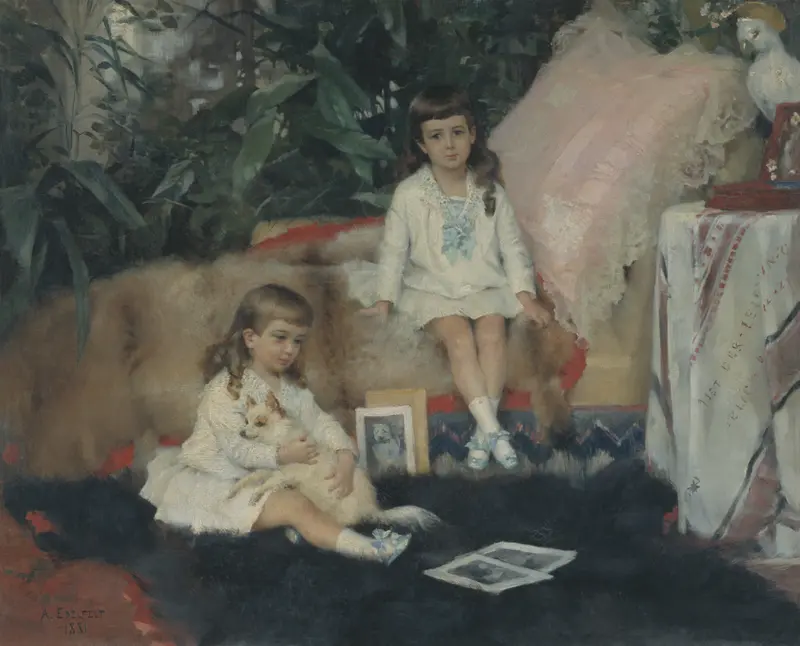
The Grand Dukes Boris and Kirill Vladimirovich as Children
Albert Edelfelt
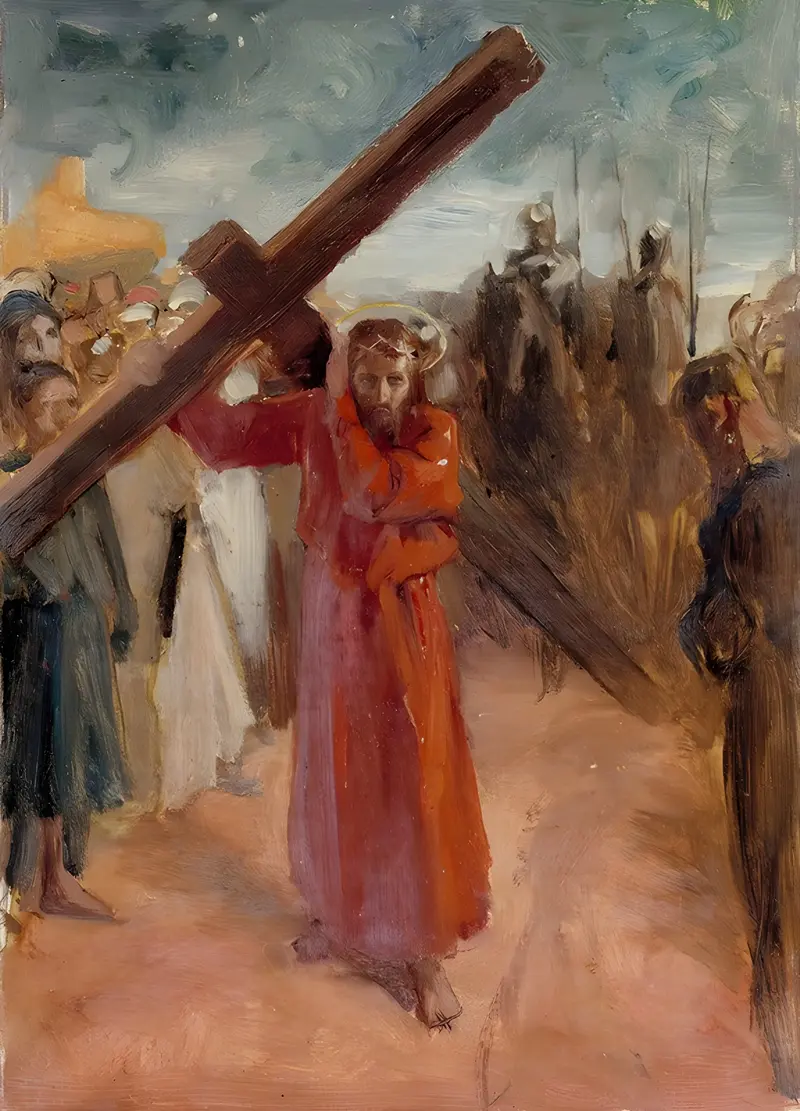
Christ Bears The Cross
Albert Edelfelt
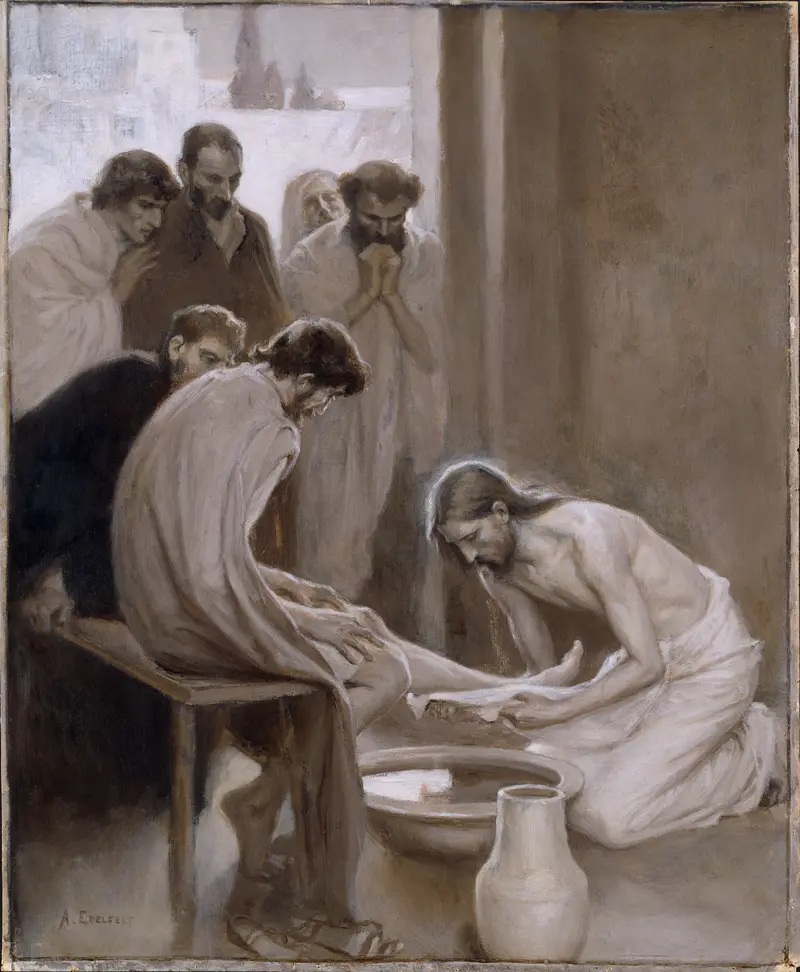
Jesus Washing the Feet of his Disciples
Albert Edelfelt

Larin Paraske with Kantele
Albert Edelfelt
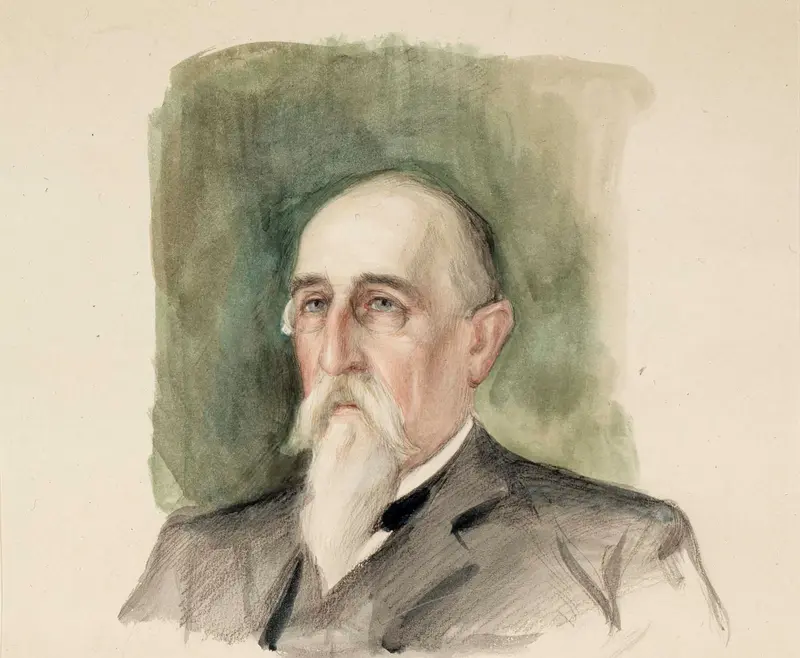
Leo Mechelin, Portrait Study
Albert Edelfelt
More Landscape Art

The Starry Night
Vincent van Gogh

View of Delft
Johannes Vermeer

Water Lilies
Claude Monet

The Grand Canal, Venice, looking north-west from the Ca' Corner to the Ca' Contarini degli Scrigni, with the campanile of Santa Maria della Carità
Canaletto

Windsor Castle
Canaletto

The Grand Canal looking North-East from the Palazzo Dolfin-Manin to the Rialto Bridge
Canaletto