
Delphi. From the journey to Greece — History & Facts
Can beauty exist without sorrow? In Delphi. From the Journey to Greece, the viewer encounters a landscape where the harmonious blend of light and shadow suggests a fragile balance between joy and trepidation. Focus on the undulating hills that cradle the ancient ruins, their earthy tones warm yet edged with the chill of twilight. The sky, painted in a gradient of soft blues and fiery oranges, captures a fleeting moment of day clashing with encroaching night.
Notice how the delicate brushstrokes evoke a sense of movement in the clouds, as if they too share in the moment’s apprehension. The ruins, steeped in history, stand resolute against the backdrop, inviting contemplation of their past glory amidst the inevitable decay of time. Hidden within this serene vista lies a tension between the beauty of the landscape and the whispers of fear it evokes. The viewer may feel a sense of melancholy in the ruins’ silent witness to the passage of time, reinforcing the notion that beauty is often intertwined with loss.
The vibrant colors of the sunset contrast sharply with the darkening horizon, symbolizing the duality of hope and despair—the very essence of the human experience. In 1905, Jan Ciągliński painted this work during a period marked by intense exploration of identity in art. As he traveled through Greece, the crumbling architecture and rich history inspired him to reflect on the interplay of beauty and mortality. At this time, artists were increasingly drawn to the emotional landscapes of their subjects, merging the personal with the historical, as Ciągliński did with this poignant depiction of Delphi.
More Artworks by Jan Ciągliński
Browse all →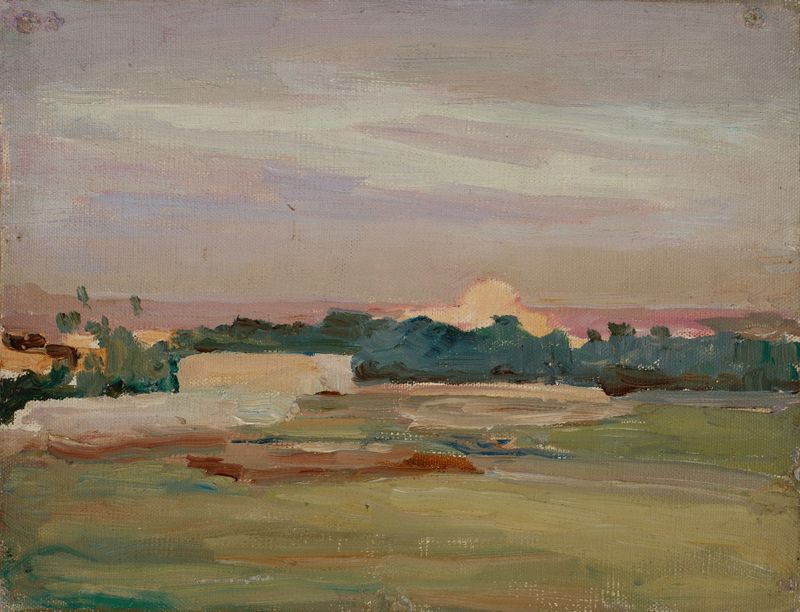
The Sirocco
Jan Ciągliński
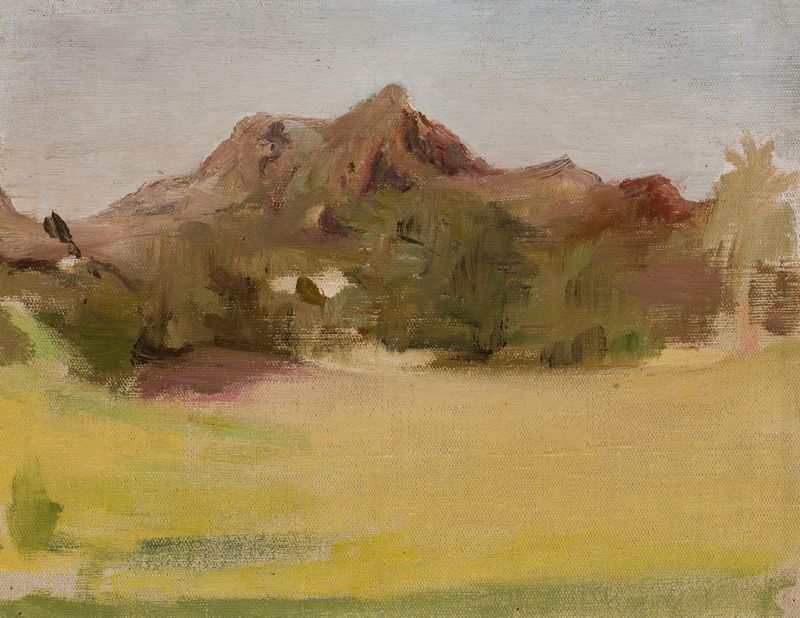
Mountain landscape. From the journey to India
Jan Ciągliński
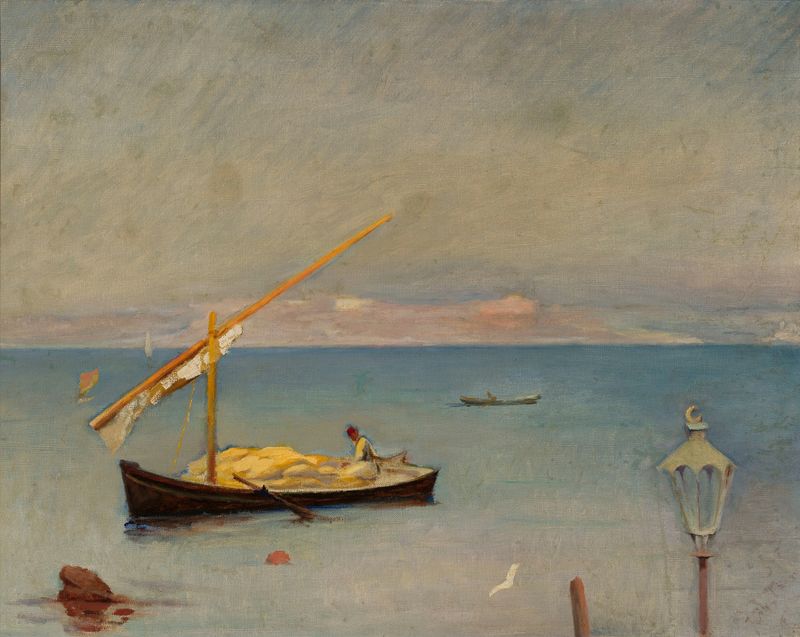
At Bosporus
Jan Ciągliński
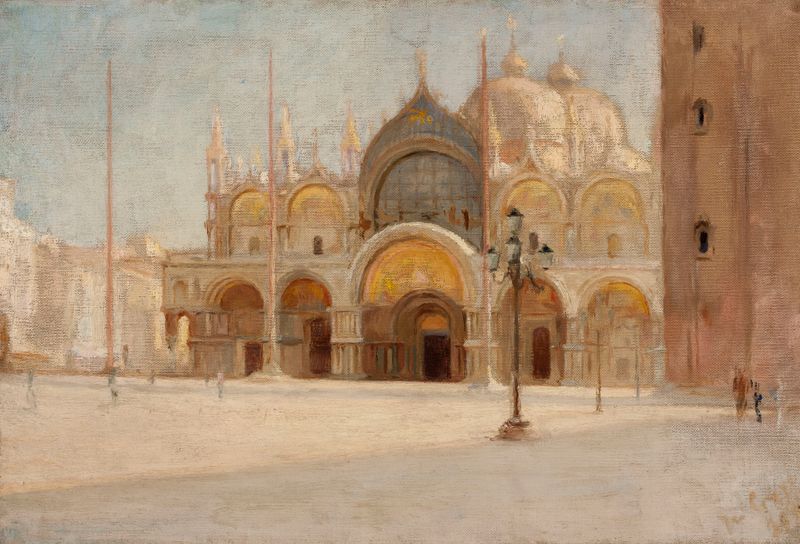
St Mark’s Square in Venice
Jan Ciągliński
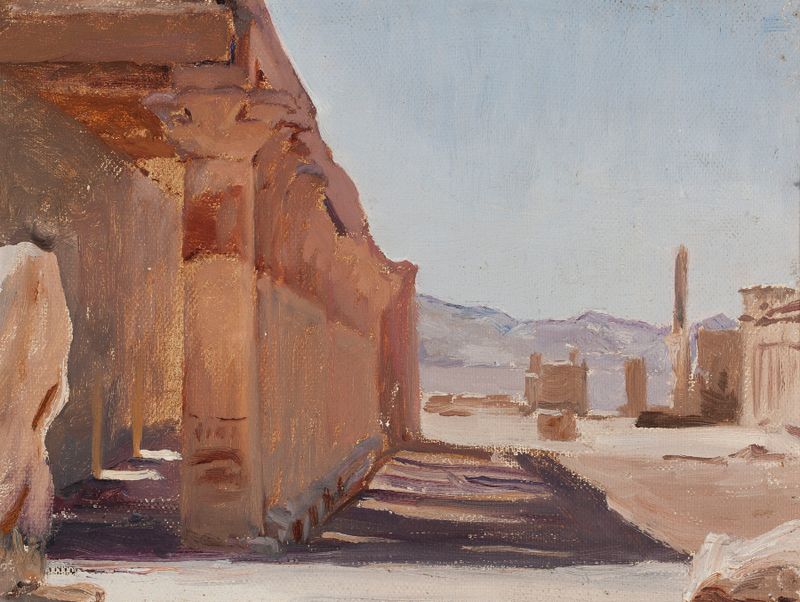
Temple. From the journey to Egypt
Jan Ciągliński
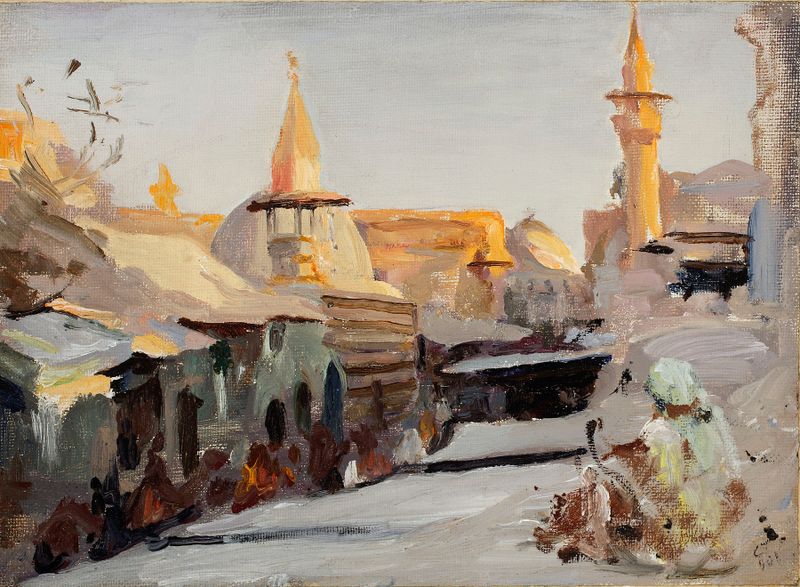
Street in Damascus. From the journey to Palestine
Jan Ciągliński
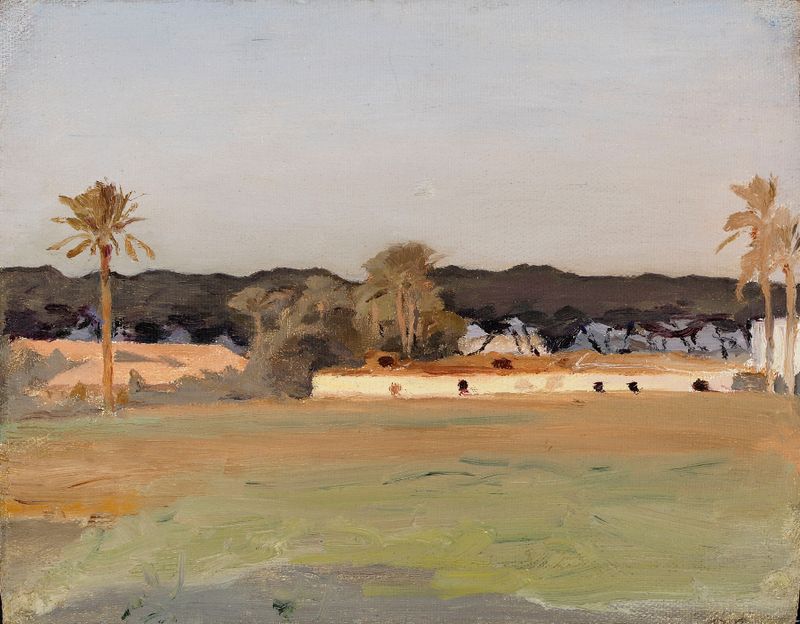
Evening. From the journey to Egypt
Jan Ciągliński
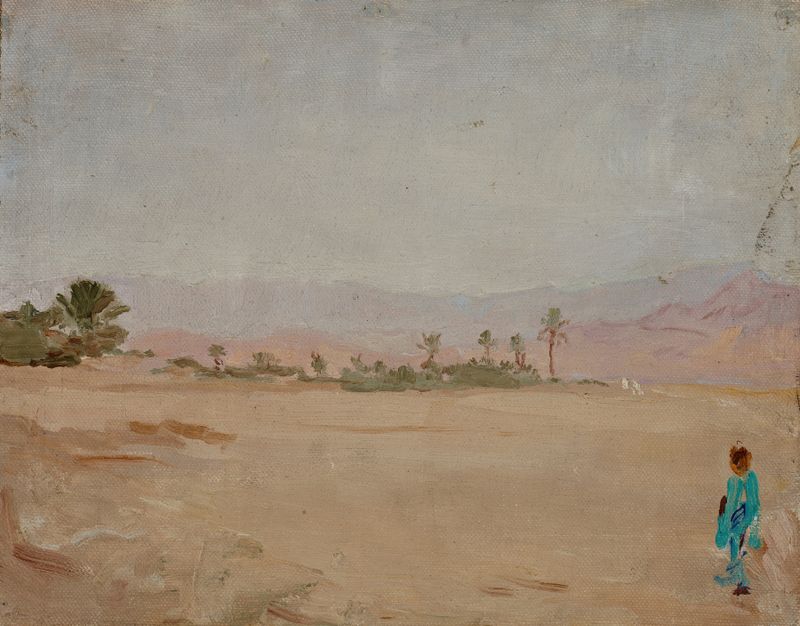
Sahara (Desert)
Jan Ciągliński
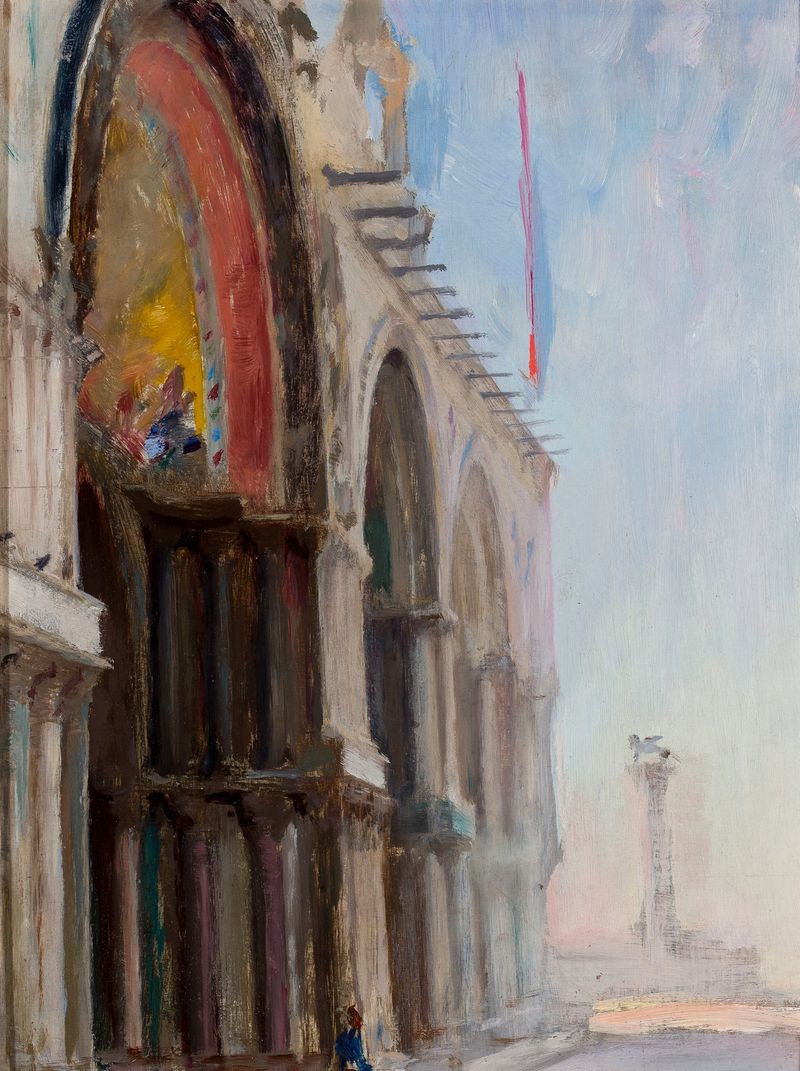
Venice – San Marco. From the journey to Italy
Jan Ciągliński
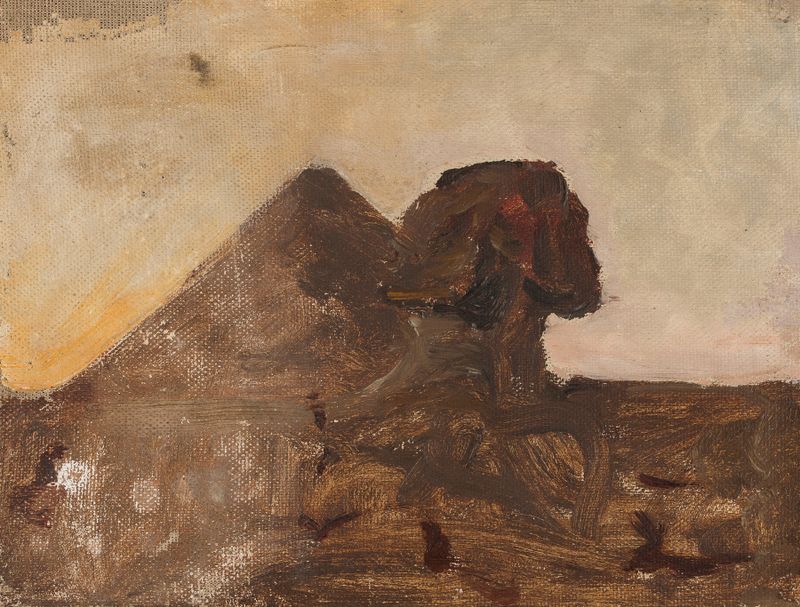
Evening in the desert – Sphinx and pyramid. From the journey to Egypt
Jan Ciągliński





